Is Guaye an Arabica Coffee? How to Best Brew Guaye Coffee Beans for Cold Brew?

Guaye (Hambella) is a renowned Ethiopian coffee that has risen to prominence in recent years. It comes from the Sidamo region of Ethiopia and belongs to the local heirloom varieties - a naturally sun-dried bean famous for its rich floral and fruit aromas. FrontStreet Coffee's house-roasted Guaye beans are roasted medium-light to preserve more of the florals and fruit acidity, presenting a fuller flavor profile.
Are Heirloom Varieties Arabica?
Ethiopia, as the birthplace of coffee, preserves tens of thousands of Arabica heirloom varieties, making it a natural coffee museum. Cultivation there is dominated by smallholder farmers growing coffee on their own plots. During harvest season, processing stations buy coffee cherries directly from nearby farmers for processing.
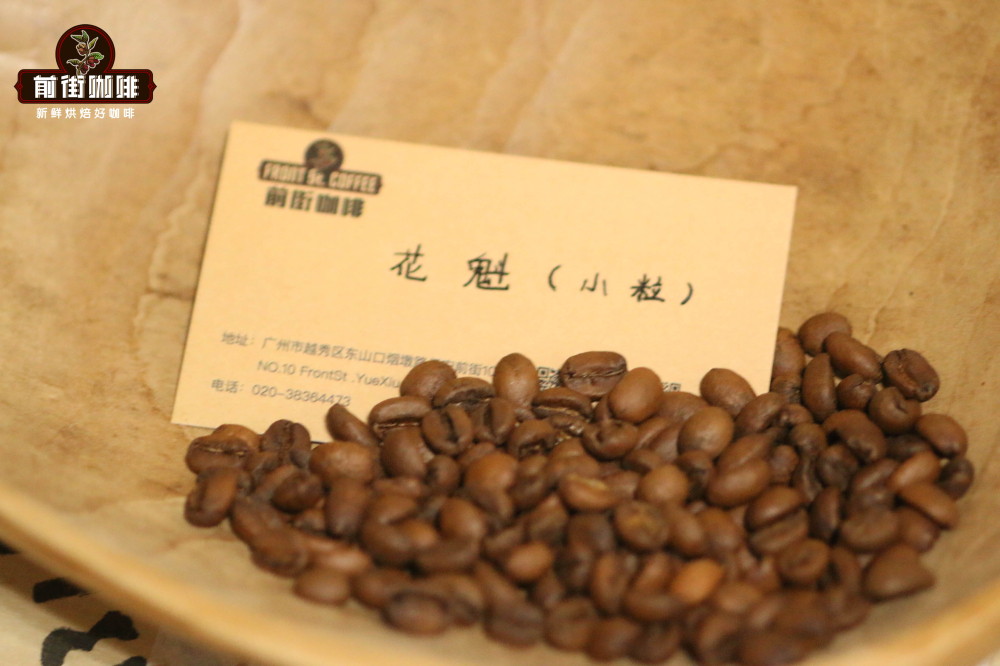
Coffee varieties are inherently complex and difficult to identify, and the Ethiopian government, for protection reasons, does not disclose them - so they are collectively labeled "heirloom varieties." As an agricultural product, coffee flavor depends on variety and terroir. FrontStreet Coffee believes Ethiopian coffee's captivating aromatics and fruit character owe much to its unique growing environment and the excellent quality of these heirloom varieties.
What is Sun-Dried Coffee?
Sun-drying is one of Ethiopia's oldest methods of processing green coffee. Cherries are laid out in the sun immediately after harvest - common in regions with abundant sunlight or scarce water - and nearly 70% of Ethiopian coffee is processed this way. FrontStreet Coffee finds that compared with washed coffee, sun-dried coffee has lower acidity, higher sweetness, a clearer body, though slightly lower cleanliness. Flavor-wise it shows more berry-like characteristics and greater complexity. Classic Sidamo flavor is built on sun-dried coffee: mellow richness, complex sweetness, a viscous smooth texture, layers of spice, floral, and fruit aromas, and a bright aftertaste.
Compared with washing, sun-drying involves a longer fermentation and more intense reaction between microorganisms and the pulp. As fermentation proceeds, microorganisms produce more volatile compounds, especially esters. Although most sugars are destroyed during roasting, these compounds transform into other aromatics during caramelization. It is these compounds that give roasted naturals their extra floral and tropical fruit fermentation aromas - furan compounds among them - expanding the flavor profile and making the coffee taste sweeter. The Sidamo Coffee Flower 8.0 beans on FrontStreet Coffee's menu are also selected from sun-dried batches, originating from Hambella.

Guaye is also called "Hambella" Coffee
FrontStreet Coffee learned through research that Hambella sits at the junction of West Sidamo and the Guji region, administered under Guji and adjacent to Yirgacheffe's Kochere across the mountains. The mountain area between them rises to 3,200 meters, making it Ethiopia's highest-altitude sub-region. Notably, Guji was formerly part of Sidamo and became an independent region in 2010 - a designation by the Ethiopia Commodity Exchange (ECX) in recognition of its beans' excellent flavor.

The area features varied terrain with fertile black soil up to two meters deep, allowing plants to root deeply. Average altitude sits above 1,800 meters with significant day-night temperature swings - all favorable for growing high-quality Guji coffee. Cultivation there barely needs chemical fertilizers; fallen leaves, decaying matter, plant roots, and soil organic matter provide ample nutrients.
You can still see both "Sidamo" and "Guji" on bean labels today, a quirk of Ethiopia's four-level administrative hierarchy - Region, Zone, Woreda, Kebele - which most green coffee names follow. Guaye, for example, lies southeast of Yirgacheffe in Sidamo region, administratively: Oromia Region → Guji Zone → Shakisso Woreda → Hambella Kebele.
Guaye was entered into the TOH (Ethiopia National Taste of Harvest competition) by DW company in 2017, where it won the championship and entered the market. "Guaye" is the Chinese rendering of Hambella, the region name. The beans come from sun-dried lots at the Buku Abel processing plant in Guji, which purchases cherries from surrounding farms for processing and sale.

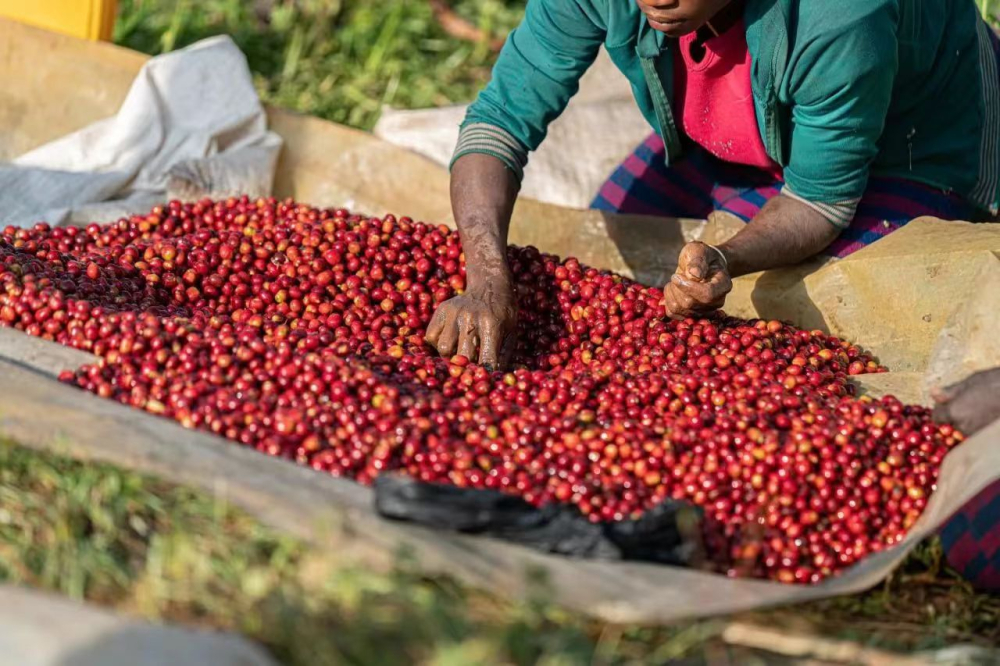
During each harvest season (December-January), the Buku plant organizes farmers to pick fully red cherries with sugar content above 30 degrees, then lays the fruit on African raised drying beds. To cope with the big day-night temperature difference, farmers shade the beds at noon to avoid over-fermentation in the heat and cover them with plastic at night against sudden rain. The cherries are turned constantly for even drying, preventing scorching or unpleasant fermentation. After roughly 18 days in the sun, once moisture drops to 13%, machines hull the dried outer layers.
To present Guaye's full fruit flavors, FrontStreet Coffee roasts it medium-light. On cupping, the sun-dried Sidamo Guaye shows dry aromas of nuts, honey, berries, and subtle fermentation notes; the sip opens with full sweet-tart passion fruit, cream, and strawberry, with a rich body and cocoa aftertaste.

How to Brew Cold Brew with Sidamo Guaye?
Compared with other freshly-ground preparations, cold brew only asks you to grind the beans, cover them with water the night before, seal, and refrigerate. The next day, remove the filter core and take the coffee to work in a cup - one of the most time-saving home brewing methods, and one that easily reproduces cafe-quality results at home. Cold brewing also unlocks its own deliciousness: low-temperature extraction brings unique flavors when you use a bean you love. Below, FrontStreet Coffee demonstrates using today's protagonist, Guaye.
Coffee Beans: Sidamo · Coffee Flower 8.0
Amount: 50 grams
Coffee-to-water ratio: 1:12 (600ml room-temperature water)
Grind size: Fine sugar (80% passes through a #20 sieve)
Steeping time: 8-12 hours

The method is simple: pour the ground coffee into the cold brew pot's built-in filter and add room-temperature purified water. Tighten the lid and refrigerate for 8 hours. (Note: refrigerate - do not freeze!) After steeping, filter the coffee through a dripper and filter paper to remove residue for a cleaner taste. For cold brew served in-store, FrontStreet Coffee refrigerates it sealed for 3-4 hours after filtering before serving, which intensifies the fermentation flavors.

Guaye cold brew drunk neat carries rich dark berry and black tea aromas, with a refreshing yet substantial mouthfeel. FrontStreet Coffee then adds 1-2 ice cubes to soften the concentration and add icy coolness, turning it into something closer to a refreshing fruit tea. For both flavor and food safety, FrontStreet Coffee recommends consuming all low-temperature extractions - ice drip, cold brew, cold soak - within 5 days of production.
FrontStreet Coffee Recommendation
If the sun-dried, fruit-forward side of Ethiopian coffee appeals to you, the FrontStreet Natural Hua Kui (Guaye) from the Hambella region of Guji, Sidamo, is the classic choice. The 200-hectare farm uses traditional natural processing on raised beds for 21 days, with constant turning and hand-sorting every three to five days to remove defective beans. Roasted medium-light, it reveals a light fermented wine note, florals, citrus, and mango, with honeyed sweetness, cocoa undertones, a hint of spice, a thick body, and a long finish.
For a washed contrast, the FrontStreet Guodingding Cooperative from Yirgacheffe's Worka area - independent since 2012 with about 300 member farmers - offers bright citrus and lemon tones with elegant white florals, its inherent clarity sharpened by pulping before drying. And the FrontStreet Natural Red Cherry Project lot (peach, cocoa, honey, lemon) shows how meticulously sorted Ethiopian naturals can be both fruit-laden and spotlessly clean.
Important Notice :
FrontStreet Coffee is a long-established specialty coffee roaster in Guangzhou China, selling freshly roasted beans from its own farm in Yunnan as well as dozens of carefully selected single-origin beans from around the world for both pour-over and espresso. The products deliver consistently excellent quality and great value, with shipping within 24 hours. Guangzhou's FrontStreet Coffee shop is recommended by many coffee lovers, and the beans are now available online at the Tmall 。
FrontStreet Coffee has moved to a new address:
FrontStreet Coffee Address: 315,Donghua East Road,GuangZhou
Tel:020 38364473
 Scan and follow the En Gafei WeChat official account. Please indicate that the reprint comes from "En Gafei".