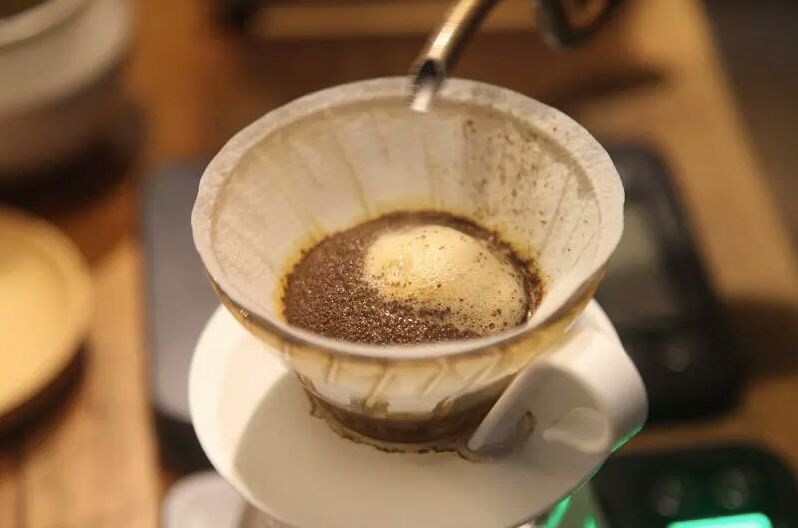
What is Robusta Coffee? What's the Difference Between Arabica and Robusta Coffee?
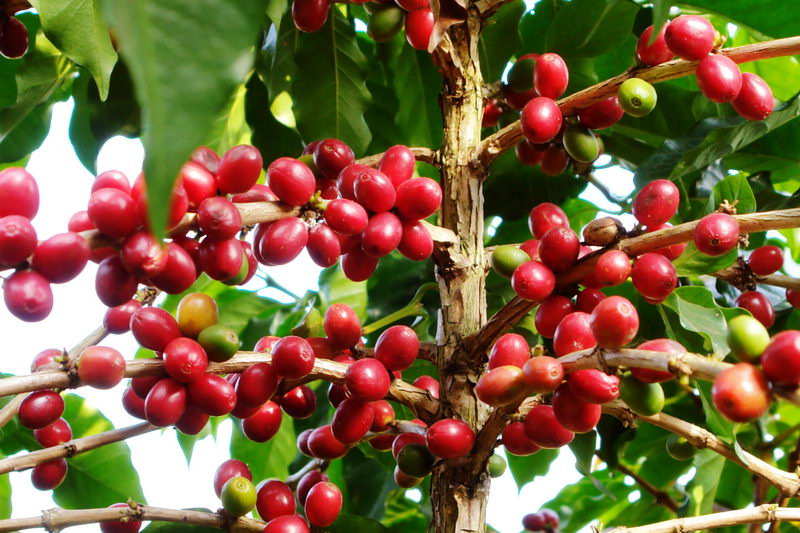
Casual coffee drinkers may not think much about varieties, but serious ones do — because variety shapes flavor. Every coffee variety in the world descends from three original species: Arabica, Robusta, and Liberica (the last grown in only tiny volumes). Arabica and Robusta are the two workhorses of the market.
It's often said that specialty coffees are Arabica, while Robusta mostly shows up in blends. The reason comes down to the intrinsic flavor of each species. As for which is "better," FrontStreet Coffee believes each has its own character — the most expensive is not automatically the best, and the right choice is the one that suits you.
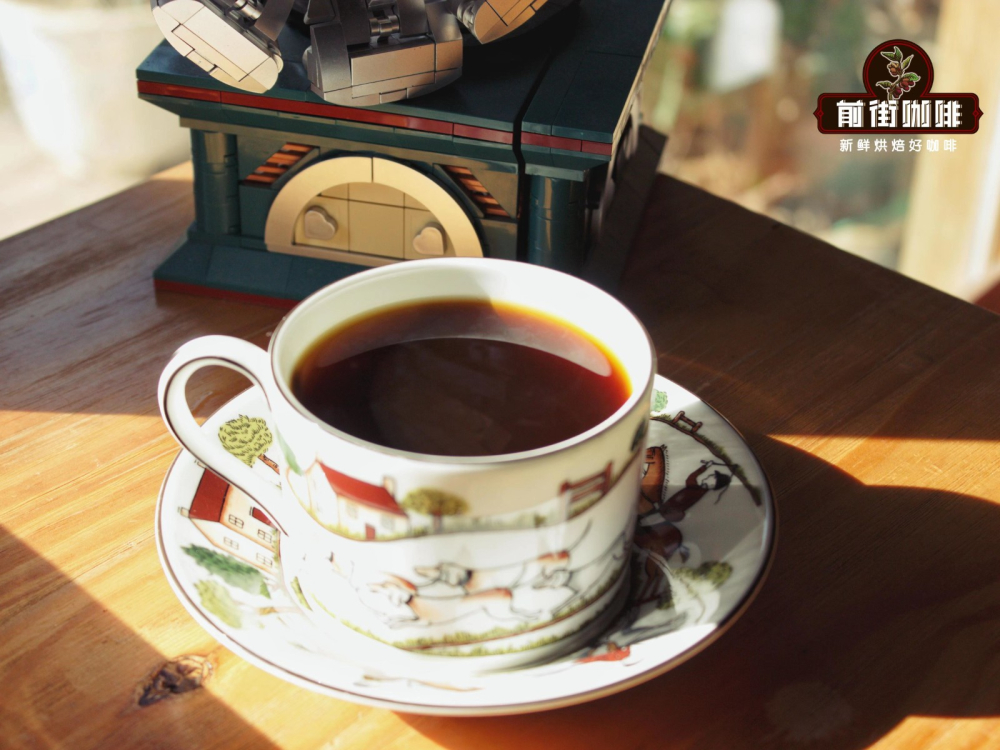
Arabica leans floral and fruity, with nutty and caramelized acidic notes; it generally tastes better than Robusta and is easier to love, which is why it dominates single-origin specialty menus. Robusta's flavor profile is simpler and intensely bitter, less smooth and harder to appreciate — so it goes mainly into espresso blends and instant coffee.
Arabica Coffee Varieties
Arabica was the first coffee species discovered and is regarded as the highest-quality of the beans. It is the world's dominant commercial species, cultivated across Central and South America, Africa, and Asia. All Arabica varieties trace back to Ethiopia, whose primary forests still hide many unidentified coffee trees. Robusta, meanwhile, originated in the Congo region of West Africa: it technically belongs to the Canephora (Congo) species, but only one Canephora variety — Robusta — was ever commercialized successfully, and the variety name has now all but replaced the species name.
Arabica is demanding about its environment. Suitable temperatures and high altitude are baseline requirements, and different combinations of altitude, temperature, microclimate, humidity, and soil produce completely different flavor profiles. Because it grows at high altitude with large day-night temperature swings, the trees' growth cycle stretches out and flavor develops more fully. Panama's Hacienda La Esmeralda Geisha, for example, tastes better grown in Panama than in Ethiopia — precisely because Arabica rewards a challenging terroir.
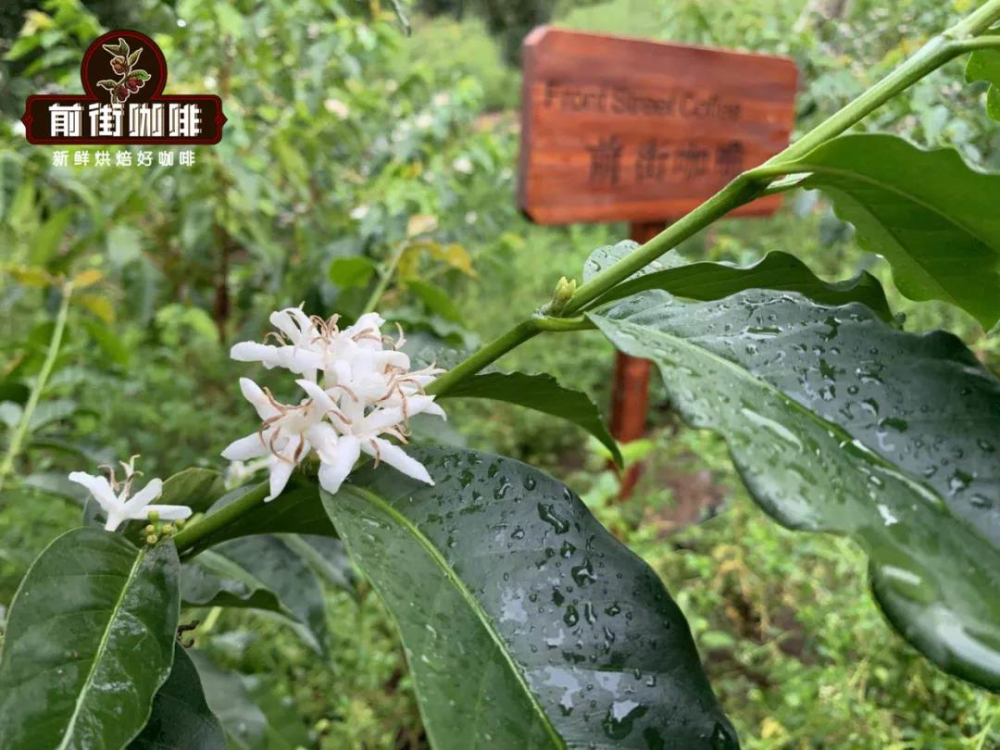
Arabica grows at 600-2200 meters, in temperatures of 15-24°C, with annual rainfall of 1200-2200 millimeters. From flowering to ripe fruit takes about 7-9 months. The beans are elongated, with a rounded, full wet aroma. Brewed, Arabica shows layered flavors of flowers, fruit, chocolate and caramel, with bitterness and acidity in balance. Its caffeine content is below 1.5%. Rich in aroma, smooth and agreeable on the palate, it holds a dominant position in the market.

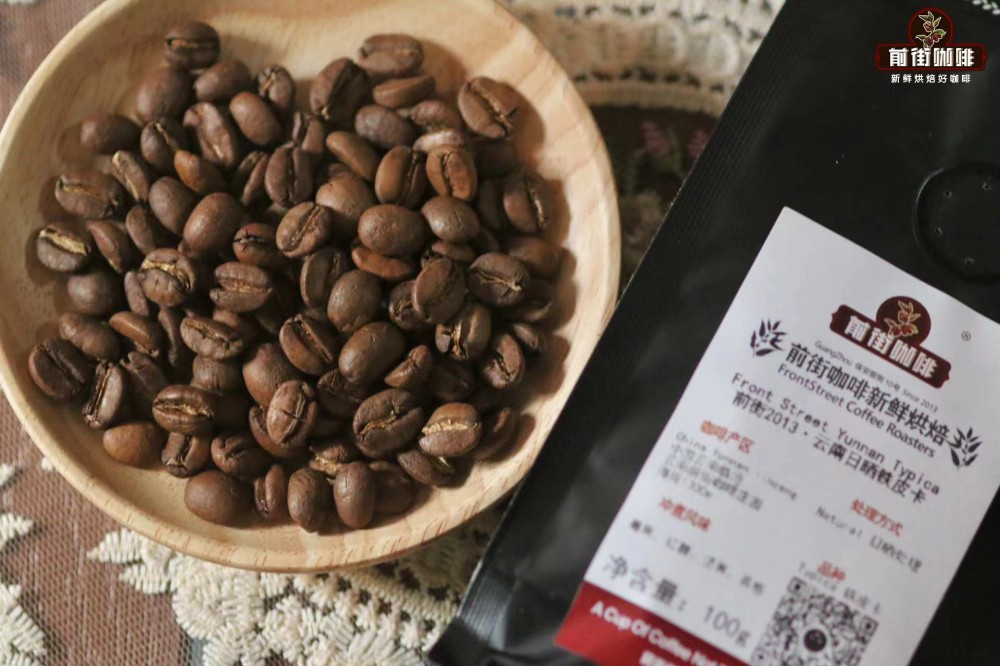
The plants typically grow 2.5 to 4.5 meters tall. They tolerate cool weather but not frost, and drought resistance is limited. The beans are larger with clean, aromatic flavors and low caffeine. Arabica has many sub-varieties, all descended from Ethiopia's ancient Typica and Yemen's Bourbon, which were carried to Central and South America or Asia and mutated into numerous cultivars — among them Jamaica Blue Mountain, FrontStreet Coffee's 2013 Sun-dried Typica, and Panama Geisha.
"Ancient Original Varieties"
"Typica": The most ancient original variety, from Ethiopia, from which all Arabica varieties derive. Typica has bronze-colored top leaves and oval or slender pointed beans. Elegant in the cup, but the plant is physically weak, disease-prone, and low-yielding. Estate legends such as Jamaica Blue Mountain, Sumatra Mandheling, and Hawaii Kona are all Typica. Those bronze top leaves remain one of its identifying marks.
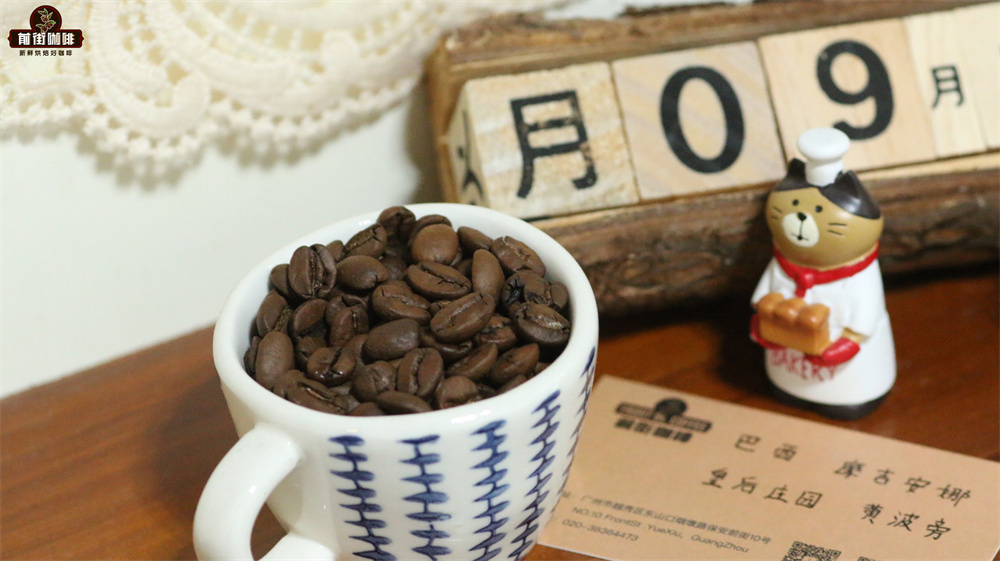
"Bourbon": An early variant of Typica after its move to Yemen, where the bean shape shifted from slender and pointed to rounded. In 1715, France carried Yemen's rounded Mocha beans to Bourbon Island off Africa's east coast (renamed Réunion after the French Revolution), and only there did the variety get its name. In 1727, rounded Bourbon beans reached Brazil and Central and South America. In 1732, Britain transplanted Yemen's Mocha beans to St. Helena (later Napoleon's place of exile) — also rounded Bourbon. Bourbon is a frequent winner in American specialty cupping competitions.
Geisha: A derivative of the Typica family, exported from Ethiopia's Geisha Mountain in 1931 (the name sounds like the Japanese word "geisha"). It stayed obscure in country after country until being transplanted to Panama in the 1960s — and from 2005 onward it began winning cupping competitions with regularity.
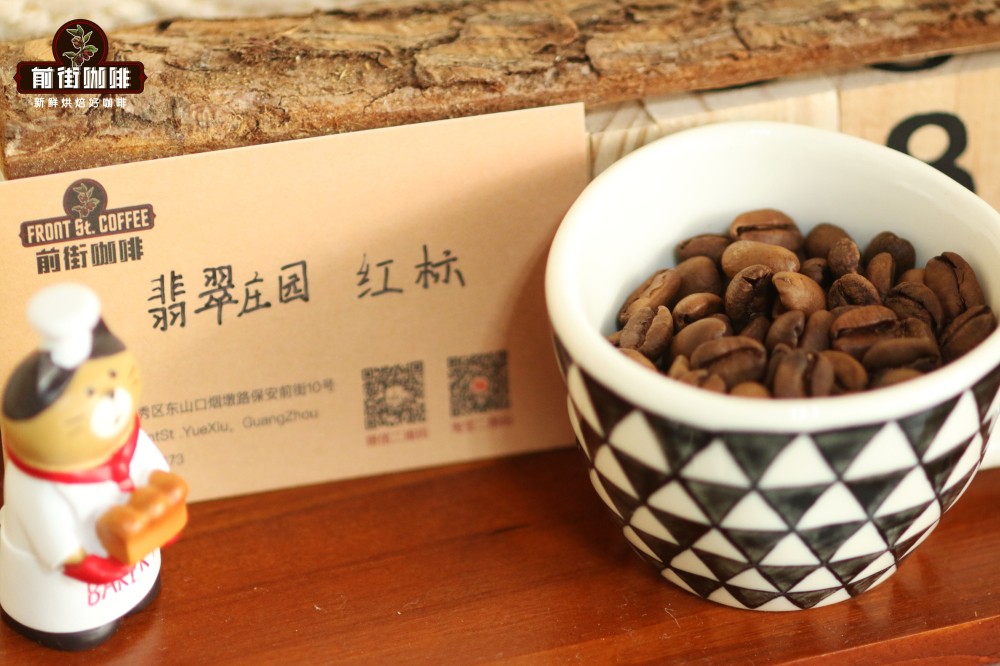
The most renowned Geisha terroir today is Boquete, Panama, a small town on the eastern foothills of the Barú volcano. There, the most famous Geisha estates are Hacienda La Esmeralda, along with Elida Estate and Panama's NPGE Estate. Although Geisha is now grown worldwide — including Taiwan, China — its cup still doesn't match Panama's remarkable quality.
Robusta Coffee Varieties
Robusta's growing conditions are far less demanding. It thrives at lower altitudes and higher temperatures, grows faster than Arabica, and shrugs off extreme weather. It is widely cultivated in Vietnam, Brazil, and India, and Hainan in China grows Robusta too.
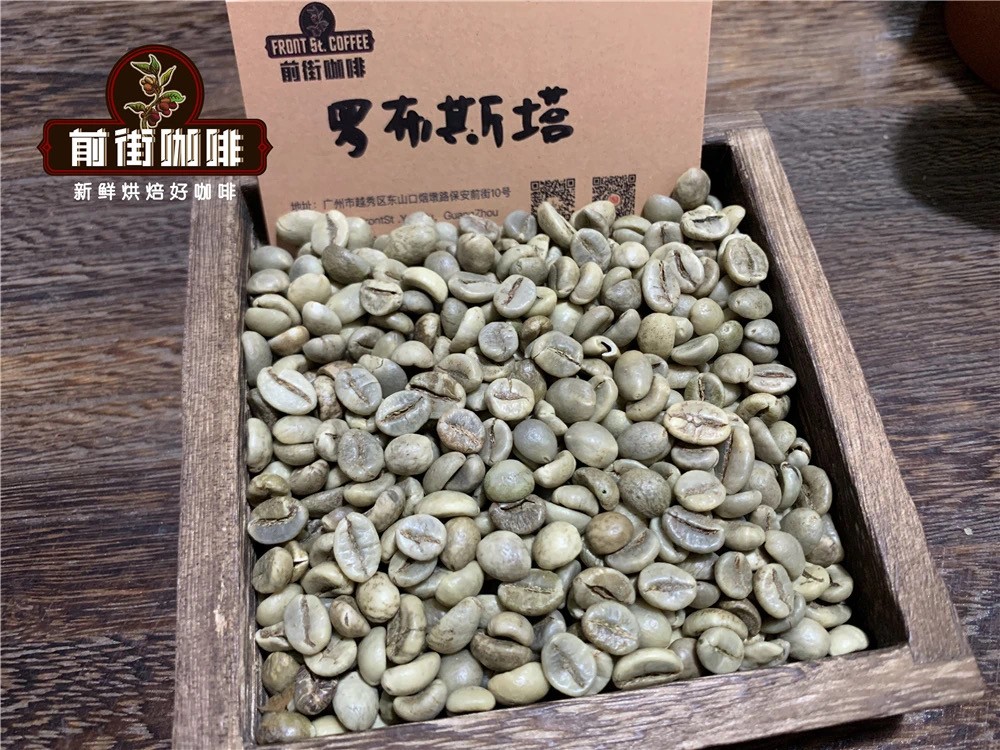
Robusta grows at 0-800 meters, in temperatures of 18-36°C, with annual rainfall of 2200-3000 millimeters. Flowering to ripe fruit takes about 7-9 months. The beans are round, with weak wet aroma and woody notes. Brewed Robusta is strongly and distinctly bitter with low acidity; caffeine runs 1.8% to 3.5%. Its simple, bitter profile suits industrial coffee — instant, canned, and liquid coffee — while a small share goes into espresso blends to boost body and richness. FrontStreet Coffee's commercial blend uses 10% Robusta.
Most Robusta is grown at low altitude and grows fast, so flavor development is limited. The trees are also naturally high in chlorogenic acid — the source of bitter compounds — yielding a cup with fuller body, deeper flavors, and notes of walnut, peanut, hazelnut, wheat and grain, sometimes with a pungent earthy edge.
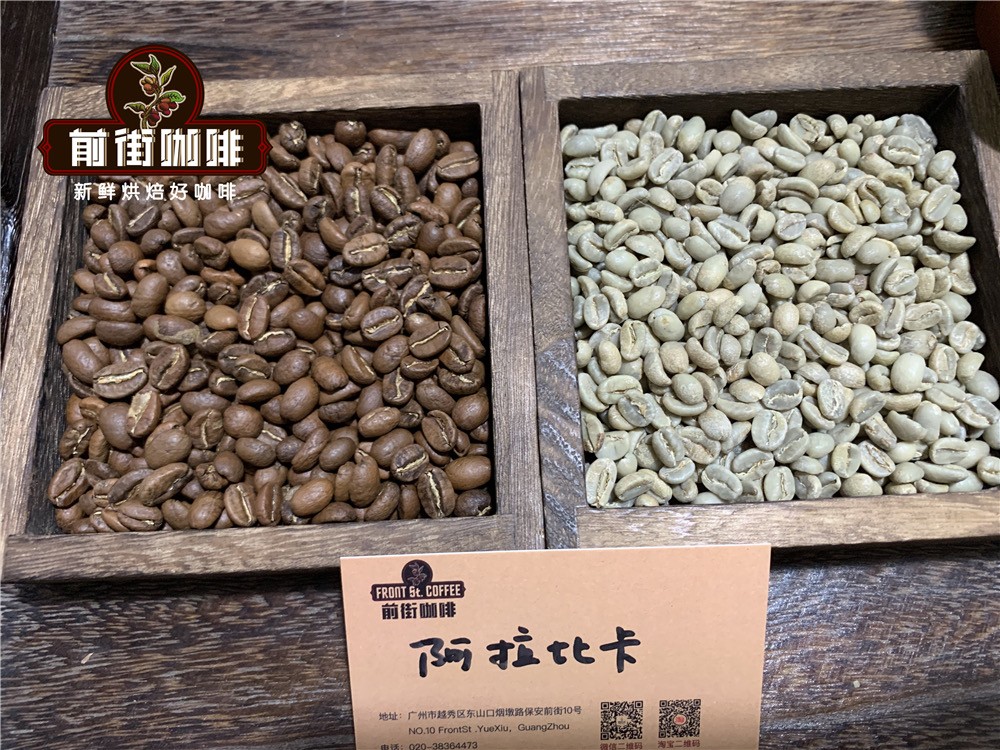
Robusta produces one bean per fruit — each cherry contains only a single bean. The beans are relatively round and C-shaped, with a center line that forms a straight "1."

Arabica cherries, in contrast, hold two beans (occasionally only one develops — a round, oval-shaped bean people call a "peaberry"). Arabica beans are oval, slender, and flat, with a center line that curves in an "S" shape.
Arabica self-pollinates; Robusta cross-pollinates. Cross-pollinated offspring inherit genes from two parent plants, occasionally gaining new traits that help them adapt to changing environments. That makes self-pollinating Arabica fragile: with each generation its genes grow more uniform — in effect, inbreeding — so when disease strikes (coffee leaf rust, say), trees sharing the same genes can all fall together. Robusta, meanwhile, keeps adapting through genetic variation.
Robusta also carries more caffeine but less fat and sugar, which is why it tastes stronger and more bitter. Caffeine, after all, is the plant's best natural pesticide.
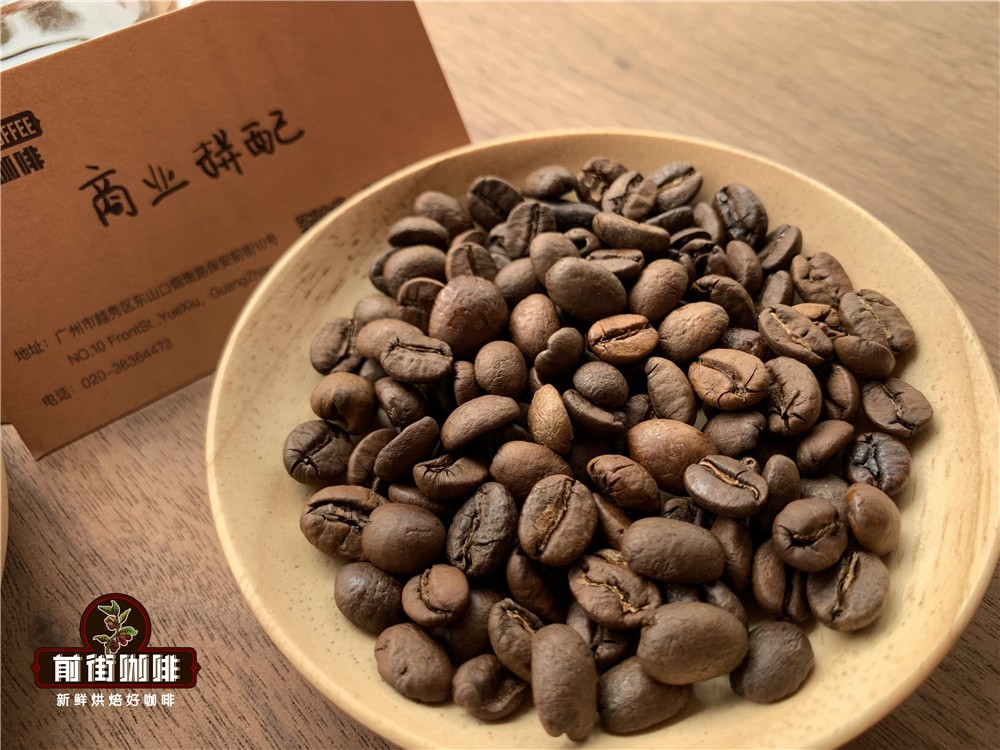
Robusta's flavor quality may not be stellar, but it brings high body and rich oils. Most instant coffee is made from Robusta, and even with generous sweeteners and creamers added, the coffee keeps a full mouthfeel. FrontStreet Coffee's commercial blend is 90% Arabica to 10% Robusta. On its own, commercial-grade beans are clearly a step below specialty beans; but blended well, they make genuinely tasty coffee for espresso-style drinks like lattes and cappuccinos. Pulled as espresso, our commercial blend shows richer oils from the Robusta share, classic caramel sweetness, nutty and cocoa notes, dark chocolate, balanced acidity and bitterness, and a lingering finish.

FrontStreet Coffee believes coffee quality depends not only on the bean's chemistry but on a chain of human choices. The delicious Arabica we drink today is a gift of nature and the fruit of centuries of selection for quality. Growers, processors, roasters, and brewers each make choices that shape the final sensory experience — and across the supply chain, far more resources and time are invested in Arabica than in Robusta, which colors the comparison.
It's also true that Robusta's cupping scores are usually low because flavor quality often suffers — and that traces directly to processing. Robusta is frequently traded mixed with masses of defective beans, and cup quality isn't a priority for growers. But what if Robusta were processed properly? It could change not just how farmers produce, but the whole supply chain.
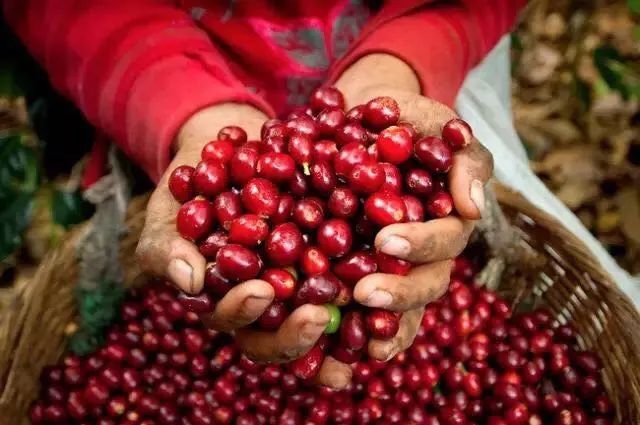
So while Robusta's reputation is poor, FrontStreet Coffee believes the beans shouldn't take all the blame. Robusta is typically harvested by machine, so the haul includes rotten and unripe cherries along with debris — insects, twigs, and the like. That combination guarantees a terrible cup.
Broadly speaking, the specialty coffees we drink are made from Arabica: lower in caffeine than Robusta but better in flavor, lower in oil but cleaner in taste, and pricier due to smaller yields.
FrontStreet Coffee's Brewing Recommendations:
Whatever the variety, freshness decides the cup. FrontStreet Coffee has always believed that bean freshness hugely affects flavor, which is why we ship beans roasted within 5 days. Our roasting philosophy — "Freshly Roasted Good Coffee" — ensures every order arrives as fresh as possible. Beans rest about 4-7 days, so by the time customers receive them, they're at peak flavor.

One note for those who need pre-ground coffee: once ground, beans need no additional resting, because the pressure from CO2 inside the packaging during transit rounds out the flavors — you can brew immediately on arrival. But ground coffee must be brewed promptly: exposed to air it oxidizes fast, and the flavors dissipate, diminishing quality. So we recommend buying whole beans and grinding fresh for each brew to taste the coffee at its best.
FrontStreet Coffee Recommendation
Espresso beans come in two camps: blends, which most cafés default to, and single-origin SOEs chosen for a specific taste. Blends exist to make coffee better — combining one bean's smoothness with another's perfume. For traditional-style Americanos and lattes, the FrontStreet Classic Blend or Commercial Blend add a touch of robusta to the old Italian formula, giving butter, nut, spice, dark chocolate and toast aromas with a wild, thick body and explosive golden crema that makes latte art effortless. For lovers of nutty sweetness, the Premium Blend (Brazil Cerrado + Colombia Huila) shows nut, chocolate and caramel with just-right acidity, while the Dark Cocoa Blend mixes Yunnan small-bean ripened-plum acidity into a creamy-chocolate, ultra-versatile cup — a shop owner's best partner.
For SOE explorers, the FrontStreet Natural Cherie SOE from Guji's Hambella district (up to 2,300 m, natural process, medium roast) tastes of cream, cocoa, berries, soft florals and black tea; the Costa Rica Blackberry SOE, a honey-processed lot, runs high-sweet and refreshing over ice with cranberry cookie, raisin and nut notes in milk; and the Brazil Queen Estate SOE — unique Yellow Bourbon, medium-dark roasted — pours butter cookie, macadamia and toast.
Important Notice :
FrontStreet Coffee is a long-established specialty coffee roaster in Guangzhou China, selling freshly roasted beans from its own farm in Yunnan as well as dozens of carefully selected single-origin beans from around the world for both pour-over and espresso. The products deliver consistently excellent quality and great value, with shipping within 24 hours. Guangzhou's FrontStreet Coffee shop is recommended by many coffee lovers, and the beans are now available online at the Tmall 。
FrontStreet Coffee has moved to a new address:
FrontStreet Coffee Address: 315,Donghua East Road,GuangZhou
Tel:020 38364473
 Scan and follow the En Gafei WeChat official account. Please indicate that the reprint comes from "En Gafei".