Introduction to Enzyme-Treated Coffee Beans—Flavor and Characteristics of Dual Anaerobic Enzyme Washed Coffee Beans
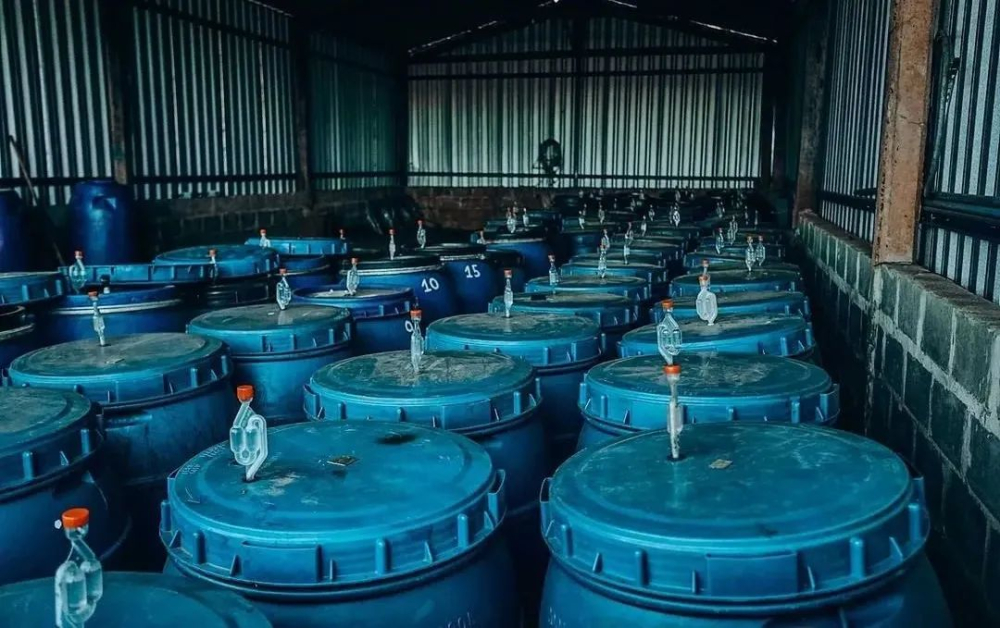
In recent years, the term "specialty processing" has appeared with growing frequency. Coffees made with these experimental methods show highly distinctive flavors and exceptionally rich aromatics, setting them clearly apart from beans produced by traditional methods. Here, FrontStreet Coffee uses one of its own house-roasted beans—FrontStreet Coffee Colombia Rose Valley—to introduce the characteristics of double anaerobic enzyme washed coffee.
Anaerobic Fermentation
Anaerobic fermentation is a processing method that has swept through specialty coffee in recent years. It borrows from winemaking: carbon dioxide is injected into a sealed container to displace the oxygen, creating an oxygen-free environment. In that environment, the sugars in the coffee mucilage break down more slowly, the pH falls at a gentler pace, and the fermentation stretches out over a longer period. The result is enhanced sweetness and more balanced flavors.
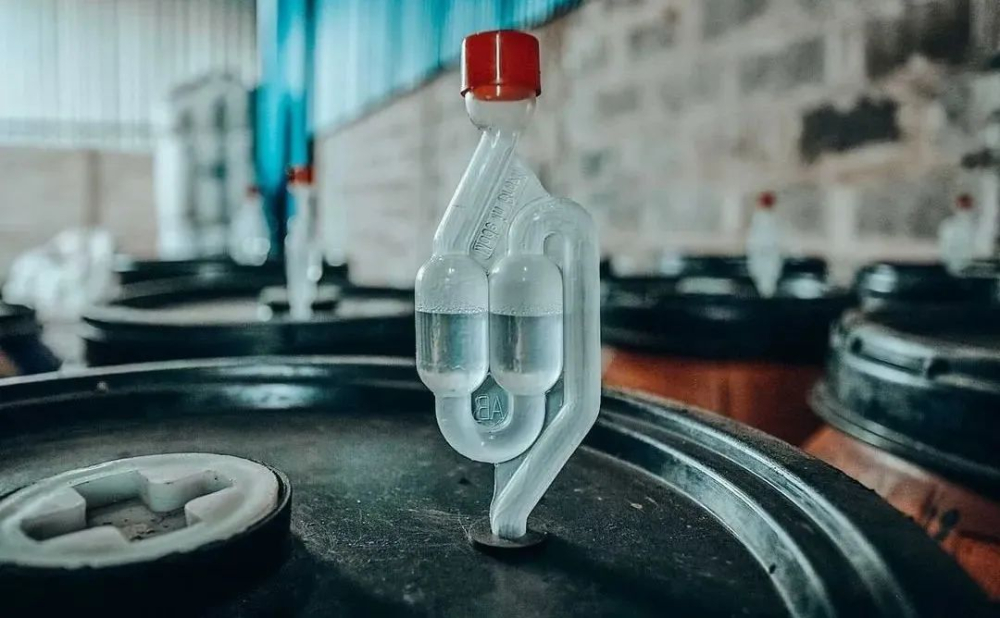
Double Anaerobic Enzyme Washed
This method builds on anaerobic washing by adding special enzymes for a second anaerobic fermentation. Once the cherries leave the first anaerobic environment, machines remove the skin and pulp. The beans, still coated in mucilage, then go into plastic bags or other sealed containers for another round of anaerobic fermentation. A process involving two separate anaerobic fermentations like this is known as double anaerobic fermentation. Afterward, the beans are dried. Coffee processed this way delivers an exceptionally rich fruit sweetness.
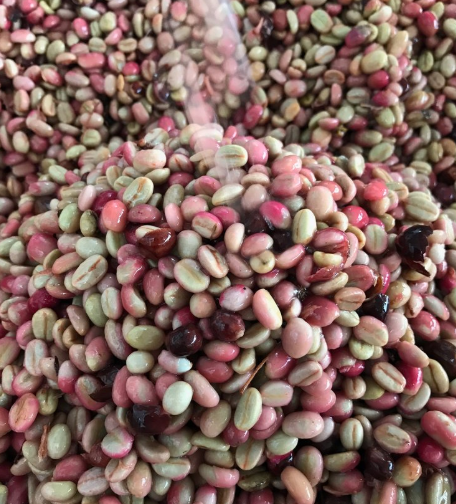
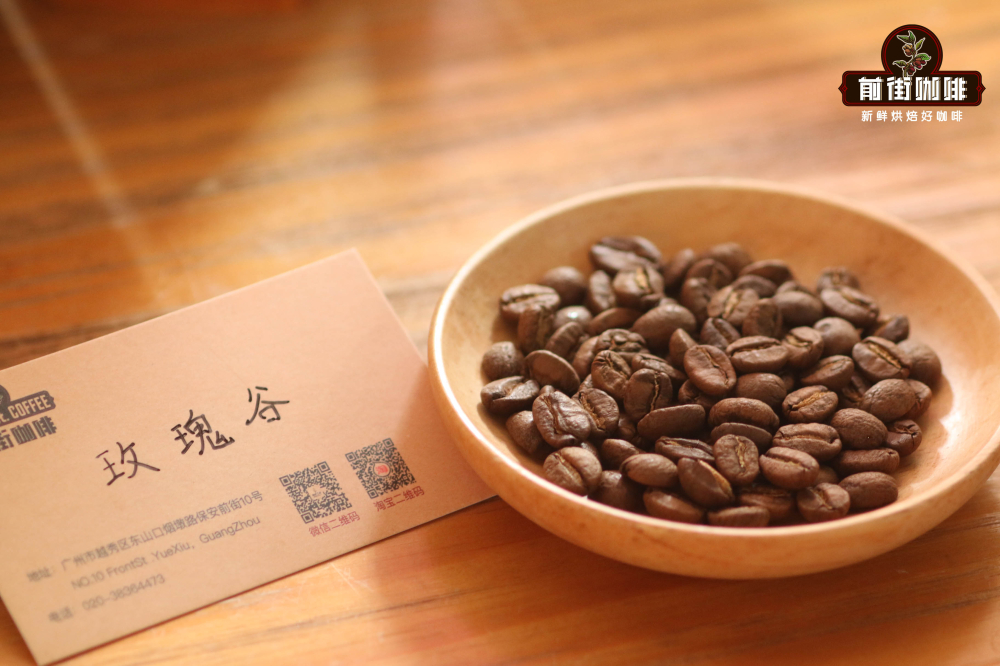
FrontStreet Coffee's Colombia Rose Valley is processed exactly this way. The double enzyme washed Rose Valley shows stunning peach character, accompanied by cranberry, liqueur chocolate, and rose notes.
Rose Valley Origin
FrontStreet Coffee's Rose Valley comes from Finca El Arbol in Colombia's Santander region.
The farm's owner, Vargas, has been growing coffee at Finca El Arbol for 20 years. Only fully mature, bright red cherries are picked. Washing floats off the defective beans, and the coffee then undergoes two rounds of anaerobic fermentation with special enzyme groups added. Drying receives equal care: temperatures are kept low, and the beans dry slowly and gradually.
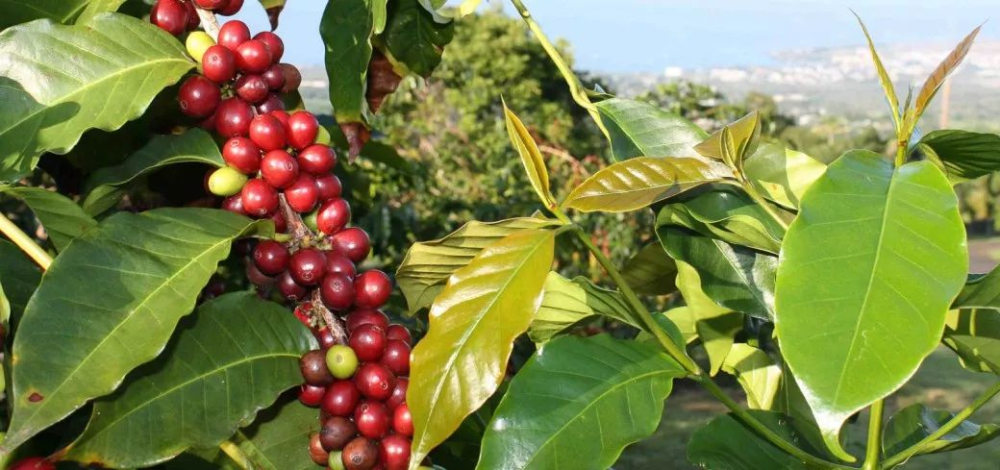
The variety behind Rose Valley is Caturra, a natural variant of Bourbon discovered in Brazil in 1937. The plant is more compact than Bourbon. Introduced from Brazil in 1960, Caturra now accounts for 45%-50% of Colombia's coffee production, having replaced the earlier Typica. It is well suited to altitudes between 700-1750 meters, with flavor improving at higher elevations. In the cup it typically offers refreshing fruit acidity and subtle sweetness.
FrontStreet Coffee Brewing Recommendations
Filter: V60
Water Temperature: 90-91°C
Grind Size: 80% pass-through rate with #20 standard sieve (EK-43s grinder setting 9.5)
Coffee-to-Water Ratio: 1:15
Coffee Amount: 15g
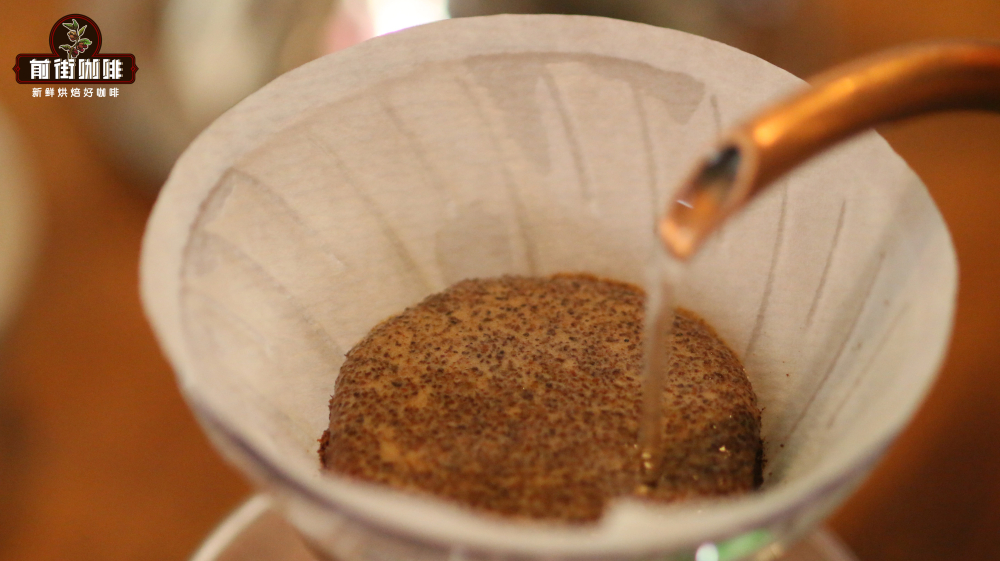
Load the grounds into the V60 and wet the bed with twice the dose of water to form a dome, blooming for 30 seconds. Then use a small, steady stream to pour in circles from the inside out up to 125g, and pause. Once the bed drops to half the height of the filter, resume the same fine stream for the third segment up to 225g. Remove the filter once all the liquid has passed through; total brew time is roughly 2 minutes.
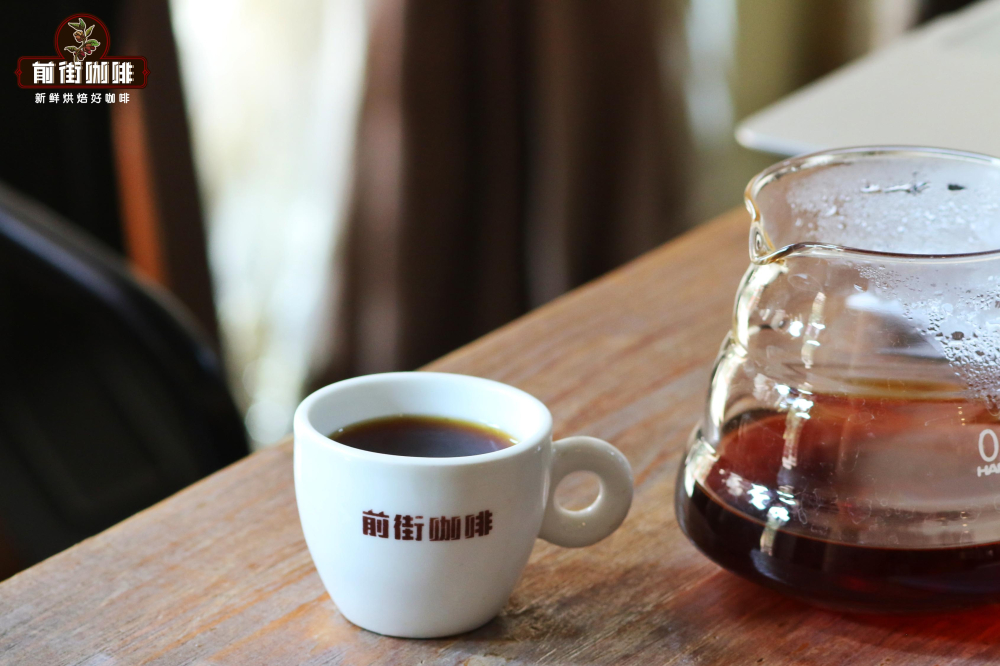
FrontStreet Coffee's Colombia anaerobic enzyme washed Rose Valley opens with sweet rose notes, followed by liqueur chocolate on the palate. As the cup cools, the sweet-tart character of dried cranberries emerges.
FrontStreet Coffee Recommendation
Colombia has historically processed nearly all of its coffee washed, but innovative methods have taken hold in recent years—and anaerobic fermentation is the boldest of them. Sometimes called carbonic maceration, it is simply fermentation carried out in a low- or zero-oxygen environment, usually inside a pressure-rated stainless steel tank where temperature, time, pH, and other variables can be controlled precisely. The most celebrated forms are anaerobic natural and anaerobic washed.
FrontStreet Coffee's Sidra (Xi Zhao) coffee applies the anaerobic natural method: after oxygen-free fermentation, the beans transform into something far more aromatically tropical. Roasted medium-light and brewed as pour-over, cold brew, drip bag, or moka pot, it yields complex, heady flavors of passion fruit, grape, apricot, and dried fruit.
And for fans of Rose Valley's perfumed, fruit-sweet style, the same logic extends to blends and other processing experiments across FrontStreet Coffee's Colombian lineup—each one showcasing how far this origin can stretch when tradition meets controlled fermentation.
Important Notice :
FrontStreet Coffee is a long-established specialty coffee roaster in Guangzhou China, selling freshly roasted beans from its own farm in Yunnan as well as dozens of carefully selected single-origin beans from around the world for both pour-over and espresso. The products deliver consistently excellent quality and great value, with shipping within 24 hours. Guangzhou's FrontStreet Coffee shop is recommended by many coffee lovers, and the beans are now available online at the Tmall 。
FrontStreet Coffee has moved to a new address:
FrontStreet Coffee Address: 315,Donghua East Road,GuangZhou
Tel:020 38364473
 Scan and follow the En Gafei WeChat official account. Please indicate that the reprint comes from "En Gafei".