What's the Difference Between Specialty Coffee and Coffee Cupping: Steps and Considerations for Coffee Cupping
In the world of coffee, two kinds of professionals define this unique product: the roaster and the barista. With fire, the roasting machine transforms dry green coffee into something entirely different. The barista, with knowledge and experience, brews the roasted beans, drawing out aromas in pour-over and building the perfect coffee beverage.
First of all, anyone can become a good taster. Second, the ideal tool for improving your coffee tasting map is something called cupping. FrontStreet Coffee knows many people have heard of wine tasting or tea tasting; today we are talking about coffee tasting.
What is Coffee Cupping?
One of the conditions for producing specialty coffee is cupping. Cupping is an independent activity carried out worldwide to evaluate the quality of coffee beans. Like wine tasting, it evaluates coffee from several angles: visual analysis, aroma, texture, and taste.
This method of evaluation also requires some tools, such as several sample roasters, grinders, special cups, electric kettles, water glasses, tasting spoons, and sometimes even colorimeters to determine the degree of roast.
In short, cupping is a way to truly understand a specific coffee. It ultimately gives you a thorough feel for and understanding of coffee from the green bean to the brewed cup.
As a barista or an avid coffee enthusiast, it is an experience worth noting and discussing in detail.
How Does Cupping Help?
Tasting coffee better, or tasting anything better, helps all of us understand what we consume every day.
Generally, cupping is carried out by roasters to determine bean quality, by cafe owners to select the best beans, and of course by baristas to better experience coffee and improve its taste.
It can be a unique way to build your knowledge of wine and coffee tasting, and it is the perfect way to pick your favorite beans.
So How Do You Cup Coffee?
As mentioned, cupping requires some tools, though having all of them is not mandatory. To keep it simple, here are only the most basic tools you need.
Quick tip: you need at least 3 different coffees for cupping, or at least the same coffee roasted 3 different ways.
Cupping Equipment:
- Cupping cups or glasses. Cupping vessels should be glass or ceramic, between 207-266 ml, with matching lids.
- Ground coffee. This should be slightly coarser than what is typically used for paper filter drip brewing. All coffee used should be ground to the same size.
- Water at 93°C/200°F. Use clean, odorless water, but not distilled or softened water. The ideal TDS (total dissolved solids) is 125-175 ppm, and it should not fall below 100 ppm or rise above 250 ppm.
- Timer. It is very important that the coffee grounds do not brew for more than 5 minutes.
- Spoon. Some deep spoons will suffice.
- Warm water. This is really important. After each tasting, you must clean the spoon before the next one.
- Lids. Each cup needs a lid. You can use a small plate.
Cupping Preparation
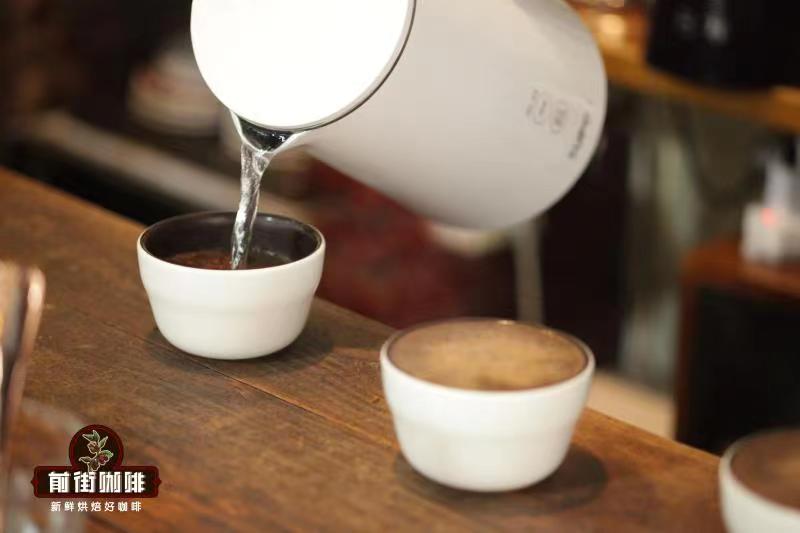
On the table, arrange the cups with coffee grounds in a row. Don't forget a slip of paper in front of each cup describing the coffee you are using, so you can better understand your preferences.
Next, place the glass of hot water for cleaning, then place the glass in the crust. Prepare the spoons and the timer.
Pour the coffee grounds into the cups. Carefully pour in the water and set the timer for a 4-minute brew. Place a lid on each cup.
After 4 minutes, break the crust and smell the top of the coffee. Try to remember that aroma to judge the coffee. Write down everything you notice.
Clean the crust and put it all into the designated glass. Now you can start the fun part: tasting.
Get a clean spoon. Take a spoonful and taste it. For the best experience, draw some air into your mouth through your tongue while the coffee is on your tongue. You are essentially extracting notes from the coffee.
Yes, it is loud, but this is the best way to find the notes.
For a truly thorough analysis, taste the coffee at its peak (around 5 minutes) and again at 10 and 15 minutes to see how it breaks down and how the notes change.
Be sure to take notes for each cup and rinse your mouth with cool fresh water between cups to keep your palate clean.
How to Taste Coffee Flavors
First, variety and processing method are key: washed and naturally processed coffees have very different taste profiles.
Now let's look at some main criteria and the correct way to describe them.
Taste. Used to assess the basic flavors noticed by the tongue. It can be defined as sweet, salty, sharp, nutty, buttery, spicy, woody, fruity, winey, astringent, honey-like, malty, velvety, and so on.
Body. Judged on mouthfeel. It can be described as weak, watery, full-bodied, rich, and so on.
Acidity describes the effect of fruit acids during tasting. These are characterized by bright, versatile qualities. It can be acidic, fruity, citrusy, and so on.
Flavor evaluates the range of aromas and their rhythmic interaction. This is done with the nose, which is why coffee is sniffed during cupping and spread throughout the mouth. It can be described as mild, intense, floral, earthy, roasted, smooth, creamy, sharp, ashy, smoky, medicinal, tobacco-like, fresh and lively, and so on.
Aftertaste tells you how long the coffee flavor stays in the mouth and whether it is pleasant.
Balance defines the interaction between all the criteria.
Most Common Positive Notes
Anyone can conclude what is good and what is unsatisfactory. But what are we looking for in a cup of coffee? Fresh flavors and aromas, of course.
Main notes and common notes found in cups: sweet, nutty, chocolatey, fruity, rich, fresh and smooth - all good things. Every cup of coffee should overall be good.
Mistakes happen from time to time, though. That is why cupping is done in the first place: to make sure the coffee does not carry bad flavors or off tastes.
What You Should Avoid
There is a coffee flavor wheel developed by the SCAA that you should read correctly. For example, when we talk about acidity, there are different types such as winey acidity, hard acidity, and rich acidity. Winey acidity can be a good sign in a cup; sourness is not.
Another good example is sweetness. It can be perceived in several ways: rich sweetness, crisp sweetness, cloying sweetness, and so on. Cloying sweetness is not a good sign, while crisp sweetness is.
For aromas, perceived through the nose, there are many ways to judge a cup. They can be enzymatic, including floral, fruity, and herbal aromas, or dry distillation, including spicy, resinous, and carbonized aromas.
Of course, if a cup smells like flowers, that is a good sign; if it smells like charcoal, it is not.
In summary, when doing coffee cupping, good coffee is easy to find. Flavors like pepper, sourness, pipe tobacco, and spiciness should be avoided.
Meanwhile, notes like vanilla, walnut, apricot, tea rose, and coffee flowers are good signs. Only good coffee produces such notes.
FrontStreet Coffee Recommendation
Cupping is all about comparing clean, expressive coffees side by side, and a V60 is the simplest way to brew them. FrontStreet's washed Gedingding Cooperative coffee from Yirgacheffe is a great addition to a cupping table: it has a clean, transparent cup with lemon and citrus acidity and elegant white florals, so differences between lots show up clearly.
For contrast, bring in a natural process. FrontStreet's Flower Queen brings prominent tropical strawberry, mango, and jackfruit aromas with low bitterness and a juicy body, which makes it easy to see how processing method changes flavor during cupping.
And if you want a benchmark for the top of the specialty scale, FrontStreet's Emerald Estate Red Label Geisha offers refined jasmine florals with citrus, bergamot, and black tea-like notes over a clean, transparent, long-finishing cup - the kind of layered coffee cupping is designed to reveal.
Important Notice :
FrontStreet Coffee is a long-established specialty coffee roaster in Guangzhou China, selling freshly roasted beans from its own farm in Yunnan as well as dozens of carefully selected single-origin beans from around the world for both pour-over and espresso. The products deliver consistently excellent quality and great value, with shipping within 24 hours. Guangzhou's FrontStreet Coffee shop is recommended by many coffee lovers, and the beans are now available online at the Tmall 。
FrontStreet Coffee has moved to a new address:
FrontStreet Coffee Address: 315,Donghua East Road,GuangZhou
Tel:020 38364473
 Scan and follow the En Gafei WeChat official account. Please indicate that the reprint comes from "En Gafei".