Should Coffee Beans Be Stored in the Refrigerator? The Science Behind Coffee Bean Freezing and How to Store Fresh Coffee Beans

"FrontStreet Coffee recently noticed a topic circulating in the discussion groups"
How do you store your coffee beans after buying them? In the refrigerator! We've seen plenty of coffee enthusiasts put their beans in the fridge. But won't the beans get damp in there? The refrigerator is dry! (So FrontStreet Coffee interviewed various coffee beans 🎤)

Why Freeze Coffee Beans?
First, we need to understand why beans are frozen at all.
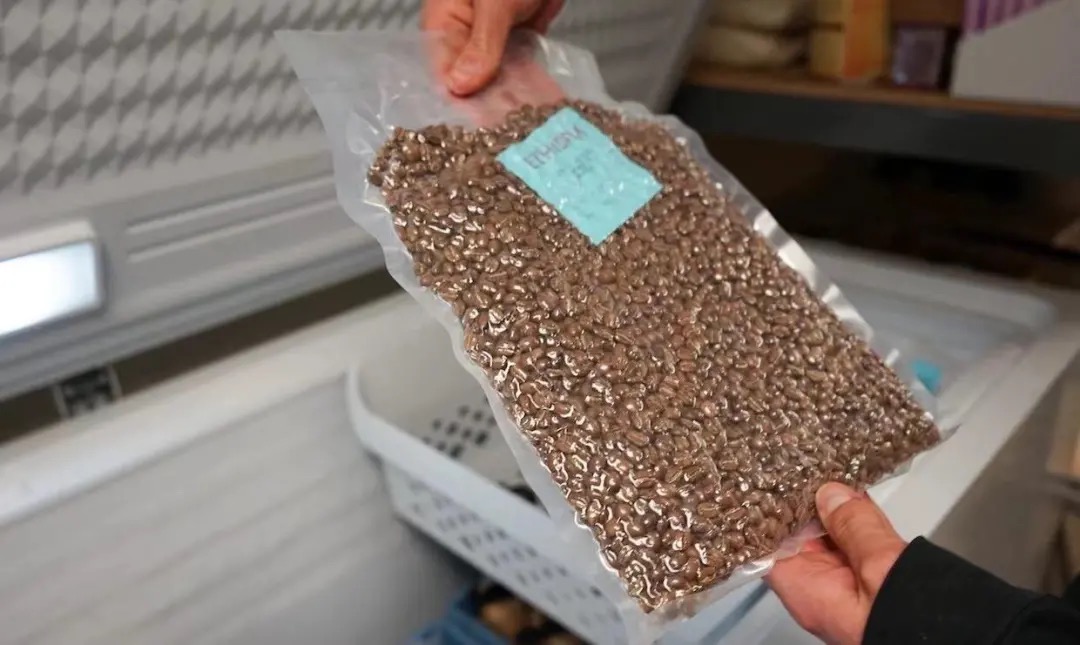
The purpose of freezing is preservation. Freezing is typically a method used by businesses that roast large quantities of beans to guarantee freshness. The freezing process dramatically slows the oxidation and metabolic rate of coffee beans, effectively "locking in" their flavor compounds. Research shows that frozen coffee beans can hold their flavor well for 2-3 months. But while freezing preserves flavor, the beans sit in a "pseudo-fresh" state: the flavor may be close, yet it can never quite match beans roasted just a few days ago.
(Illustration)
FrontStreet Coffee constantly emphasizes bean freshness. Freshly roasted beans reach their optimal flavor window from 4-30 days after roasting. Why 4 days? Freshly roasted beans carry a large amount of carbon dioxide internally, and the smoke generated during roasting leaves a smoky taste right out of the roaster.
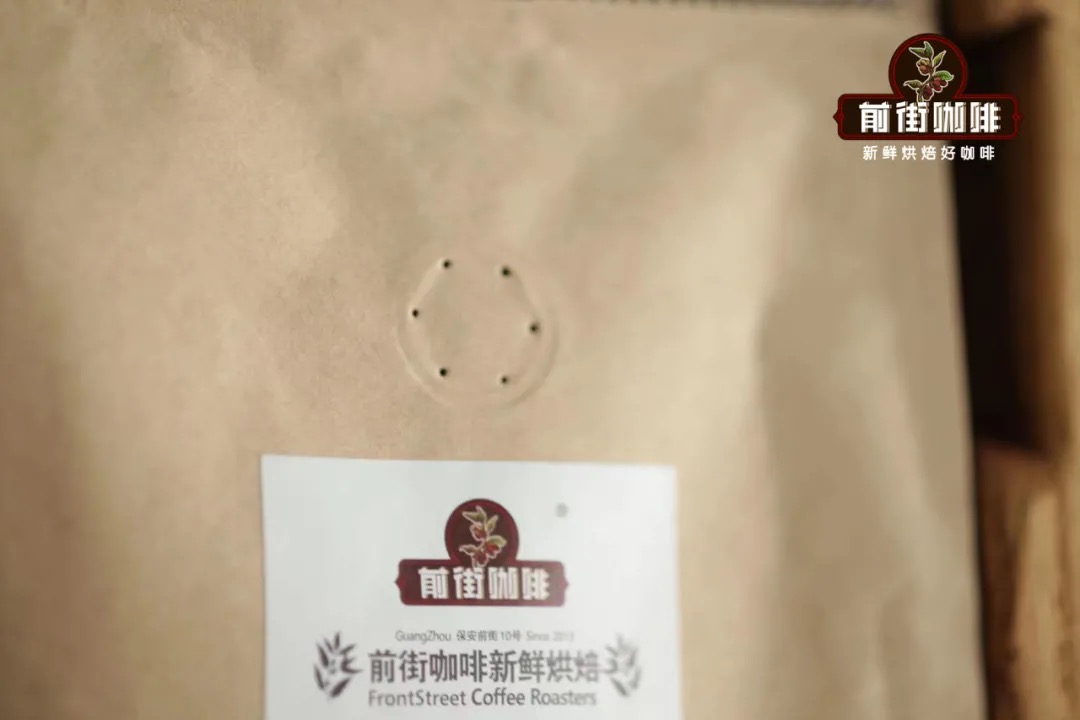
Over those 4 days, the beans naturally vent carbon dioxide through the one-way degassing valve, carrying the smoky taste with it. This is what we commonly call the resting period. Of course, resting time varies with roast degree and roasting approach — four days is considered the minimum.
Why Do Coffee Experts Freeze Coffee Beans?
To improve grinding quality and make the particles more uniform. Frozen coffee beans turn more brittle, and their oils are condensed. Ground in this state, the beans produce more uniform particles, reducing the share of overly coarse boulders and overly fine fines.
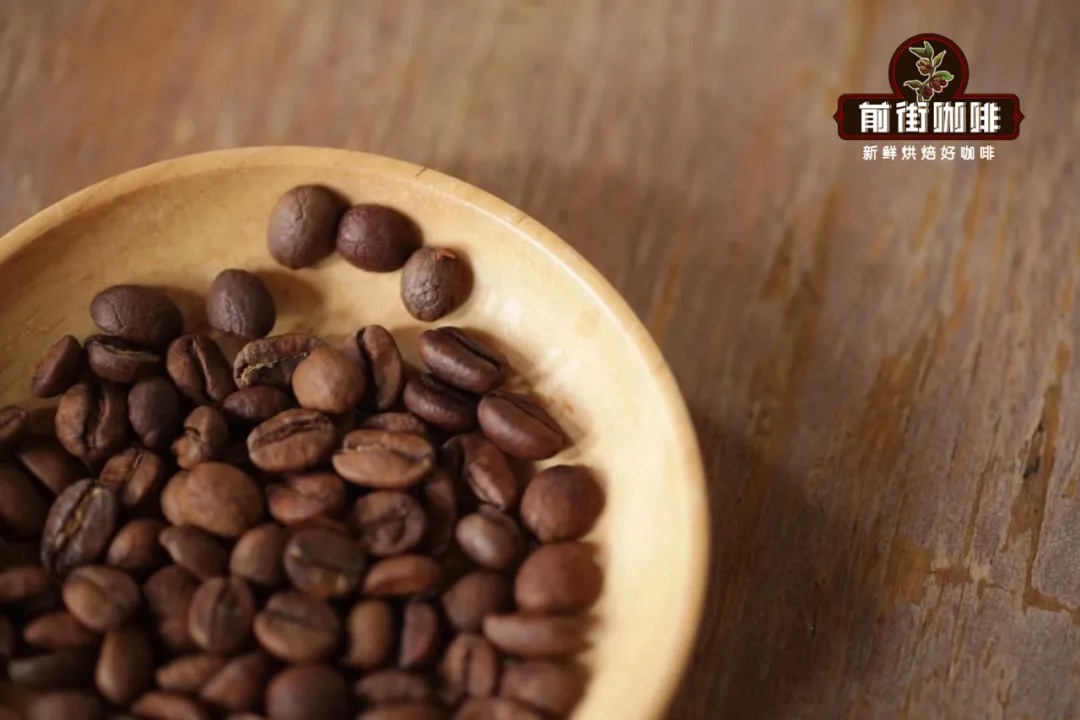
(Attention! This applies to frozen beans ground immediately upon removal. Once thawed, moisture condenses on the bean surface due to the temperature difference, which not only hurts grinding but also muddies the coffee's flavor expression.) Additionally, during brewing the water temperature needs adjusting, because the grounds start out colder than room temperature.
Can We Use This Method in Daily Brewing?
Should you freeze your beans daily to get more uniform particles? FrontStreet Coffee thinks it's unnecessary. First, frozen grinding demands very quick work: because of the huge temperature difference, frozen beans often start collecting moisture in under a minute as they return to room temperature.
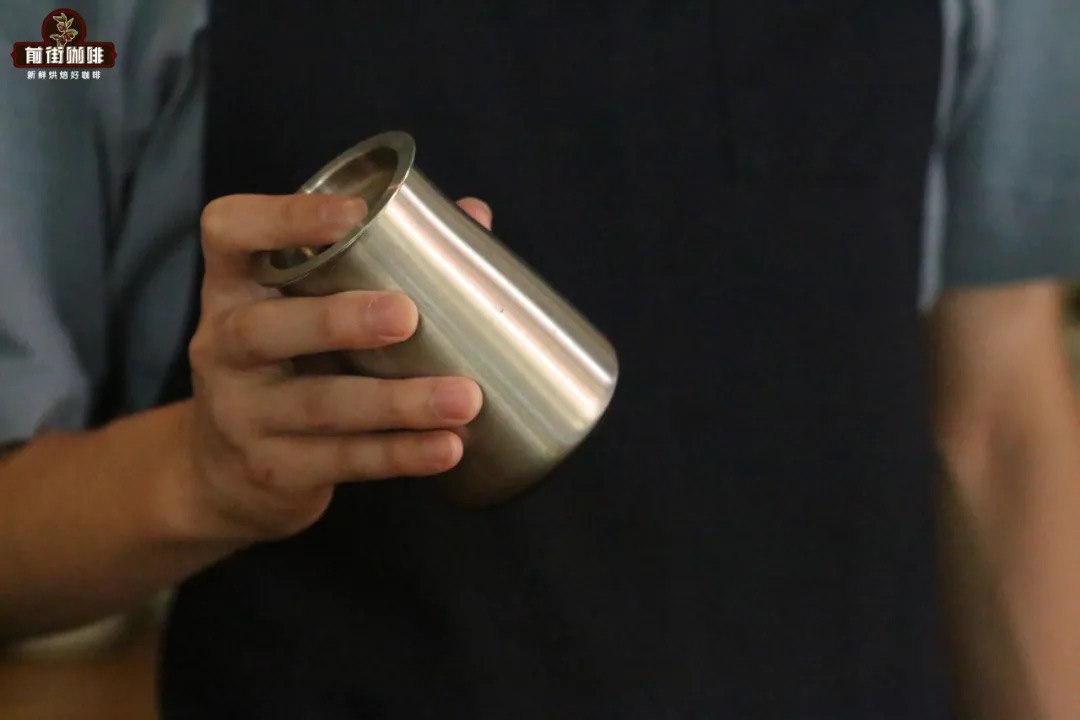
Second, equipment matters. If your beans grind unevenly in daily use, FrontStreet Coffee recommends upgrading to a higher-quality grinder. If your only problem is an excess of fines, consider buying a fines sifter to screen them out.
What Conditions Does Freezing Require?
Freezing coffee beans is not as simple as it sounds — tossing them in the refrigerator is not enough. After roasting, beans must be packed into separate bags, the air extracted, and the packaging sealed into a vacuum state before going into a freezer at -18°C to -21°C. Once frozen beans are thawed, they cannot be refrozen.

(Illustration)
FrontStreet Coffee has heard that many enthusiasts simply put the original bag into the fridge's fresh-keeping compartment. If opened beans are not properly sealed, the "colorful" odors of the refrigerator love to migrate into the bag — and coffee beans take an "all visitors welcome" attitude, absorbing everything completely. Grind and brew such beans, and the taste will make you question your life choices!
How to Store Coffee Beans Daily?
First, when buying beans, don't stockpile. Finish one package before buying the next. Store beans in a cool, dry place, since high temperatures accelerate flavor loss.

As for storage methods, keeping the original packaging is a good option. FrontStreet Coffee's bean bags all carry one-way degassing valves, which release gas from inside while keeping outside air from entering. But remember to seal the zip lock properly! Those with the means can also invest in vacuum-sealed containers for bean storage.
FrontStreet Coffee Recommendation: Medium-Roast Beans Worth Storing Properly
However well you store them, beans only reward you if they were worth storing — and FrontStreet Coffee's medium-roast lineup delivers balance for every palate. If you dislike both sourness and bitterness, the Brazil Queen Estate Yellow Bourbon offers a gentle, sweet cup with cream peanut, chocolate, toasted bread, and sugarcane notes, excellent as pour-over, moka pot, or espresso. Craving something fruitier? The Strawberry Candy Geisha blend marries a Costa Rica honey process with Panama washed Geisha, lightly roasted to show orange-blossom honey sweetness and a rounded, refreshing finish for cold brew, pour-over, or espresso. As China's specialty flagship, the 2013 Yunnan Natural Typica brings classic Yunnan small-bean character with nuts, brown sugar, black tea, and dried apricot at remarkable value. Order freshly roasted, rest them 4-30 days, and keep that zip lock sealed.
Important Notice :
FrontStreet Coffee is a long-established specialty coffee roaster in Guangzhou China, selling freshly roasted beans from its own farm in Yunnan as well as dozens of carefully selected single-origin beans from around the world for both pour-over and espresso. The products deliver consistently excellent quality and great value, with shipping within 24 hours. Guangzhou's FrontStreet Coffee shop is recommended by many coffee lovers, and the beans are now available online at the Tmall 。
FrontStreet Coffee has moved to a new address:
FrontStreet Coffee Address: 315,Donghua East Road,GuangZhou
Tel:020 38364473
 Scan and follow the En Gafei WeChat official account. Please indicate that the reprint comes from "En Gafei".