A Brief History of Madagascar Coffee: Unverified Organic Madagascar Coffee
Mention Madagascar and most people think first of the animated animal movies, but today FrontStreet Coffee is here to talk about its coffee. How did coffee reach the island in the first place? Does it play an important role in Malagasy society? And what makes the country's coffee culture distinctive?
Madagascar is an island nation in the Indian Ocean and the fourth-largest island in the world. It split away from the Indian subcontinent 88 million years ago, allowing its plants and animals to evolve in relative isolation: more than 90% of its wildlife exists nowhere else on Earth.
One thing you can now be certain to find there is coffee. For Malagasy people, coffee is a way of life, a genuine national obsession. They are devoted both to producing and to drinking the world's most popular caffeinated beverage.
A Brief History of Malagasy Coffee
Coffee first arrived on Madagascar's neighboring island, Reunion, once known as Bourbon. That coffee came from Ethiopia and enjoyed some success before declining rapidly. Like any hardworking farmers, the Reunion Creoles carried the plants on to Madagascar and continued producing coffee there.
French colonizers arrived in Madagascar in 1895, however, and quickly took control of coffee production. Colonial policy made coffee the island's main export by the 1930s. One side effect was that it unintentionally encouraged small-scale production by local Malagasy farmers.
Then, in 1947, an uprising over resources between French Reunion Creoles and native Malagasy nationalists produced one of the bloodiest episodes in French colonial history. The conflict between the two sides left deep scars in Malagasy society.
Madagascar gained independence in 1960, and until the 1980s it ranked among the world's largest coffee exporters. During that period Madagascar was the world's eighth-largest coffee producer.
Alongside coffee, cloves, vanilla and rice were exported as well, much of it subsistence agriculture. Farmers mainly grew what they could feed their families with and sold the surplus at local markets.
The Coffee Itself
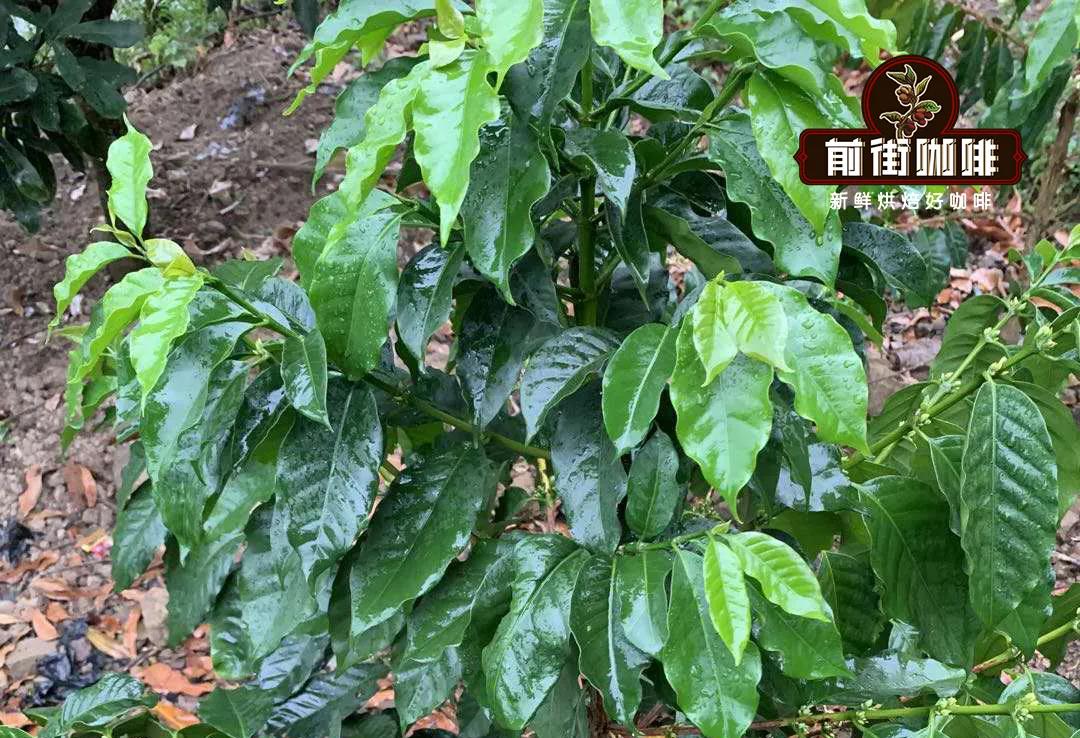
The coffee grown in Madagascar has changed over time. In the past the country mainly produced lower-grade robusta, but high-quality arabica has been on the rise. About 90% of Madagascar's coffee is still robusta, with arabica now accounting for the remaining 10%.
The robusta exported from Madagascar is now considered high quality. Most of it goes to France.
Robusta grows in the country's tropical regions at elevations of 100-300m, in the Vatovavy-Fitovivany region, around Antalaha, along the east coast near Toamasina, and also near Nosy Be and along the Sambirano River in the northwest near Ambanja.
Arabica, by contrast, grows in the highlands, in Antananarivo province, and in the high-altitude areas near Lake Alaotra.
Producing Coffee
Family-owned small farms dominate in Madagascar, and these farmers invest the time and effort needed to ensure quality. The cherries are hand-picked, washed and sun-dried.
Most crops here, coffee included, are grown organically, as they have been for hundreds of years, though without certification. Through intercropping and a reliance on natural wild fertilizers, these farmers keep coffee growing as healthily as possible. That in turn encourages biodiversity and the continued use of wild pest control, which minimizes pollution of the natural environment.
Madagascar's success in exporting other quality crops such as vanilla has created optimism that its arabica beans will make an impression on the international specialty coffee market. In 2017, Madagascar exported 1,600 tons of prepared vanilla worth over $680 million, and coffee may one day reach similarly impressive numbers.
FrontStreet Coffee Recommendation
Madagascar's coffee industry is small but distinctive, and if the island's story has you curious about other African origins, FrontStreet Coffee's Ethiopian lineup is a good place to continue. The everyday washed Yirgacheffe is the most approachable starting point: grown in southern Ethiopia between 1,700 and 2,100 meters, it brings white jasmine, bright citrus and lemon acidity, and a clean tea-like finish that recalls a well-made lemon tea. For a more traceable single-origin lot, the FrontStreet washed Gedeb cooperative coffee is grown in the Worka area at the southeastern edge of Yirgacheffe. It was once part of the larger Worka cooperative under the YCFCU and now stands alone as a single-origin lot, showing citrus and lemon acidity with elegant white florals and no bitterness.
If you prefer natural processing, the FrontStreet Red Cherry lot is made only from fully ripe fruit, sun-dried on raised beds for two weeks until the moisture content falls to about 12%, then hulled, density-graded and color-sorted before a final hand inspection. Its flavor runs to peach, cocoa, honey and lemon, all wrapped in the dense fruit aroma that natural processing is known for. For something more savory and layered, the FrontStreet Huakui comes from Hambella in the Guji zone of Sidamo, where whole cherries dry on raised beds for 21 days, turned constantly and hand-sorted every three to five days; the cup shows soft fermented-wine notes, floral and citrus aromas, mango, honeyed sweetness, cocoa, and a thick body. From the Indian Ocean to the Ethiopian highlands, African coffee is full of contrasts worth exploring one cup at a time.
Important Notice :
FrontStreet Coffee is a long-established specialty coffee roaster in Guangzhou China, selling freshly roasted beans from its own farm in Yunnan as well as dozens of carefully selected single-origin beans from around the world for both pour-over and espresso. The products deliver consistently excellent quality and great value, with shipping within 24 hours. Guangzhou's FrontStreet Coffee shop is recommended by many coffee lovers, and the beans are now available online at the Tmall 。
FrontStreet Coffee has moved to a new address:
FrontStreet Coffee Address: 315,Donghua East Road,GuangZhou
Tel:020 38364473
 Scan and follow the En Gafei WeChat official account. Please indicate that the reprint comes from "En Gafei".