Why Colombian Coffee is Popular and How It's Grown and Harvested
Colombian Coffee: A World-Favorite Brew
Every year Colombia ships millions of bags of superb coffee abroad. So why does the world have such a lasting romance with Colombian coffee? FrontStreet Coffee takes a look at how Colombia's near-perfect growing climate, paired with world-class Arabica, comes together in the cup.
Colombian coffee is famous for its balanced flavor and unmistakably smooth, rich aroma—qualities that help explain why the country has been exporting coffee for nearly 200 years, and why for most of that period coffee was its leading export. Geography plays a huge part. Coffee thrives in volcanic soil, at altitudes of 1,200 to 1,800 meters, in frost-free zones that receive roughly 80 inches of rain a year. Colombia ticks every one of those boxes.
Where Is Colombian Coffee Grown?
The heart of production is the "eje cafetero"—the Coffee Cultural Landscape—in the center of the country, spanning Caldas, Quindío, Risaralda, and northern Valle. But the coffee belt doesn't hog all the glory, because flavor shifts from region to region. Antioquia, Cundinamarca, Boyacá, and northern Tolima share conditions similar to the Coffee Cultural Landscape and enjoy harvests year-round. Beans from warmer, lower-lying northern areas—such as the Sierra Nevada de Santa Marta, Serranía del Perijá, Casanare, Santander, and Norte de Santander—show lower acidity and a fuller body. Meanwhile, coffee from the far south, in Nariño, Cauca, Huila, and southern Tolima, grows at higher altitudes closer to the equator, which drives acidity and sweetness upward. In short, Colombia has a bean for every palate.
What Makes Colombian Coffee Special?
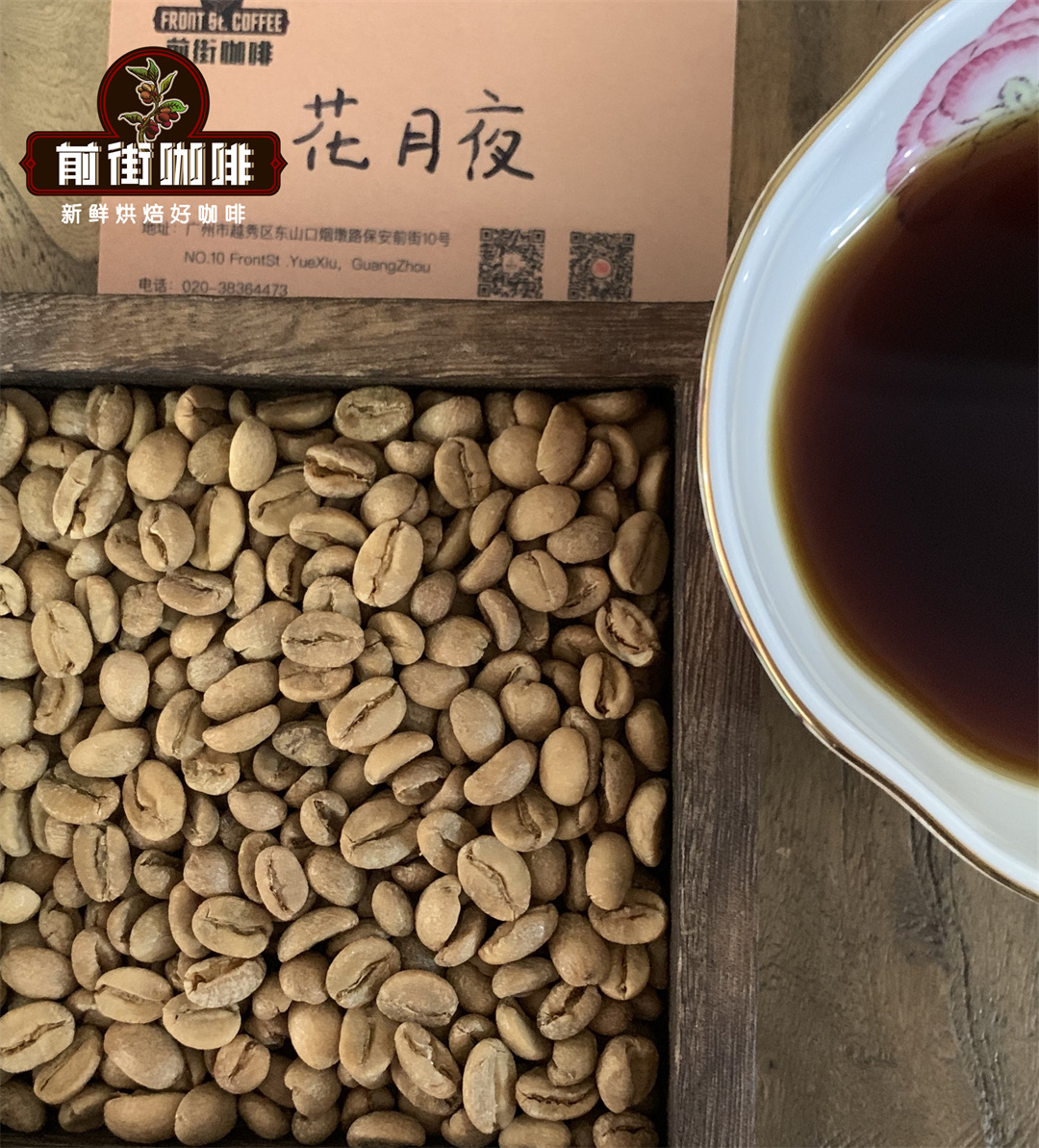
Variety choice is another key to its success. The world's two dominant coffee species are Arabica and Robusta, and most drinkers agree Arabica tastes best (perhaps a little biased—the clue is in the name, though Robusta is cheaper, hardier, higher in caffeine, and higher yielding). Colombian coffee is 100% Arabica.
How Is Colombian Coffee Grown and Harvested?
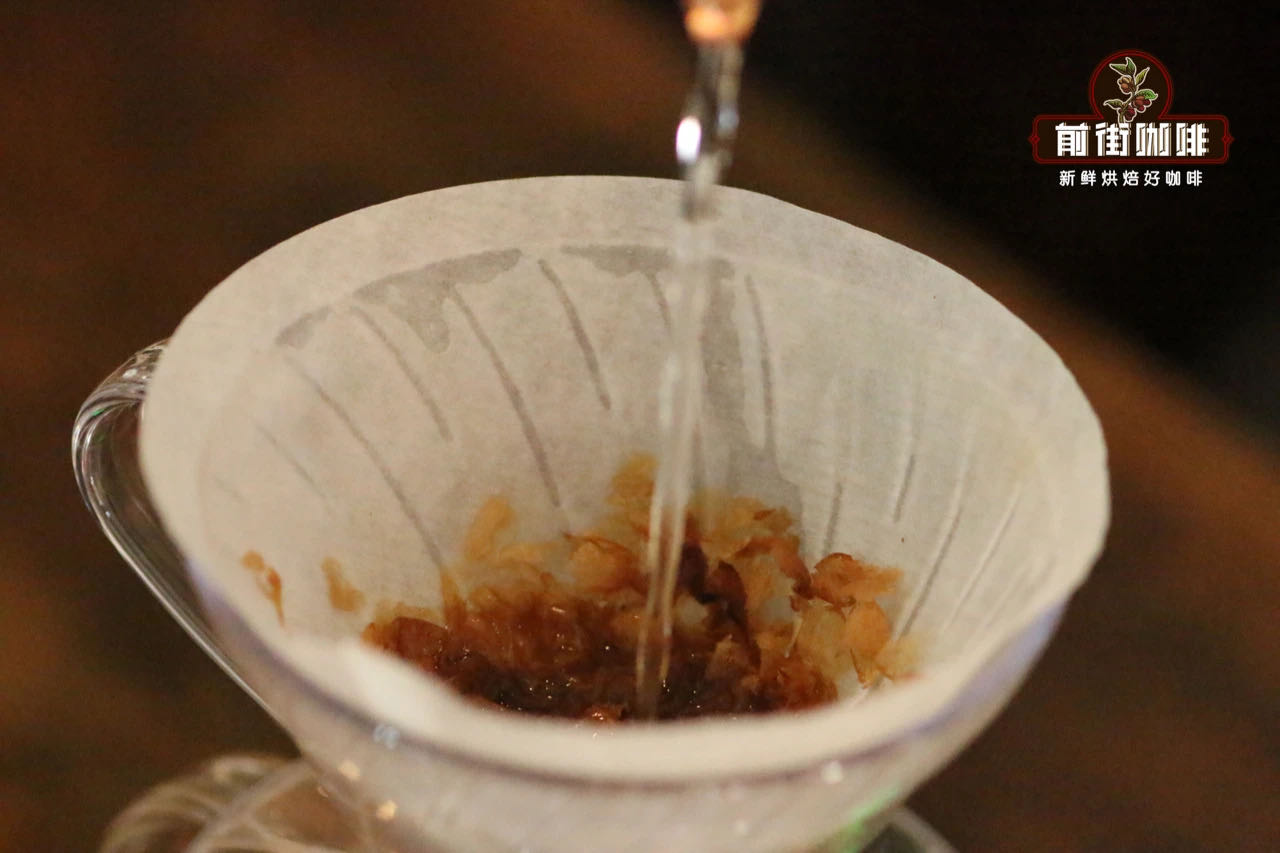
Harvesting technique matters just as much. Some producing countries favor strip picking—stripping every cherry from the branch at once, usually by machine. In mountainous Colombia, the norm is instead selective cherry picking: only fully ripe cherries are taken. Pickers work through each tree roughly every 10 days, and a skilled picker can gather up to 90 kilograms of ripe red cherries in a day—about 18 kilograms of finished green beans. All that effort is enough to make anyone thirsty. Time for a cup!
FrontStreet Coffee Recommendation
Colombian coffee is wonderfully versatile—it works as an espresso blend component, a single-origin pour-over, a fruity and acidic cup, or a full-bodied, aromatic brew. To get to know the country's most famous specialty region, start with the FrontStreet washed Huila: grown in the hill country of Huila province at altitudes above 1500 meters, where Colombia's most important rivers converge to supply abundant water. Roasted medium-dark, it highlights black chocolate and nutty sweetness with a moderate body—great in a French press, a moka pot, or an espresso machine for lattes and Americanos.
If you're curious about Colombia's newer experimental side, try the FrontStreet Linea (boundary) estate Sidra processed as an anaerobic natural. Anaerobic fermentation—fermentation in a sealed, low- or zero-oxygen pressure tank with controlled temperature, time, and pH—has become one of the country's signature innovations. Roasted medium-light, the Sidra pours passion fruit, grape, apricot, and dried-fruit complexity whether you brew it as pour-over, cold brew, or moka pot.
Important Notice :
FrontStreet Coffee is a long-established specialty coffee roaster in Guangzhou China, selling freshly roasted beans from its own farm in Yunnan as well as dozens of carefully selected single-origin beans from around the world for both pour-over and espresso. The products deliver consistently excellent quality and great value, with shipping within 24 hours. Guangzhou's FrontStreet Coffee shop is recommended by many coffee lovers, and the beans are now available online at the Tmall 。
FrontStreet Coffee has moved to a new address:
FrontStreet Coffee Address: 315,Donghua East Road,GuangZhou
Tel:020 38364473
 Scan and follow the En Gafei WeChat official account. Please indicate that the reprint comes from "En Gafei".