What are the uses of Robusta coffee? Why are Robusta beans notorious?
Understanding Robusta: Beyond the Unfair Reputation
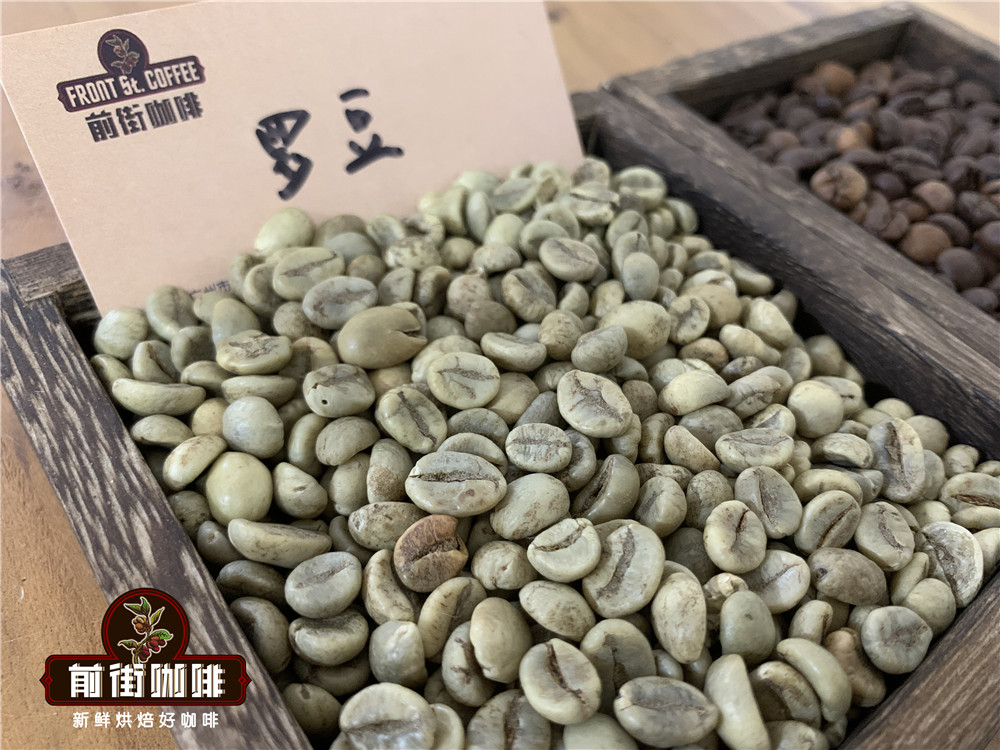
We often hear that Robusta is simply an unpleasant variety with exceptionally high caffeine, yet few people really dig into it. Why is it so heavily used despite its seemingly unappealing flavor? FrontStreet Coffee believes we need to understand the variety first.
Caffeine: Robusta's Natural Defense Against Pests
Besides Robusta, Arabica and Liberica are the two other widely commercialized coffee species. If we sort by cherry size, Liberica is "large-bean coffee," Robusta is "medium-bean coffee," and Arabica, with the smallest fruit, is "small-bean coffee." Among the three, Liberica has the lowest caffeine, Robusta the highest, and Arabica falls in between.
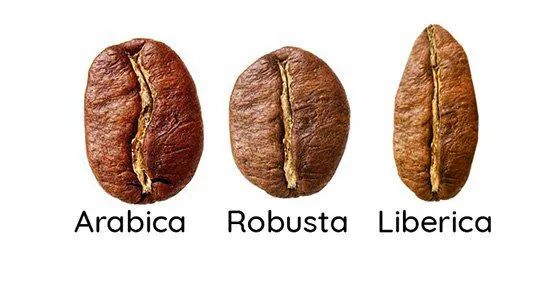
In the late nineteenth century, the coffee tree's natural enemy — leaf rust disease — caused widespread wilting and even death among Arabica plants. Farmers at the time tried solving the problem by planting Liberica, but its yield was too low and its heavy, strongly smoky flavor was not easily accepted, so it never gained much traction. Eventually they turned to Robusta.
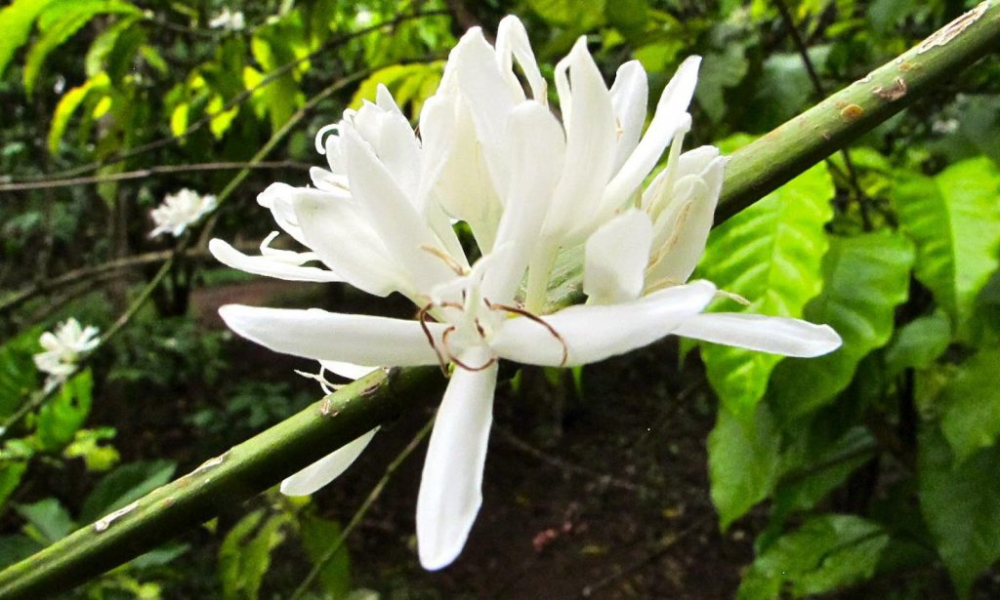
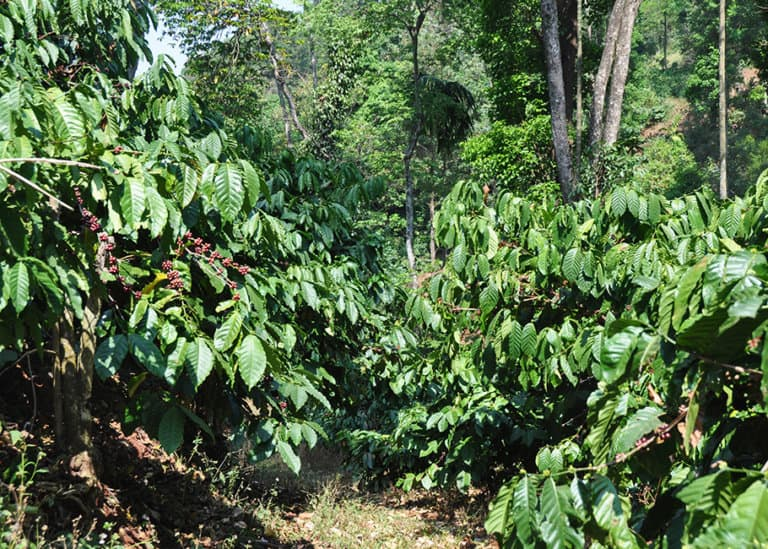
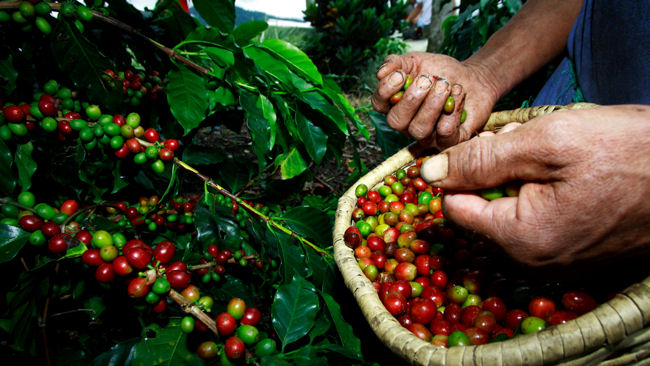
Robusta originated in the regions around Uganda and Congo in Africa. It shows strong resistance to pests and diseases, excellent adaptability to growing environments and rapid growth. From a cultivation standpoint, Robusta trees tolerate heat, cold, drought and humidity, with an extremely high survival rate. Its caffeine content is also high (1.7%-3.0%), roughly twice that of Arabica. Caffeine serves as the plant's natural pesticide, protecting Robusta from most insect damage. Robusta trees yield heavily, with fruit slightly rounder and smaller than Arabica cherries; the beans are oblate and round with a straight central crease.
Precisely because of Robusta's resilient vitality, high yield and rapid maturation, combined with strong environmental adaptability, it can generally be planted on low-altitude plains and managed mechanically with uniform harvesting. Production costs are therefore lower, making it more suitable for commercial mass production and naturally more affordable. Today it is grown in many countries, with Vietnam a major producer of Robusta beans.
Is All Robusta Inherently Unpleasant?
Robusta's poor standing in the coffee community comes mainly from its bitter taste and the absence of the fruity acidity found in Arabica. Analysis shows Robusta has very high chlorogenic acid content and relatively low sucrose. Chlorogenic acid is the source of bitterness in coffee, typically bringing mellow, deeper bitter notes along with flavors of walnut, peanut, hazelnut, barley tea and grain. When poorly processed it can also show strong earthy flavors and rubbery defects. And because growers do not invest much in management, mass-produced beans naturally get less attention and are mostly used as ingredients for commercial blends or instant coffee.
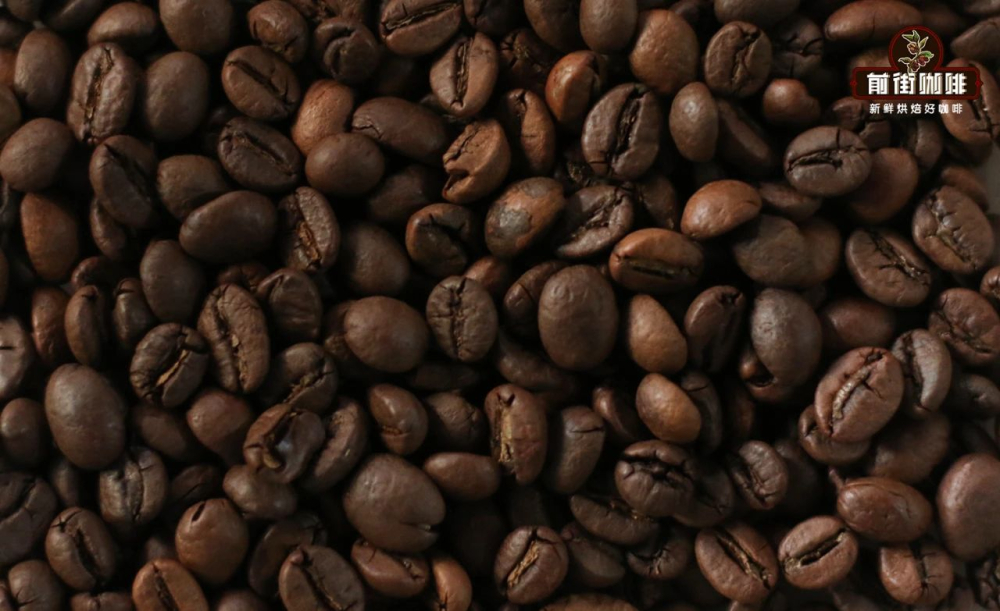
Although people now prefer Arabica, that does not mean Robusta is inherently bad — it only means Robusta's market acceptance is lower. Coffee flavor, as we all know, is not solely about variety; it is also shaped by regional climate, altitude and soil quality, and by post-harvest processing, roasting and brewing technique, all of which can change the flavor direction in our cups. In other words, with appropriate cultivation and processing, Robusta can also show positive flavors. India, for example, produces a Royal Robusta that, through meticulous cultivation and processing, delivers an extremely clean profile.
Proven Versatility: Robusta's Many Applications
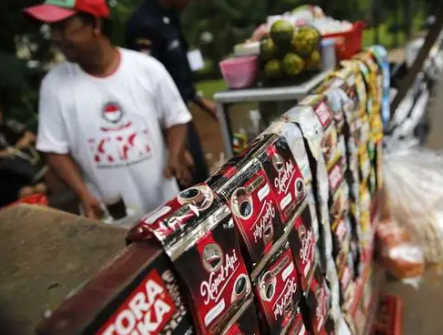
Because Robusta is easy to cultivate and survive, its low cost has become its greatest advantage, making it suitable for many commercial coffee products. Compared with freshly ground coffee, instant production means a significant loss of flavor, but its advantage is the ability to quickly restore a refreshing cup for our busy lives — making Robusta the perfect choice.
Deep-roasted Robusta beans accumulate substantial gas, which when extracted as espresso releases abundant crema. The solid flavor also gives the coffee more body. Traditional coffee flavor tends toward rich bitterness and body without much acidity, which aligns with the character of deep-roasted Robusta — this is also why Robusta continues to survive in the current specialty coffee era. Italians, for instance, add a certain proportion of Robusta when making espresso to enhance its "coffee flavor."
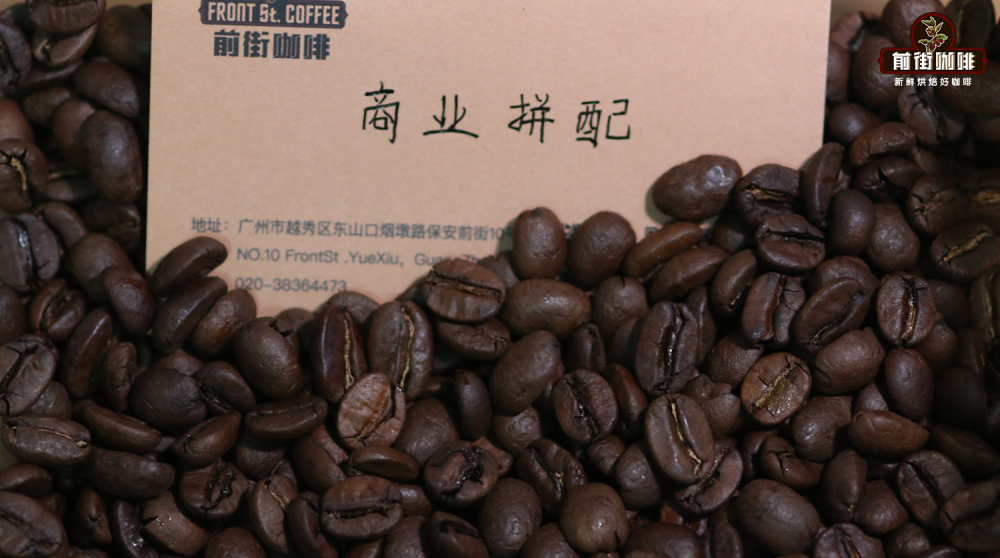
FrontStreet Coffee wanted one of its espresso blends to present rich, aromatic crema, so it added 10% washed Robusta, combined with Colombian washed coffee (30%) + Brazilian semi-dry processed coffee (60%) to create FrontStreet Coffee's commercial blend. The resulting espresso features abundant golden crema and nutty aromas. On the palate there's a burnt coffee bitterness, but it is accompanied by a creamy, full-bodied texture, and after swallowing the bitterness dissipates, leaving a pleasant aftertaste.
FrontStreet Coffee Recommendation
For drinkers who want the other end of the spectrum from Robusta's bitterness, FrontStreet Coffee's Huakui is a natural choice. Its variety is Ethiopia's most common local landrace; because it combines many unclassified coffee trees, the beans vary in size and carry a delicate floral note with especially prominent fruit aroma. Given the classic natural process, you taste creamy strawberry, mango, jackfruit, citrus and blueberry — the ripe tropical-fruit character unique to FrontStreet's sun-dried Sidamo beans, and the same opulent berry aroma that took first place at that year's TOO (Taste of Origin) green-bean competition. Huakui combines great flavor with an equally appealing price.
If Huakui represents natural Ethiopian Arabica, FrontStreet Coffee's Yirgacheffe from the Gediding cooperative is its washed counterpart. Yirgacheffe is an important member of the specialty Arabica world for its clean, translucent lemon-and-citrus character. Look closer and you'll find the town of Yirgacheffe is really many small villages, each building its own processing station — or cooperative — from the places around it; the station at Gediding village is called the Gediding cooperative. FrontStreet's Gediding beans are Ethiopia's highest grade, G1, given the classic washed process, showing elegant white florals, citrus, orange and green tea.
And for one of the true benchmarks of Arabica, FrontStreet Coffee's Panama Red Label Geisha is grown at the famous Esmeralda Estate in the Boquete hills of Chiriqui province, where fertile volcanic soil, ancient forest and year-round mist with abundant rain create exceptional growing conditions. The result is an opulent, elegant floral aroma with citrus, peach and complex ripe fruit acidity, a creamy, silky mouthfeel, and a finish of oolong-tea sweetness — a cup so refined it feels less like drinking coffee than tasting a fragrant fruit tea.
Important Notice :
FrontStreet Coffee is a long-established specialty coffee roaster in Guangzhou China, selling freshly roasted beans from its own farm in Yunnan as well as dozens of carefully selected single-origin beans from around the world for both pour-over and espresso. The products deliver consistently excellent quality and great value, with shipping within 24 hours. Guangzhou's FrontStreet Coffee shop is recommended by many coffee lovers, and the beans are now available online at the Tmall 。
FrontStreet Coffee has moved to a new address:
FrontStreet Coffee Address: 315,Donghua East Road,GuangZhou
Tel:020 38364473
 Scan and follow the En Gafei WeChat official account. Please indicate that the reprint comes from "En Gafei".