
How Beginners Can Learn to Make Coffee, How to Make Better Coffee at Home, Coffee Brewing Tips
Introduction to Home Coffee Brewing
Not everyone has the chance to go to coffee school and learn how to make a delicious cup of coffee. So FrontStreet Coffee is here with some of the best tips to sharpen your skills and help you make great coffee at home.
The Importance of Quality Ingredients
With only two ingredients in the cup, quality is everything. The first step is choosing the best coffee beans you can afford. But skip the grocery store's big bins of pre-ground coffee—what you need are whole coffee beans, which you can usually find at specialty coffee shops or high-end grocery stores.
Freshness is crucial. You might spend a little more, but the difference is noticeable. The closer the beans are to their roast date, the better. Coffee peaks within two weeks of its roast date, so try to drink it within about a week of purchase.
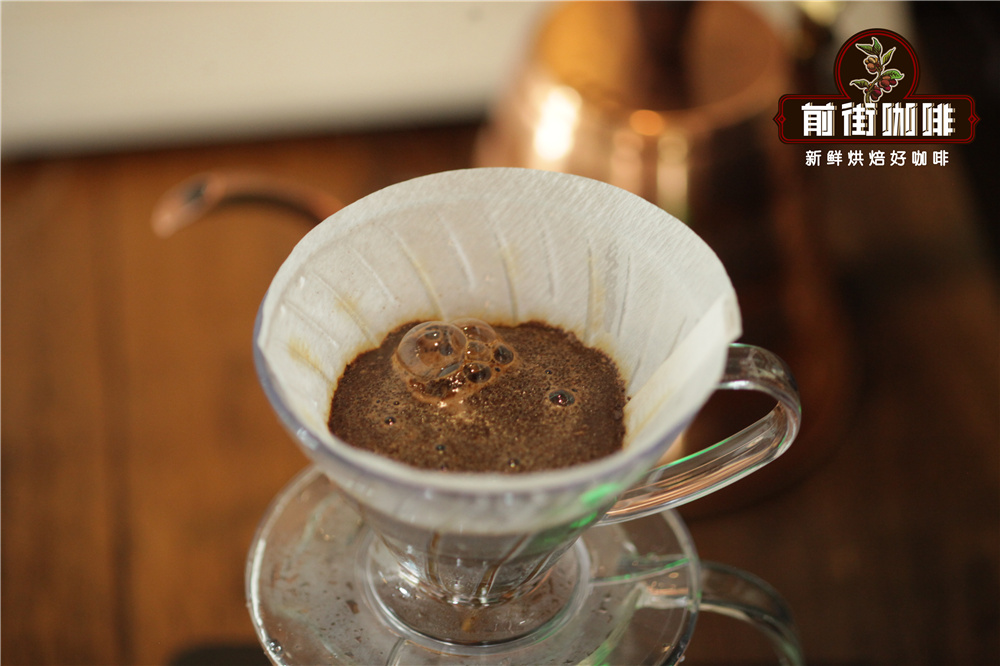
Proper Grinding Techniques
Coffee starts losing flavor almost the moment it's ground. Once you've found a source of freshly roasted beans, grind only what you need. And be sure to grind to the right consistency: too fine, and the water will take ages to drip through; not fine enough, and the water rushes through too fast to produce a delicious cup.
Storage Tips for Coffee Beans
One final note on beans: heat and moisture will ruin them. It sounds obvious, but never store coffee in the refrigerator or freezer, and keep it out of direct sunlight, which is just as damaging. A dark, sealed container at room temperature is what your beans want.
The Second Ingredient: Water
Don't forget the second ingredient in a good cup of coffee: water. If you can, ditch the tap water and use filtered spring water instead. Tap water carries all sorts of trace elements and cleaning agents, and while the effect on taste is subtle, it does make a difference.
Using the Right Brewing Techniques
You don't need to rush out and buy a full-featured coffee machine. Other methods work beautifully. Even without much equipment, if you want barista-level coffee at home, you can still brew something delicious with a small investment.
There are two families of brewing: immersion and pour-over. French presses are inexpensive and take about four minutes to brew. Simply scoop in the amount of coffee you want, fill with water, let it steep, then press the plunger down to separate the grounds.
Coffee Equipment Essentials
Grinder
Electric blade grinders are quick and easy, but they chop the beans unevenly. If at all possible, go for a burr grinder instead—it produces consistent results. The better the grinder, the better your coffee will taste.
Timer and Kitchen Scale
For immersion brewers, a timer isn't critical, but for pour-over methods you need to follow the correct timing as you pour. Plenty of brewing guides lay out the optimal pour-over schedule.
Whatever your method, the weight and ratio of coffee to water are essential for consistently good coffee. You need precise amounts of grounds and water, depending on how many cups you're making. Fortunately, digital scales are cheap—look for one that reads in 0.1-gram increments.
Filters
Depending on your brewing method, you'll need filters of various shapes. Whichever filter you choose, rinse it with water before use. That removes any chance of a paper taste sneaking into your cup.
Kettle
If you're pouring water by hand, try to get a gooseneck kettle. It's the best tool for distributing hot water evenly, and one with a built-in thermometer is even better.
Thermometer
Brewing water should always be slightly below boiling. Coffee extracts best into water between 195 and 205 degrees. If you don't have a thermometer, bring the water to a boil and let it sit for 30 seconds before you start brewing.
Final Tips
The last two handy tips: preheat your brewing equipment and your mug. And when you're done, clean everything thoroughly—old coffee residue can damage your gear and spoil future brews.
FrontStreet Coffee Recommendation
All the technique in the world still needs the right beans—and for balanced, beginner-friendly coffee, medium roast is the sweet spot: darker roasts lean bitter and heavy, lighter roasts lean sour and thin. A FrontStreet favorite at this roast level is the Brazil Queen Estate Yellow Bourbon, a distinctly Brazilian variety with a quiet, sweet cup—creamed peanut, chocolate, toasted bread, and sugarcane—that works both as pour-over and in a moka pot or espresso machine.
If you'd like a medium roast with more fruit, FrontStreet Coffee's Strawberry Candy Geisha Blend is the one to try. It marries two famous origins—honey-processed Costa Rica and washed Panama Geisha—and at a medium roast it shows orange-blossom honey notes alongside a rounded sweetness, whether you cold brew, pour over, or pull it as espresso.
For an everyday budget bean, FrontStreet 2013 Natural Typica carries the classic Yunnan small-bean character with soft notes of nuts, brown sugar, black tea, and dried apricot—great in a pour-over, cold brew, or drip machine. And if you want the classic benchmark, FrontStreet's Jamaica Blue Mountain No.1, grown from Typica, is roasted medium precisely so its acidity, bitterness, sweetness, and body fuse into that elegant, unmistakable cup of chocolate, roasted nuts, cream, and caramel.
Important Notice :
FrontStreet Coffee is a long-established specialty coffee roaster in Guangzhou China, selling freshly roasted beans from its own farm in Yunnan as well as dozens of carefully selected single-origin beans from around the world for both pour-over and espresso. The products deliver consistently excellent quality and great value, with shipping within 24 hours. Guangzhou's FrontStreet Coffee shop is recommended by many coffee lovers, and the beans are now available online at the Tmall 。
FrontStreet Coffee has moved to a new address:
FrontStreet Coffee Address: 315,Donghua East Road,GuangZhou
Tel:020 38364473
 Scan and follow the En Gafei WeChat official account. Please indicate that the reprint comes from "En Gafei".

