Which Tastes Better: Decaf Coffee or Regular Coffee? How is Decaf Coffee Made?
Coffee has become the world's third most popular beverage and an inseparable part of modern life. Some drink it for the stimulating kick, some for pure enjoyment, and for many it is simply habit. The idea of enjoying coffee without the jolt of caffeine sounds wonderful—and yet plenty of coffee lovers avoid the cup precisely because caffeine keeps them up at night, which is genuinely frustrating. That is exactly why decaffeinated, or low-caffeine, coffee has become a new favorite among these drinkers.
The Science Behind Coffee's Stimulating Effect
Coffee stimulates because of caffeine. With the chemical formula C8H10N4O2, caffeine is a xanthine alkaloid that acts as a central nervous system stimulant. It can temporarily banish drowsiness and restore alertness, and it is used clinically in coma resuscitation. Overconsumption, however, brings symptoms such as insomnia and heart palpitations.
Decaffeinated coffee has had nearly all of its caffeine removed. The roughly 3% that remains is barely detectable to most people. It is also called low-caffeine coffee because removing 100% of the caffeine is impossible. Low-caffeine coffee contains only trace amounts of caffeine—a cup must not exceed 5mg (a typical 236ml cup of regular coffee contains 50mg to 200mg). "Decaf" is simply the abbreviation. Low-caffeine does not mean caffeine-free, and standards vary by country: the U.S. Food and Drug Administration (FDA) requires a caffeine removal rate of no less than 97%, while the European Union requires 99.9%.
Even after most of the caffeine has been extracted, low-caffeine coffee retains a 2%-3% residue, meaning each cup of low-caffeine espresso still carries about 0-7 milligrams of caffeine. But compared with regular espresso, that amount has no effect on most people.
The Origin of Low-Caffeine Coffee
Historically, the first person to extract caffeine from coffee beans was Runge, though he pursued neither further research nor commercialization. The first to commercialize decaffeination was the German Ludwig Roselius, who invented a decaffeination method with his colleagues in 1903 and patented it in 1906. Because it used benzene as a solvent, however, that method is rarely used today.
The basic process is straightforward. In every case it starts with unroasted green beans, which are soaked or steamed through a series of solvents—typically along with a water bath—to draw out most of the caffeine.
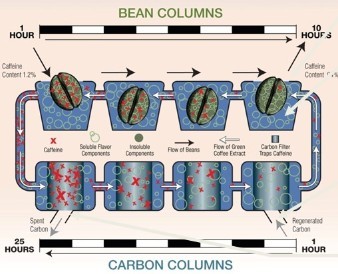
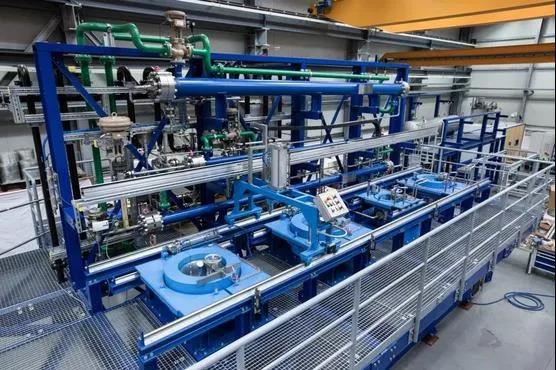
There are three methods for extracting caffeine from coffee: the Swiss Water Process, the direct solvent method, and high-pressure carbon dioxide extraction. The most widely used is the Swiss Water Process, a commercially developed, high-efficiency technique. Abbreviated SWP, it is called "Swiss Water" not because the water comes from Switzerland, but because it was first invented and successfully tested there before being adopted for commercial decaffeination worldwide. Today, most Swiss Water decaffeination is performed at a processing plant in Canada. The process targets green beans rather than roasted ones. The challenge is removing the caffeine without disturbing the other compounds in the bean—sugars, cellulose, proteins, citric acid, and fruit acids.
Swiss Water Process Steps
The Swiss Water Process works like this:
Green coffee beans are soaked in hot water—in this process, called "Flavor-charged Water." This water is saturated with the flavor compounds that should be present in green coffee, lacking only the caffeine. That special water is the most important medium in the whole procedure. Once the beans have been soaked, they are filtered out, and the flavor-charged water is passed through activated carbon to strip the caffeine, leaving hot water full of pure flavor factors. That purified hot water is then used to re-soak the beans so they can reabsorb their coffee flavor.
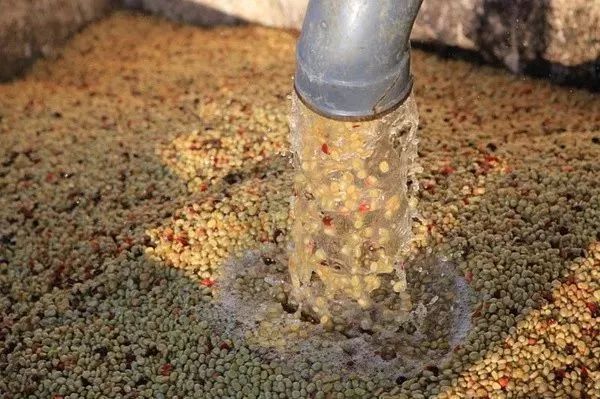
We often say that coffee flavor is closely tied to its processing method. Decaffeination does alter the bean's original flavor to some degree—but far less dramatically than one might expect.
FrontStreet Coffee's Decaffeinated Coffee
FrontStreet Coffee's decaf comes from Colombia, decaffeinated by the Swiss Water Process. Colombia lies in northwestern South America, bordering Venezuela and Brazil to the east, Ecuador and Peru to the south, connected to Panama to the northwest, with the Caribbean Sea to the north and the Pacific Ocean to the west. The country spans roughly 1.142 million square kilometers, fourth-largest in South America.
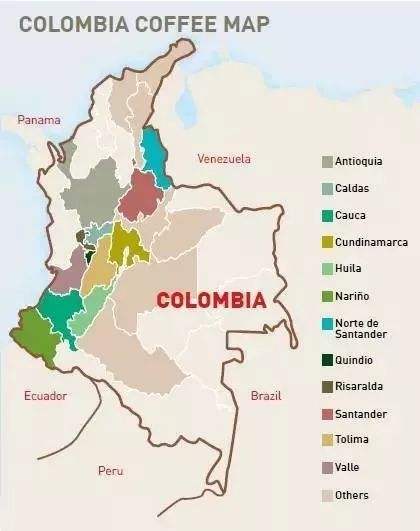
Colombia is the only South American country with coastlines on both the North Pacific and the Caribbean Sea. It has a predominantly tropical rainforest climate, rich natural resources, and a long history as an agricultural nation centered on coffee. The climate is mild and the air humid, and its diverse microclimates allow harvesting year-round, with different coffee types maturing at different times.
Colombian coffee is among the most representative varieties of the Arabica species: a rich, thick aroma, clear high-quality acidity, high balance, and sometimes a nutty note with an endless aftertaste. In both appearance and cup quality, Colombian coffee is considered superior.
Colombian Decaffeinated Coffee Bean Varieties
FrontStreet Coffee's decaf is built from three varieties: Typica, Caturra, and Castillo. Typica, one of the oldest Arabica varieties in the world, is beloved for its delicious sweetness, but its low per-unit yield has seen it replaced across Colombia by higher-yielding varieties. Caturra is a natural mutation of Bourbon—its flavor is comparable to, or slightly below, Bourbon beans—but its real strength is adaptability. It needs no shade trees, thrives in intense direct sunlight (hence the nickname "Sun Coffee"), and tolerates high-density planting.
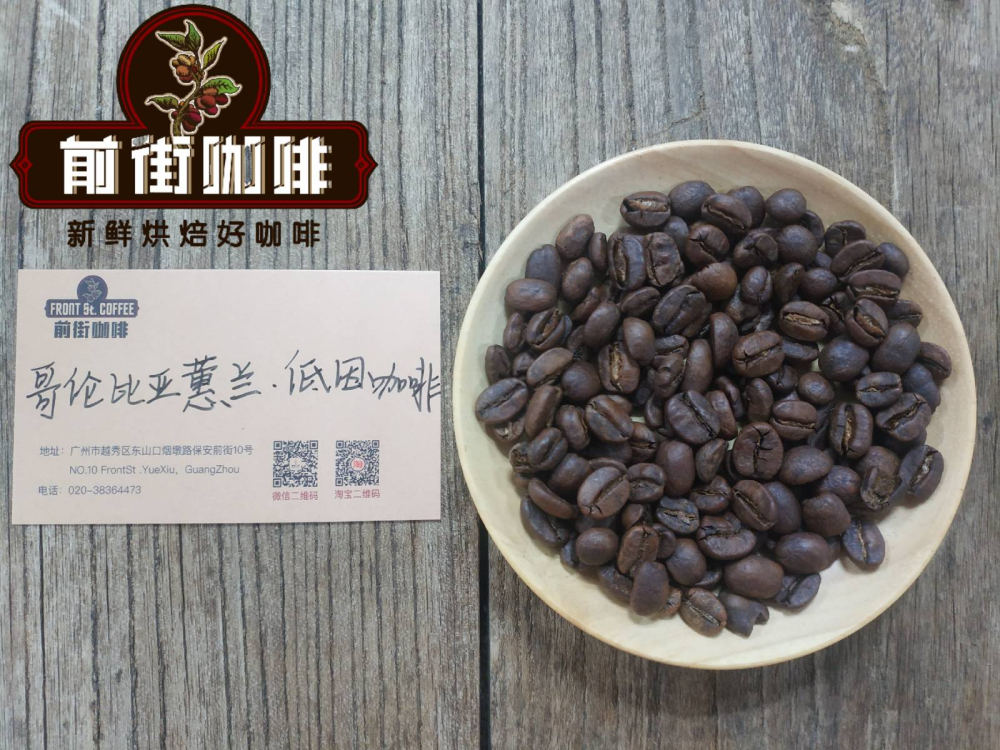
Castillo was developed from the Colombia variety, hybridized with Caturra through ten generations. The industry greeted it coolly at first, but recent years have brought market batches with elegant, delicate flavors.
What's the Difference Between Decaf and Regular Coffee?
The main difference is caffeine content: decaf carries a small amount, regular coffee considerably more. Decaf is usually made from beans with high fat content, while regular coffee uses traditional beans.
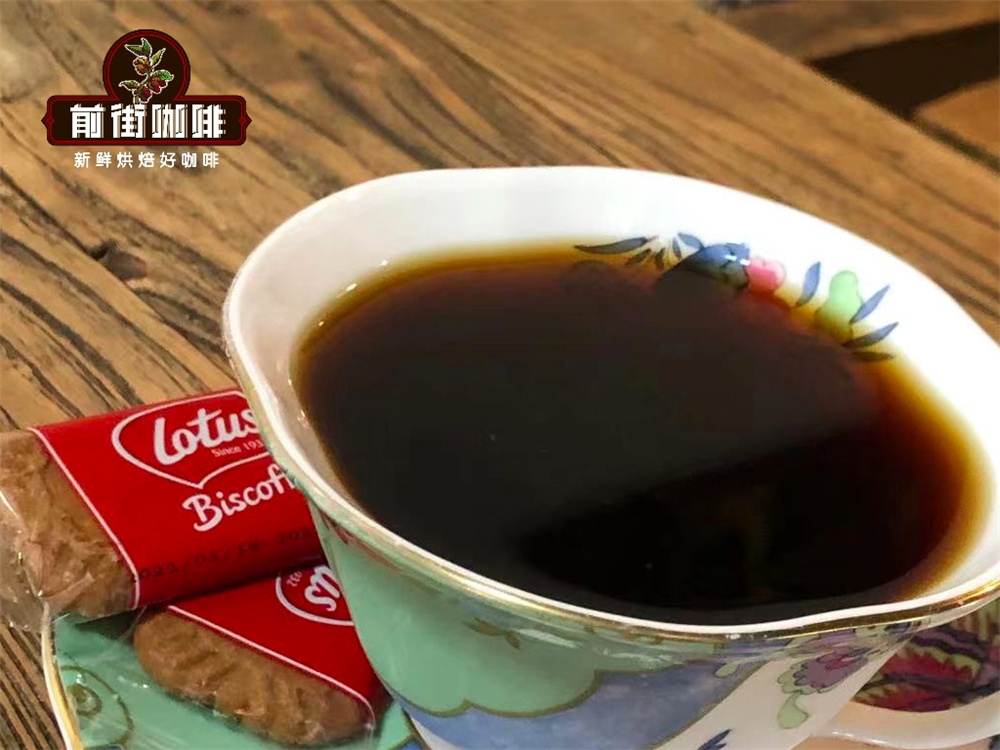
Beyond caffeine, there are other differences—chief among them taste. Decaffeination technique has improved to the point where most flavor and strength can be preserved, but a good deal of character still disappears in the process.
Many people who have tried low-caffeine coffee say it simply doesn't taste good. FrontStreet Coffee suspects the bean varieties are to blame. Producers of decaf often select raw material for high caffeine content (Robusta, for example)—so the beans may already taste mediocre before decaffeination even begins. As with any coffee on a café shelf, if the decaf starts from high-quality Arabica beans, it can still perform beautifully after treatment.
FrontStreet Coffee's Brewing Suggestions
To brew a delicious cup, freshness still matters. FrontStreet Coffee has always believed that bean freshness and coffee flavor go hand in hand, so every order ships within 5 days of roasting. The roasting philosophy is "freshly roasted good coffee," and since the beans' resting period runs about 4-7 days, customers receive their coffee right at its flavor peak.
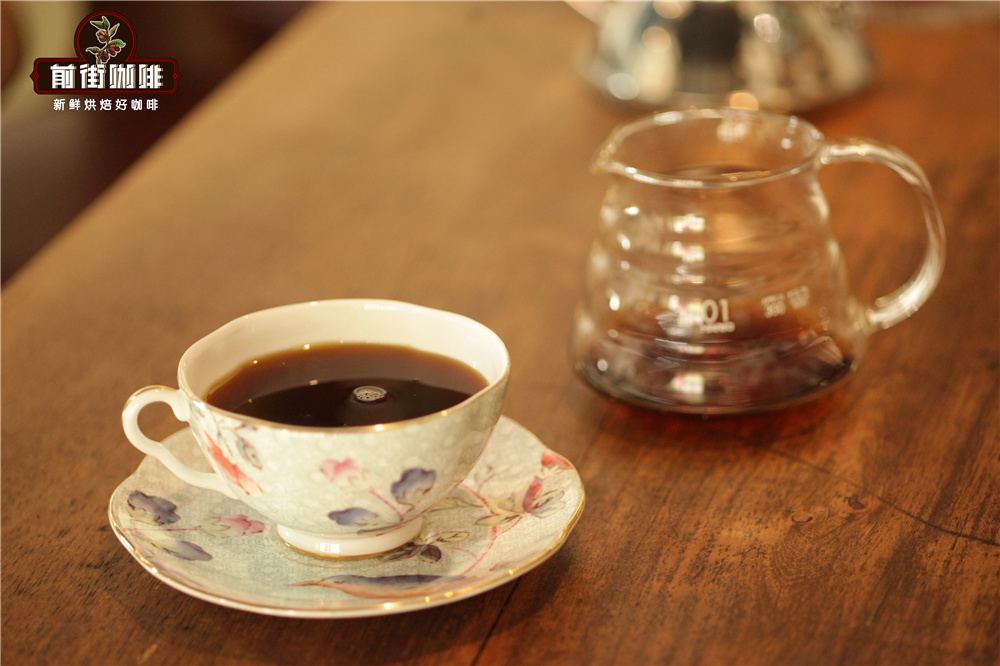
For customers who need pre-ground coffee, a friendly note: ground coffee doesn't need a resting period, because during shipping the pressure from carbon dioxide inside the packaging helps the flavor mellow—you can brew a cup the moment it arrives. But ground coffee should be brewed promptly: once exposed to air it oxidizes quickly, flavor dissipates faster, and the cup suffers. FrontStreet Coffee therefore recommends buying whole beans and grinding fresh for each brew.
FrontStreet Coffee's Low-Caffeine Coffee Brewing Parameters
KONO dripper, 88°C water temperature, 1:15 coffee-to-water ratio, 15g of coffee, grind size at 75% pass-through rate on a #20 standard sieve, three-stage extraction.

Using segmented extraction, bloom with twice the dose of water—30 grams for 30 seconds. Blooming lets the grounds release their trapped carbon dioxide, stabilizing the extraction that follows. With a small water flow, pour in circles up to 125 grams, then continue to 225 grams and stop. Remove the dripper once the water has fully drained. Counting from the first pour, the extraction time is 2'00". Then give the full cup a gentle swirl to even it out before pouring to taste.
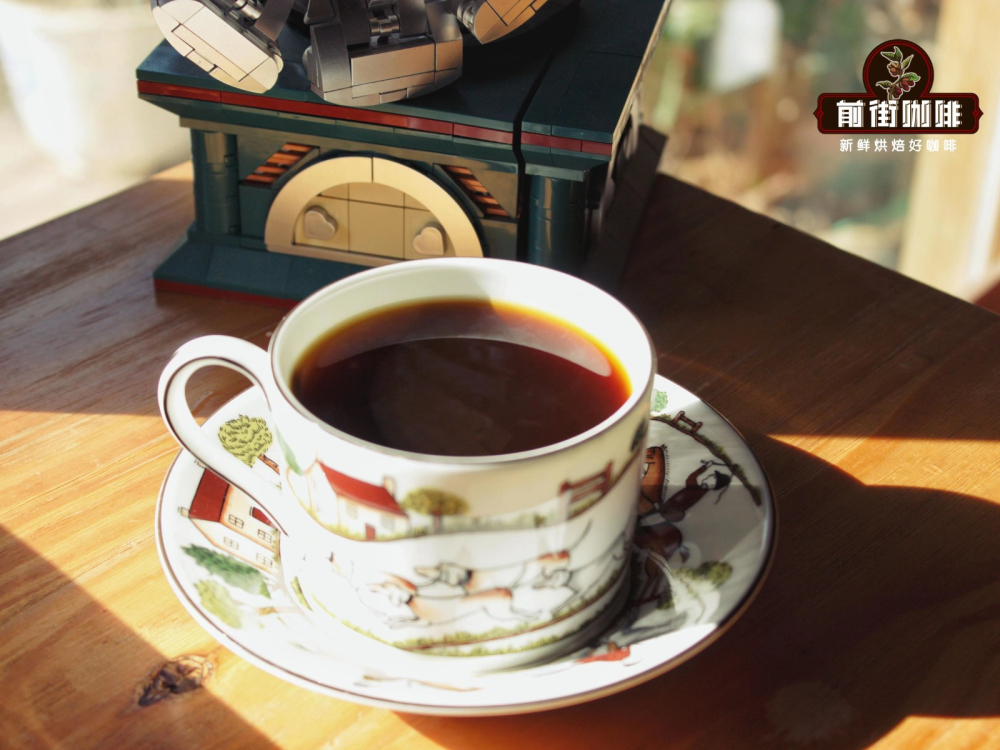
FrontStreet Coffee's Colombian Swiss Water Process decaf shows dark chocolate, caramel, and nuts in the brew, with a rich, mellow mouthfeel.
Low-caffeine coffee typically contains similar levels of antioxidants as regular coffee—antioxidant benefits without the sleepless night, an advantage regular coffee can't claim. That makes decaf a natural second choice for many people. Still, decaf is aimed at those with caffeine intolerance, and it does contain small amounts of caffeine, so moderation applies. FrontStreet Coffee believes that whether it's decaf, low-caffeine, or regular coffee, none should be drunk in excess—everything has its limit, and past it, the body pays.
FrontStreet Coffee Recommendation
Choosing a low-caffeine pour-over bean is simpler than it sounds: skip Robusta and stick to Arabica. As the backbone of the world's coffee supply, Arabica grows at 800-2200 meters in frost-free highlands, where greater day-night temperature swings slow the cherries' ripening and help the beans accumulate flavor compounds—building more solid aromatics. Each origin's unique microclimate then adds its own regional signature.
For decaf drinkers who love a classic, comforting profile, FrontStreet Coffee's washed Huila is a superb pick: black chocolate, cream, hazelnut, and toffee. Huila is Colombia's most famous coffee region, with altitudes above 1800 meters and a terroir ideally suited to coffee. The beans are plump and consistent, with a distinctive richness—the cup carries sweetness within gentle acidity and low bitterness, and deeper roasting unlocks even more complex layers.
If you'd rather explore something fruitier alongside your decaf, the FrontStreet Coffee Yunnan small-bean coffee offers nutty, herbal, chocolate, and caramel notes with a light fruity acidity in the finish; a medium roast highlights its caramelized sweetness while keeping the cup soft, smooth, and pleasantly sweet on the aftertaste.
Important Notice :
FrontStreet Coffee is a long-established specialty coffee roaster in Guangzhou China, selling freshly roasted beans from its own farm in Yunnan as well as dozens of carefully selected single-origin beans from around the world for both pour-over and espresso. The products deliver consistently excellent quality and great value, with shipping within 24 hours. Guangzhou's FrontStreet Coffee shop is recommended by many coffee lovers, and the beans are now available online at the Tmall 。
FrontStreet Coffee has moved to a new address:
FrontStreet Coffee Address: 315,Donghua East Road,GuangZhou
Tel:020 38364473
 Scan and follow the En Gafei WeChat official account. Please indicate that the reprint comes from "En Gafei".