What Does Coffee Cleanliness Mean? Which Coffee Beans Have Better Cleanliness?
When it comes to first impressions of coffee, distinctive flavors tend to grab the most attention. Yet the cleanliness of a cup is every bit as important.
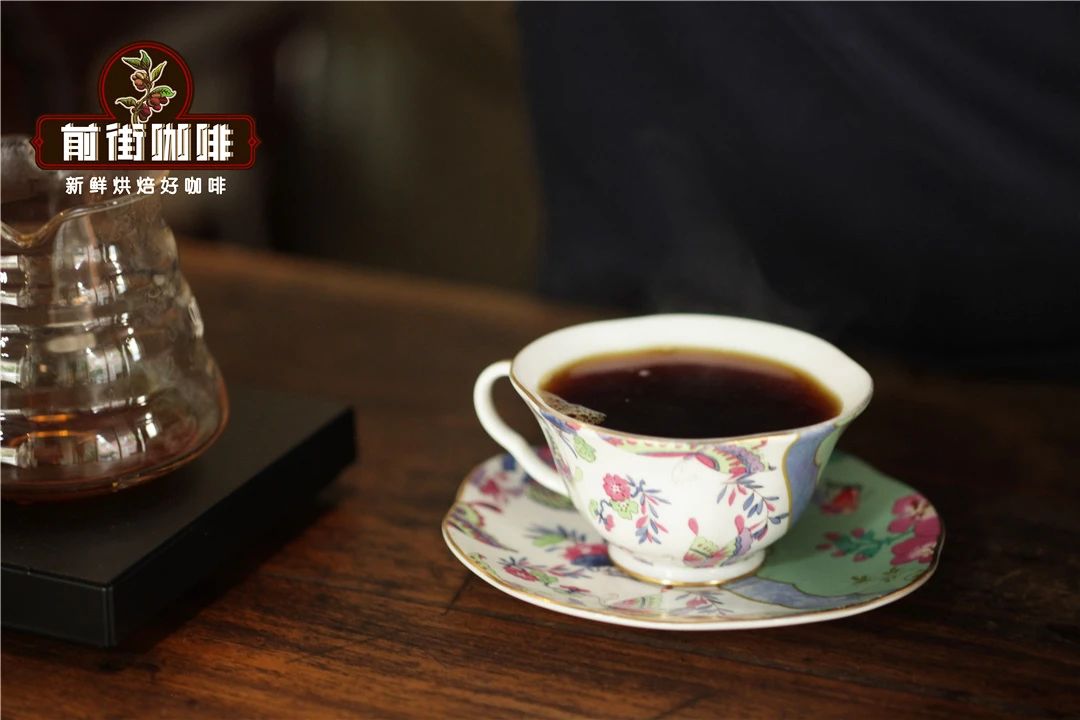
What Does Clean Coffee Mean?
According to FrontStreet Coffee, a clean coffee is one free of any off-flavors or defect notes — clear and pure. Off-flavors and defect notes generally refer to tastes that are universally considered undesirable. Imagine not wanting to encounter earthy, woody, or rubbery flavors in your cup.
Clarity and purity also mean the coffee is comfortable to drink and lets you perceive its flavors distinctly from the very first sip. Some coffees may show no defect flavors at all, yet their flavors are vague and hard to distinguish, leaving a cloudy impression — which likewise signals a lack of cleanliness.
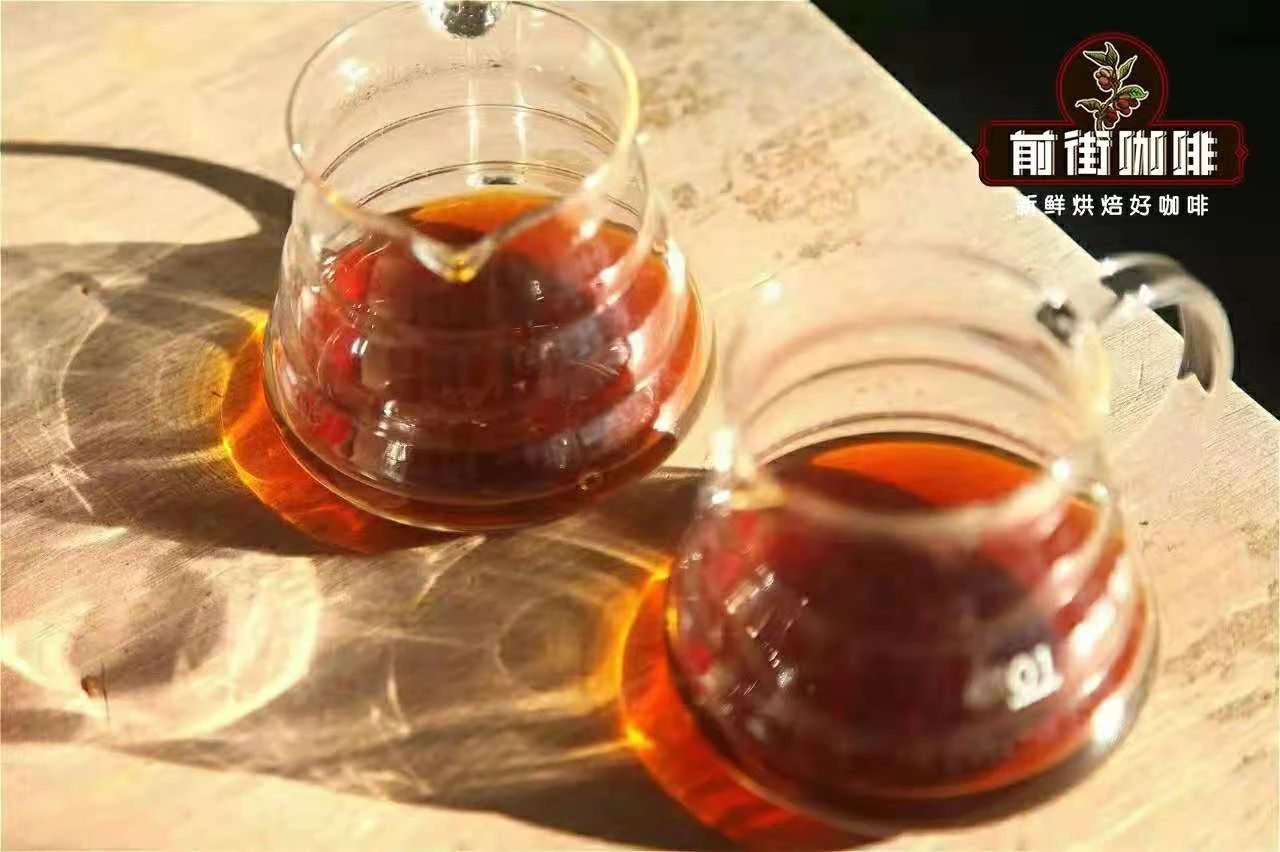
Is Cleanliness Related to Strength?
A notion circulates that weaker, lighter coffee generally shows better cleanliness. That may sometimes be true, but it is not entirely correct.
As mentioned above, clean coffee has no defects or off-flavors — it is clear and pure. From a cupping perspective, this tests the quality of the beans themselves: whether they were compromised by external contamination or human error during cultivation, harvesting, processing, or roasting.
Of course, beans you buy have already passed through layers of screening by green bean graders and roasters, so they are generally of solid quality. That means our attention should turn to the final step — brewing.
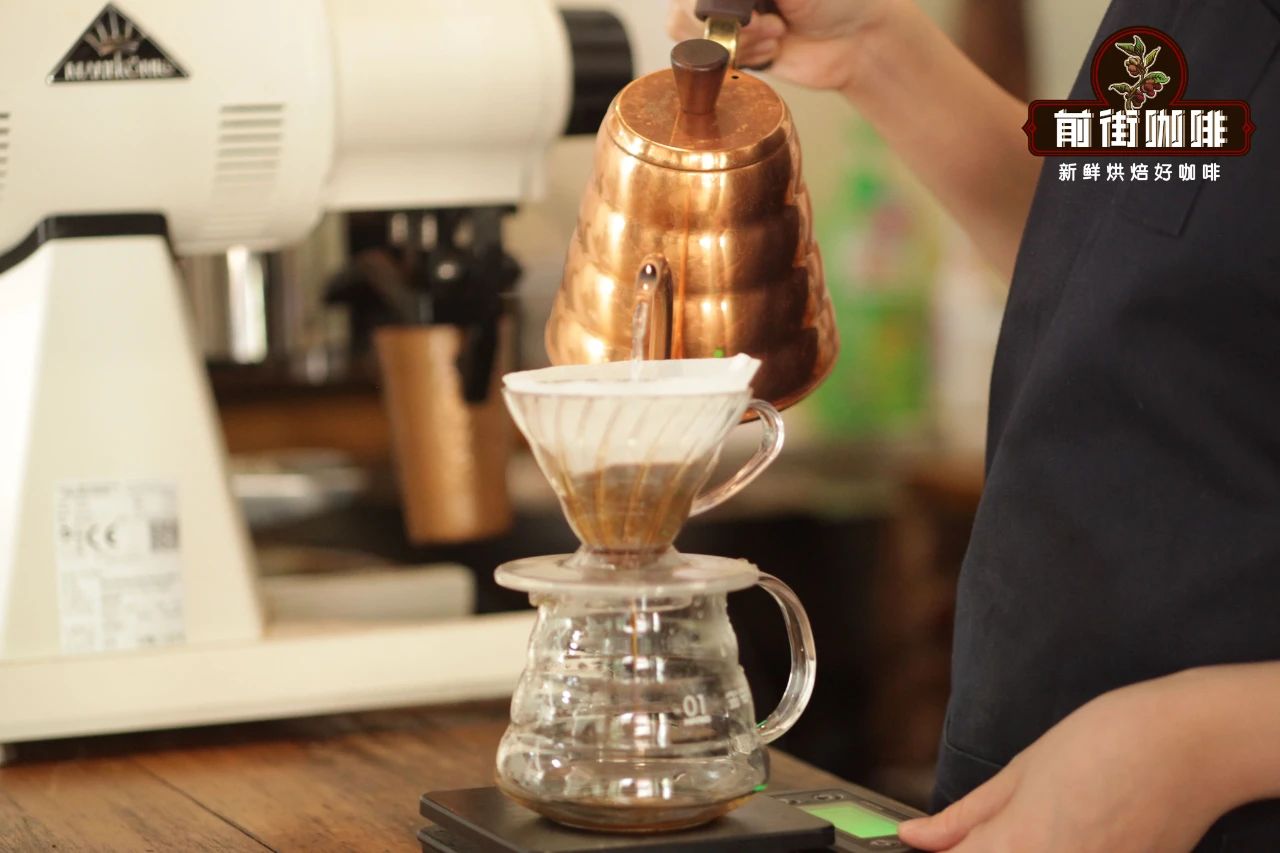
① Beans that are too fresh tend to carry a "roasted" flavor, which can hurt the cleanliness of the cup. Coffee that is no longer fresh will also drag cleanliness down.
② A common cause of cloudiness in brewed coffee is excessive agitation while pouring, or uneven grinding that produces too many fines, causing localized over-extraction and bitterness.
Brewing coffee at a lower strength can certainly make it seem cleaner. With a lower concentration there are fewer dissolved solids per unit volume, so some negative flavor compounds are proportionally reduced — which can "fool" our senses into perceiving a very clean cup. But it also weakens the flavors, leaving a watery impression, and that will not give you a pleasant coffee experience.
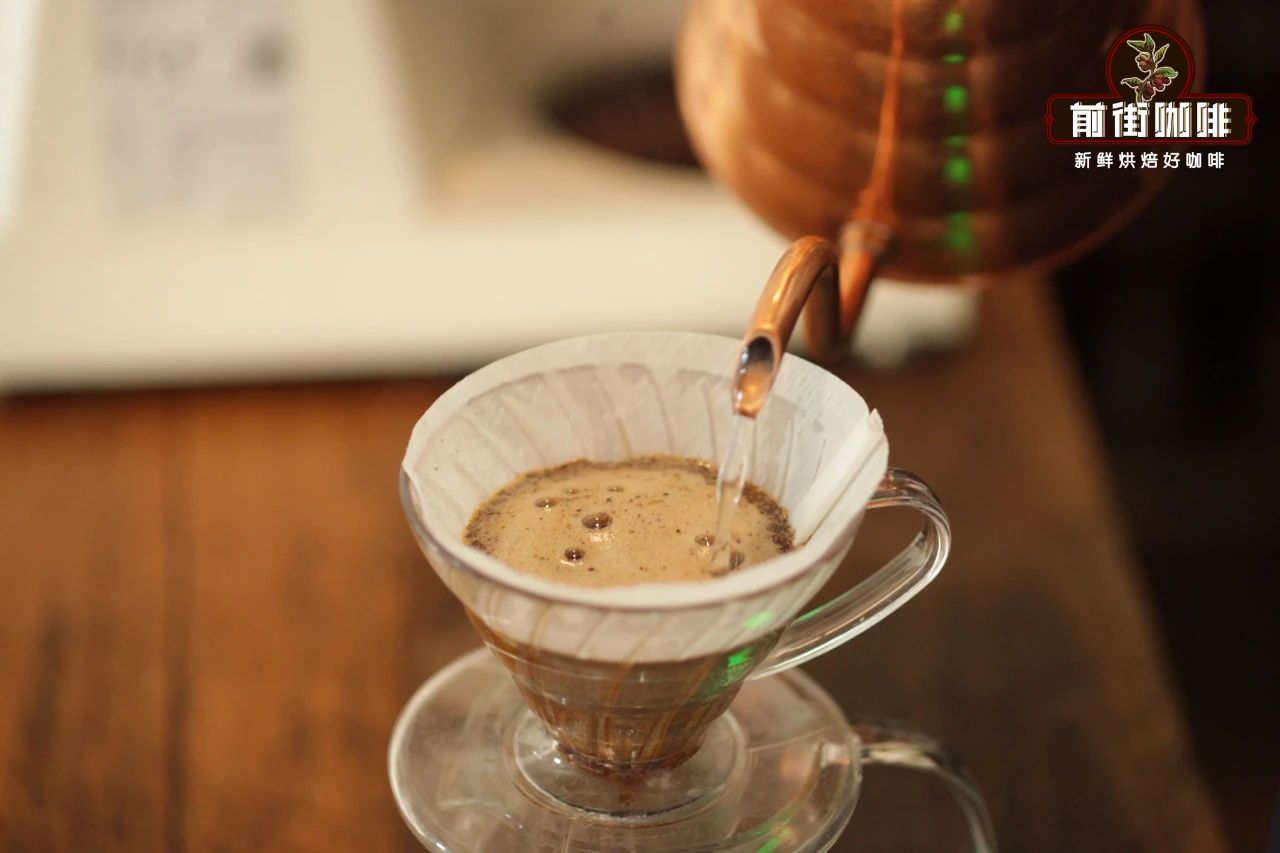
How Can You Brew Clean Coffee?
① Rest the Beans
As noted earlier, overly fresh beans can carry a "roasted" flavor — the smoky taste left inside the bean after high-temperature roasting. It needs time to mellow out as the beans mature and release carbon dioxide. Letting the beans rest for a few days after roasting will give you a cleaner taste and more prominent flavors.
② Sort the Beans
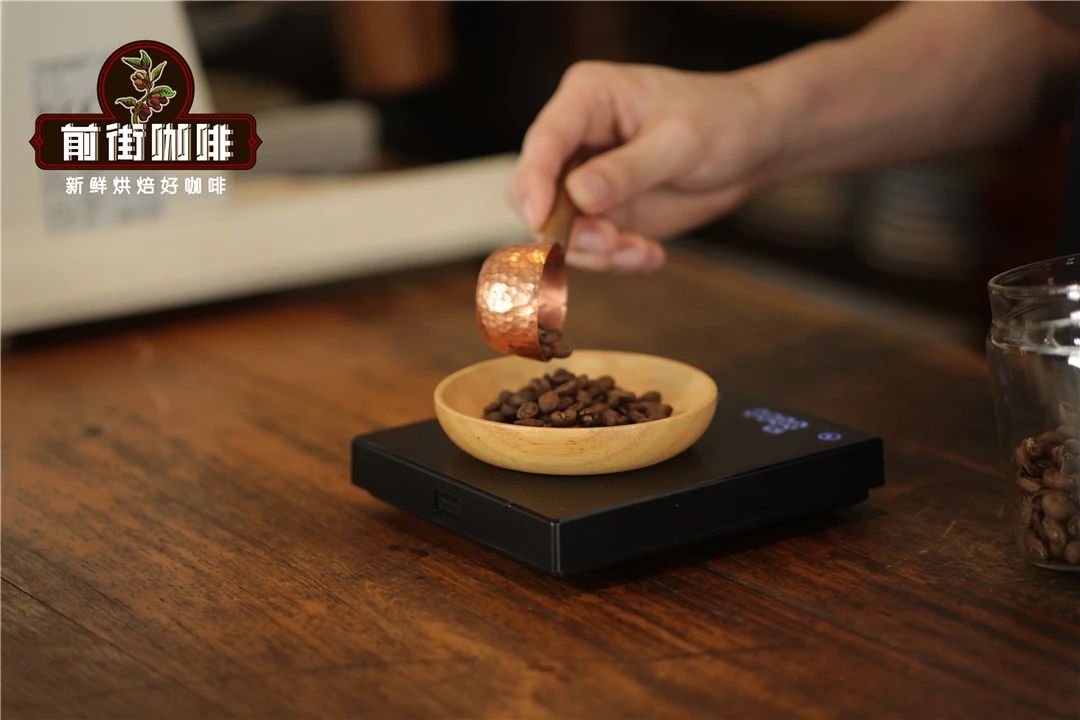
Sorting the beans before brewing is still worthwhile. Even after multiple rounds of screening at the green and roasted stages, a few slightly defective beans may slip through. Removing them reduces the risk of off-flavors. As for how to sort, trust your intuition — just pick out anything that doesn't look right.
③ Avoid Over-Extraction
Over-extracted coffee turns muddy relatively quickly, because undesirable compounds come out along with everything else, making bitterness and off-flavors inevitable. Water that is too hot, a grind that is too fine, and excessive agitation while pouring are all common paths to over-extraction.
FrontStreet Coffee Recommendation
During roasting, three elements must be controlled to shape a coffee's final flavor: acidity, sweetness, and bitterness. The darker the roast, the more bitter and heavier the cup; the lighter the roast, the more acidic and delicate. If you are chasing the kind of balanced, clean cup described above, medium-roast beans are the best place to start.
FrontStreet Coffee's Brazil Queen Estate is a great pick if you dislike both sharp acidity and heavy bitterness. Grown in the world's largest coffee-producing country, it is the local Yellow Bourbon variety: quietly sweet, and at a medium roast it reveals creamy peanut, chocolate, toast, and sugarcane aromas. It works as pour-over, in a moka pot, or in an espresso machine. For a sweeter medium roast, go for the fruit-forward FrontStreet Strawberry Candy Gesha Blend, which marries a Costa Rica honey-process coffee with a Panama washed Gesha — the medium roast preserves both the orange-blossom honeyed aroma and a rounded sweetness, and it suits cold brew, pour-over, and espresso alike. The FrontStreet 2013 Natural Typica, a representative Chinese specialty bean with authentic Yunnan flavors, is roasted medium to show its balanced, gentle character of nuts, brown sugar, black tea, and dried apricot — great value for pour-over, cold brew, or drip machines. Finally, the FrontStreet Jamaica Blue Mountain No.1, grown at a medium roast to fuse acidity, bitterness, sweetness, and body perfectly, delivers chocolate, roasted nuts, cream, and caramel from the very first sip — a balance few other coffees can match.
Important Notice :
FrontStreet Coffee is a long-established specialty coffee roaster in Guangzhou China, selling freshly roasted beans from its own farm in Yunnan as well as dozens of carefully selected single-origin beans from around the world for both pour-over and espresso. The products deliver consistently excellent quality and great value, with shipping within 24 hours. Guangzhou's FrontStreet Coffee shop is recommended by many coffee lovers, and the beans are now available online at the Tmall 。
FrontStreet Coffee has moved to a new address:
FrontStreet Coffee Address: 315,Donghua East Road,GuangZhou
Tel:020 38364473
 Scan and follow the En Gafei WeChat official account. Please indicate that the reprint comes from "En Gafei".