
Who is Mandheling Coffee Suitable For? What is Mandheling and Why is it Called Mandheling? Characteristics, Flavor, and Taste Profile of Mandheling Coffee Beans

At FrontStreet Coffee, whenever a customer asks for a coffee with no acidity, the answer is almost always FrontStreet Coffee's Mandheling. Its rich, mellow profile ranks just below Blue Mountain. But Mandheling also carries a hint of herbal, medicinal character that some drinkers dislike on contact while others fall for at first sip. We often joke that Golden Mandheling is the "taste of mature men"!

Most coffee names simply come from their growing regions—coffee from Yirgacheffe is called Yirgacheffe. But Mandheling? It is not a region, not a bean name, and not a variety. So what is it?
The name "Mandheling" is actually a phonetic corruption of the Mandailing ethnic group of Indonesia. How did an ethnic group end up naming a coffee? Through a beautiful misunderstanding. During World War II, while Japan occupied Indonesia, a Japanese soldier tasted an astonishingly good coffee at a local café and asked the owner for its name. The language barrier got in the way—the owner thought he was being asked where he was from, and answered: "Mandailing tribe."

After the war, that soldier still remembered the "Mandheling" coffee he had drunk in Indonesia and asked an Indonesian coffee merchant to ship fifteen tons of Mandheling beans to Japan. It became a sensation in the Japanese market, and the name has stuck ever since. That merchant went on to found what is now the PWN Company, which registered "Golden Mandheling" as a trademark—meaning only Golden Mandheling from PWN is the authentic article FrontStreet Coffee sells as its Golden Mandheling.
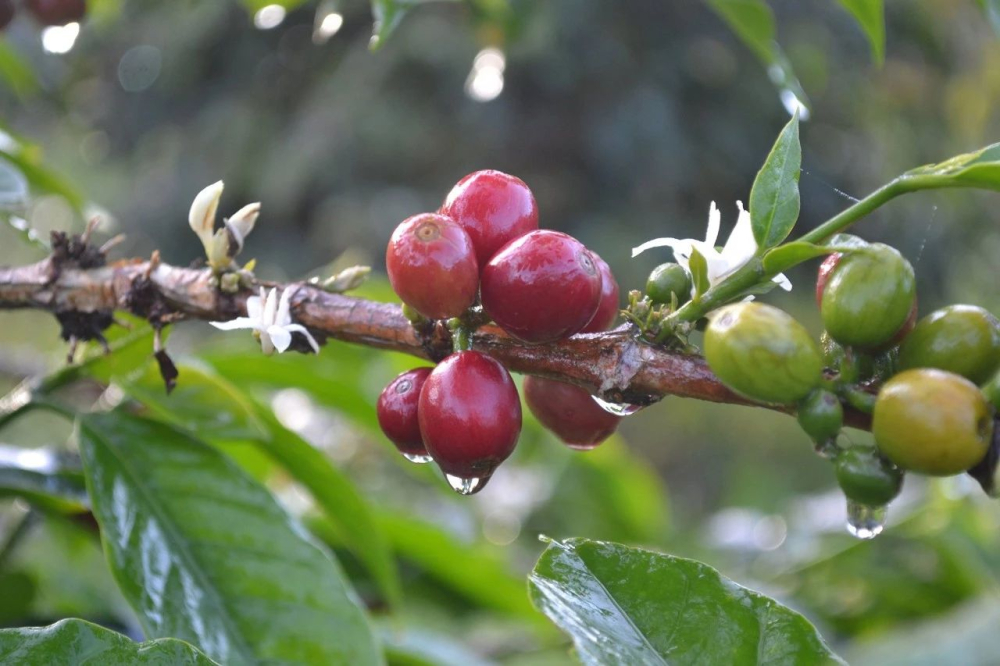
The Variety Behind FrontStreet Coffee's Mandheling: Typica
FrontStreet Coffee's Golden Mandheling beans are of the Typica variety, an ancient coffee celebrated for elegant flavors. Typica's weaknesses are well known: a relatively weak constitution, poor disease resistance, susceptibility to leaf rust, and low yields that make it economically disadvantageous. Its strengths are a subtle, clean flavor profile, balance, and high clarity in the cup.
Typica trees are among the easiest varieties to identify. They grow in a conical shape with a main vertical trunk that can reach 5 meters, which—compared with other varieties—means greater distance between branches and between nodes on the same branch. A telltale sign is the bronze color of the young leaves. The beans are large, with a pointed oval or slender pointed shape, earning Typica the nickname "red-topped coffee."
As early as 1658, the Dutch transplanted descendants of "European Typica mother plants" to Sri Lanka, but that attempt failed. Later, in 1699, they moved Malabar coffee trees from eastern India to Java. This time the trial succeeded, and Typica grew steadily there. In 1718, the Dutch carried successfully cultivated Typica from Java to Sumatra and Sulawesi. After more than a century of cultivation, just as Indonesian Typica reached its peak, a leaf rust epidemic swept through most of Indonesia's Typica in the late 19th century, and the industry had to introduce the hardier Robusta.
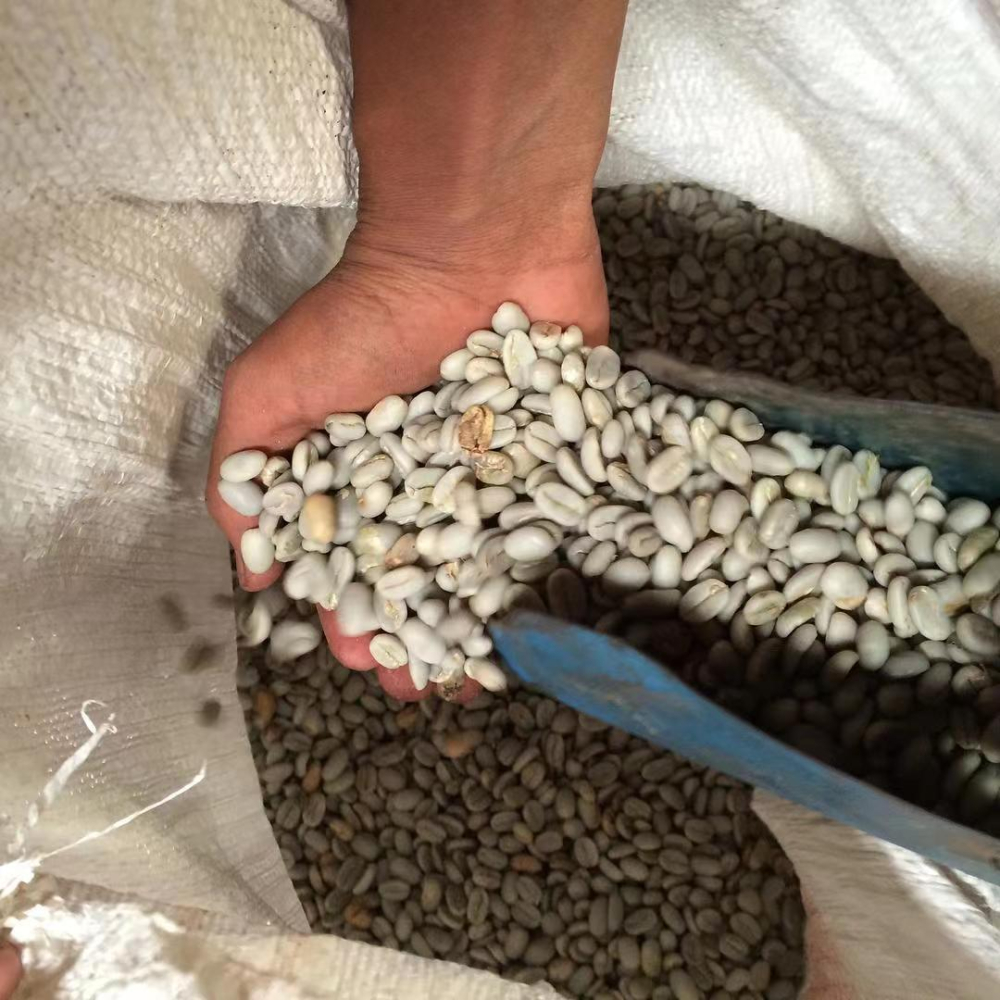
How FrontStreet Coffee's Mandheling Is Processed
Mandheling's distinctive richness is inseparable from its processing. Most FrontStreet Coffee Mandheling uses Sumatra's signature method—wet hulling. With relentless rain and frequent typhoons, the local weather simply cannot guarantee good sun-drying conditions, and the local economy cannot shoulder the cost of full washed processing. Wet hulling evolved as the answer.
Stage One: Wooden depulpers remove the skin and pulp; the beans then ferment for 3 hours and are dried to a semi-dry, semi-wet state of 30-50% moisture.
Stage Two: The mucilage and parchment are stripped away, and the beans finish drying. This takes 2-4 days, bringing moisture down to 12-13%.
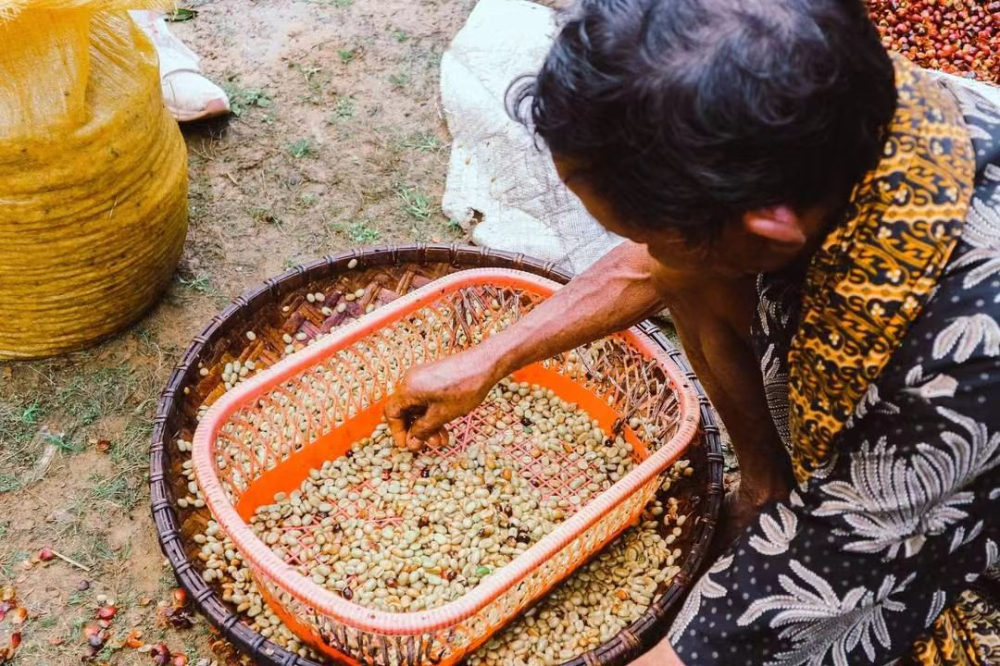
Wet hulling creates Mandheling's special flavor, and FrontStreet Coffee believes the two are inseparable. Still, the market refuses to stand still: even though wet hulling defines the style, other methods are being tried. FrontStreet Coffee recently introduced a naturally processed Mandheling whose flavor departs sharply from tradition—fruit-forward, sweeter, with gentle fruit acidity.
For context on other processes: FrontStreet Coffee finds that natural processing amplifies a bean's inherent character, producing rich body, intense flavors, and obvious sweetness. Washed coffee shows brighter acidity, better clarity, and medium body with the most consistent green bean quality. Honey-processed beans deliver excellent flavor with balanced acidity and sweetness—the slow drying amplifies the coffee's natural aromas while preserving rich body.

FrontStreet Coffee's Mandheling Lineup
FrontStreet Coffee is a devoted fan of Mandheling. Before Blue Mountain made its name, Mandheling was always known as the most full-bodied coffee in the world, and we agree with that verdict. Its body ranks among the very top of specialty coffee: heavy texture and low acidity as the signature, with the smoothness and sweetness of dark chocolate and caramel in a very long aftertaste. Those complex layers are why FrontStreet Coffee's roasters choose a dark roast to express the authentic "Mandheling flavor"—and why, when customers ask for a coffee with noticeable sweetness, the baristas point them to the Golden Mandheling. FrontStreet Coffee currently carries three kinds of Mandheling.
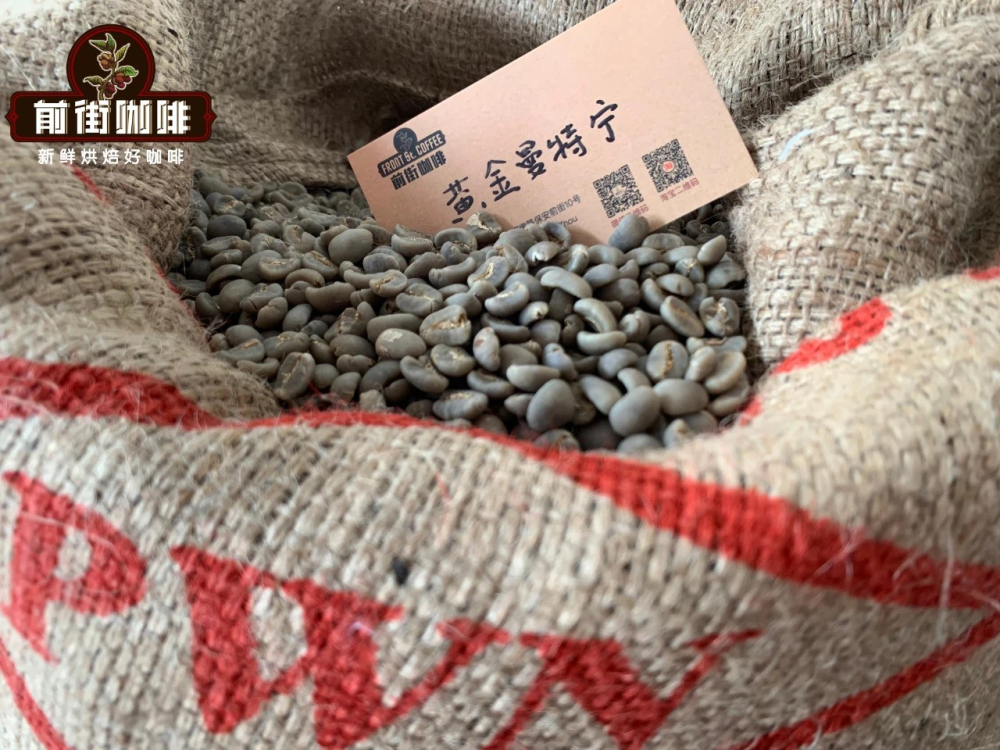
The three are: FrontStreet Coffee Golden Mandheling, FrontStreet Coffee Tiger Mandheling, and FrontStreet Coffee Lintong Mandheling.
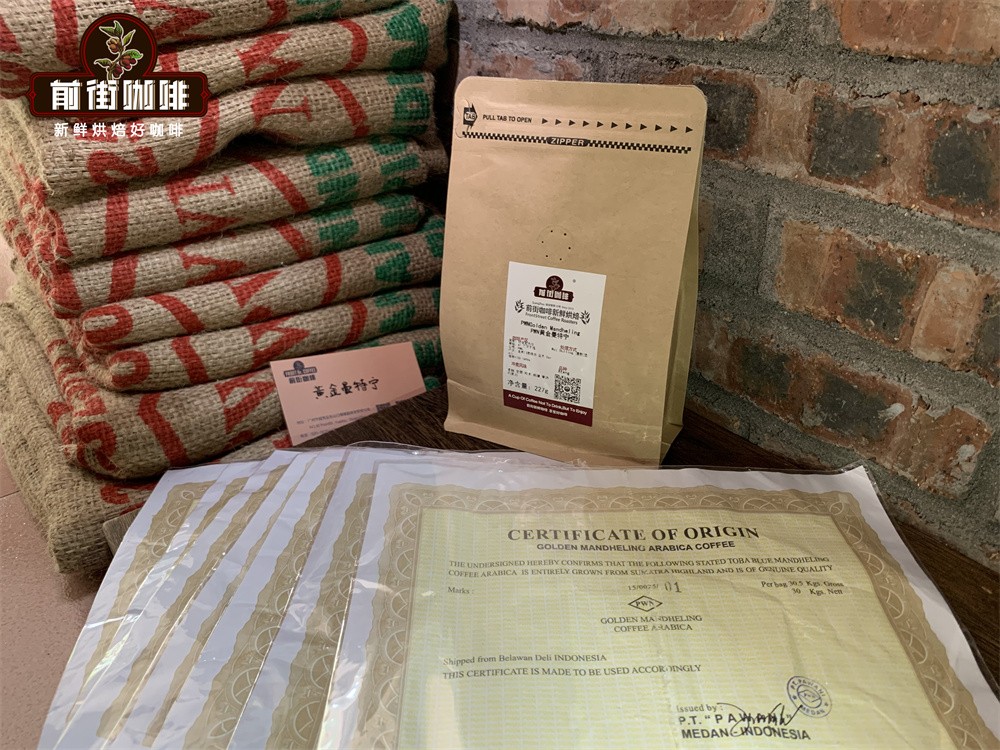
FrontStreet Coffee Golden Mandheling
The new-crop FrontStreet Coffee Golden Mandheling is of the Ateng variety—the local Sumatran name for Catimor—named after the Aceh Tenggah region. The beans screen at size 18 or above, with fewer than 3 defective beans in a 300g green bean sample, placing them in the top G1 grade. The color is dark green, and the beans are uniformly flat.

After strict screening, FrontStreet Coffee found that Golden Mandheling not only lacks the earthy impurities typical of ordinary Mandheling, but also tastes cleaner and more transparent with enhanced sweetness. It comes from PWN Company—Golden Mandheling is actually produced from Mandheling acquired locally in Indonesia by Pwani Coffee Company, which registered the name. Only Mandheling produced by PWN is the authentic FrontStreet Coffee Golden Mandheling.
FrontStreet Coffee Tiger Mandheling
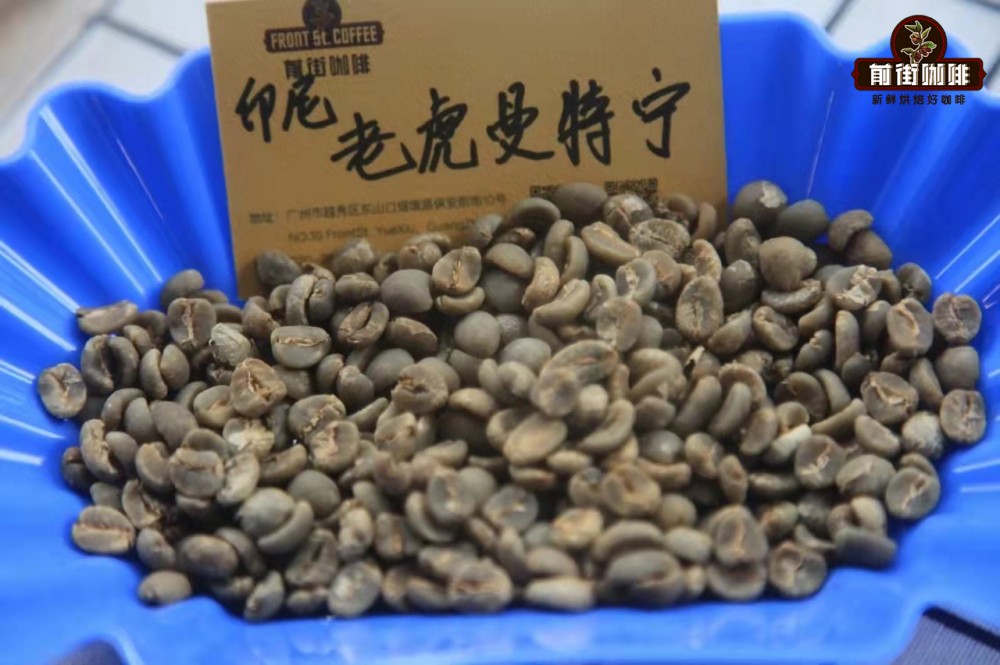
Tiger Mandheling screens at size 17 or above, with a defect rate below 4%. Its main varieties are Caturra and Typica: Caturra contributes citrus and lemon acidity, while Typica brings a lasting sweet finish, making Tiger Mandheling relatively balanced with high clarity. It grows across Indonesia, with main production on the three islands of Sumatra, Java, and Sulawesi. It is produced at Tiger Estate—hence "Mandheling Tiger" or "Sumatra Tiger Mandheling." Northern Sumatra's terrain is relatively high, with Aceh province (home to Lake Tawa) and North Sumatra (home to Lake Toba) as the main Arabica growing regions.
FrontStreet Coffee Lintong Mandheling
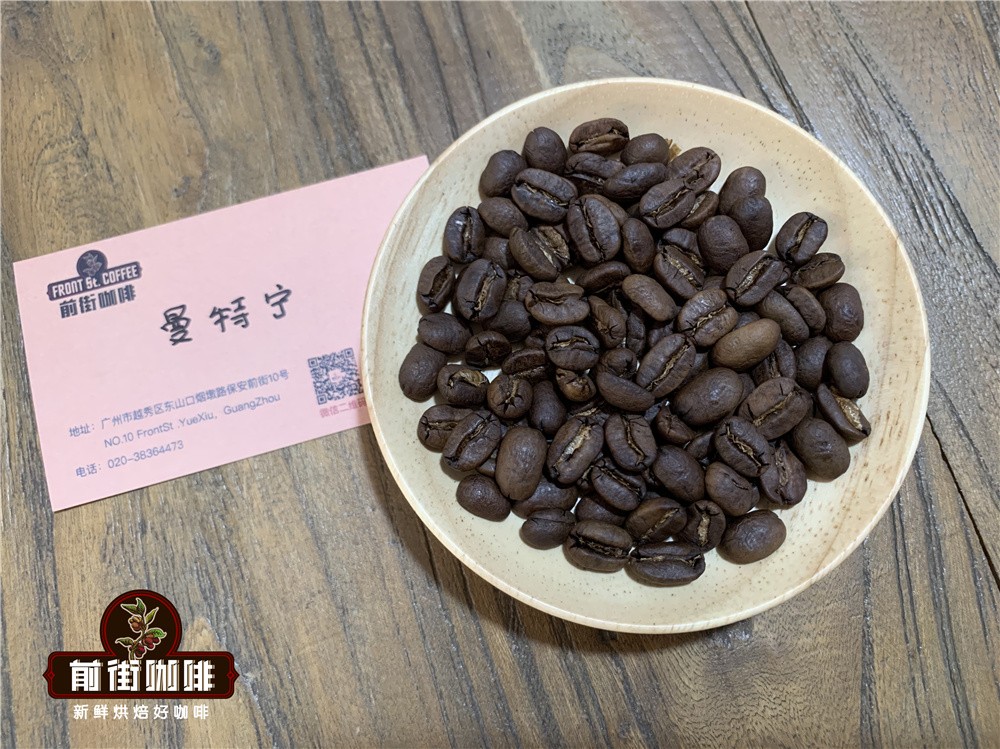
Premium Mandheling from the Lintong region, with larger beans and harder bean quality. Indonesian coffee varies enormously, but what we usually call Mandheling is Typica or its variants grown in the mountains around Lake Toba. Connoisseurs worldwide have said it plainly: "Sumatra Mandheling coffee is the coffee with the best texture in the world." FrontStreet Coffee's Mandheling beans are characterized by larger size and harder quality—and, because of the higher defect count, they demand strict hand-sorting during processing.
FrontStreet Coffee Brewing Recommendations
One reminder on brewing: if your beans are ground in advance, brew them promptly. Pre-ground coffee loses aroma quickly in open air, and the final cup suffers. FrontStreet Coffee recommends grinding fresh and brewing immediately to enjoy coffee at its best.
For daily brewing of medium-dark roast Mandheling, FrontStreet Coffee typically uses a KONO dripper. KONO drippers make the coffee taste rounder and fuller, with more direct flavor expression—ideal for medium-dark Mandheling. Their weakness is ventilation: the straight ribs extend only a quarter of the dripper's depth, and above that the paper sits tight against the wall, creating a sealed state.
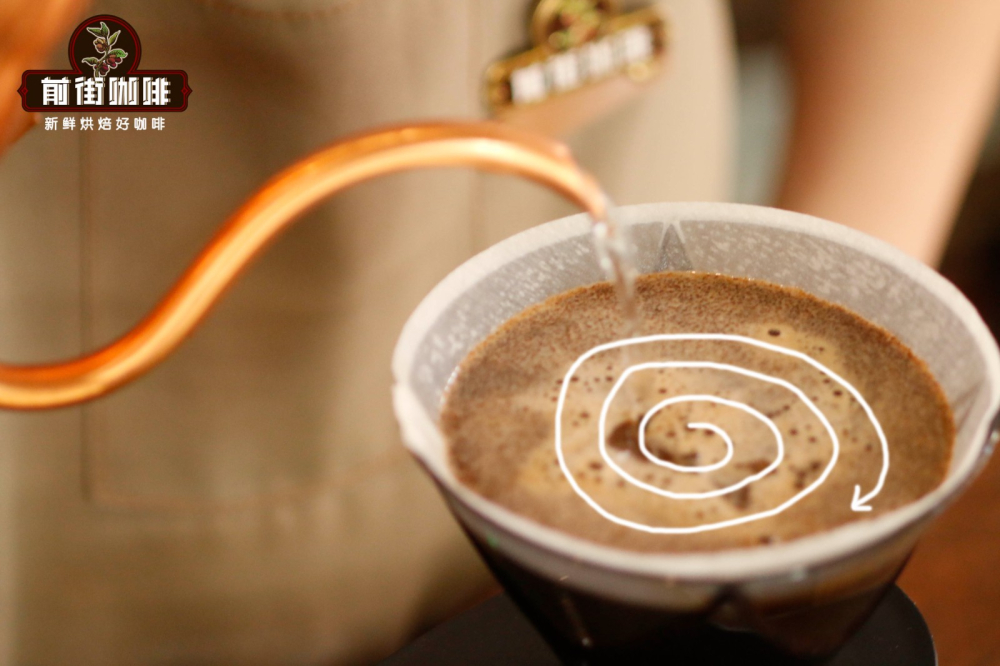
Recommended parameters: Water temperature: 88-89°C; bloom time: 25 seconds; coffee-to-water ratio: 1:15; grind size: medium-fine (75% pass-through on the China standard #20 sieve)
Use segmented extraction: bloom with twice the dose of water—30g of water for a 30-second bloom. Pour to 125g, pause for the segment, then continue to 225g and stop. Once the dripper has fully drained, remove it. Timing from the first pour, extraction takes 2'00". Then swirl the full cup evenly and pour into your tasting cup.
FrontStreet Coffee Mandheling Flavor Descriptions
FrontStreet Coffee Lintong Mandheling: herbal notes, chocolate, caramel; overall quite balanced.
FrontStreet Coffee Golden Mandheling: nuts, spices, herbal plants, licorice, chocolate, caramel; clean and gentle flavor.
FrontStreet Coffee Tiger Mandheling: nuts, cream, dark chocolate, caramel, traditional herbal notes, noticeable sweetness; relatively clean and clear.
FrontStreet Coffee Recommendation
If Mandheling's dark, herbal depth is your comfort zone but you're curious about the other end of the spectrum, FrontStreet Coffee's washed Yirgacheffe daily bean is the perfect counterpart. Yirgacheffe is known for its clean, luminous lemon and citrus character, and the FrontStreet washed Yirgacheffe shows white jasmine florals, bright citrus and lemon acidity, and a tea-like finish—all at an approachable price that has made it many drinkers' first specialty bean.
For the natural-processing lover, FrontStreet Coffee's natural Red Cherry offers another angle on Ethiopia: only fully ripe, defect-free cherries are harvested, screened, and sun-dried on raised beds—turned every 2-3 hours during the first few days to prevent over-fermentation—then machine-hulled after three to five weeks of drying. Drying with the fruit intact gives the cup tropical fruit atop its classic Yirgacheffe identity: citrus acidity, berry juiciness, honeyed sweetness, and creamy smoothness.
Brewing either one: V60 dripper, 90-91°C water, 15g dose at 1:15, ground to fine-granulated-sugar texture (80% pass on a #20 sieve). Pour 30g for a 30-second bloom, then 95g (scale reading about 125g) within about a minute; once the level falls to two-thirds of the bed, finish with the last 100g (scale reading about 225g) around 1 minute 35 seconds. Drainage completes at 2:00-2:10.
Important Notice :
FrontStreet Coffee is a long-established specialty coffee roaster in Guangzhou China, selling freshly roasted beans from its own farm in Yunnan as well as dozens of carefully selected single-origin beans from around the world for both pour-over and espresso. The products deliver consistently excellent quality and great value, with shipping within 24 hours. Guangzhou's FrontStreet Coffee shop is recommended by many coffee lovers, and the beans are now available online at the Tmall 。
FrontStreet Coffee has moved to a new address:
FrontStreet Coffee Address: 315,Donghua East Road,GuangZhou
Tel:020 38364473
 Scan and follow the En Gafei WeChat official account. Please indicate that the reprint comes from "En Gafei".

