How to Drink Espresso Coffee - What Are You Tasting in Espresso and Why Is It So Bitter
Espresso: The Base Under Almost Every Coffee Drink
Espresso needs no introduction. It is the versatile foundation of countless coffee drinks, and it rarely appears on a menu as a drink in its own right. The people who order a straight espresso tend to fall into two groups: seasoned drinkers looking for a jolt to the palate, and the simply curious. The first group knocks it back in one go; the second takes a sip and winces.
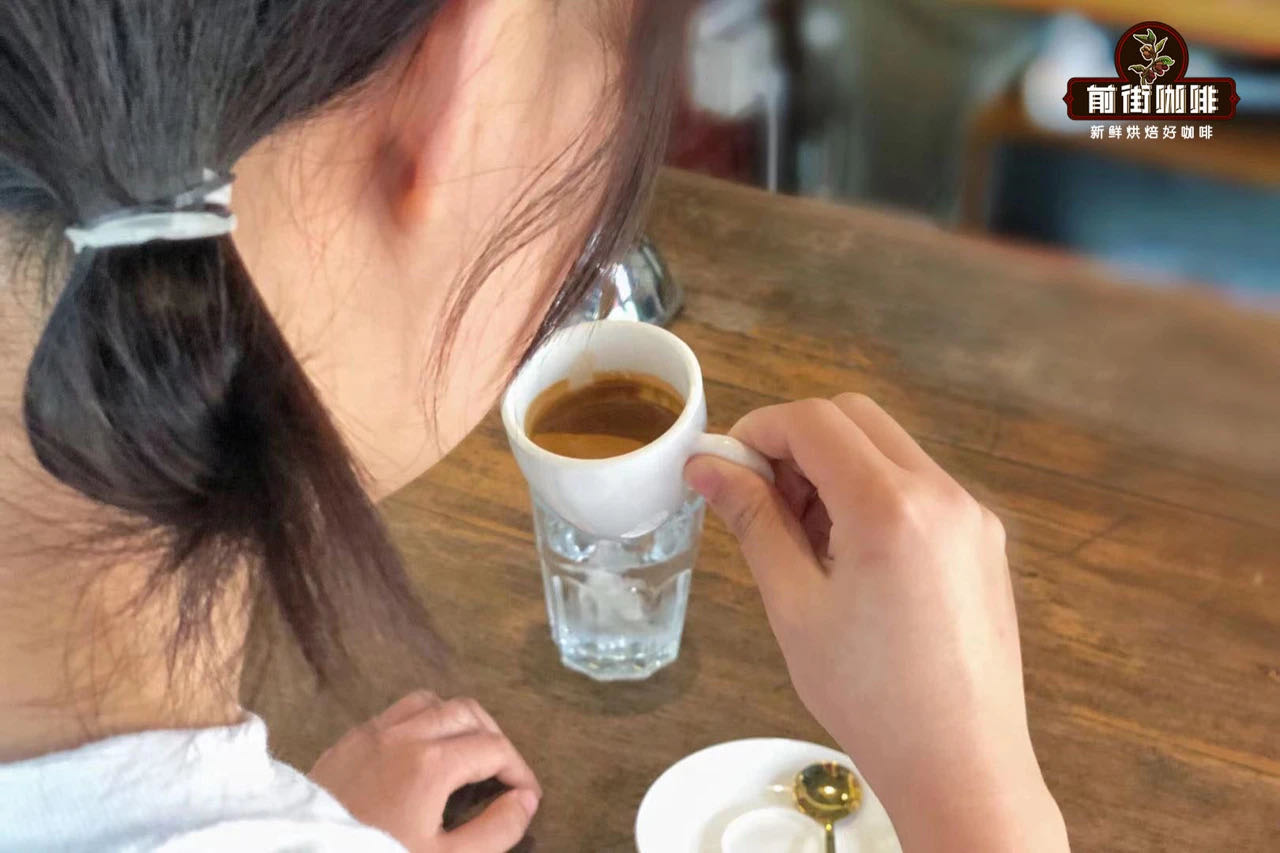
Many people would rather not ask a barista "how am I supposed to drink this" or "what exactly am I tasting in something this strong," and quietly search for the answer on their phone instead. So here it is: how to taste espresso properly.
Where Espresso Came From, and How It Changed
Espresso first appeared in Italy in the early 19th century. At the time, people used their work breaks to grab a coffee that could be made in a hurry and carried enough caffeine to get them going again, so cafes chose high-caffeine beans for the job.
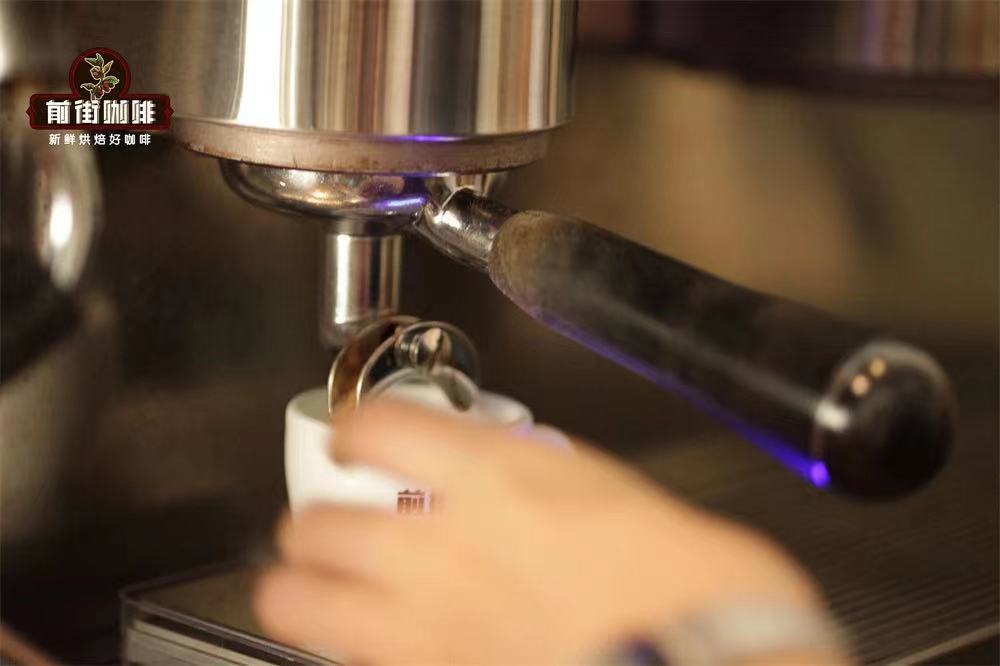
The more caffeine a coffee contains, the fewer flavours it tends to express. Combined with the roasting and extraction techniques of the day, the shot in the cup was often burnt, bitter and punishing. As coffee culture matured, bean quality and equipment improved dramatically, and espresso is now drunk not simply for caffeine but for a far more demanding kind of pleasure. The blunt, searing shot has become a relic.
What Modern Espresso Is Actually Giving You
Cleanliness and Balance, Mouthfeel, Aftertaste
Espresso cannot be assessed at high, medium and low temperature the way pour-over can. A serving is only around 10 to 20 grams, and it is gone before it has time to cool. On top of that, it is extracted from finely ground coffee under high temperature and 9 bars of pressure, producing a concentrated liquid with intense, palate-stimulating flavours. So espresso drinkers tend to focus on aroma, mouthfeel and aftertaste.
Cleanliness and balance are what make or break the cup. Cleanliness means the absence of unpleasant notes or astringency. Balance means every flavour element agrees with the others and sits in harmony, so nothing jars.
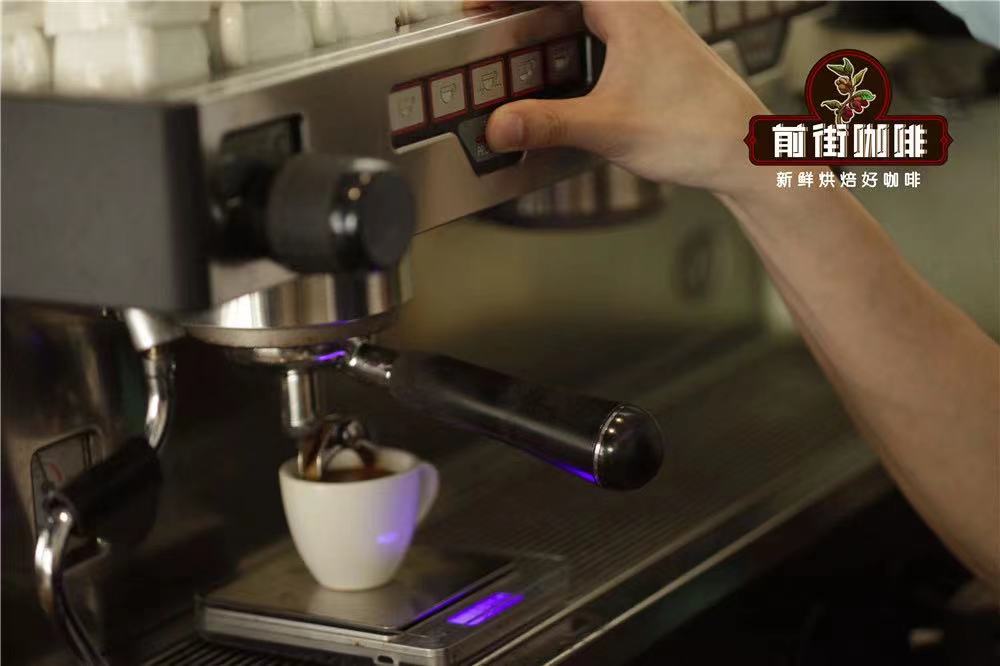
Where does mouthfeel come from? The crema. Espresso is extracted under high pressure, which supersaturates the carbon dioxide in the coffee grounds. Unable to escape, that gas dissolves into the liquid. When extraction ends and the pressure returns to normal, the remaining carbon dioxide meets the oils in the cup as it tries to leave. Enveloped by those oils, it flows into the cup and only gradually escapes into the air.
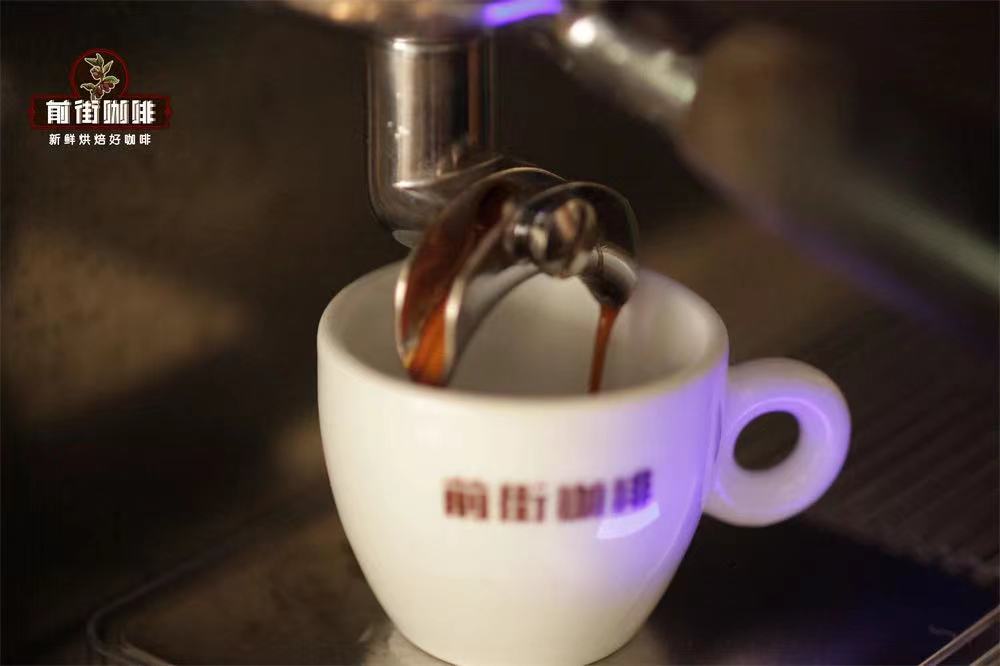
And aftertaste? Once coffee is in the mouth, saliva catalyses the release of aromatic molecules hidden in the coffee oils, and they travel up the oral-nasopharyngeal passage into the nasal cavity, creating an olfactory experience. Many people assume the tongue does all the tasting, but taste buds can only register sweet, sour, bitter, salty and umami. Aromas picked up through smell, combined with those basic tastes, are what let us associate a coffee with specific foods and flowers.
How to Drink Espresso
Stop Throwing It Back in One Gulp
Intense as it is, espresso still has cleanliness, balance, aroma and aftertaste worth noticing. Here is how to get at them.
1. Before you taste, rinse your palate with still or iced water to clear any lingering flavours from your mouth.
2. Espresso is usually served with a spoon. Because the shot drips into the cup at varying concentrations, it can be thick at the bottom and thinner on top, so stirring gives a more consistent taste. You can of course skip the stir and experience the layers as they are.
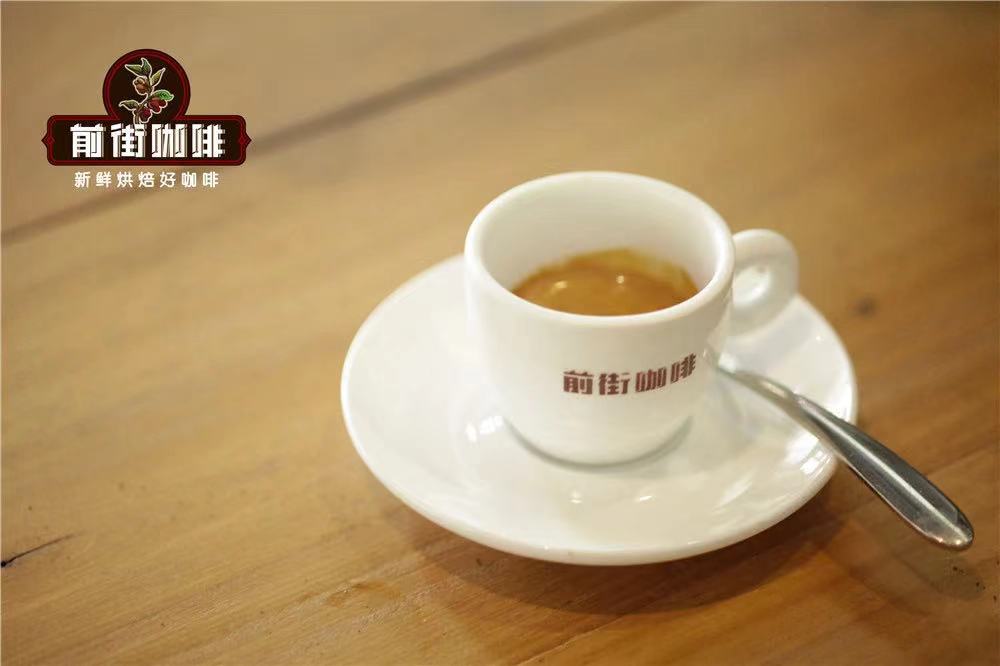
3. Next, drink it in three or four sips. Rub your tongue against the roof of your mouth to feel the texture, and use the sides of your tongue to pick up acidity and other characteristics, combining the sensations to judge the shot as a whole.
4. After swallowing, close your mouth and breathe out to catch the aroma and aftertaste. Finish with a sip of water to feel the sweetness that lingers on the palate.
FrontStreet Coffee Recommendation
FrontStreet Coffee's Classic Blend is built specifically for espresso and moka pot brewing, and its strongest asset is crema. Even a beginner working with a modest home machine can pull thick, fine-textured crema out of it, which is exactly what latte, cappuccino and Dirty depend on. The traditional Mamba-style recipe keeps the body rich and rounded, and it is forgiving enough for both newcomers and experienced drinkers, at home or in a cafe.
FrontStreet Coffee's Black Cocoa Blend is the value-driven option. It is 100% Arabica, with generous crema and a full body, at a price that stays friendly. For anyone just starting out, or a cafe owner watching costs, it delivers on taste without straining the budget.
FrontStreet Coffee's Boutique Blend has been the house espresso for close to a decade, carrying the americano and latte service day after day. It pairs Brazilian Cerrado with Colombian Huilan, and the result is the classic espresso profile most drinkers already have in their memory, equally at home on a domestic machine or a commercial bar.
If you prefer fruit to cocoa, FrontStreet Coffee's Strawberry Candy is the fruit-forward espresso blend: different origins of Arabica woven together to reproduce a clear strawberry soft-candy sweetness, suitable for daily home drinking as well as cafe service, and a good choice for anyone who dislikes bitterness or wants a milk drink with a distinctive twist.
Important Notice :
FrontStreet Coffee is a long-established specialty coffee roaster in Guangzhou China, selling freshly roasted beans from its own farm in Yunnan as well as dozens of carefully selected single-origin beans from around the world for both pour-over and espresso. The products deliver consistently excellent quality and great value, with shipping within 24 hours. Guangzhou's FrontStreet Coffee shop is recommended by many coffee lovers, and the beans are now available online at the Tmall 。
FrontStreet Coffee has moved to a new address:
FrontStreet Coffee Address: 315,Donghua East Road,GuangZhou
Tel:020 38364473
 Scan and follow the En Gafei WeChat official account. Please indicate that the reprint comes from "En Gafei".