Colombia Palm Tree & Toucan Estate Coffee Story: Lactic Fermentation Coffee Bean Flavor Profile
I had come to love Mandheling and Blue Mountain, and never imagined I would one day be captivated by lactic acid fermentation. FrontStreet Coffee would like to introduce you to a Colombian farm that has earned its reputation through exactly that method.
Coffee Origin Details
Country: Colombia
Region: Cundinamarca
Producer: La Palma & El Tucan (Palm Tree and Toucan Farm)
Farm: La Palma & El Tucan
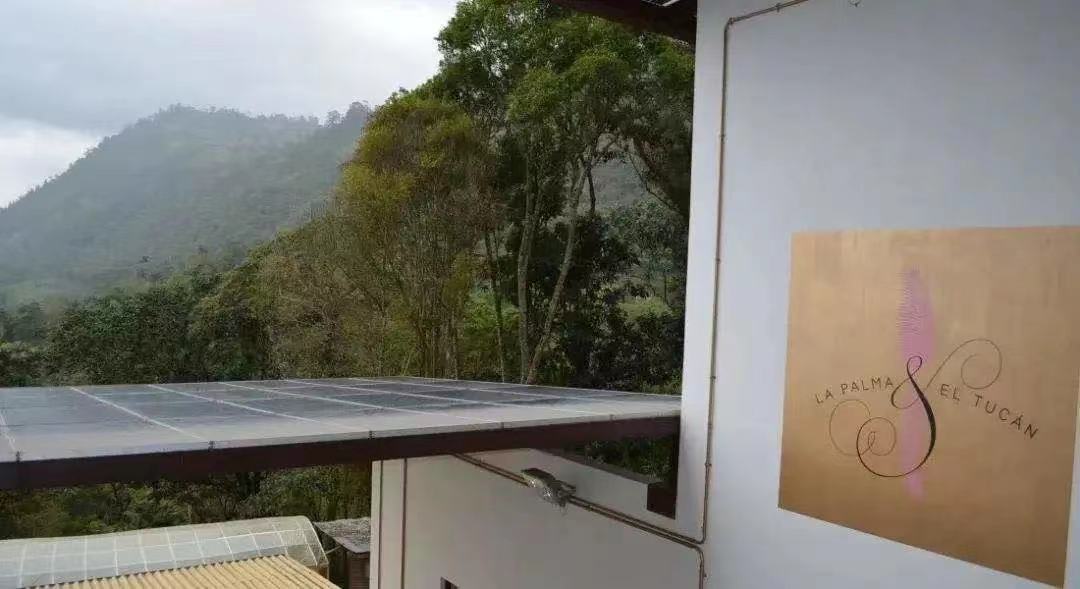
La Palma & El Tucan is a farm, mill and coffee ecotourism destination in the mountainous Zipacon region of Cundinamarca. The name captures the farm's core idea: symbiosis, in which every action benefits both sides. Just as palm trees and toucans live in balance within their habitat, La Palma & El Tucan treats the coffee ecosystem through sustainable production and innovative processing, inviting everyone in the supply chain to visit the farm and see this coffee-growing environment for themselves.
At the farm the intersection of coffee agriculture and sustainable tourism is on full display. Open-air cafes and cabins tucked into the forest invite visitors to consider the continuity between where coffee is produced and where it is consumed. The vegetable gardens, compost and biochar production, water filtration, the way the coffee trees are fertilized, the variety of shade-tree species and the overall biodiversity of flora and fauna all point to permaculture principles in practice.
For more than a century, coffee has been woven into the economic development of Cundinamarca. The region's coffee is not just a crop; it is part of the area's social and cultural fabric.
Cundinamarca's coffee grows on the western slopes of Colombia's Eastern Andes. Here coffee cultivation stands out for its biodiversity, its integration with local ecosystems and the dedication of the region's producers, and those elements explain why shade-grown coffee is so widespread in Cundinamarca. Under a canopy of native Andean flora, shade-grown coffee embodies the region's philosophy of conservation and environmental sustainability.
Cundinamarca's coffee farms cover more than 43,000 hectares, 70% of it cultivated under other tree species. The department surrounds the capital, Bogota, home to more than 10 million people and a vast metropolitan area. Despite sitting so close to the country's urban center, the farms of Cundinamarca stand in stark contrast to the ecosystems that actively protect Colombia's natural diversity.
Lactic Acid Fermentation Processing
Lactic acid fermentation lets lactic acid bacteria grow under anaerobic conditions, with oxygen levels, sugar content and pH continuously monitored. The bacteria feed on the sugars in the mucilage and produce high concentrations of lactic acid. Once the target pH is reached, the coffee is soaked in clean water to halt bacterial growth and then dried on raised beds.
The method produces a completely distinctive result: a slightly viscous body, notable acidity and citrus notes, and a sipping experience that can almost be equated with drinking dry white wine. As one of our clients put it, "Wow. The first sip. Rich mouthfeel! Citrus notes in the front, intense acidity and buttery flavor."
FrontStreet Coffee followed the trend in 2020 by acquiring anaerobic natural processed coffee beans.
Caturra is a Bourbon variety with curved tips at the end of the bean, round and slender. It offers better productivity and disease resistance than Bourbon, with stronger altitude adaptability: the higher the altitude, the more pronounced the flavor, though yields get smaller in turn.
I wonder when Geisha will be treated to the same processing method.
FrontStreet Coffee Recommendation
Lactic fermentation produces an unusual, wine-like cup, and if you enjoy that contrast between bright acidity and syrupy body, the FrontStreet PWN Golden Mandheling makes an interesting counterpoint. Bold and low in acidity, it delivers dark chocolate, caramel and wild herbal notes with a heavy, mouth-coating body, showing the opposite end of the coffee spectrum.
For a more rustic take on that full-bodied style, the FrontStreet Lintong Mandheling is wet-hulled in Indonesia, medium-dark roasted and full of clove, woody and spice aromatics with a strong, persistent sweetness.
And to bring the same intensity to espresso, try the FrontStreet Classic Blend, which matches Brazilian creamy-nut sweetness with medium-dark Mandheling for butter, roasted chestnut and caramel, plus a little Robusta for a rich, layered crema.
Important Notice :
FrontStreet Coffee is a long-established specialty coffee roaster in Guangzhou China, selling freshly roasted beans from its own farm in Yunnan as well as dozens of carefully selected single-origin beans from around the world for both pour-over and espresso. The products deliver consistently excellent quality and great value, with shipping within 24 hours. Guangzhou's FrontStreet Coffee shop is recommended by many coffee lovers, and the beans are now available online at the Tmall 。
FrontStreet Coffee has moved to a new address:
FrontStreet Coffee Address: 315,Donghua East Road,GuangZhou
Tel:020 38364473
 Scan and follow the En Gafei WeChat official account. Please indicate that the reprint comes from "En Gafei".