
How to Make Coffee: Essential Equipment, Grind Size, Water Impact on Flavor, and Bean Selection
How to Brew Coffee
Coffee is personal, and the right way to make it is the way you like it best.
That said, a grasp of the fundamentals will sharpen your technique and improve your results. Below, FrontStreet Coffee walks through the variables worth experimenting with: roasts, origins and brewing methods.
Equipment
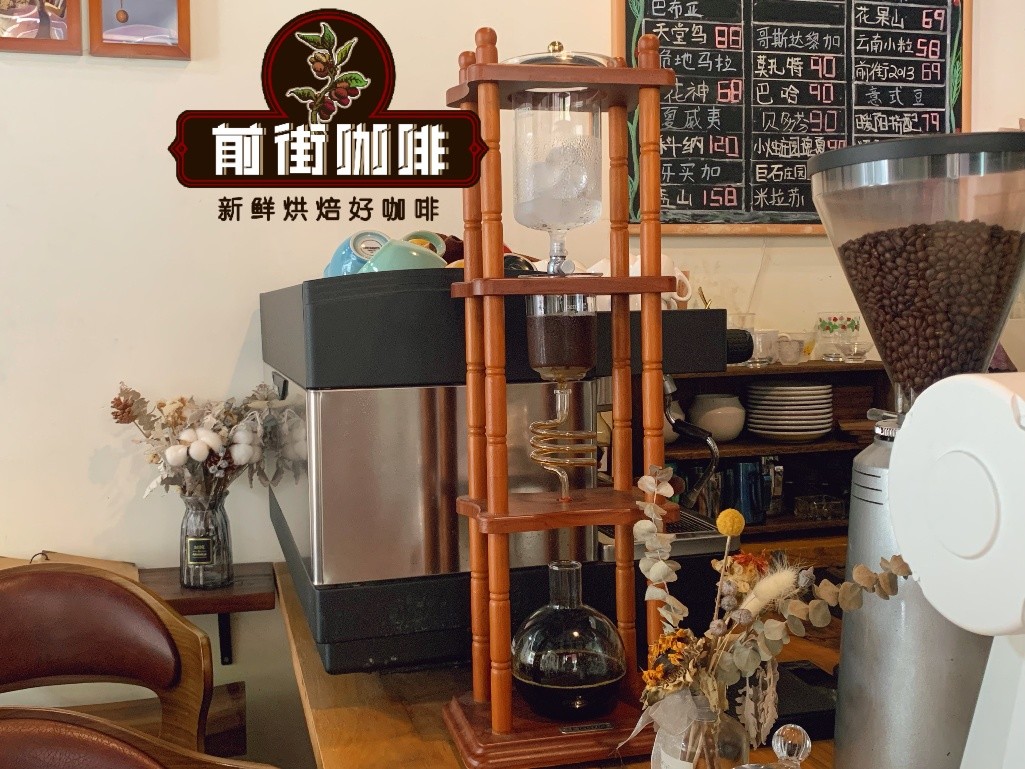
Clean your tools thoroughly after every use, from grinders and drippers to the coffee machine itself.
Rinse with clean hot water (or wipe everything down), then dry with an absorbent towel. Check that no grounds are left behind to accumulate, and that no coffee oils (caffeol) have built up — stale oils are what turn the next cup bitter and sour.
Beans
Good coffee starts with good beans. The quality and flavor of your cup depend not only on your brewing method but on the coffee you choose. Roast levels alone can make a world of difference:
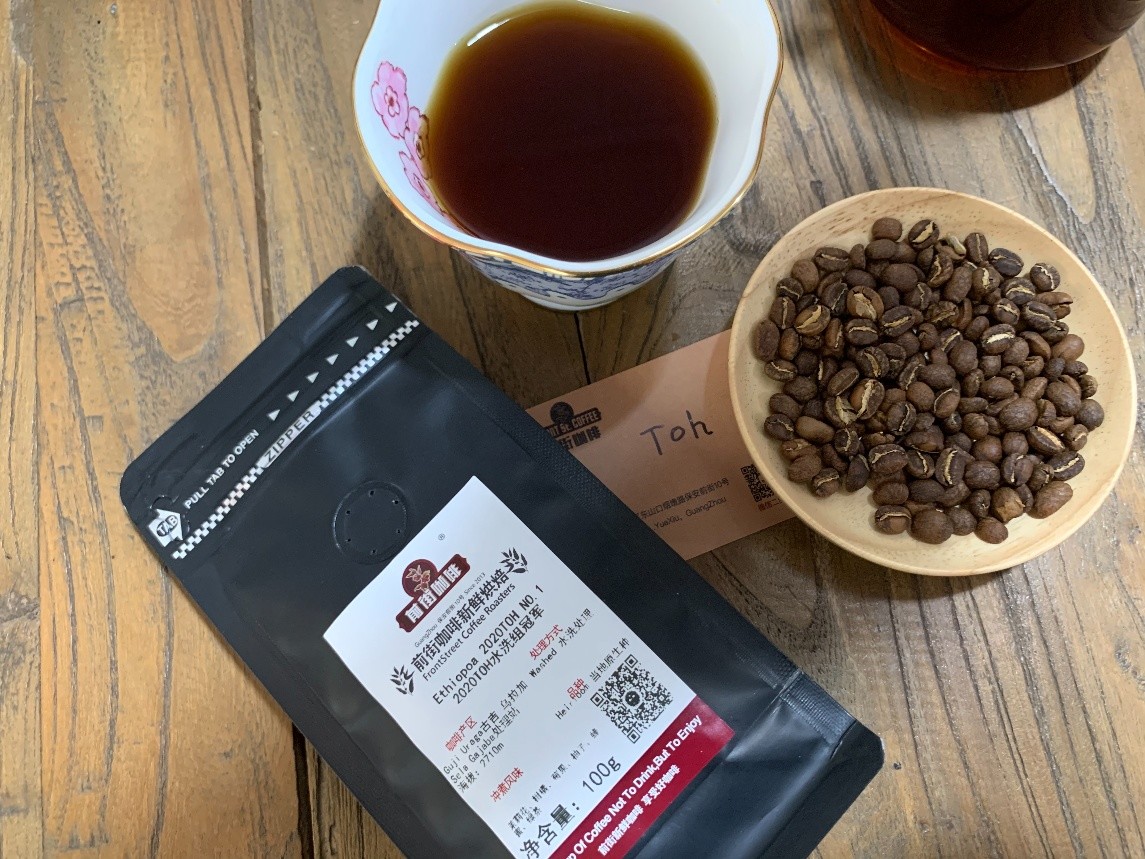
Some of the flavor factors at play:
- Country and region of origin
- Variety of bean
- Roast level
- Grind size
With so many options, remember that there is no right or wrong. You could buy a dark, full-flavored espresso roast and grind it for a drip brewer, for example. Experiment and enjoy the combinations.
Freshness
Buy coffee as soon as possible after roasting. Freshly roasted coffee is essential to a quality cup, so purchase in small quantities — ideally every two weeks.
And never reuse spent grounds. Once brewed, the flavors worth having are gone; all that remains is bitterness.
Grinding
If you buy whole bean coffee, grind as close to brewing time as you can for maximum freshness.
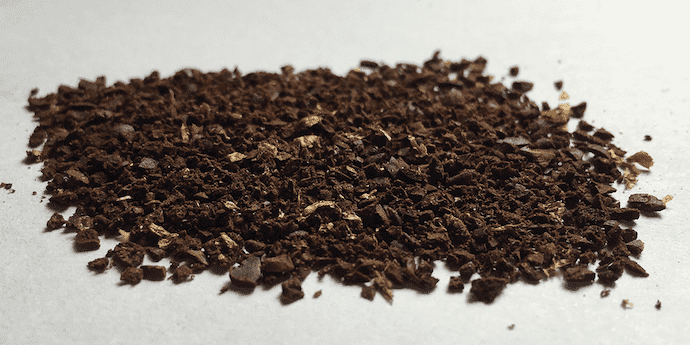
Grind size has an outsized effect on taste. If your coffee tastes bitter, it may be over-extracted or ground too fine. If it tastes flat, it may be under-extracted, meaning the grind is too coarse.
Water
The water you use matters enormously to the quality of the cup. If your tap water is poor, or carries a strong odor or taste such as chlorine, switch to filtered or bottled water.
If you do use tap water, let it run for a few seconds before filling the pot, and always use cold water. Avoid distilled or softened water.
Coffee-to-Water Ratio
The general guideline is the "Golden Ratio": one to two tablespoons of ground coffee for every six ounces of water. Adjust it to suit your taste.
Check the cup lines or indicators on your machine to see how it actually measures. Remember that with some brewing methods a portion of the water is lost to evaporation.
Water temperature and extraction time also deserve attention — both have been covered in earlier articles, so dig into those when you are ready.
Brewed coffee begins losing its peak flavor the moment it is made, so drink it promptly. Otherwise, pour it into a preheated insulated thermos and finish it within one hour.
FrontStreet Coffee Recommendation
Bean selection drives everything else, and FrontStreet Coffee's espresso lineup splits neatly into blends and single-origin SOEs.
FrontStreet Signature Blend — FrontStreet's longest-serving espresso blend, used in the shop for close to a decade and still carrying the house Americanos and milk drinks. It pairs Brazilian Cerrado with Colombian Huila for a classic, familiar espresso profile. It works equally well at home and in a café.
FrontStreet Classic Blend — built for espresso and moka pot, and its standout advantage is crema. Even a beginner on a non-professional home machine can pull thick, fine crema from it. Lattes, cappuccinos and Dirty coffees all depend on good crema, and this blend delivers. It follows the traditional Mamba recipe — a Mandheling and Brazil combination — for a rich, mellow, approachable cup.
FrontStreet Black Cocoa Blend — a value-focused commercial option made from 100% Arabica, with abundant crema and a full body at a friendly price. It balances quality and cost, which makes it a practical choice for shops watching their budget.
FrontStreet Hua Kui Natural SOE — for anyone exploring single-origin espresso, this one is grown in Hambella, Guji, Ethiopia at 2,300 meters. The high altitude gives the fruit a long growing season and a complex aroma, and natural processing builds sweetness. Medium roasting keeps the elegant floral and fruit notes while adding caramelization, so Hua Kui SOE Americanos and lattes show cream, cocoa, berries, light florals and black tea.
FrontStreet Brazil Queen's Estate SOE — Brazil's low acidity, soft body and accessible price make it a favorite base for specialty espresso, offering chocolate, nut and cream aromas with the stable balance that extraction rewards. Queen's Estate is a yellow Bourbon with a clean, gently sweet profile; roasted medium-dark and pulled on an espresso machine, it shows butter cookie, macadamia and toasted bread with a milky sweetness.
Important Notice :
FrontStreet Coffee is a long-established specialty coffee roaster in Guangzhou China, selling freshly roasted beans from its own farm in Yunnan as well as dozens of carefully selected single-origin beans from around the world for both pour-over and espresso. The products deliver consistently excellent quality and great value, with shipping within 24 hours. Guangzhou's FrontStreet Coffee shop is recommended by many coffee lovers, and the beans are now available online at the Tmall 。
FrontStreet Coffee has moved to a new address:
FrontStreet Coffee Address: 315,Donghua East Road,GuangZhou
Tel:020 38364473
 Scan and follow the En Gafei WeChat official account. Please indicate that the reprint comes from "En Gafei".

