Does Coffee Really Have So Many Flavors? How to Learn to Distinguish Coffee Flavors? 85 Types of Coffee Flavors
Introduction
Single-origin coffee is more popular than ever. When a barista hands you a fragrant cup of single-origin coffee along with a flavor description card, you sip the coffee while glancing at the little card and wonder: does this cup really have so many flavors, and why can't I taste any of the ones written on the card?
The Incredible Variety of Coffee Flavors
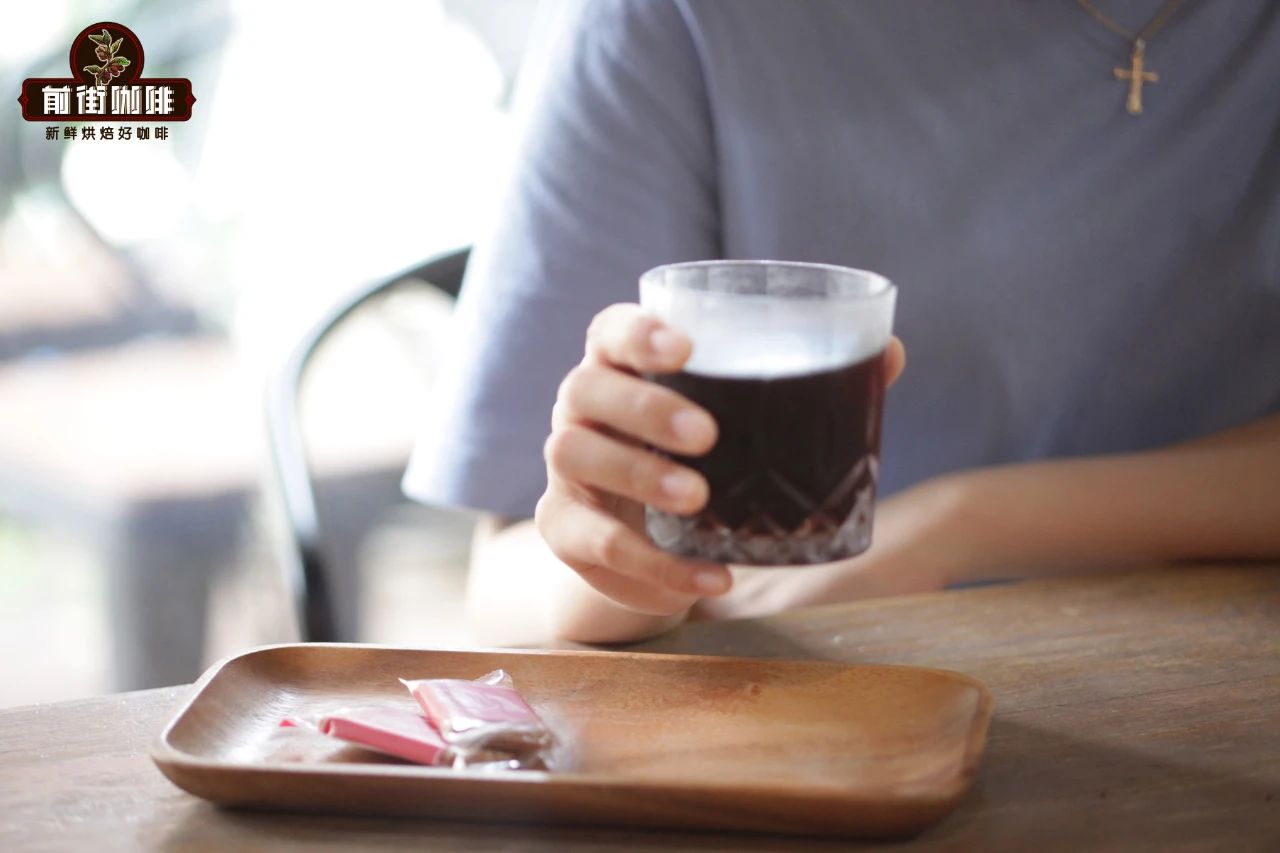
Scientists have isolated more than 850 different compounds from a single cup of black coffee, and the way those compounds combine is what creates different flavors. Today there are 85 common coffee flavor categories, and these are the specific flavors described on the SCAA's new flavor wheel. In everyday life, the range of coffee flavor descriptions is even wider.
How to Distinguish Coffee Flavors Like a Barista
Baristas can taste so many flavors in coffee not because they have an unusually keen palate, but because they pay closer attention to what they are tasting. Most of us, faced with a delicious drink or dish, simply exclaim, "It's delicious!" A barista, by contrast, will stop to consider which specific flavors are present and what substances they come from.
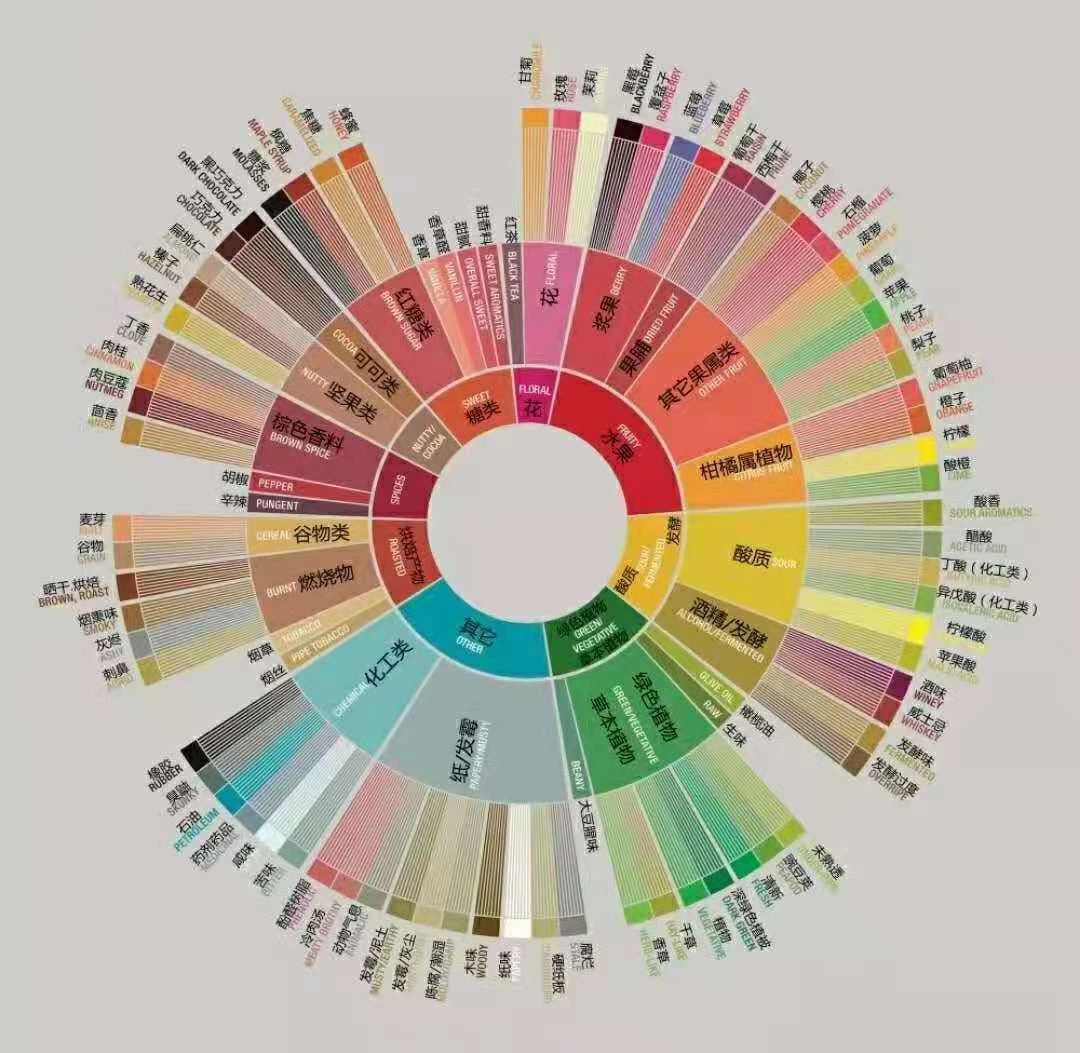
As the new coffee flavor wheel shows, it consists of three rings. The inner ring represents general categories, the broad flavor directions most people can distinguish. Everyone, for instance, can tell that a lightly roasted Yirgacheffe has fruity flavors, while a dark roasted Mandheling has nutty and cocoa flavors.
The middle ring represents secondary detailed classifications, the rough subdivisions within each general category. A lightly roasted Yirgacheffe, for example, has citrus fruit flavors, while a dark roasted Mandheling has nutty flavors. Distinguishing flavors at the middle-ring level is much harder than at the inner ring.
The outer ring holds the most numerous analogical flavor details. To describe a coffee precisely at this level, you would say it tastes similar to (analogous to) certain specific items. Being able to describe flavors this precisely is what every coffee lover aspires to. A lightly roasted Yirgacheffe, for instance, has lemon and orange flavors, while a dark roasted Mandheling has hazelnut and dark chocolate flavors.
Note: The term "barista" here refers to anyone working in the coffee industry.
So if you want to distinguish coffee's many flavors the way a barista does, it takes serious mental effort and time. FrontStreet Coffee would like to share a few insights.
① Build a Flavor Memory Library - Eat More and Taste More
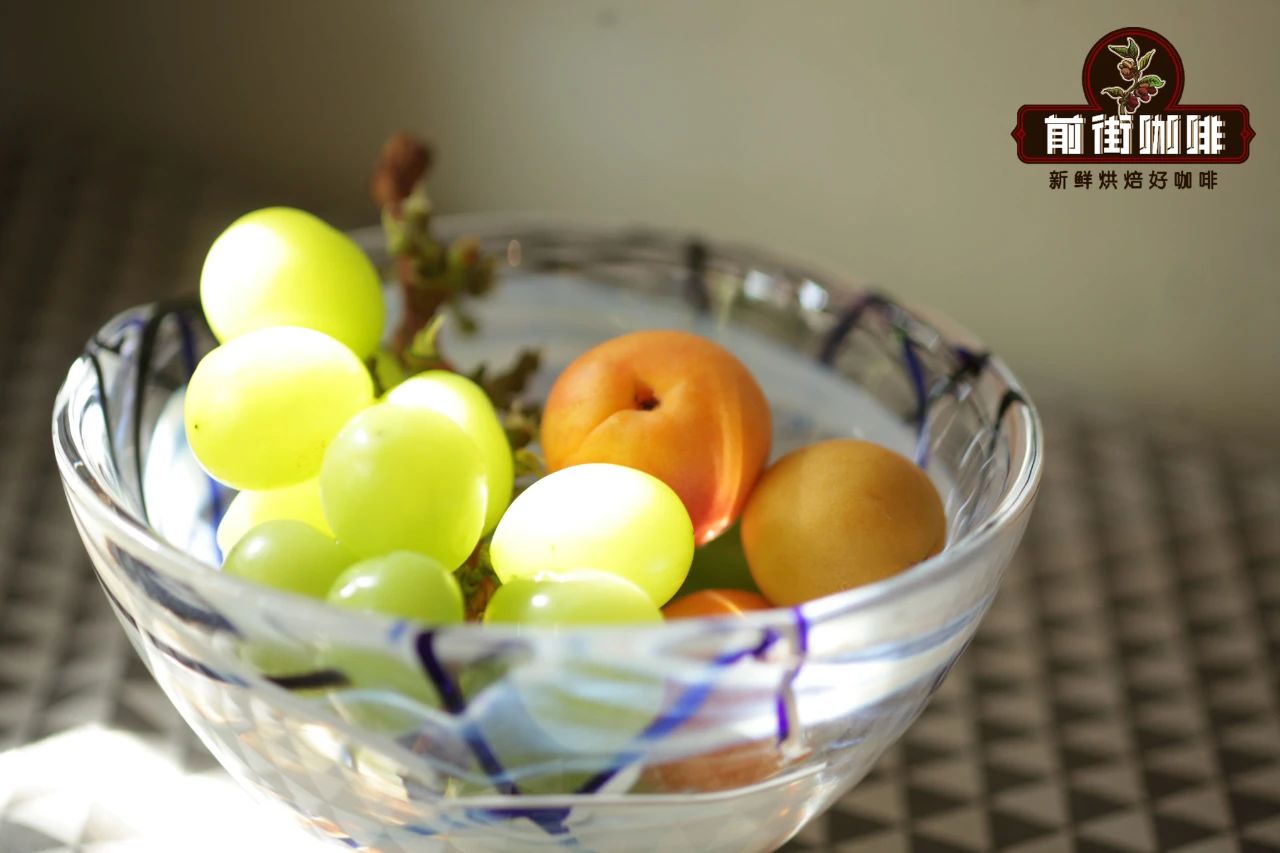
Most coffee flavors fall into categories such as herbaceous plants, fermented products, fruits, flowers, sugars, nuts and cocoa, and spices. These are all things we encounter regularly in daily life. The first step in learning to distinguish coffee flavors is to taste and remember the flavors of these analogous items. Only by having tasted kiwi can you know what kiwi tastes like. This is a process of persistence and accumulation over time. (Suddenly reminded of the tearful days of memorizing English vocabulary)
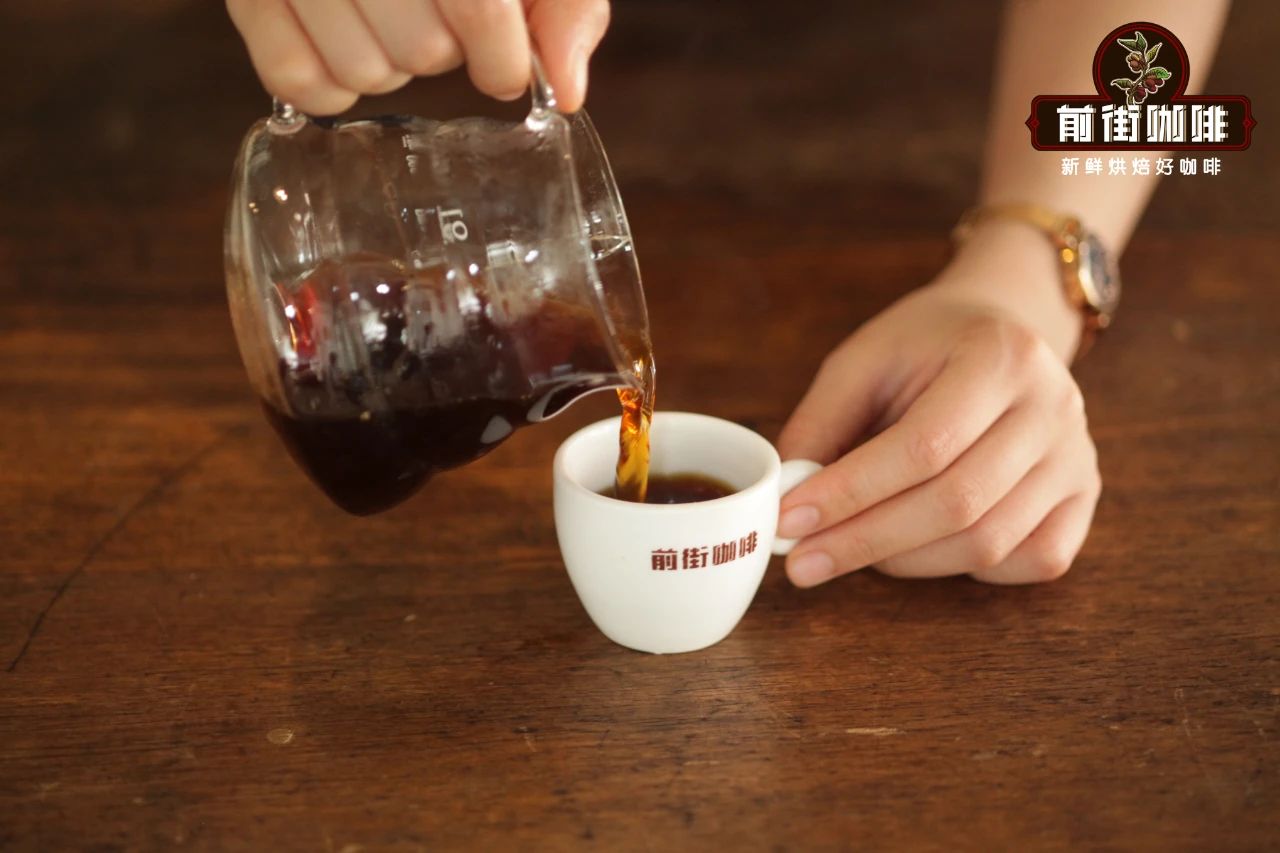
As for how to taste, it is certainly not about gobbling. Just as when we taste coffee, it is a multi-sensory experience involving smell, taste, and touch. Approaching every food you eat with this tasting attitude will help you remember the flavors more deeply.
② Be Good at Association - Coffee Flavors are Complex
You need to understand that a cup of coffee cannot be 100% a particular flavor. When a coffee is described as having citrus flavors, that does not mean it is 100% orange flavored, otherwise it would just be orange juice. When we taste a cup of Yirgacheffe, for example, we experience "a wafting aroma containing some floral notes mixed with berry fragrance, while the acidity tastes like eating citrus, the sweetness is like honey, and the aftertaste is like the feeling after drinking green tea." These are not 100% matches, but there is at least a 70%-80% similarity.
That is why a single coffee bean often carries a flavor description listing several flavors. When you learn to distinguish one specific flavor in a coffee, you have made great progress, but it is still far from enough. Some talented cuppers can identify dozens of flavors in a single cup. As consumers, being able to identify 3 flavors in each coffee is already quite impressive.
③ Participate More in Exchanges
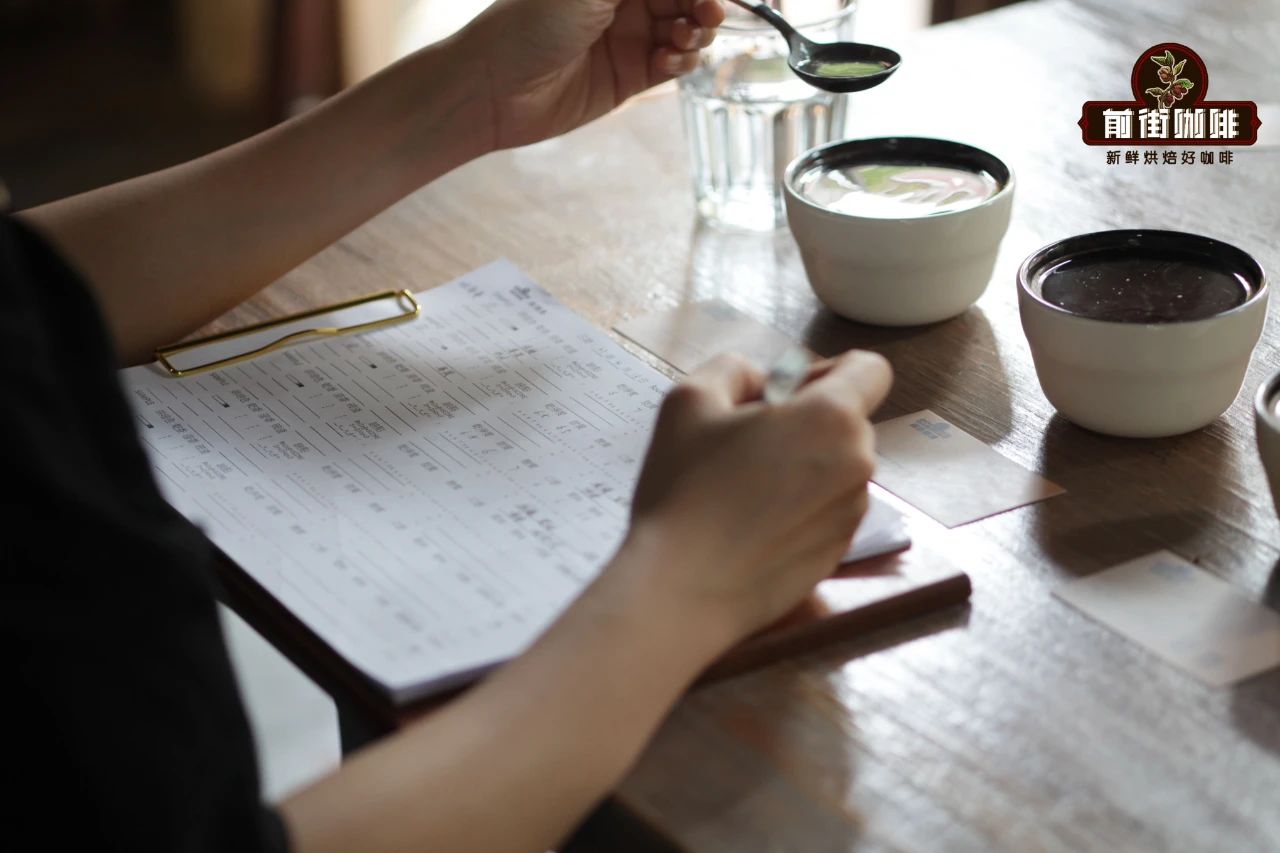
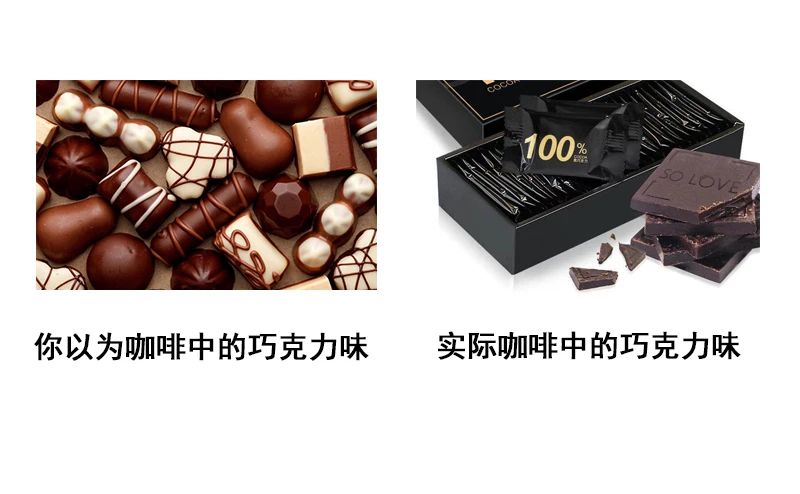
There is a situation where you can distinguish coffee flavors but find it hard to put them into words. That is when you need to communicate more with others. Working in isolation can leave you closed off, whereas through exchange you absorb ideas you had not considered. Another benefit of communication is that it helps everyone calibrate their flavor recognition. Since everyone's preferences and experiences differ, their understanding of a given flavor may not be consistent. The dark chocolate in coffee flavors, for example, refers to 100% pure dark chocolate, unlike the sweetened chocolate we typically encounter.
FrontStreet Coffee Recommendation
A great way to train your palate is to start with a classic washed Yirgacheffe, which FrontStreet offers as an affordable everyday single origin; it is known for white jasmine florals, bright citrus and lemon acidity, and a tea-like finish. For more complexity, try FrontStreet's Gedeb Gedeb cooperative coffee, a traditional washed Yirgacheffe from the Worka area with clean, bright citrus and jasmine notes. FrontStreet's natural-process Red Cherry, picked from fully ripe fruit and sun-dried, adds tropical fruit, berry juiciness, honey sweetness, and a creamy texture.
Important Notice :
FrontStreet Coffee is a long-established specialty coffee roaster in Guangzhou China, selling freshly roasted beans from its own farm in Yunnan as well as dozens of carefully selected single-origin beans from around the world for both pour-over and espresso. The products deliver consistently excellent quality and great value, with shipping within 24 hours. Guangzhou's FrontStreet Coffee shop is recommended by many coffee lovers, and the beans are now available online at the Tmall 。
FrontStreet Coffee has moved to a new address:
FrontStreet Coffee Address: 315,Donghua East Road,GuangZhou
Tel:020 38364473
 Scan and follow the En Gafei WeChat official account. Please indicate that the reprint comes from "En Gafei".