Reasons for Stomach Discomfort After Drinking Coffee - Avoiding Coffee Acidity and Relieving Gastric Discomfort
Coffee is one of the most popular beverages in the world.
It not only sharpens alertness but may offer many other benefits, from improved mood, mental performance, and athletic output to reduced risk of heart disease and Alzheimer's. Yet some people find that coffee upsets their digestive system. Why does your stomach gurgle and feel uncomfortable after a cup?
Why Coffee Causes Stomach Discomfort
Coffee contains several compounds that can irritate the stomach.
Caffeine is a natural stimulant that keeps you awake — and it's one of the culprits. Coffee acids are another. Even common additions like milk, cream, sugar, or sweeteners can be the source of trouble.
An 8-ounce (240 ml) cup of coffee contains roughly 95 mg of caffeine.
Beyond being a potent psychoactive stimulant, caffeine increases the frequency of contractions throughout your digestive tract. An earlier 1998 study found that caffeinated coffee stimulated the colon 23% more than decaffeinated coffee and 60% more than water — clear evidence that caffeine strongly stimulates the lower intestine.
Some research also suggests caffeine may boost stomach acid production, which can bother an especially sensitive stomach.
Coffee Acids
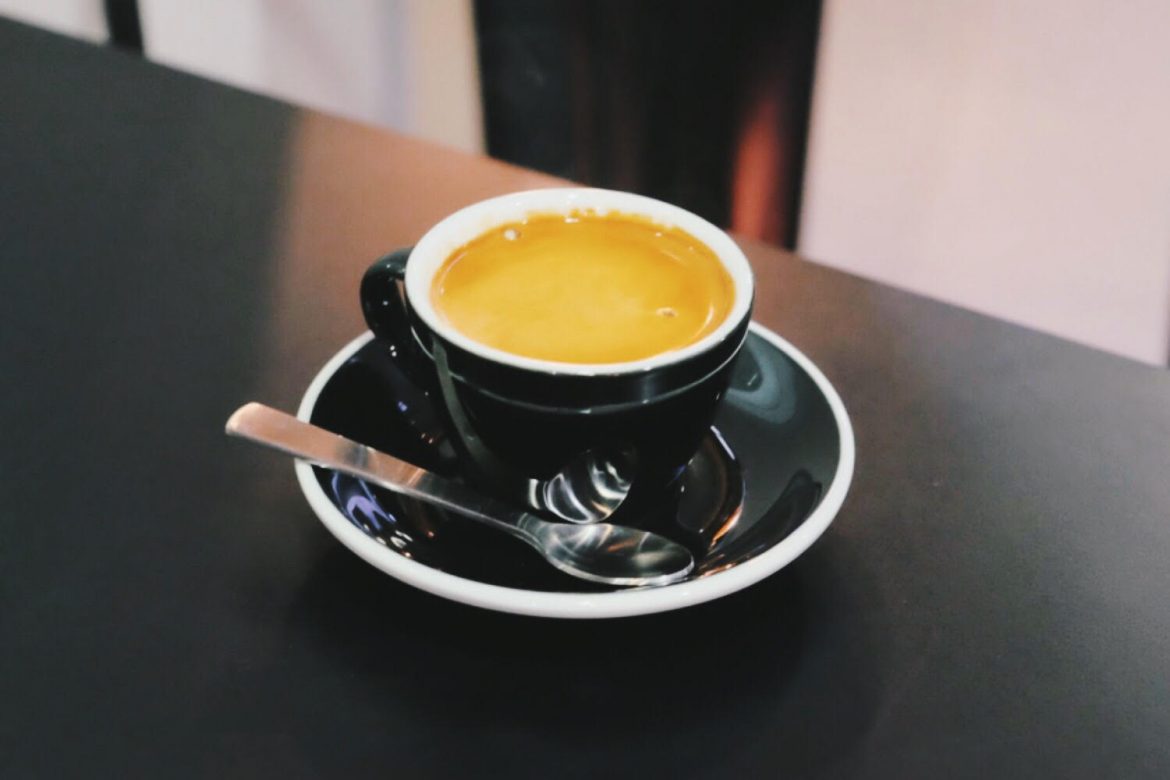
Caffeine usually takes the blame, but research shows coffee acids play a role too.
Coffee contains many acids — chlorogenic acid and N-alkanoyl-5-hydroxytryptamine among them — shown to increase stomach acid production. Stomach acid helps break food down so it can pass through the intestines. And while some people report that coffee worsens heartburn, the research remains inconclusive and hasn't established a significant connection.
Other Additives
Sometimes coffee itself isn't the problem at all.
The discomfort may come from milk, cream, sweeteners, or sugar — which more than two-thirds of Americans add to their coffee.
Does Decaf Cause Stomach Discomfort?
In some cases, switching to decaf can help — namely when caffeine is the main culprit.
That said, decaffeinated coffee still contains coffee acids such as chlorogenic acid and N-alkanoyl-5-hydroxytryptamine, which are associated with increased stomach acid and intestinal contractions. And milk, cream, sugar, or sweeteners added to decaf can still cause problems for people sensitive to them.
Tips to Avoid Stomach Discomfort
If coffee bothers your stomach, several habits can soften the blow. Sip slowly rather than gulping, and avoid drinking on an empty stomach — coffee is acidic, so having it with food eases digestion.
A few more ways to reduce coffee acidity:
- Choose darker roasts. One study found that beans roasted longer and at higher temperatures have lower acidity — dark roasts are generally gentler than light ones.
- Try cold brew or iced drip. Studies show cold brew is less acidic than hot coffee.
- Grind coarser. Finer grounds may extract more acid during brewing.
If you like milk in your coffee but are lactose intolerant, switch to plant-based options such as soy or almond milk.
In short: caffeine, coffee acids, and additives like milk, cream, sugar, and sweeteners can all unsettle the stomach — and most of these, except caffeine itself, are still present in decaf.
FrontStreet Coffee Recommendation
Choosing a gentler, lower-caffeine pour-over is simpler than it sounds: skip Robusta entirely and stick with 100% Arabica. Arabica grows at 800–2200 meters in frost-free highlands, where bigger day-night temperature swings slow the cherries' ripening and let flavor compounds accumulate more fully. FrontStreet Coffee's recommendations all fall on the Arabica side of the line.
For low-acid, stomach-friendly cups, the medium-roast FrontStreet Yunnan Arabica (nuts, herbs, chocolate, caramel, with only a faint fruity finish) and the FrontStreet Colombia washed Huila (black chocolate, cream, hazelnut, toffee — from Huila's 1800-meter-plus highlands) are both smooth and easy on the palate. The FrontStreet PWN Golden Mandheling, triple hand-sorted after wet-hulling, delivers full body and sweetness with herbs, spice, and wood notes — classic comfort coffee. If you want to cut caffeine without giving up coffee, these darker, balanced roasts paired with a coarser grind and a cold-brew method are the kindest combination for a sensitive stomach.
Important Notice :
FrontStreet Coffee is a long-established specialty coffee roaster in Guangzhou China, selling freshly roasted beans from its own farm in Yunnan as well as dozens of carefully selected single-origin beans from around the world for both pour-over and espresso. The products deliver consistently excellent quality and great value, with shipping within 24 hours. Guangzhou's FrontStreet Coffee shop is recommended by many coffee lovers, and the beans are now available online at the Tmall 。
FrontStreet Coffee has moved to a new address:
FrontStreet Coffee Address: 315,Donghua East Road,GuangZhou
Tel:020 38364473
 Scan and follow the En Gafei WeChat official account. Please indicate that the reprint comes from "En Gafei".