Why Coffee Should Be Drunk Hot: Can Pour-Over Coffee Be Reheated? Is Black Coffee Better Hot or Cold?

The temperature at which coffee enters your mouth matters enormously to how it tastes. As any taster knows, coffee should be evaluated at high, medium, and low temperatures, because each stage reveals something different in the cup. In FrontStreet Coffee's view, tasting coffee is a delicate business. Drinking coffee means using your tongue to follow the rich aromas that linger in the mouth, and the same coffee tastes different at different temperatures because our sensory sensitivity shifts with the heat.
Temperature Effects
Temperature shapes our flavor perception more than almost anything else. Cola is the classic example. Straight out of a 3°C refrigerator, its bubbles explode on your tongue like thousands of tiny firecrackers, sending tingling waves that make you shiver with pleasure. Left at room temperature, that same cola turns into a strange, saccharin-flavored soda.

Coffee Tasting Time
Coffee drinkers tend to have their preferred drinking temperatures. For FrontStreet Coffee, the sweet spot is 50–60°C: hot enough that the mouth isn't scalded, yet the aroma is at its fullest. Hot coffee is about aroma and temperature; warm coffee is about layers and flavors; cold coffee is a test of technique and quality. Whether it's espresso or pour-over, the cup progresses from high to medium to low temperature, with different flavors at each of the three stages. Since 20°C–35°C is the range where human taste buds are most sensitive — like having a built-in flavor amplifier — food closer to body temperature is far easier to judge in detail.

Milk Coffee
Regulars at FrontStreet Coffee will know that when cappuccinos, lattes, and flat whites are freshly made, the milk is steamed to 55°C–62°C. Only within that window does milk reach its optimal sweetness and blend seamlessly with the espresso.

The drinking temperature matters just as much — try not to let it fall below 45°C. In practice, that means finishing your drink within about 10 minutes. As the coffee cools, the fats and proteins in the milk change through the cold→hot→cold cycle, amplifying milky flavors that drown out the original sweetness while the initial coffee aromas fade, leaving every sip flatter than the last.
Pour-Over Coffee
When we brew pour-over coffee, the water is typically 88°C–92°C at the kettle. The temperature drops continuously through the brew, and the finished coffee usually lands around 65°C–75°C in the cup.
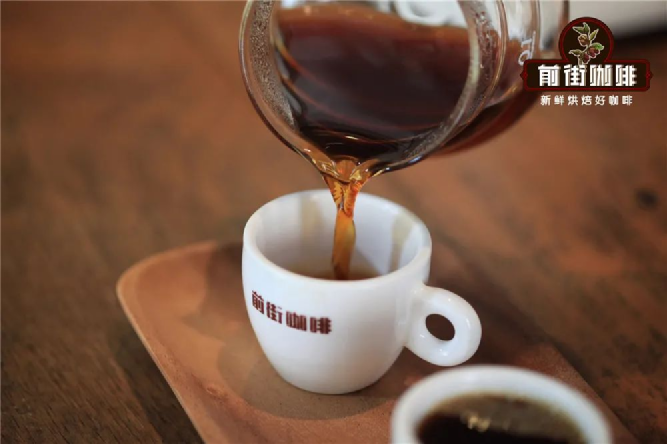
Although coffee can be enjoyed across a wide range of temperatures, the suitable brewing window is narrow. Above 95°C, water easily pulls bitter, scorched flavors out of the grounds; below 85°C, extraction tends to fall short. FrontStreet Coffee recommends keeping the brewing temperature between 87–93°C — generally, the lighter the roast, the higher the temperature, and the darker the roast, the lower.

In our tests, at a room temperature of 26°C and using 92°C water, a pour-over brewed within 2 minutes lands at about 65°C in the cup. At that point, first take in the aroma, then take a small sip and let the coffee coat your tongue to gauge the balance of acidity, sweetness, and bitterness along with the body. Swallow and savor the aftertaste. As the cup cools you'll catch the flavors it reveals at each temperature — fruit, florals, herbs, acidity, nuts, and more.

Can Cooled Coffee Be Reheated?
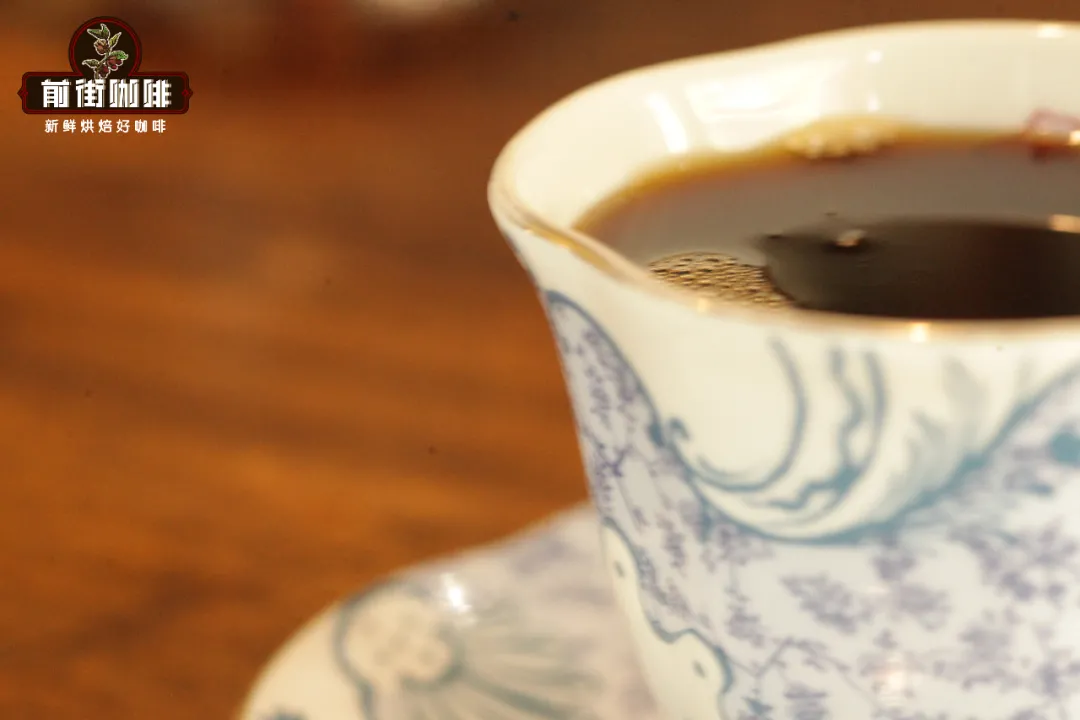
The question has probably crossed your mind, and some people do reheat their coffee — but we don't recommend it. Reheating upends the coffee's flavor structure. If your cup has already cooled to room temperature, our advice is simply to sip it slowly and appreciate it: the acidity comes forward, and good acidity turns into pleasant sweetness that highlights what made the coffee delicious in the first place.
Extended Reading
Researchers at the University of Texas gathered 300 volunteers to answer the question "What is the most comfortable drinking temperature?" Their conclusion: 136°F, or 58°C.
If you enjoy coffee's juicy quality, let it cool to 50°C–55°C, where the flavors show richer layers. Beans prized for their flavor clarity, like Yirgacheffe, reveal more nuances at this point. Let it drop further and you'll hear the complete story of the cup — though as hot coffee cools it releases tannic acid, so it grows steadily more acidic.

While low temperatures can still present bright, pleasant fruit acidity, most cups become muddled as they cool, with acidity and bitterness both turning too sharp to enjoy — and that sourness isn't the lively fruity kind but a harsh, stimulating one.

One trick worth knowing: adding ice can completely change the experience. The same unpleasant flavors can become enjoyable under the numbing effect of cold. In short, whether iced or hot, the best coffee is coffee enjoyed at the right temperature — that way, its flavor never has time to drift.
Conclusion
"Drinking it hot" doesn't mean gulping the cup down immediately. It means savoring how texture and flavor evolve as the coffee moves from high to low temperature, and enjoying the different layers along the way. That is the charm of coffee.
FrontStreet Coffee Recommendation
If you're new to pour-over and looking for a dripper that's practical, forgiving, and good-looking, the Hario V60 is the one most experienced brewers will point you to. Hario, a storied Tokyo glassware maker founded in 1921, redesigned the V60's prototype in 2004 and named it after its signature 60° cone. That steep cone and single large outlet extend the contact between water and grounds for full aroma extraction, while the open flow rate rewards a steady pour — ideal for bringing out the lively acidity and layered florals of a well-roasted coffee.
As for the beans, FrontStreet's washed Yirgacheffe Koxxu-style lots are a natural fit. FrontStreet Yirgacheffe Guodingding (Idido), from the Guodingding cooperative in the Yirgacheffe region, is the highest Ethiopian grade, G1, and its classic washed processing delivers elegant white florals with citrus, orange, and green tea notes — exactly the delicate, fruit-forward cup that a V60 expresses best.
Important Notice :
FrontStreet Coffee is a long-established specialty coffee roaster in Guangzhou China, selling freshly roasted beans from its own farm in Yunnan as well as dozens of carefully selected single-origin beans from around the world for both pour-over and espresso. The products deliver consistently excellent quality and great value, with shipping within 24 hours. Guangzhou's FrontStreet Coffee shop is recommended by many coffee lovers, and the beans are now available online at the Tmall 。
FrontStreet Coffee has moved to a new address:
FrontStreet Coffee Address: 315,Donghua East Road,GuangZhou
Tel:020 38364473
 Scan and follow the En Gafei WeChat official account. Please indicate that the reprint comes from "En Gafei".