What Equipment Do You Need to Get Started with Pour-Over Coffee? How to Choose a Home Coffee Grinder?
Introduction
Still stuck on which brewing gear to buy? Dazzled by the endless rows of drippers, kettles, and grinders, unsure where to start? Don't worry — this FrontStreet Coffee guide walks beginners through choosing pour-over equipment that actually works.
Coffee Grinder Selection
The grinder matters! The grinder matters! The grinder matters! Prices on the market are all over the map, from manual grinders costing tens of yuan to electric machines in the tens of thousands. Many beginners assume grinders are expensive, so they grab the cheapest option — or worse, a spiral-blade grinder never designed for coffee.
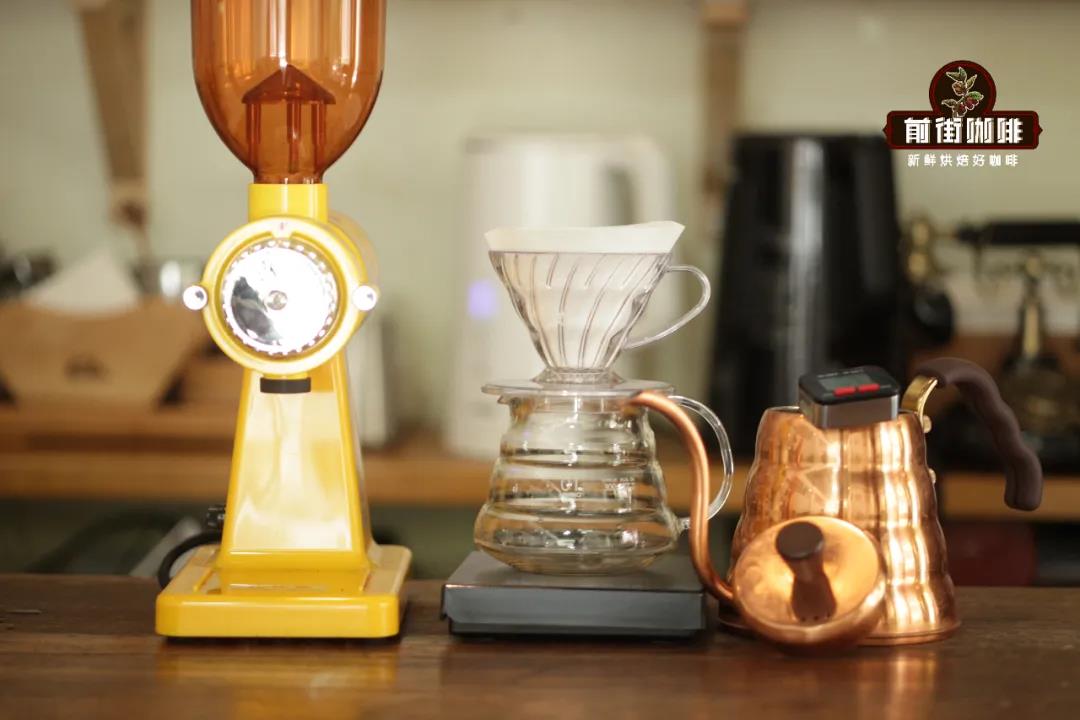
Price does determine quality here. But for daily home brewing rather than shop production, FrontStreet Coffee suggests a budget of 500-2000 yuan for a manual grinder, or 1500-5000 yuan for an electric one.
Why are coffee grinders so expensive? The burrs.
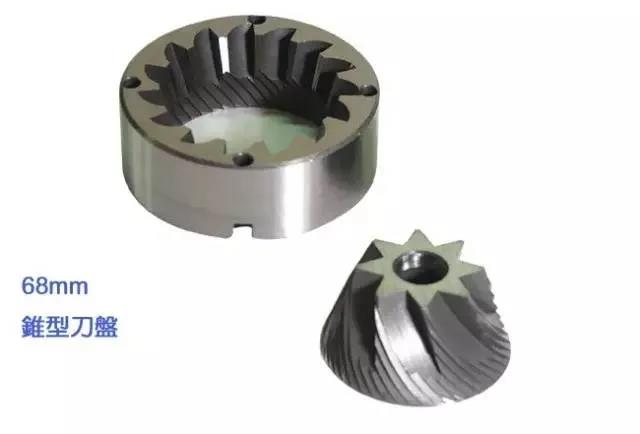
As the grinder's most important component, the burrs directly shape the particle size distribution — which decides whether your grounds are uniform. Grind consistency has a huge impact on how a pour-over tastes. Common burr types today include conical, flat, and ghost tooth burrs; conical and ghost tooth burrs are used specifically for pour-over grinding.
Conical burrs crush the beans into particles, so the grounds are mostly block-shaped. They're common in manual grinders. Because the "crushing" action bursts the beans, a fair amount of dust-like fines is produced, and the particles themselves are irregular blocks — though overall fairly uniform. The conical shape gives water a longer absorption path and more contact time, so fewer solubles release early and concentration doesn't spike; over a long extraction, the woodier particles absorb less water, making off-flavors and astringency less likely.
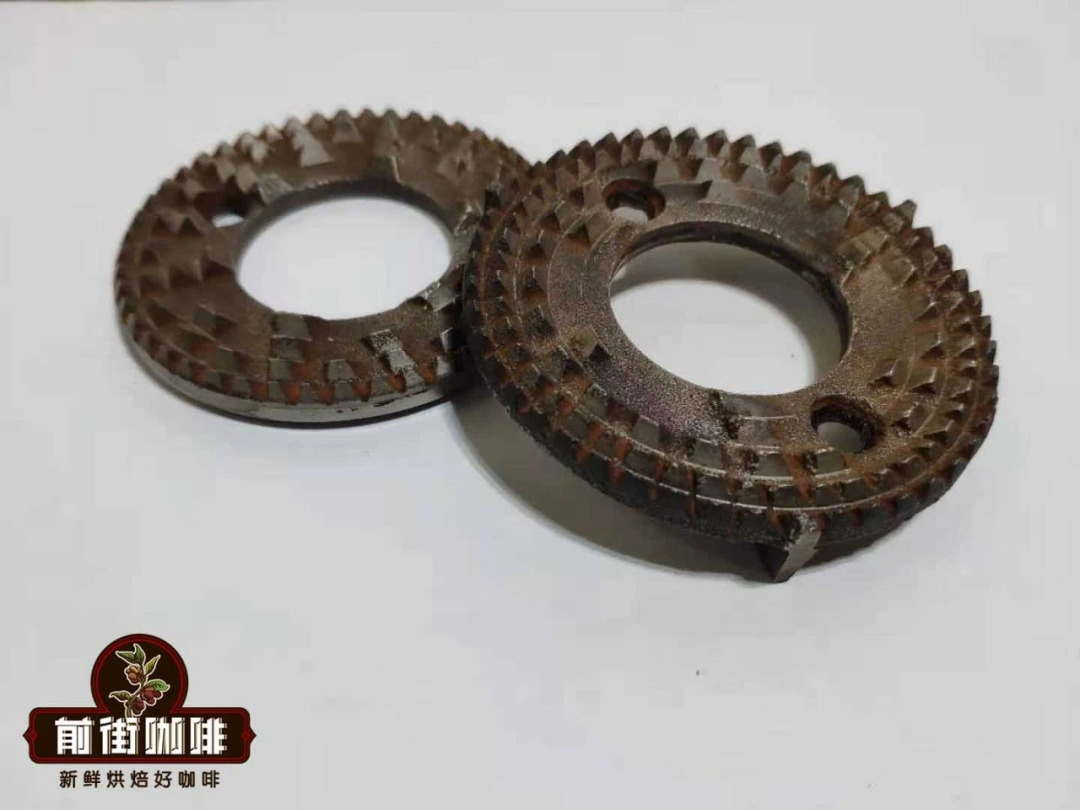
Ghost tooth burrs grind the beans rather than crush them, producing particles closer to spheres. Because one bean becomes several small spherical particles, grinding spheres generates more edge waste — fines. But the spread between the largest particles is the smallest of any burr type, which is why ghost tooth grinds are prized for evenness.
Buying a Grind Calibration Sieve
Grind size decides how the whole cup tastes, so finding the right setting is critical. FrontStreet Coffee has noticed that the main reason enthusiasts struggle at home isn't technique — it's never nailing the grind: too fine turns bitter and astringent, too coarse leaves the flavors behind.
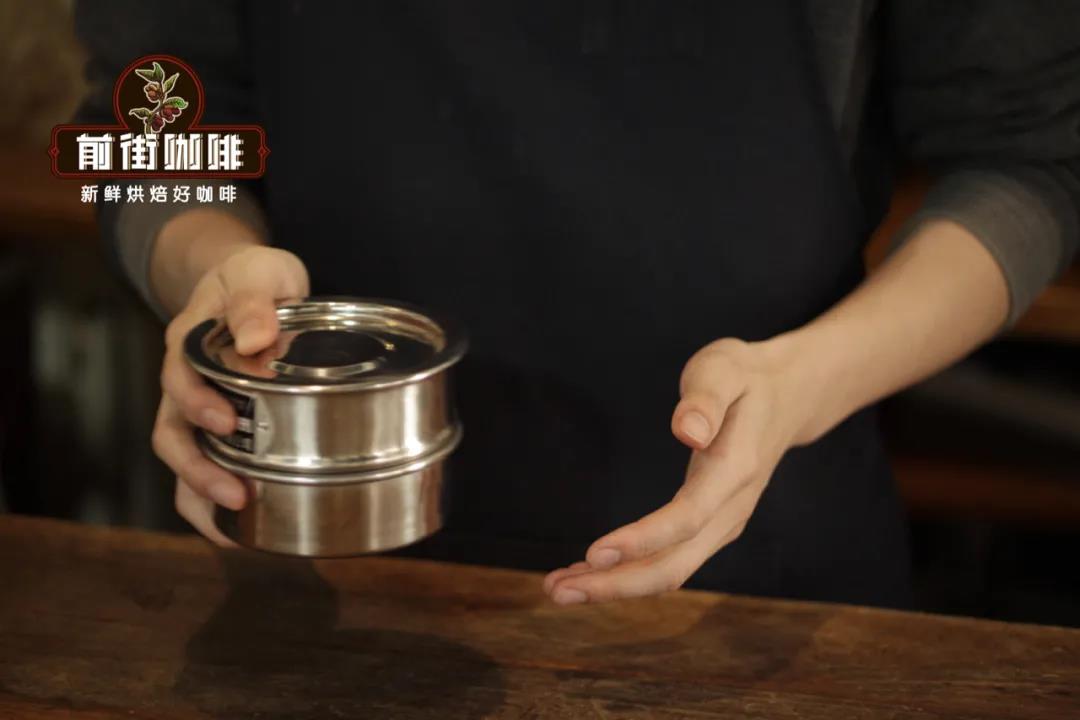
FrontStreet Coffee recommends a medium grind for pour-over. But how coarse is "medium"? Grind scales on grinders are wildly inconsistent across brands, so the reliable answer is a 0.85mm #20 standard sieve.
For light to medium roast pour-over beans, aim for a pass rate of about 75%-80%. For medium to dark roasts, about 65%-70% is most suitable.
Pour-Over Kettle Selection
Beyond drippers, kettles come in countless styles — and many beginners shop by color. (Hey, wrong focus!) What matters is the spout and the capacity. FrontStreet Coffee recommends a gooseneck narrow-spout kettle. It looks like this:
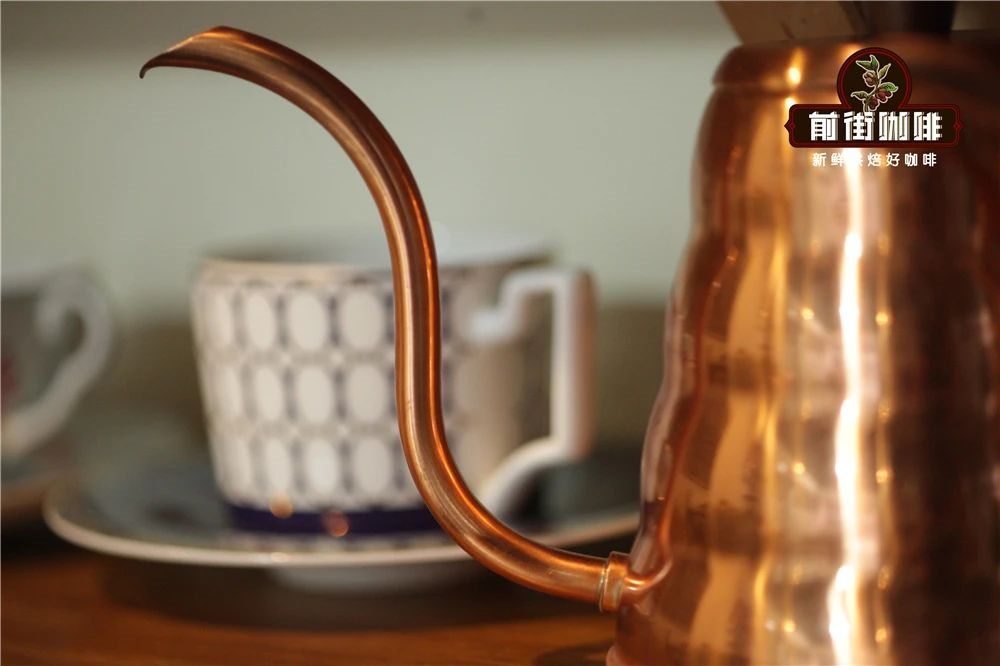
Capacity determines the kettle's center of gravity, and the center of gravity determines how stable your water stream is. Too small, and the kettle feels unsteady in the hand; too large, and the flow is rock-stable but the kettle gets heavy. FrontStreet Coffee recommends 500-600ml.
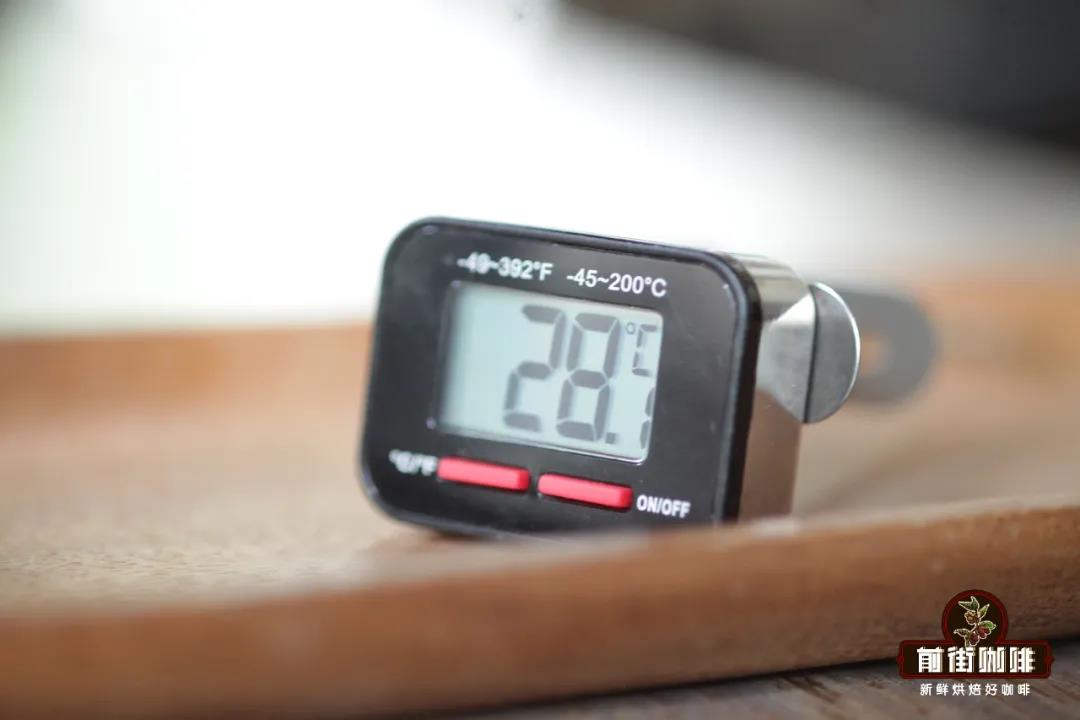
Temperature-controlled kettle or plain one? Either works. With budget to spare, buy the temperature-controlled version; on a tighter budget, get a regular kettle plus a digital thermometer.
Dripper Selection
The variety of drippers on the market is dazzling, and different shapes brew differently. But before obsessing over styles, start with a V60 — there's no single-origin bean a V60 can't handle!
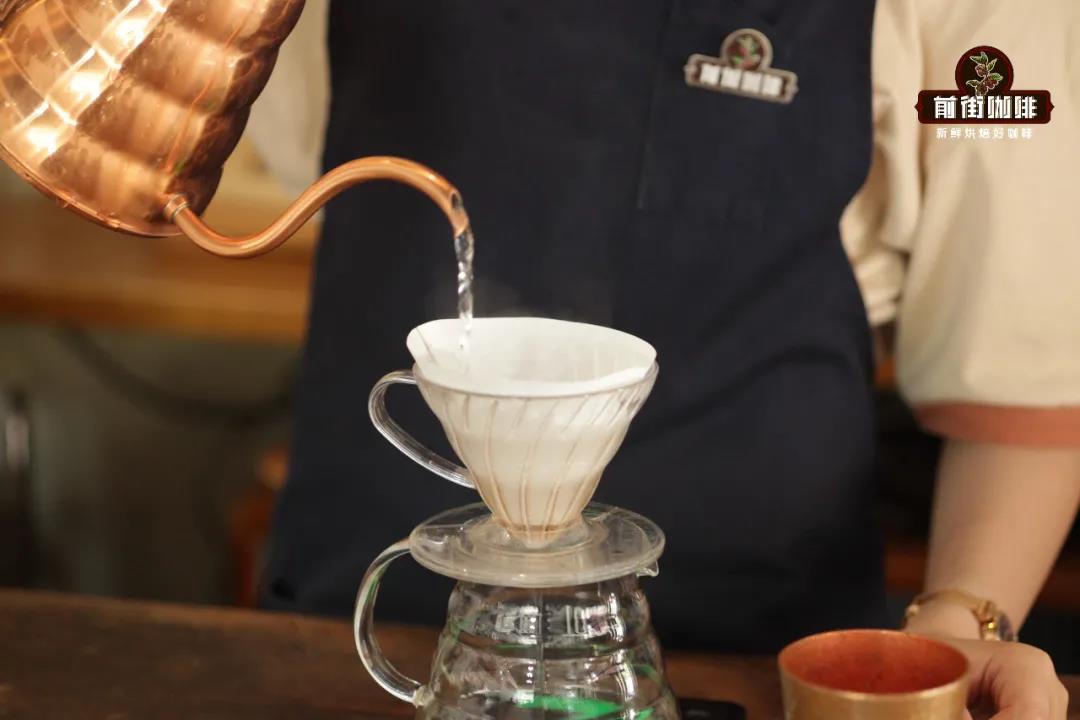
The V60 is named for its 60-degree cone. That angle guides water toward the center, extending contact time between water and coffee. The large-diameter outlet lets you control extraction by changing your pour rate — flow control is entirely in the brewer's hands. And the spiral ribs (exhaust channels) let air escape upward on all sides, maximizing degassing of the coffee bed.
Filter Paper Selection
Filter paper shape and size determine how well it seats in the dripper. Mismatched paper leaves gaps between paper and wall, bypassing the ribs and undermining the dripper's flow-guiding design — leading to uneven extraction. So check your dripper's model number and buy matching paper.
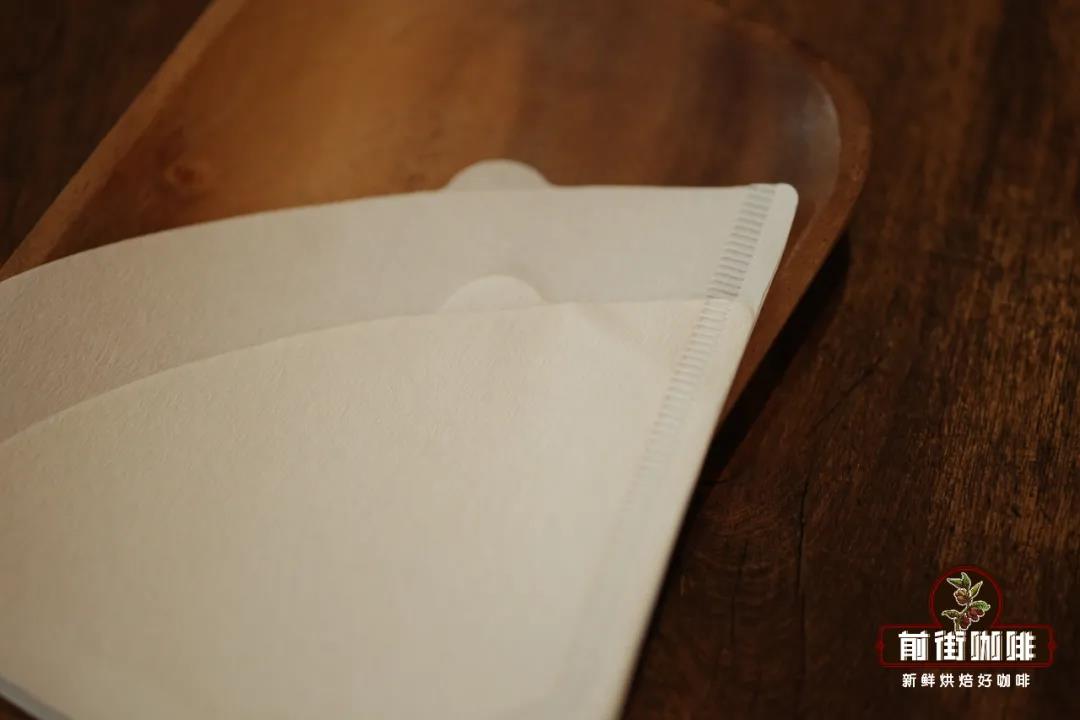
Natural (unbleached) or bleached paper? Natural paper is light brown with a noticeable papery taste; bleached paper is white with almost none. FrontStreet Coffee prefers bleached — the paper taste is imperceptible and won't touch the coffee's flavor.
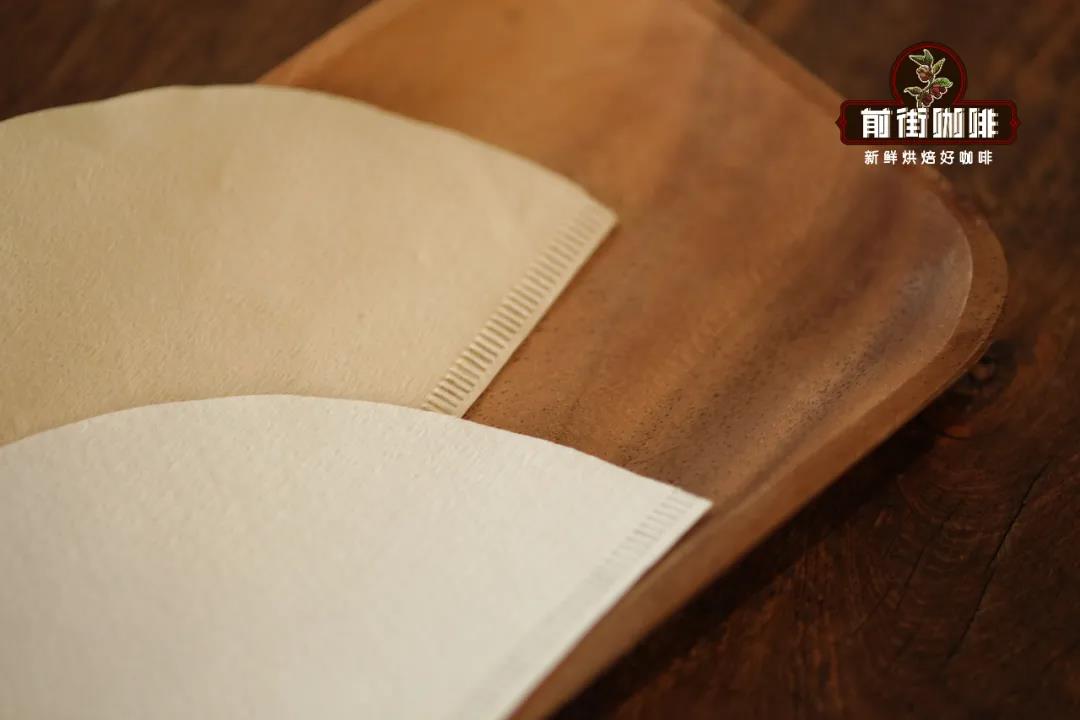
Worried bleached paper is toxic? The major brands now use enzyme bleaching — biologically active enzymes rather than harsh chemicals, a method widely used in medicine. So buy filter paper from reputable brands at reasonable prices; suspiciously cheap paper can't guarantee quality in material, sizing, or bleaching.
Digital Scale Selection
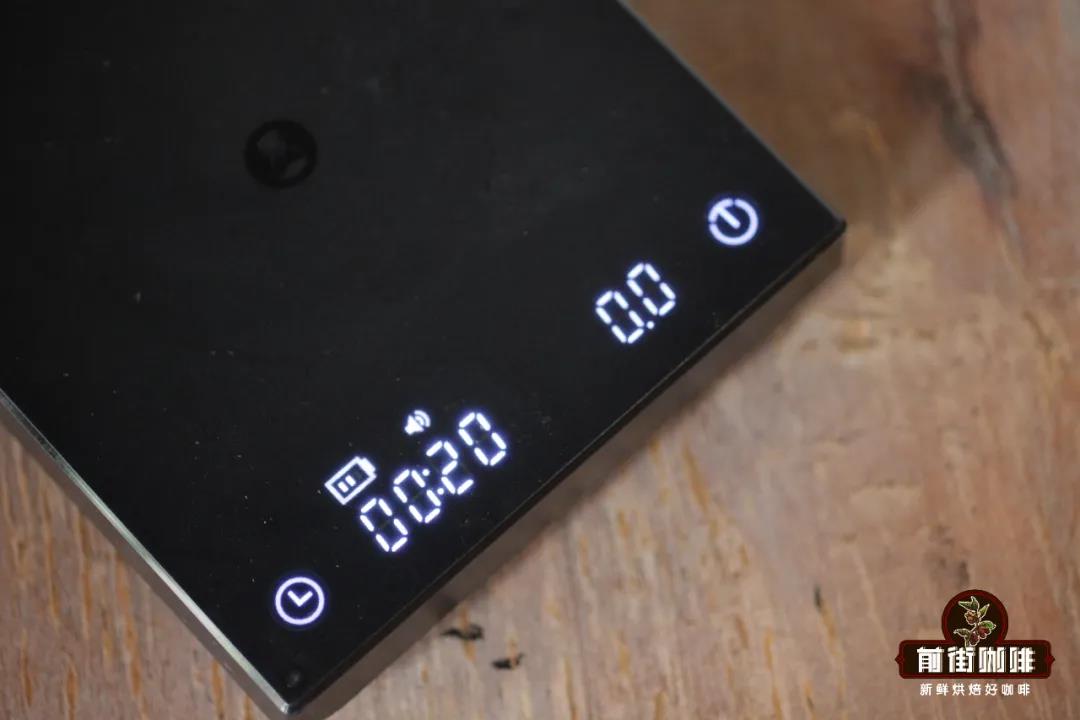
FrontStreet Coffee recommends a fast-reading digital scale with a built-in timer — search for pour-over coffee scales and you'll find plenty.
Serving Pitcher Selection
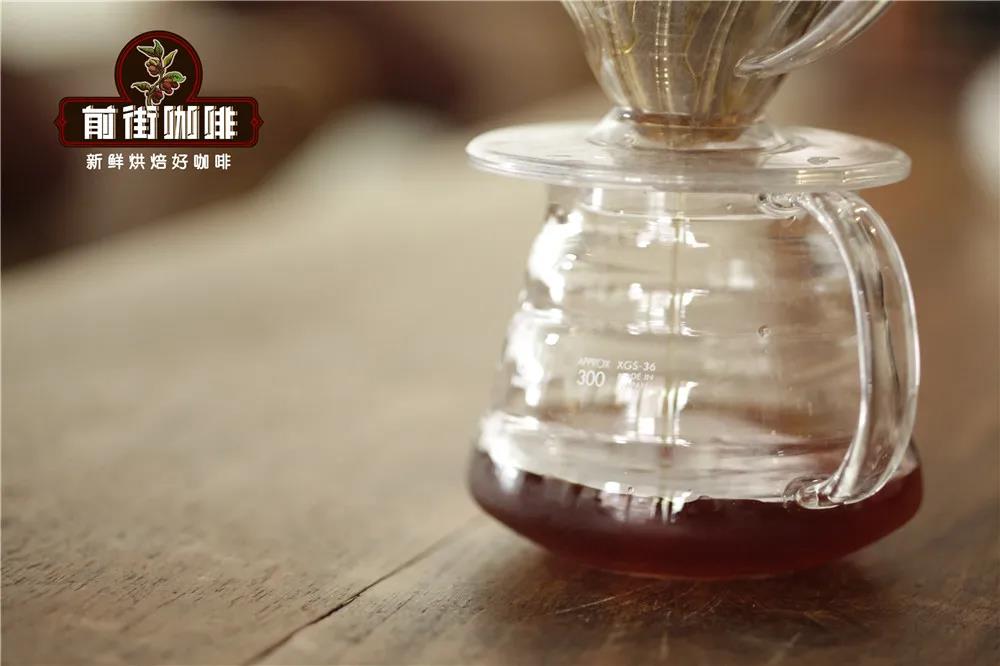
When choosing a server, check that it's genuinely heat-resistant rather than just pretty. Cheap servers crack under the heat of brewing — don't penny-pinch here.
FrontStreet Coffee Recommendation
Once your gear is assembled, the V60 deserves first place on your bench. Designed by Hario — the Tokyo glassware maker founded in 1921 — and reshaped into its modern form in 2004, its 60° cone and single large outlet make it the perfect training tool: every improvement in your pouring shows up immediately in the cup. FrontStreet Coffee's own favorite is the resin version, which insulates heat well and holds the tightest manufacturing tolerances of any material. Today's specialty scene leans light — floral, fruity, tea-like — and the V60's fast, clean extraction is exactly what those coffees want.
For beans, start with the floral-and-fruit roster: the FrontStreet Ethiopia Huakui (tropical fruit — strawberry, passion fruit, jackfruit, lychee — with high sweetness and almost no bitterness) and the FrontStreet Yirgacheffe Guodingding (citrus, berries, jasmine, and a green-tea finish). For darker roasts like the FrontStreet PWN Golden Mandheling or Jamaica Blue Mountain No. 1, the same setup works too — just grind coarser and lean on your new #20 sieve to hit that 65%-70% pass rate.
Important Notice :
FrontStreet Coffee is a long-established specialty coffee roaster in Guangzhou China, selling freshly roasted beans from its own farm in Yunnan as well as dozens of carefully selected single-origin beans from around the world for both pour-over and espresso. The products deliver consistently excellent quality and great value, with shipping within 24 hours. Guangzhou's FrontStreet Coffee shop is recommended by many coffee lovers, and the beans are now available online at the Tmall 。
FrontStreet Coffee has moved to a new address:
FrontStreet Coffee Address: 315,Donghua East Road,GuangZhou
Tel:020 38364473
 Scan and follow the En Gafei WeChat official account. Please indicate that the reprint comes from "En Gafei".