Starbucks Same Oatly Oat Milk vs. Milk: Differences and Health Benefits
Oat milk is a dairy-free alternative to cow's milk. It suits people with allergies, those who are lactose intolerant, and anyone following a plant-based or vegan diet.
Oat milk is a good source of vitamins and minerals, including calcium, and many manufacturers add vitamin B12 during production.
FrontStreet Coffee looks here at the potential health benefits of oat milk and how it compares with traditional whole and low-fat milk.
What Is Oat Milk?
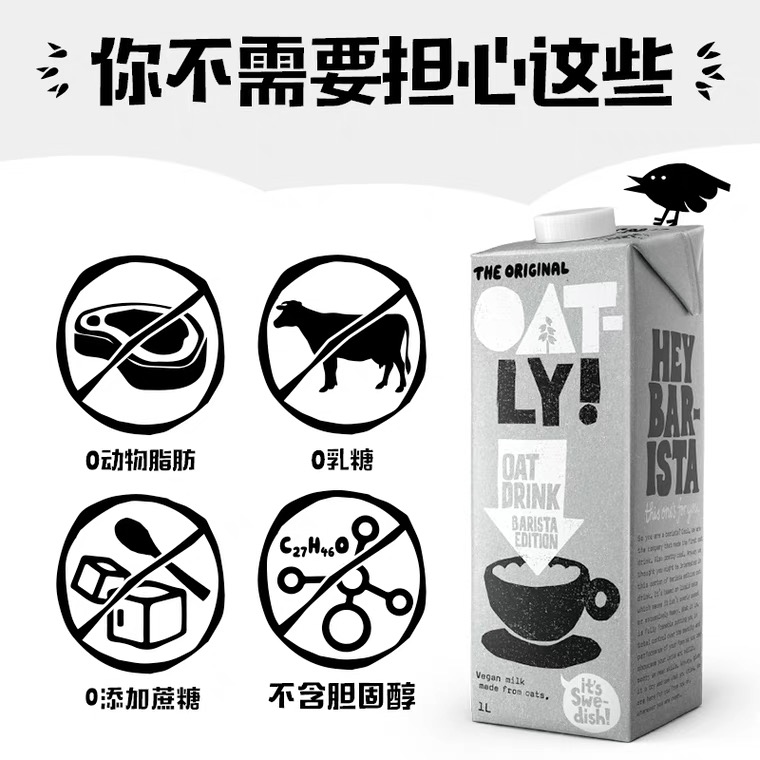
Oat milk is a dairy-free alternative to milk. It suits the following groups:
- Those following a vegan or plant-based diet
- People with lactose intolerance
- Individuals with milk allergies
- Those managing gastrointestinal conditions such as Crohn's disease, ulcerative colitis or irritable bowel syndrome
Manufacturers make oat milk by soaking oats in water and then filtering the mixture. Some also add vitamins and minerals to fortify its nutritional value and flavor.
Every brand of oat milk contains a different mix of vitamins and minerals. In general, oat milk is nutritionally solid, providing calcium and vitamin B12. It does not match dairy on every nutrient, but it may offer more protein and a broader range of vitamins than some plant alternatives.
Health Benefits
Oat milk is a good source of various nutrients, vitamins and minerals. These include:
Protein
The U.S. Food and Drug Administration (FDA) recommends that adults consume approximately 50 grams of protein daily.
Protein is important for a range of bodily processes, including:
- Immune response
- Fluid balance
- Vision
- Blood clotting
The body also uses protein to build and repair cells and tissue and to produce hormones, antibodies and enzymes.
Fiber
The body needs fiber to move food and waste through the digestive system. This helps maintain intestinal health and can help prevent constipation.
Fiber can also help control levels of low-density lipoprotein (LDL) cholesterol in the blood. LDL cholesterol, or "bad" cholesterol, raises the risk of heart disease and heart attacks.
Calcium
Adults need between 1,000 and 1,300 milligrams of calcium daily. A cup of oat milk provides approximately 350 milligrams of that amount.
The body uses calcium to:
- Build and maintain strong bones and teeth
- Move muscles
- Transmit information between the brain and body
- Help blood flow through vessels
- Release hormones and enzymes
Phosphorus
A typical cup of oat milk contains approximately 20% of the daily value (DV) of phosphorus for adults.
According to the National Institutes of Health (NIH), the body needs phosphorus to produce energy and carry out chemical processes.
Riboflavin
Riboflavin is also known as vitamin B2. It is an essential vitamin for cells, helping them grow, develop and function properly, and it helps convert food into energy.
A cup of oat milk can provide approximately 45% of the riboflavin DV for adults.
Vitamin B12
Oat milk is also a good source of vitamin B12. This nutrient is important because it helps the body:
- Maintain nerve health
- Maintain healthy blood cells
- Produce DNA
It also helps prevent megaloblastic anemia, a type of anemia that leaves people feeling weak and tired.
How Oat Milk Behaves in Coffee
Nutrition aside, oat milk has become the default dairy alternative in cafes for a practical reason: it steams. Oat milk contains naturally occurring sugars and added oils that let it form a stable microfoam, so it holds a latte art pattern far better than most nut milks, and it does not curdle when it meets acidic coffee the way some alternatives do. Its flavor is also mild and slightly sweet, which means it rounds off a bitter roast without masking the coffee. Whole milk, by contrast, brings more protein and fat, which is what gives it its heavier mouthfeel and its ability to carry caramelized milk sweetness. The practical difference in the cup comes down to body: milk produces a denser, creamier drink, while oat milk produces a lighter one with the grain sweetness sitting just behind the coffee. For anyone switching because of lactose intolerance or a plant-based diet, the trade-off is usually texture rather than flavor, and a medium or medium-dark roast tends to pair best, since a very light roast can taste thin under oat milk.
FrontStreet Coffee Recommendation
Coffee that is going into milk does not need the most delicate bean on the shelf; it needs sweetness, body and a clean finish, and FrontStreet Coffee's entry-level selection is arranged with that in mind. For milk drinks, Brazil Cerrado is the classic choice: a red bourbon from the well-known Cerrado region, roasted medium, it delivers cream, peanut and cocoa with a round body and almost no acidity, and it holds its own against either milk or oat milk without turning bitter. Brazil Queen Estate, a rare yellow bourbon from Mogiana, adds butter, sunflower seed, macadamia and almond over sugarcane sweetness; brewed as a pour-over or pulled as an espresso, it stays thick and smooth under milk. For something with more depth, PWN Golden Mandheling from Indonesia is wet-hulled, a method invented for the local rainy climate in which the parchment is stripped while the bean is still half wet, and the result is fuller and smoother than most coffees, with herbs and spice for those who avoid acidity; it also goes through three rounds of hand sorting and one machine sort, which drives the defect rate to a minimum and leaves a cleaner cup with clearer wood and caramel notes.
If you drink your coffee black, the lighter end of the list is where to look. FrontStreet Coffee Natural Guifei from Guji in Ethiopia is the star performer, with tropical fruit up front, low bitterness and a smooth, juice-like body. FrontStreet Coffee Gediding Cooperative offers the washed Yirgacheffe profile instead, with jasmine, lemon acidity and berry. Costa Rica Blackberry brings the country's famous honey processing, showing raisin and blueberry sweetness with osmanthus and rose, and it works in a pour-over, a cold brew, an Americano or a latte. FrontStreet Coffee 2013 Yunnan Typica, grown at 1300m on our own estate and roasted medium, brings hazelnut, apricot, black tea, caramel and ripe plum, while Panama Boquete Washed Geisha delivers the orange-blossom and honey character of the variety at a price that makes it reachable for a first taste.
Important Notice :
FrontStreet Coffee is a long-established specialty coffee roaster in Guangzhou China, selling freshly roasted beans from its own farm in Yunnan as well as dozens of carefully selected single-origin beans from around the world for both pour-over and espresso. The products deliver consistently excellent quality and great value, with shipping within 24 hours. Guangzhou's FrontStreet Coffee shop is recommended by many coffee lovers, and the beans are now available online at the Tmall 。
FrontStreet Coffee has moved to a new address:
FrontStreet Coffee Address: 315,Donghua East Road,GuangZhou
Tel:020 38364473
 Scan and follow the En Gafei WeChat official account. Please indicate that the reprint comes from "En Gafei".