Do Packaging Materials Significantly Impact Green Coffee Beans? What Packaging Materials Do Green Coffee Beans Prefer?
As you savor that aromatic, delicious cup, you may never have considered the journey behind it: green coffee travels from station to station before it ever reaches the roaster, and only then does it become the coffee you drink.
So does green coffee packaging matter? Over long transport and time in storage, packaging inevitably affects a coffee's shelf life and quality. Among the green coffee FrontStreet Coffee receives, a few packaging types show up again and again: burlap sacks are the most common, followed by plastic bags and vacuum bags. What are the strengths and weaknesses of each? Let's take a look.
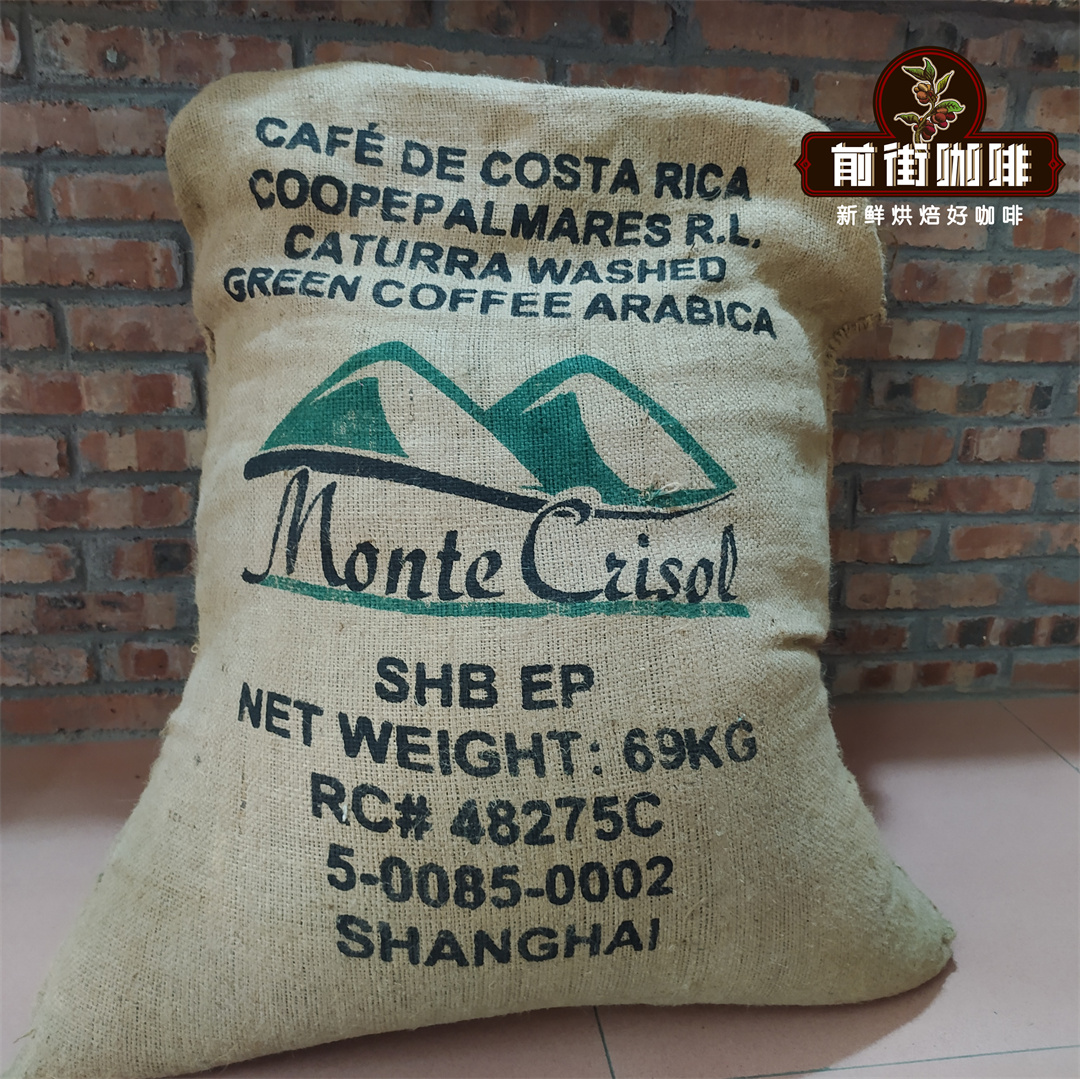
Advantages and Disadvantages of Burlap
Jute—or burlap—woven from natural plant fibers is the most traditional material for coffee bags. It's an environmentally friendly choice: the United Nations Food and Agriculture Organization calls it "100% biodegradable, recyclable, and therefore environmentally friendly." It's also durable and relatively affordable, making it the oldest coffee packaging material still in use.
Its weakness is that it offers no protection against moisture or oxygen—two factors linked to quality loss and even defects like mold. The bags are permeable.
By tradition, jute bags hold 60 kilograms of coffee (70 kilograms in some countries). Plastic bulk bags and container liners, by contrast, can store anywhere from 1 to more than 20 tons of green beans, so producers may opt for larger, more efficient storage depending on the lot.
Advantages of Plastic
Plastic storage, most commonly made from polyethylene or polypropylene, ranges from 60-kilogram bags to bulk liners that fill entire containers. Compared to jute, it's cheaper and far more resistant to moisture and gas—though still not impermeable.
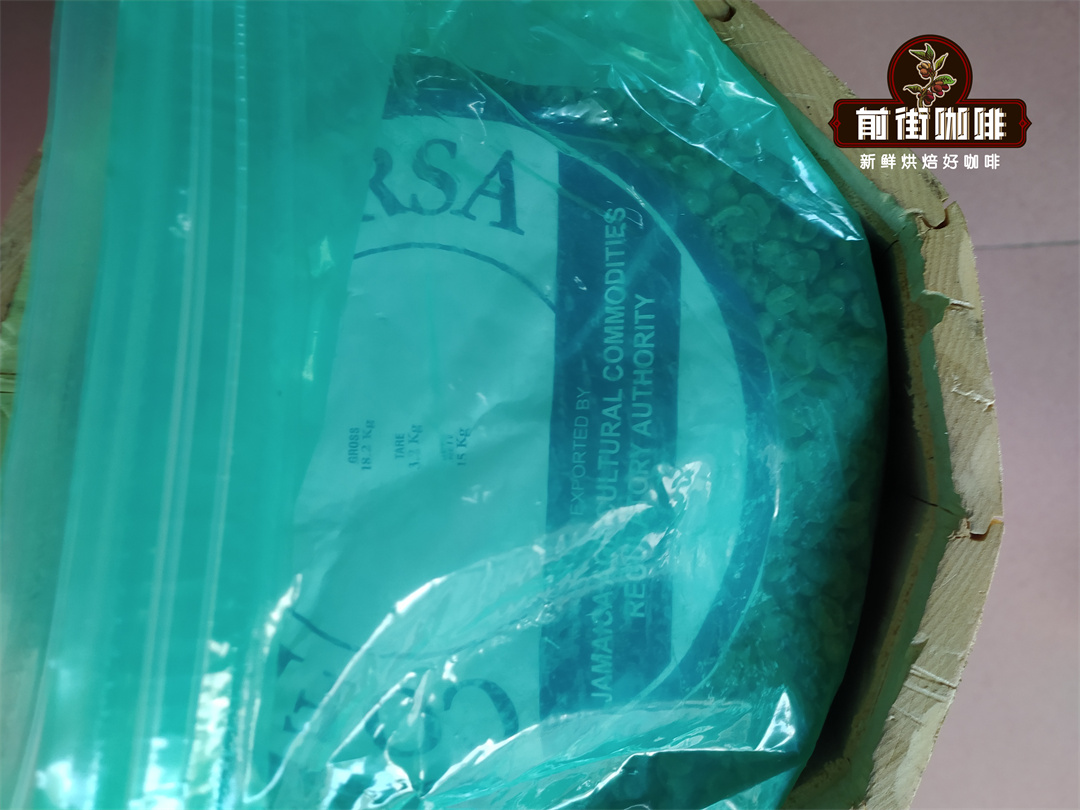
The High Cost of Vacuum Packaging
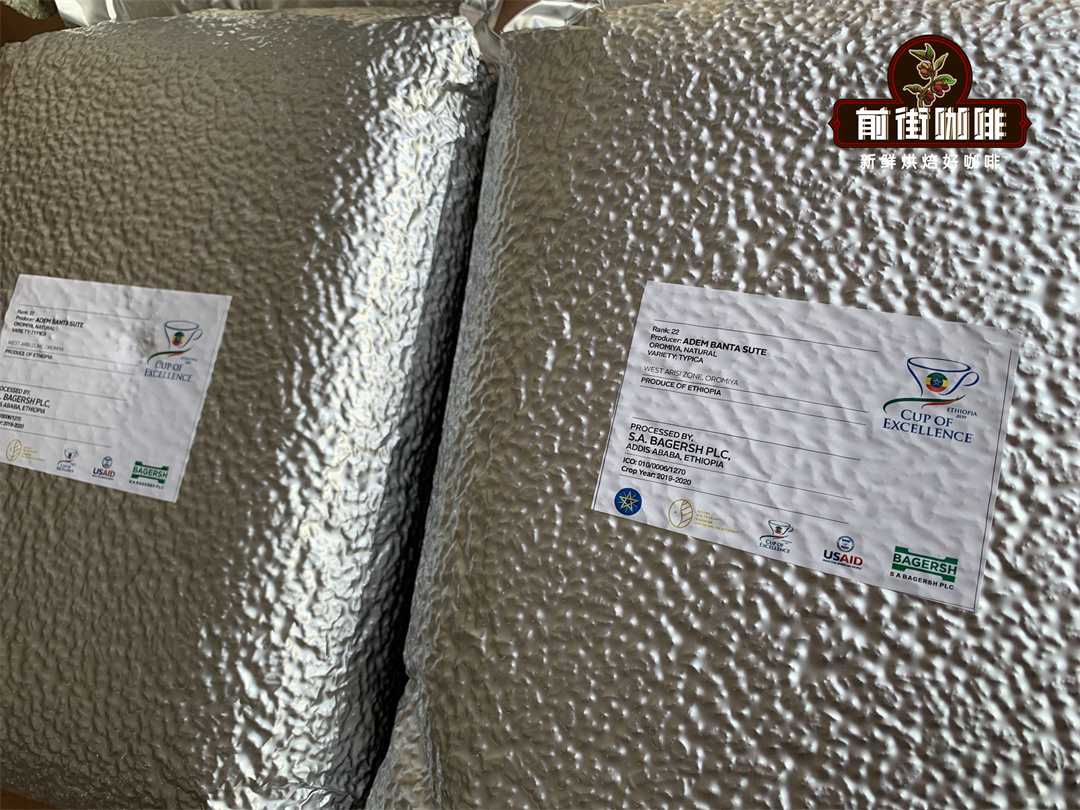
Vacuum-packed coffee is also sealed in waterproof plastic bags, but with the air actively drawn out under negative pressure, creating an airtight environment for the green beans. Multi-layer vacuum packaging is widely considered the most effective way to preserve green coffee quality. Because of its relatively high cost, however, it's typically reserved for samples and for micro- and nano-lot specialty coffees.
The Significant Role of High Barrier Packaging
Professor Flávio Meira Borém, an agricultural engineer who has specialized in coffee research for years, describes high barrier bags as "packaging with different compositions and structures capable of preventing gas and water exchange between the interior and the atmosphere... packaging with high impermeability."
More expensive than other options, high barrier bags are designed to hold coffee quality steady over time by blocking the chemical reactions that moisture and oxygen trigger. They come in many sizes, including full container liners.
Ultimately, packaging is one of the few things we as consumers can't control—the real goal is simply that the coffee arrives in peak condition.
FrontStreet Coffee Recommendation
Good storage keeps beans at their best; the right roast makes them shine. If you like your coffee neither sour nor bitter, start with FrontStreet Coffee's Brazil Queen Estate—a Yellow Bourbon from the world's largest coffee-producing country, medium roasted to bring out creamed peanut, chocolate, toasted bread, and sugarcane sweetness. It works beautifully as a pour-over, in a moka pot, or as espresso.
For something sweeter, the FrontStreet Strawberry Candy Gesha blend pairs honey-processed Costa Rica with washed Panamanian Gesha at a medium roast—orange-blossom aroma, round sweetness, and just enough body to suit cold brew, pour-over, or espresso.
Important Notice :
FrontStreet Coffee is a long-established specialty coffee roaster in Guangzhou China, selling freshly roasted beans from its own farm in Yunnan as well as dozens of carefully selected single-origin beans from around the world for both pour-over and espresso. The products deliver consistently excellent quality and great value, with shipping within 24 hours. Guangzhou's FrontStreet Coffee shop is recommended by many coffee lovers, and the beans are now available online at the Tmall 。
FrontStreet Coffee has moved to a new address:
FrontStreet Coffee Address: 315,Donghua East Road,GuangZhou
Tel:020 38364473
 Scan and follow the En Gafei WeChat official account. Please indicate that the reprint comes from "En Gafei".