How Much Does It Cost to Franchise a Mixue Ice Cream & Tea Store, and How Does Mixue Make Money?
Mixue Bingcheng has become almost impossible to avoid lately, and the question worth asking is how a brand selling tea and ice cream for a few yuan actually makes money. The answer has less to do with its products than with how tightly it controls costs and how it collects franchise fees.
Recently, you cannot escape mentions of Mixue Bingcheng when browsing Bilibili or Weibo. Mixue Bingcheng won everyone's forgiveness with its catchy theme song. Just over a month earlier, the brand had been exposed over food safety issues, yet within a month that theme song had washed away the earlier disgrace.
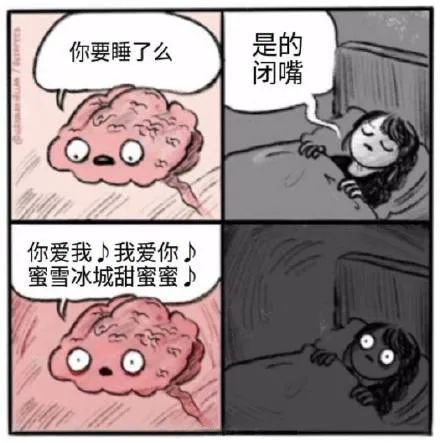
The reason people can overlook Mixue Bingcheng's food safety issues, though, is not only the lyric "You love me, I love you, Mixue Bingcheng is sweet." It is also that the brand is genuinely cheap.
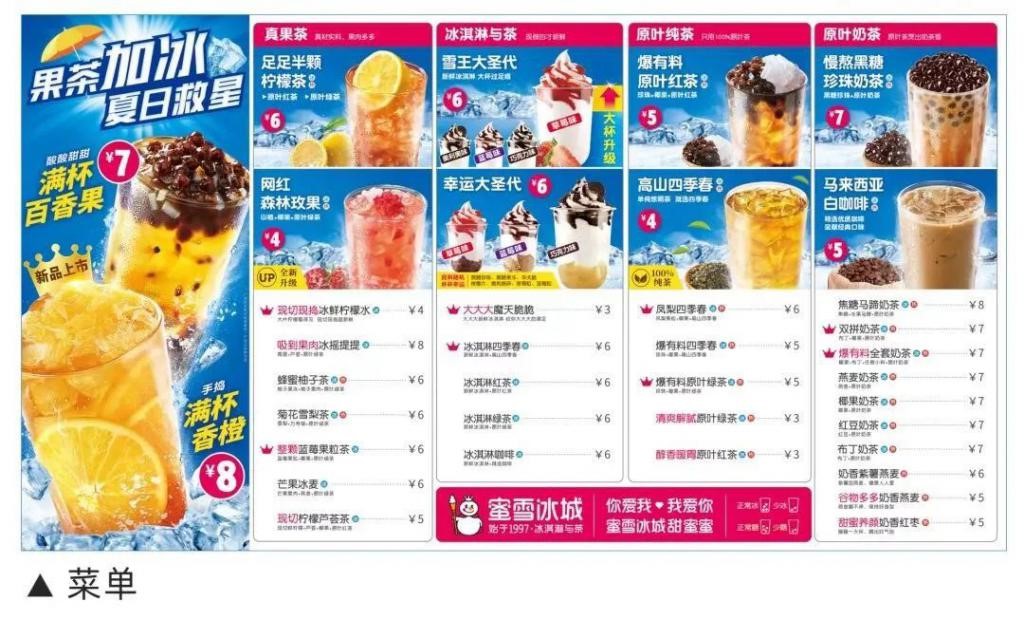
Affordable Pricing Strategy
Unlike Nayuki and HEYTEA, most Mixue Bingcheng stores sit in third- and fourth-tier cities, typically in university towns, urban villages, commercial streets, shopping malls and near stations. Products are generally priced at 6-7 yuan, and an ice cream costs as little as 3 yuan. Such prices are nowhere to be found at Nayuki or HEYTEA, where items typically run over 20-30 yuan, and that makes an ice cream or a cup of tea accessible to financially dependent students and other low-income groups. Some consumers even commented, "At such a cheap price, what more could you ask for?" and "Mixue Bingcheng doesn't look down on you for being poor, so don't look down on it for being low-end."
How Does Mixue Bingcheng Profit?
So how does Mixue Bingcheng profit when its product prices are so low?
Controlling Costs from the Source
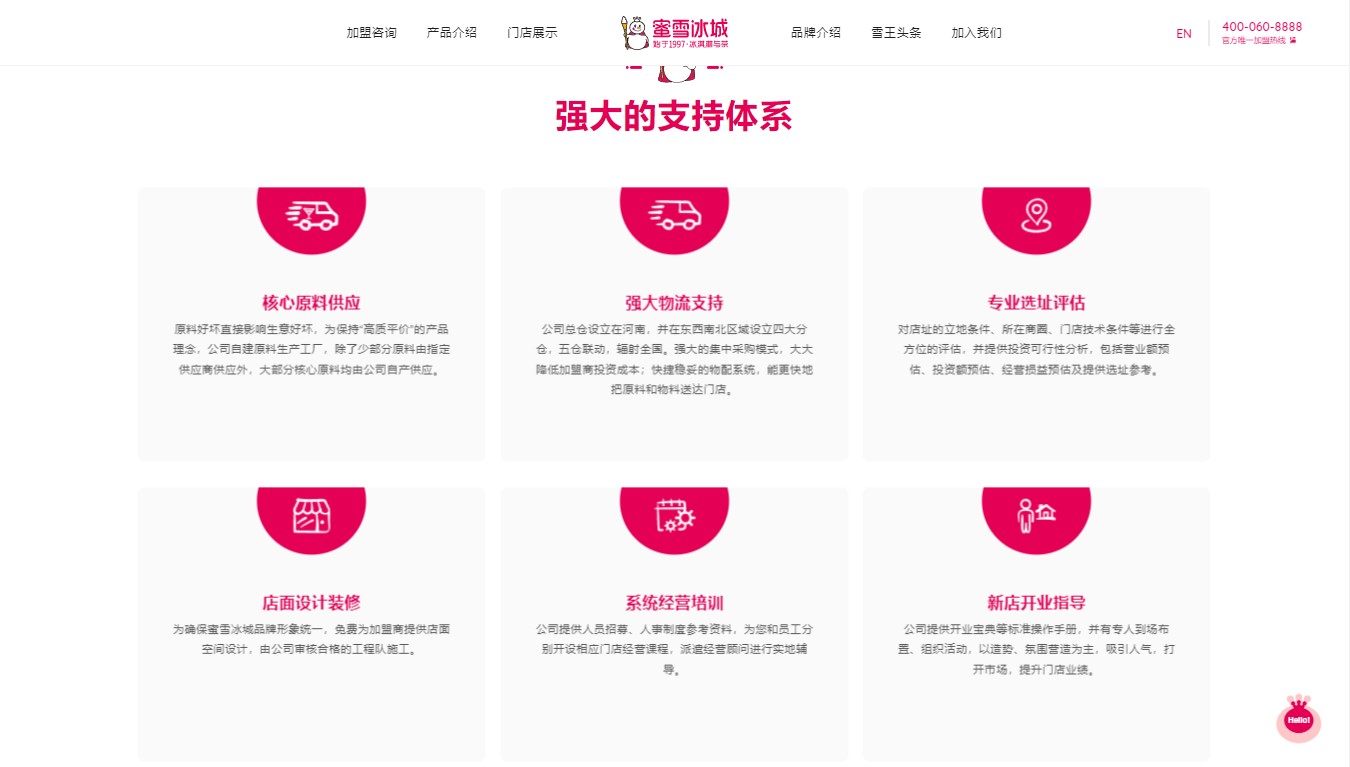
While tea beverage prices keep climbing, Mixue Bingcheng holds its own primarily through a small-profit, high-turnover business model. To cut costs further, the company negotiates with tea farmers to secure low prices through stable purchasing volumes. In 2012 it established its own factory to bring core raw material production in-house, and in 2014 it set up its own warehousing and logistics center, giving it strong supply chain support.
Controlling costs from the source and shortening the supply chain as much as possible, while keeping it under its own control, removes any concern about middlemen taking a cut. Product prices are therefore shielded from market swings and can stay far below those of many internet-famous tea shops. In 2020, when many milk tea brands raised prices because of the pandemic, Mixue Bingcheng chose not to. It is precisely this supply chain that gave the company the confidence to say, "We still won't raise prices."
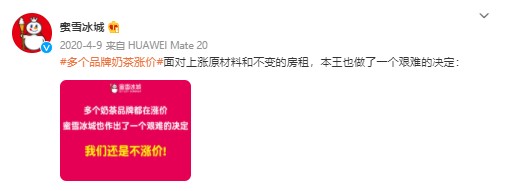
That reluctance to raise prices has increased public trust in Mixue Bingcheng. Because prices stay stable, people also stop obsessing over the taste; after all, at such low prices, what more could you ask for? It also means Mixue Bingcheng transfers the risk to its franchise stores. Some franchisees cannot withstand the cost pressure of holding prices down and instead tamper with food expiration dates or use stale ingredients.
Brainwashing Marketing
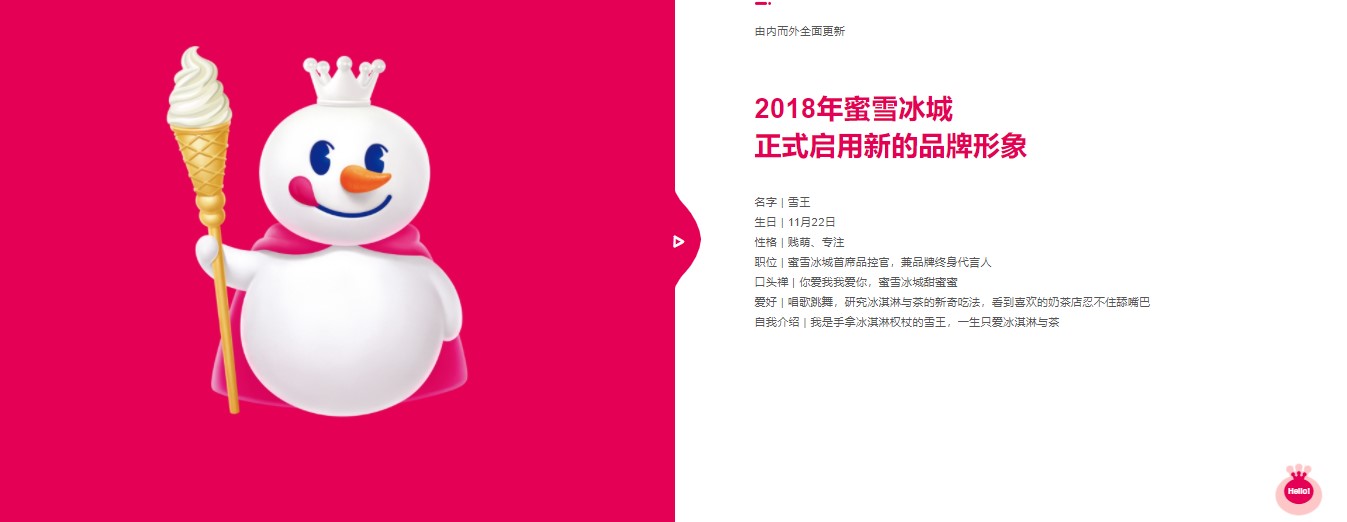
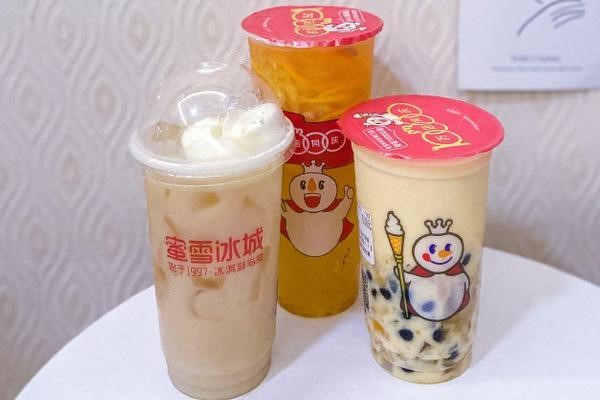
In 2018, Mixue Bingcheng did not even need to pay endorsement fees. It simply launched a new brand image, the "Snow King," placing the character in the most prominent spots on its products, from store logos to milk tea packaging.
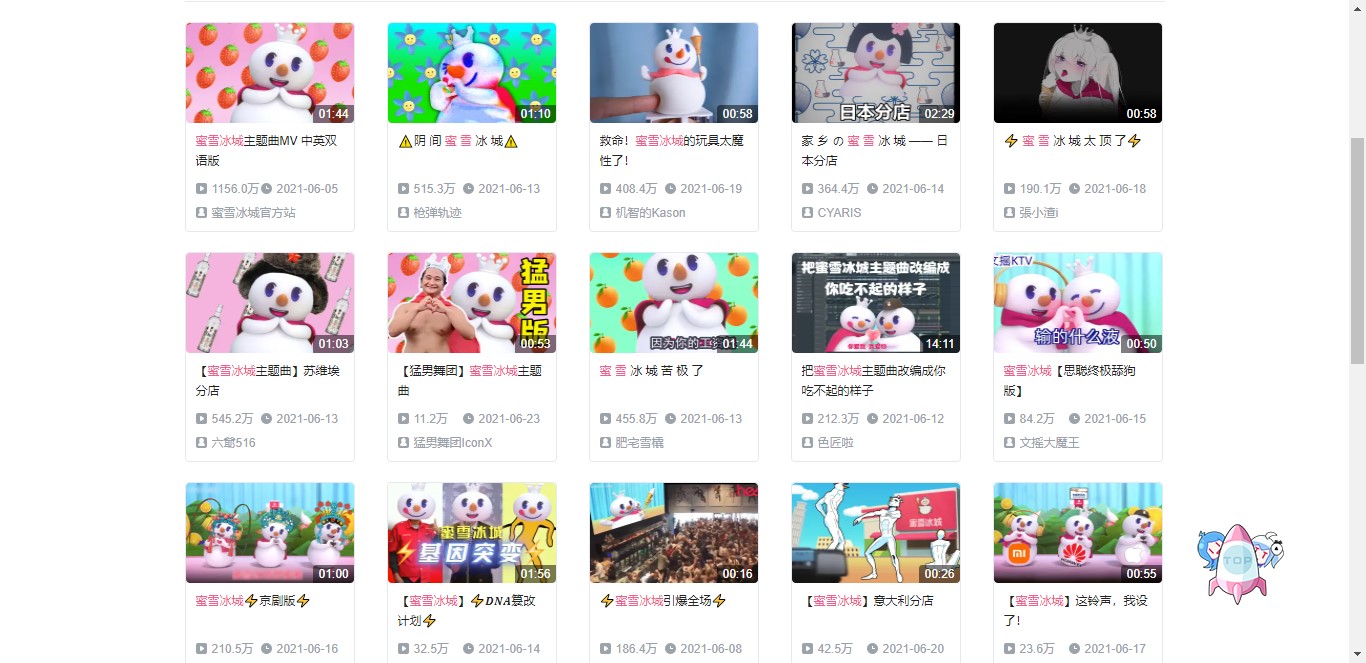
Later, the company released a theme song. Because its melody is "Oh Susanna," which everyone has known since childhood, and the lyrics are simple, the song became memorable and went viral. On Bilibili, there is no shortage of creators making derivative works from it.
Even on Douyin, an app with nearly 700 million users, there is a popular topic called "Mixue Bingcheng Social Death Scene," filled with short videos of people singing the theme song at Mixue Bingcheng stores to get free orders. Many have taken up the challenge and joined in.
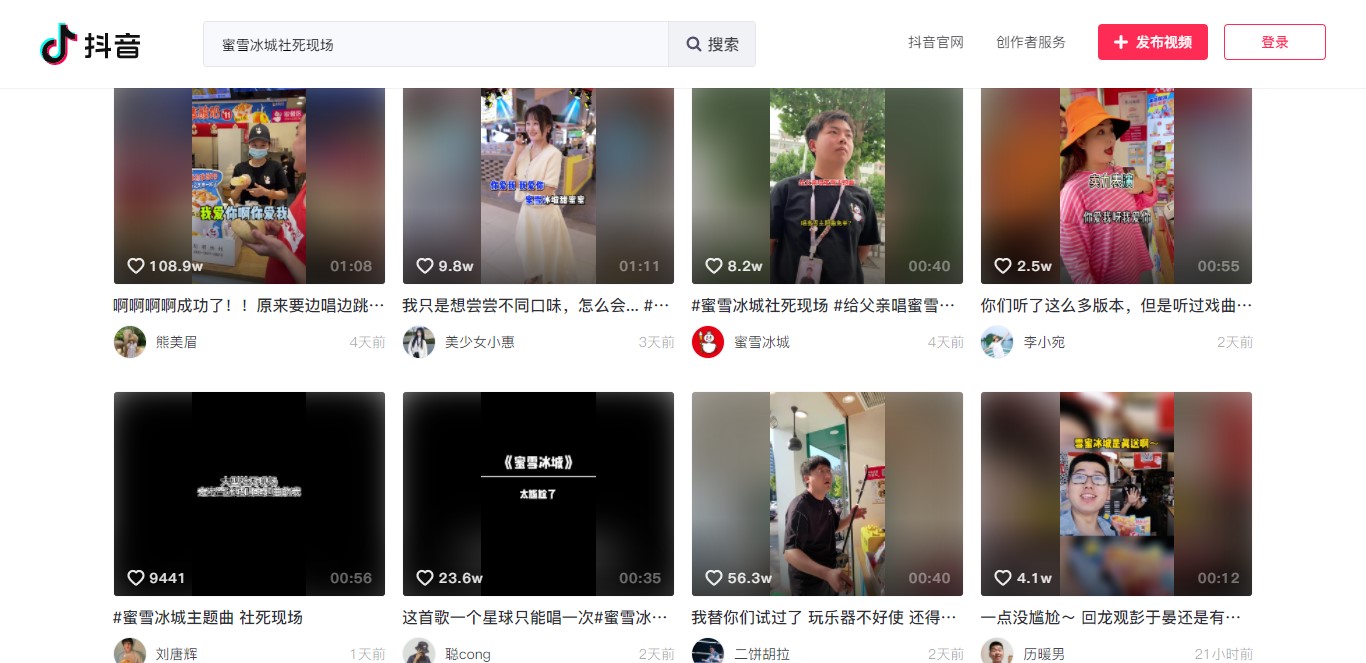
Awkward as such moments can be, enough to make you want to dig a hole in the concrete floor, they have successfully brought a wave of traffic to Mixue Bingcheng.
Annual Franchise Fees
If you think Mixue Bingcheng earns 6.5 billion yuan a year just from ice cream and milk tea, you are being too naive. The company's real source of income is the franchise fees it collects.
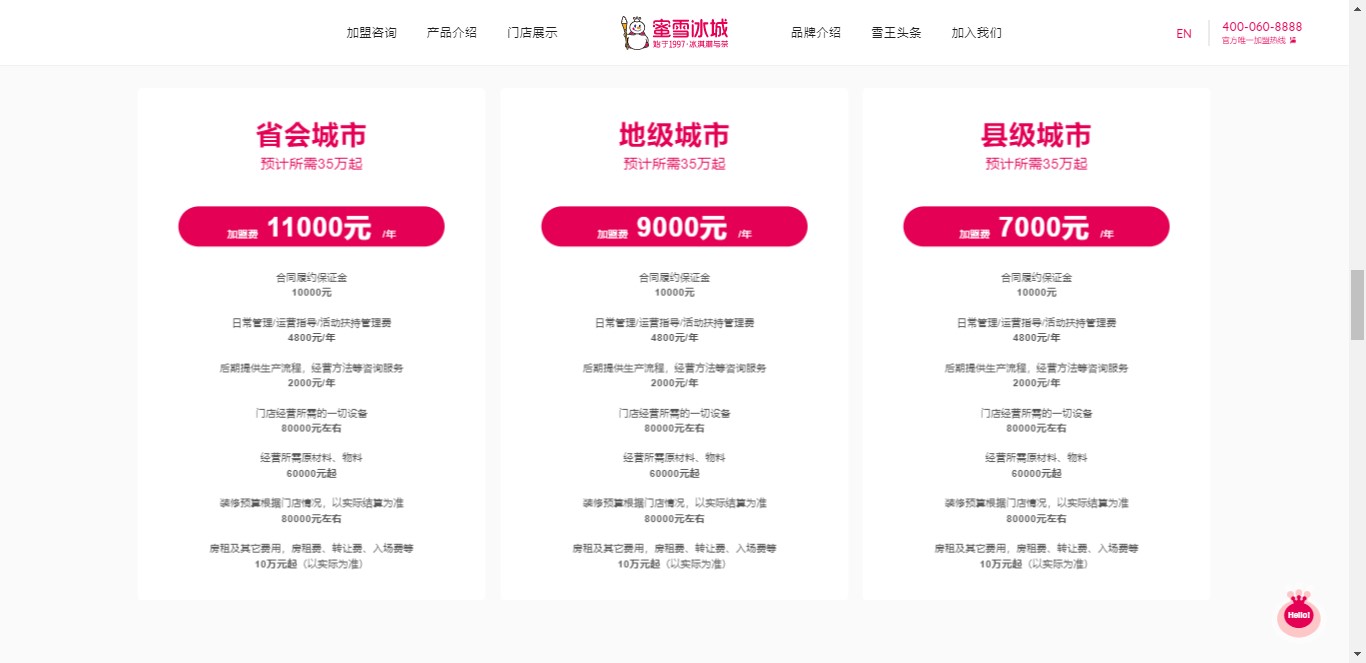
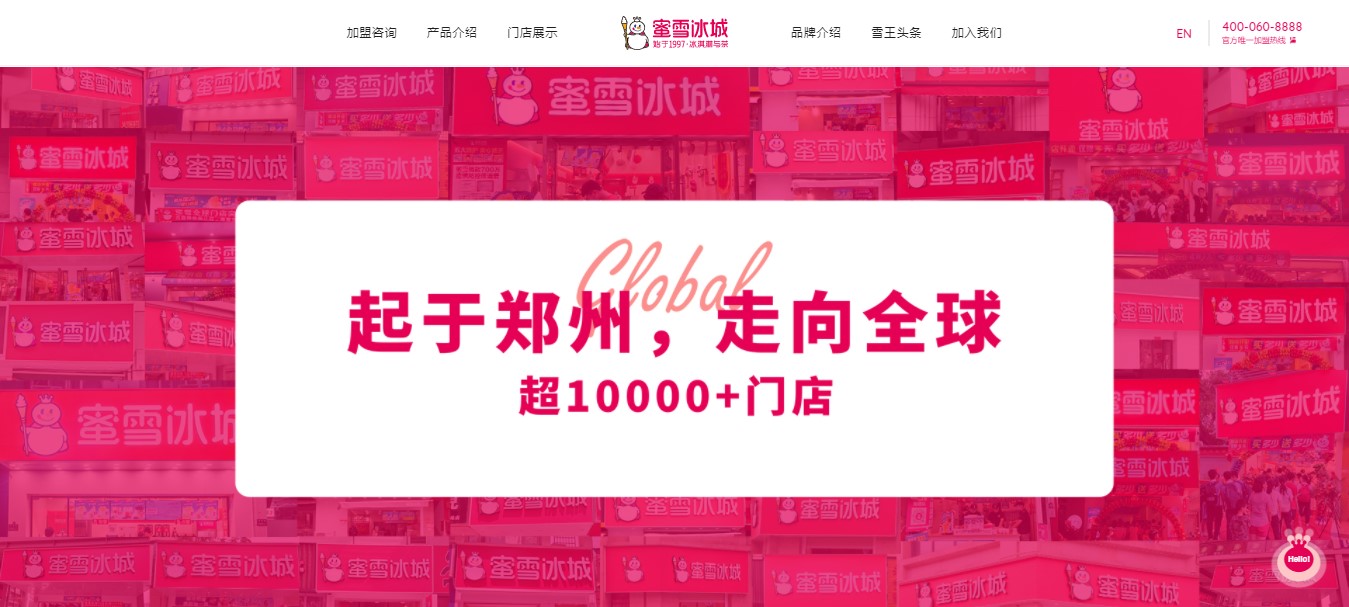
According to Mixue Bingcheng's official website, there are now over 10,000 franchise stores, with new ones continuously joining. According to a Sina Finance report on May 17, 2021, Mixue Bingcheng opened over 7,000 stores in three years. Its franchise fees are divided into three tiers: provincial capital cities, prefecture-level cities and county-level cities. In addition to the annual franchise fee, management and consulting fees must also be paid each year.
Put all these factors together, and it is not hard to see why Mixue Bingcheng was able to defeat Nayuki and rank second, behind HEYTEA, among China's Top Ten Tea Brands in 2020.
Finally, let's sing it once more: You love me, I love you, Mixue Bingcheng is sweet.
FrontStreet Coffee Recommendation
Mixue Bingcheng's story is ultimately one about price, and for anyone who cares about what actually ends up in the cup, a more interesting question is how much difference processing makes. Washed coffees offer a clear answer. The washed method floats off unripe and overripe fruit, depulps the cherries, ferments and rinses away the mucilage, then dries and hulls the beans. Because the beans spend so long in water, they consume much of their own fructose and glucose and develop more organic acids, which is why washed coffee tends to be cleaner, brighter and more faithful to the bean's own aroma.
FrontStreet Coffee's washed lineup makes that point plainly. The FrontStreet Gedeb cooperative coffee from Yirgacheffe, made in the traditional washed style, delivers jasmine and bright citrus acidity, and after a medium-light roast it takes on green tea and honey notes that suit pour-over, cold brew or espresso. The FrontStreet Kenya Small Tomato applies the same principle through Kenya's double washed process, producing cherry tomato, smoked plum, snow pear and black plum notes with brown sugar sweetness and a juicy, balanced body. And for a gentler, more classic cup, the FrontStreet Blue Mountain No.1 is washed as well, with hazelnut, cream, chocolate and caramel unfolding in near-perfect balance and no single note dominating. Where a mass-market drink competes on price, these coffees compete on everything that happens before the cup is even brewed.
Important Notice :
FrontStreet Coffee is a long-established specialty coffee roaster in Guangzhou China, selling freshly roasted beans from its own farm in Yunnan as well as dozens of carefully selected single-origin beans from around the world for both pour-over and espresso. The products deliver consistently excellent quality and great value, with shipping within 24 hours. Guangzhou's FrontStreet Coffee shop is recommended by many coffee lovers, and the beans are now available online at the Tmall 。
FrontStreet Coffee has moved to a new address:
FrontStreet Coffee Address: 315,Donghua East Road,GuangZhou
Tel:020 38364473
 Scan and follow the En Gafei WeChat official account. Please indicate that the reprint comes from "En Gafei".