Colombian Coffee Supply Shortage Drives Price Increases
Since the outbreak of COVID-19 at the end of 2019, the price trajectory of Colombian coffee has defied expectations.
In March 2020, international oil prices suddenly plummeted and the Colombian peso depreciated nearly 25% against the US dollar. Since coffee is typically traded in US dollars on the international market, the coffee industry was able to profit from the exchange-rate gap. Yet even as the peso partially recovered against the dollar, coffee prices stayed high for the next 14 months.
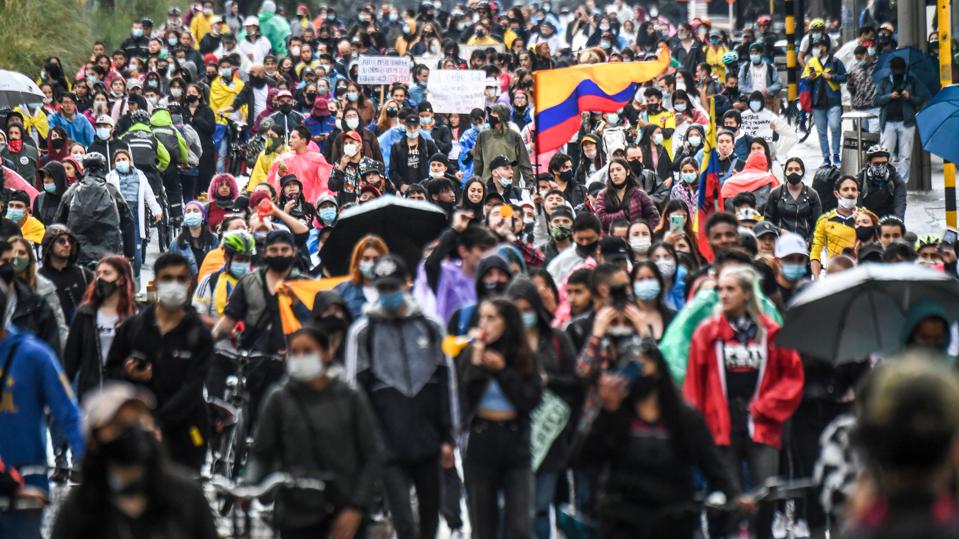
When Colombia's tax reforms triggered mass protests, domestic transportation was disrupted, supply chains broke down, and prices soared again. Although the protests later paused, the FNC stated it would take 3 to 4 months to fully resume coffee exports. In early May, the FNC broke through its ceiling, offering growers a high price of 1.44 million Colombian pesos ($386) per carga (about 275 pounds or 125 kilograms) - a 34% increase since the beginning of the year.
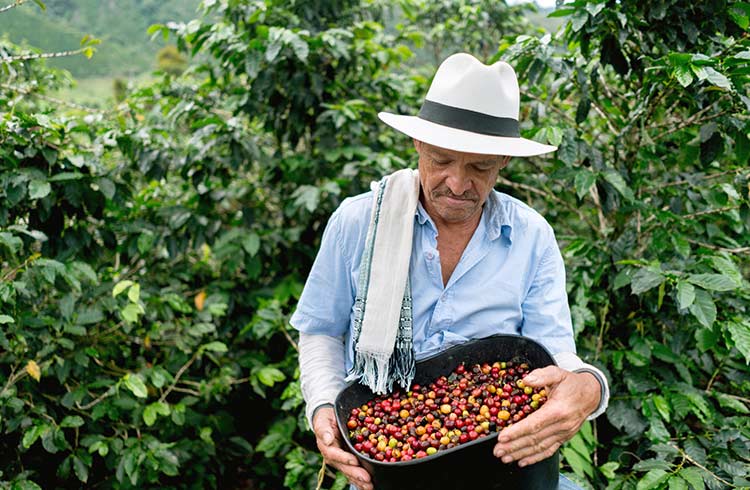
Even before this, the Colombian coffee industry was already struggling financially, with growers barely scraping by and some abandoning coffee cultivation altogether. That strengthened the government's resolve to intervene. In March 2020, a coffee price stabilization fund with a budget of 218 billion Colombian pesos (about $64 million) was launched to shield Colombia's hundreds of thousands of coffee growers from commodity-market swings.
Because prices have since kept setting records, the fund has not been drawn upon once since its creation.
Internal Prices and the Stabilization Fund
Colombia has more than 500,000 small coffee farms - "fincas" - scattered widely across the map. Most are too small to supply private buyers directly, so they must turn to intermediaries such as the Colombian National Federation of Coffee Growers (FNC) or local cooperatives.
Both the FNC and local cooperatives offer producers floating internal purchase prices. Beyond supply and demand, many factors move those prices, including the exchange rate between the Colombian peso (COP) and the US dollar (USD) and futures contracts.
Because selling prices often fell below production costs, however, small farms across Colombia found it hard to survive the last five years of the past decade.
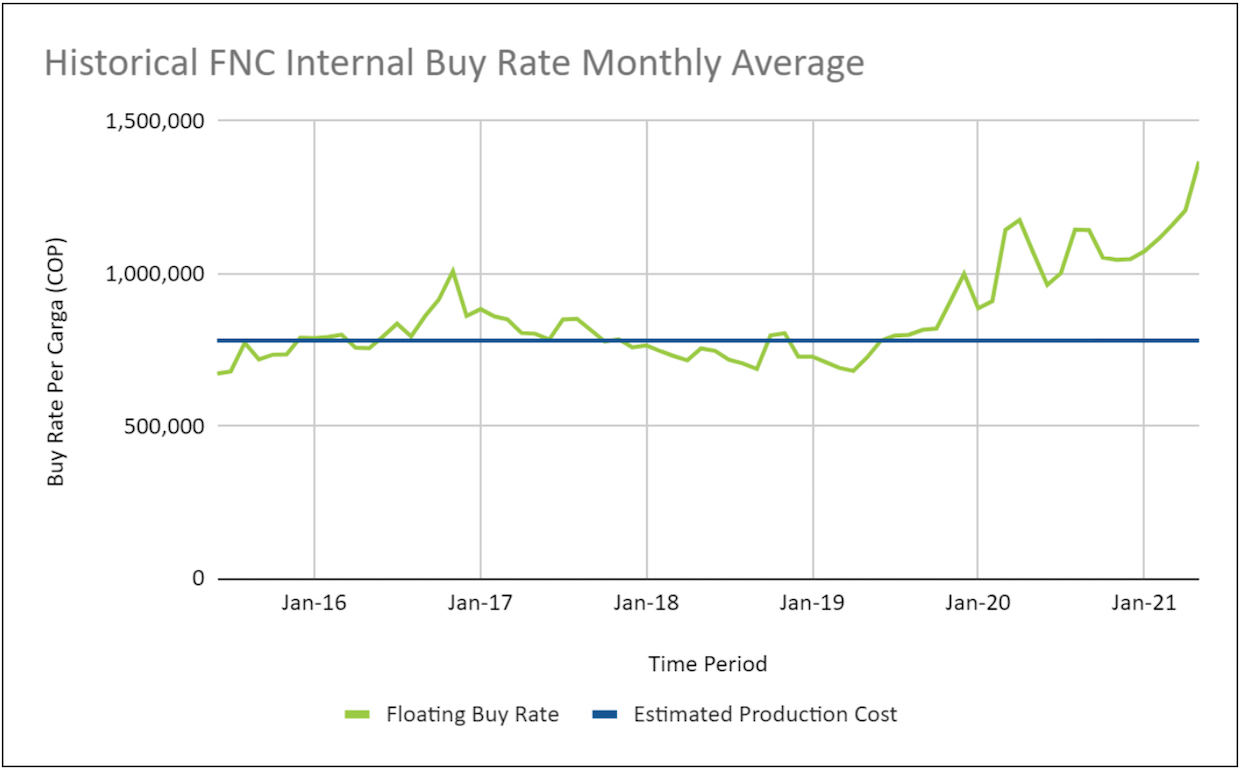
The $64 million fund introduced in March 2020 acts as a backstop when selling prices drop below cost, ensuring growers can always sell at prices above their costs. That, in turn, lets growers concentrate on raising coffee quality to reach the premium specialty market.
An Unexpected 14 Months
From mid-2019, internal purchase prices climbed above estimated production costs and began recovering. During the early stages of the pandemic, though, they started to soar. By the end of March 2020, Colombian coffee prices unexpectedly broke the 1-million-peso ceiling, reaching 1.315 million pesos ($352) - a 35% increase from early January 2020.
Beyond the peso's depreciation against the dollar, adverse weather cut coffee production in Brazil and reduced Central American exports, tightening regional supply and driving the 2020 price surge.
Now the FNC's internal purchase price has risen again: up 34% since the start of the year, to a high of 1.44 million pesos ($386) per carga (about 275 pounds or 125 kilograms).
Prices first rose because of the La Niña phenomenon, which began last September and was initially expected to last until mid-2021.
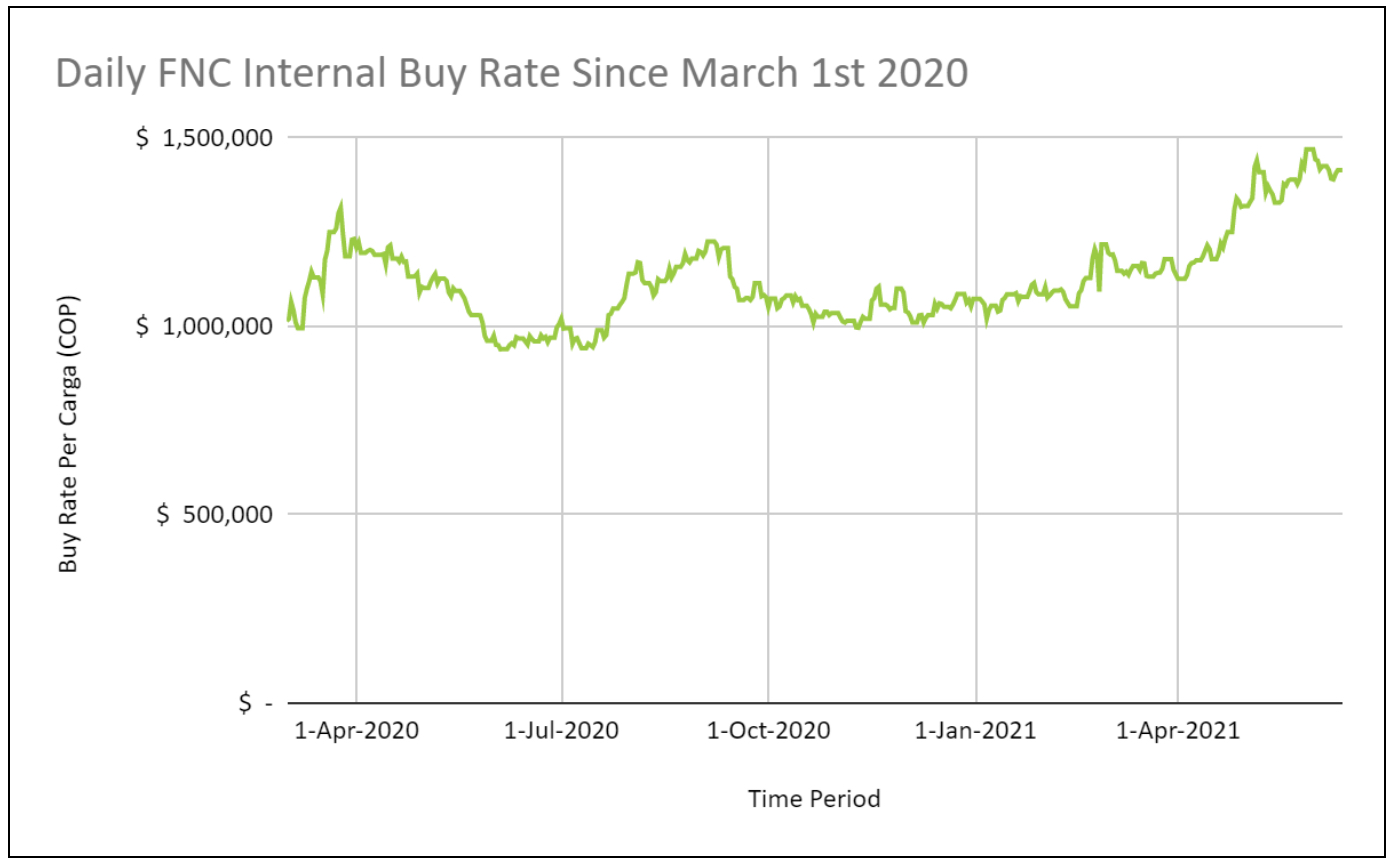
Then, since the end of April this year, domestic turmoil in Colombia has pushed internal prices to historic highs. Transportation disruptions across parts of the country have left suppliers worried about fulfilling orders, shrinking the coffee supply and pushing prices up further.
Prospects
The situation in Colombia has not stabilized, and the destruction in Buenaventura has been particularly severe. Buenaventura is one of the most important Pacific ports in the Americas, handling 60% of Colombia's maritime exports. Many highways remain blocked, meaning coffee exports are still constrained, and the short- to medium-term outlook remains unclear.
If transport disruptions continue, they will coincide with the June and July harvest season in parts of Colombia, which could drive prices up again - perhaps even past the 1.5-million-peso mark. Moreover, coffee prices have stayed high since the beginning of last year, delivering unexpected windfalls to growers, and there are concerns that if internal purchase prices remain elevated for too long, growers may grow complacent.
Abnormally high prices could also discourage growers from switching to higher-value crops - a development goal the FNC itself has set.
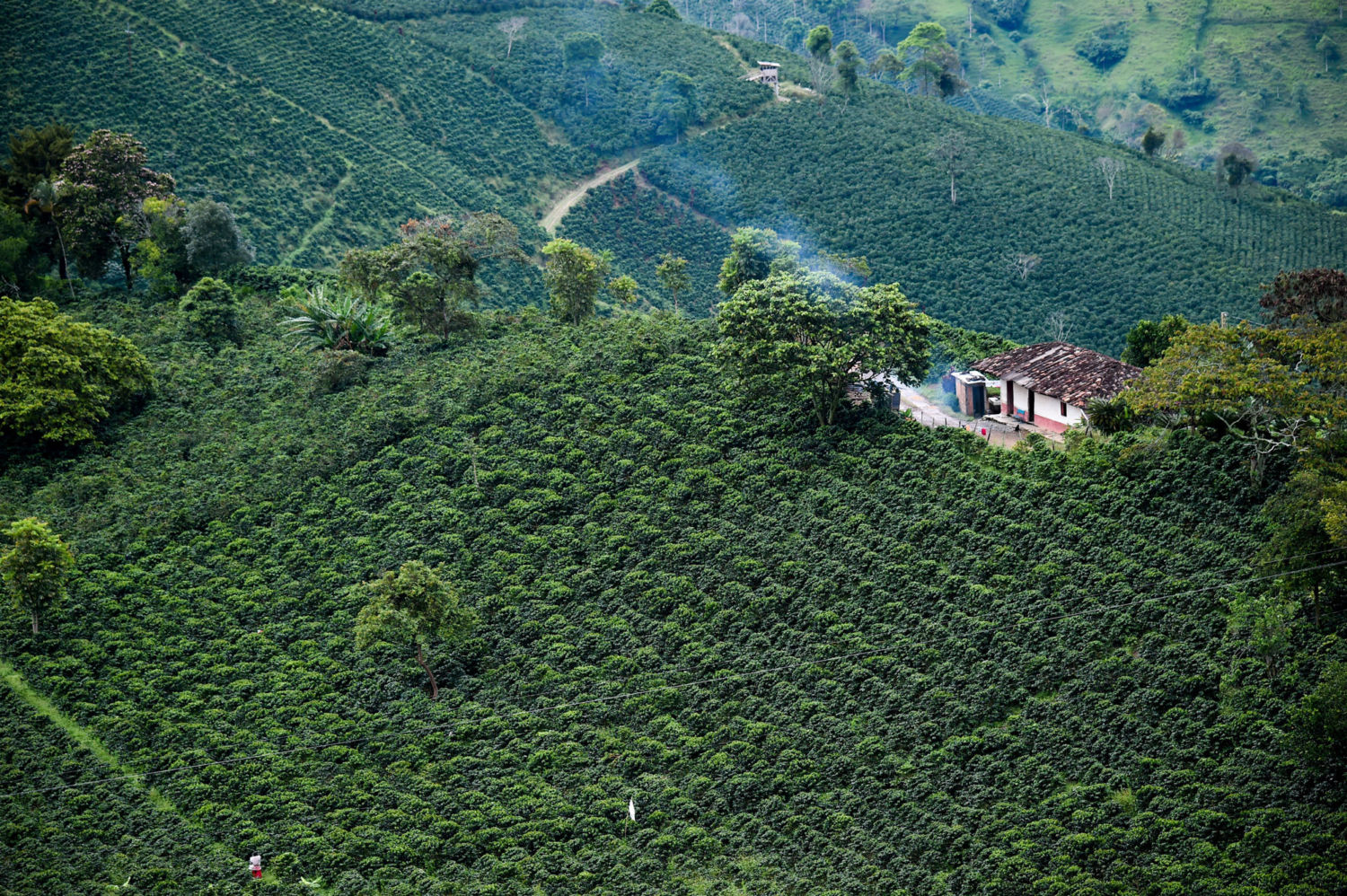
Growers' incomes remain exposed to many risks, and if the market takes a sudden tumble they have little to fall back on. The government's price stabilization fund provides a safety net, but whether that mechanism truly works remains to be tested.
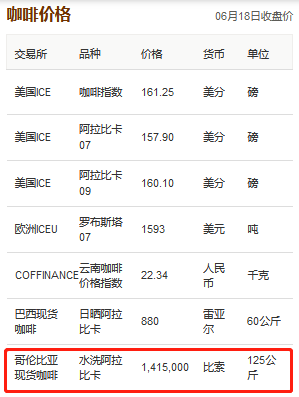
According to data from the Coffee Finance Network, as of the close on June 18, Colombian spot coffee was priced at 1.415 million pesos per 125 kilograms.
FrontStreet Coffee Recommendation
Colombia's vast network of over 500,000 fincas produces everything from classic washed lots to cutting-edge experimental processes, and FrontStreet Coffee's Colombian lineup captures that range. The FrontStreet Washed Huila is the dependable classic: from the hills of the country's most famous growing region above 1,500 meters, medium-dark roasted for dark chocolate and nutty sweetness with a mellow body, and at home in pour-over, French press, moka pot, or espresso machines.
For fruit-driven excitement, the FrontStreet Colombia Sidra from Divide Line Estate is an anaerobic natural - fermented in sealed stainless tanks under controlled temperature, time, and pH - unlocking passion fruit, grape, apricot, and dried-fruit aromas, delicious as pour-over, cold brew, drip bags, or moka pot coffee.
If you brew at home with an espresso machine or moka pot, the FrontStreet Premium Espresso Blend combines Brazilian creamy nuttiness with Colombian dark-chocolate bitterness, extracting a fine golden crema for a rich, silky latte and serving as a dependable base for Americanos, cappuccinos, and mochas.
Important Notice :
FrontStreet Coffee is a long-established specialty coffee roaster in Guangzhou China, selling freshly roasted beans from its own farm in Yunnan as well as dozens of carefully selected single-origin beans from around the world for both pour-over and espresso. The products deliver consistently excellent quality and great value, with shipping within 24 hours. Guangzhou's FrontStreet Coffee shop is recommended by many coffee lovers, and the beans are now available online at the Tmall 。
FrontStreet Coffee has moved to a new address:
FrontStreet Coffee Address: 315,Donghua East Road,GuangZhou
Tel:020 38364473
 Scan and follow the En Gafei WeChat official account. Please indicate that the reprint comes from "En Gafei".