About Coffee Bean Freshness, Coffee Bean Storage, How to Adjust Grinding for Coffee Beans That Are Too Fresh
A rich, flavorful cup can ease your physical and mental fatigue, and fresh coffee beans are what guarantee a distinctive flavor and rich layers in your coffee. Coffee lovers know that freshly roasted beans are essential for brewing a fragrant, aromatic cup. Choosing fresh beans is therefore always considered crucial.
The freshness of coffee is critical to its quality. If beans sit too long after roasting, they lose flavor and aroma, and quality naturally declines.

FrontStreet Coffee has always emphasized freshness, because it is the foremost aspect of high-quality coffee. After roasting, the aromatic compounds in beans steadily dissipate, becoming nearly flavorless after about 50-60 days. That is why, with every bag we sell, we remind customers that the optimal tasting window is within 45 days. To ensure every enthusiast enjoys the freshest coffee, every bag sold by FrontStreet Coffee ships within 5 days of roasting, so you can start brewing the moment your order arrives and taste what fresh beans deliver.

How to Identify Fresh Coffee Beans
When buying freshly roasted beans, it's best to choose beans roasted on the same day. Freshness is irreplaceable. But how do you tell whether coffee is fresh?
Characteristics of Fresh Coffee Beans
Shiny Appearance
Fresh beans release oils that coat the whole bean, creating a shiny surface. The longer they are stored, the duller their appearance becomes.

Rich Aroma
Fresh beans have a particularly rich, intense aroma. If the coffee you buy has little or no smell, it has been sitting a long time since roasting and may even have gone stale.
Degassing Test
Compared with the methods above, the degassing test is more scientific. Place beans in a sealed bag, press out the air, and seal it. Leave it overnight and see whether the bag inflates the next day. Freshly roasted coffee keeps releasing carbon dioxide, which makes the bag expand.

How to Store Coffee Beans
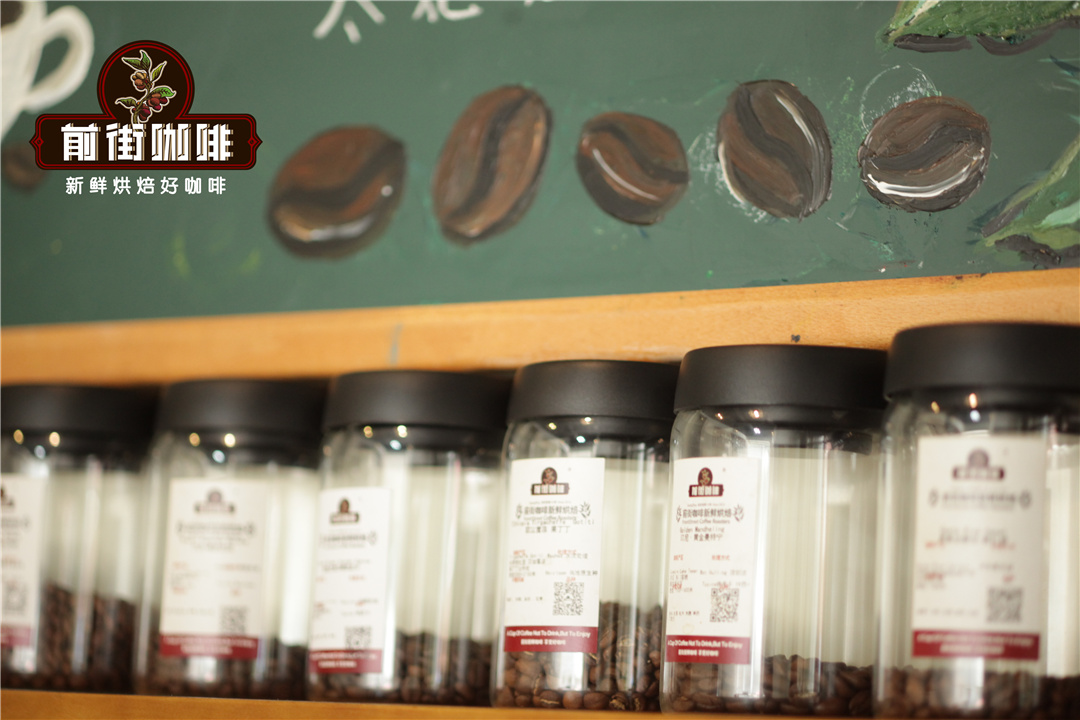
Once you have quality beans, store them away from sunlight, at low temperature and low humidity. Carefully dried and roasted beans easily absorb odors when exposed to moisture. Avoid damp warehouses, and keep them at room temperature. If storage conditions are hot and humid, ensure good ventilation.
Beans should be kept in a dry, cool place, never in the refrigerator's fresh-food compartment, to prevent moisture absorption. Freezing is the ultimate method for preserving freshness. When freezing, seal the beans properly first, and when you take them out, prevent any frozen portion from thawing and introducing moisture into the bag. Seal containers tightly (ideally using the beans within 1 month of opening), store them in a cool place away from sunlight, and watch the expiration date. This approach keeps preservation trouble-free.

Store beans as close to the top of the sealed container as possible, and close it quickly after each opening to limit air exposure. You can also tighten the outer packaging with rubber bands before placing it in a sealed container, or divide the beans into single-serving portions before storing. If available, add a desiccant packet to keep things dry.
Because whole beans expose less surface area to air than ground coffee, they hold quality and flavor longer. To preserve aroma, grind only when you are ready to brew. For roasted beans, the biggest threats to quality are light, temperature, humidity, and air. Controlling air exposure, lowering temperature, keeping humidity low, storing away from light, and using sealed containers are all essential.

Coffee's flavor compounds are highly unstable and easily affected by light, temperature, humidity, and oxygen, so prolonged exposure of roasted coffee to air leads to lipid oxidation. Oxidation is a major cause of coffee deterioration. Roasted coffee contains approximately 10-15% fat, 75% triglycerides, and 50% linoleic acid. Linoleic acid can auto-oxidize into hexanal, and the longer the coffee is exposed to air, the more that hexanal further oxidizes into volatile compounds, producing off-flavors and a decline in taste.
FrontStreet Coffee Recommendation
Storage and freshness matter most for the beans you brew every day, and a balanced medium roast is a great place to start. FrontStreet Coffee's Brazil Queen Estate is a yellow Bourbon from the world's largest coffee producer, medium-roasted to a clean, gently sweet cup with cream, peanut, chocolate, toast, and sugarcane aromas. It brews happily as pour-over and also suits a moka pot or espresso machine.
If you like your medium roast on the sweeter, fruitier side, try FrontStreet's Strawberry Candy. It pairs a honey-processed Costa Rican coffee with a washed Panama Geisha and medium-roasts the blend so the cup shows both citrus-honey sweetness and a rounded body; it shines as cold brew, pour-over, or espresso. And for a classic, comforting profile, FrontStreet's Jamaica Blue Mountain No. 1 is medium-roasted to fuse acidity, bitterness, sweetness, and body into one elegant whole — chocolate, roasted nuts, cream, and caramel from the first sip, balanced in a way few coffees match.
Important Notice :
FrontStreet Coffee is a long-established specialty coffee roaster in Guangzhou China, selling freshly roasted beans from its own farm in Yunnan as well as dozens of carefully selected single-origin beans from around the world for both pour-over and espresso. The products deliver consistently excellent quality and great value, with shipping within 24 hours. Guangzhou's FrontStreet Coffee shop is recommended by many coffee lovers, and the beans are now available online at the Tmall 。
FrontStreet Coffee has moved to a new address:
FrontStreet Coffee Address: 315,Donghua East Road,GuangZhou
Tel:020 38364473
 Scan and follow the En Gafei WeChat official account. Please indicate that the reprint comes from "En Gafei".