The Composition of Coffee Fruits and Coffee Beans: What Makes Coffee Bitter? Caffeine Content in Coffee Beans
Professional coffee knowledge exchange. For more coffee bean information, follow Coffee Workshop (WeChat public account: cafe_style).
Introduction
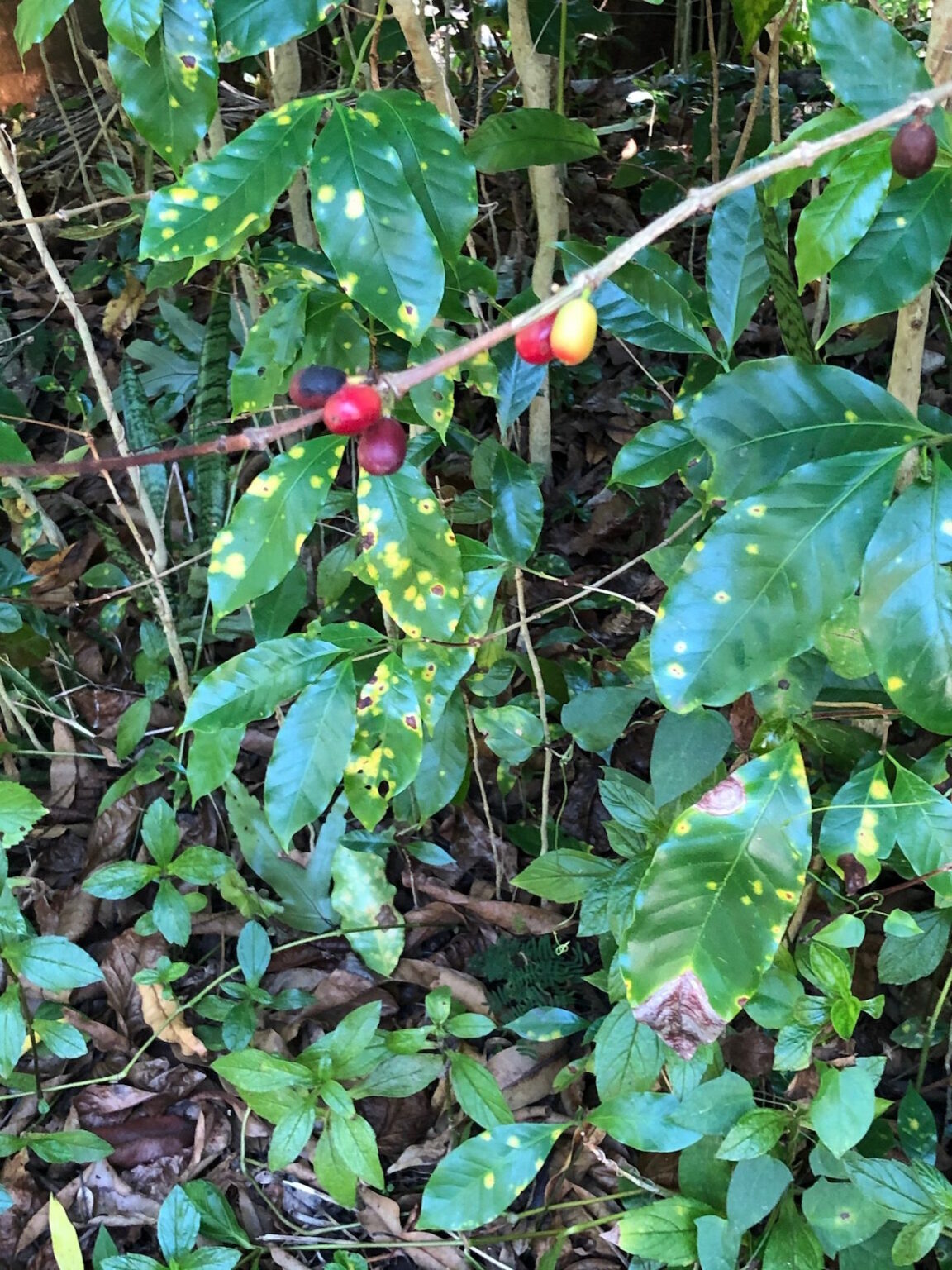
After reading the title, some friends may wonder: "Aren't coffee cherries and coffee beans the same thing?" In fact, their relationship is like that of a mother and her child. Coffee beans come from the pit inside the coffee cherry.
The Structure of a Coffee Cherry
Here is a structural diagram of a coffee cherry. Looking from the outside in, it divides into seven parts:
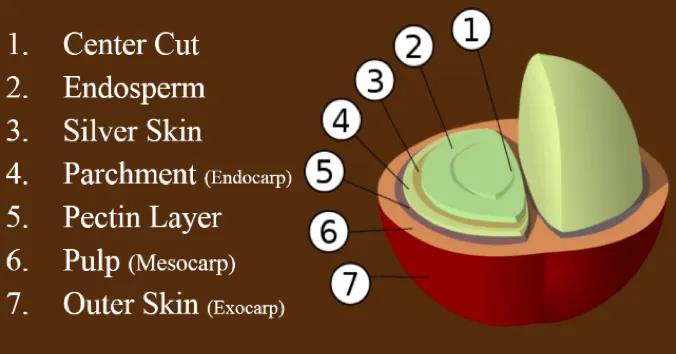
- Exocarp (outer skin)
- Mesocarp (pulp)
- Pectin layer
- Parchment
- Silver skin (the thin film between the coffee bean and the parchment)
- Endocarp (coffee bean)
- Central line (embryo)
Exocarp
The exocarp consists of one to two layers of cells. Structurally it resembles a biological epidermis, complete with a cuticle and stomata. While coffee cherries are unripe, the parenchyma cells of the exocarp contain many chloroplasts, which turn into chromoplasts at maturity. Depending on how ripe the fruit is, the outer skin gradually shifts from green to red.
Mesocarp
Biologically, the coffee mesocarp belongs to the fruit skin, developed from the plant's ovary wall. The coffee pulp contains sugar and acidity, with a sweet fragrance like honeydew melon and a clear, pleasant fruit acidity.
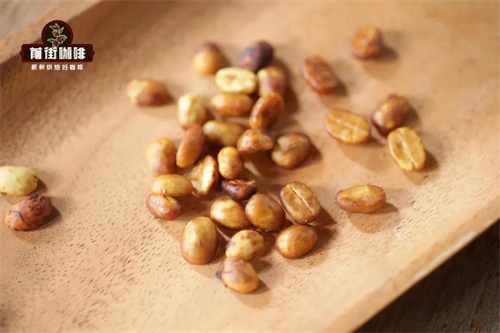
Pectin Layer
The coffee pectin layer is made of heteropolysaccharides sitting between the pulp and the endocarp (parchment). It has a sticky texture and dissolves poorly in water. The pectin fraction holds the highest sugar content in the coffee cherry and plays a central role in fermentation during processing. In honey processing, for example, the more pectin retained, the more pronounced the fermentation character of the beans and the sweeter the cup.
Parchment
The parchment is composed of parenchyma cells and serves to protect the coffee bean.
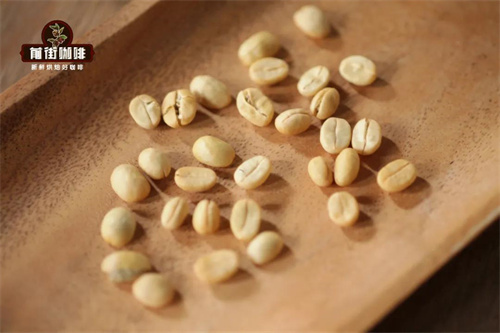
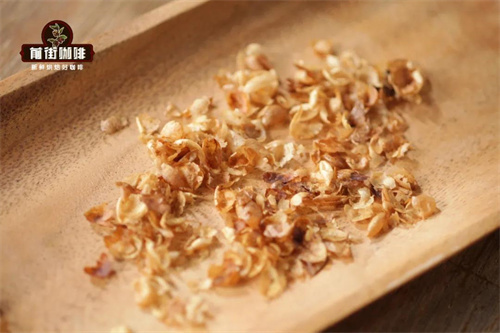
Silver Skin
A very thin film between the parchment layer and the coffee bean, belonging to the cytoplasmic membrane.
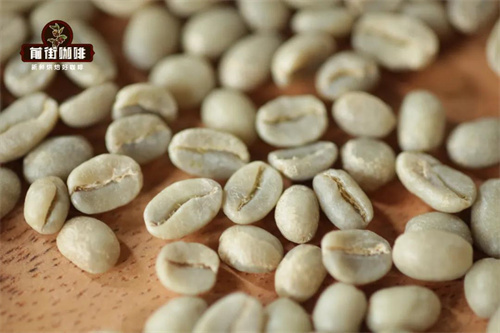
Endocarp (Coffee Bean)
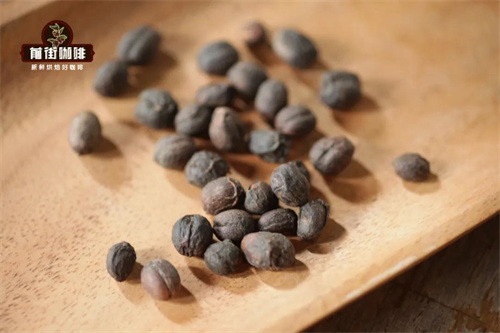
This is the seed of the coffee tree. Typically, one coffee cherry contains two coffee beans. Because their contacting faces are flat, they are called flat beans. In some cases, during growth one bean develops poorly, leaving the other enough room to grow into an elliptical shape - these are called peaberries.
Embryo
The split down the middle of the coffee bean is the embryo. After breaking through the coffee seed coat, it develops into leaves and stems.
Composition of a Coffee Bean
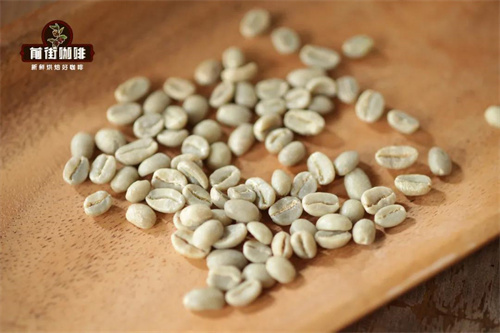
After processing and drying, the moisture content of a green coffee bean falls within 13%. The water in coffee beans does not significantly influence aroma or taste. What shapes coffee flavor instead is the proportion of waterless compounds hidden inside the bean. So what waterless compounds does a green coffee bean contain?
Polysaccharides
Polysaccharides are the most abundant component in coffee beans, accounting for about 35%-45%. They form the basis of substances like plant fibers, are insoluble in water, have no sweetness, and do not directly affect coffee flavor. The spent grounds left after brewing are made of polysaccharide fibers. There is no significant difference in polysaccharide proportion between Arabica and Robusta beans.
Proteins
Coffee beans contain 12% protein. Like polysaccharides, proteins do not directly affect coffee flavor, and there is no significant difference in protein proportion between Arabica and Robusta beans.
Lipids
The lipids in coffee beans are made up of oils such as linoleic acid and palmitic acid. Arabica beans contain 20% lipids, while Robusta beans contain 10%. Because many aromatic fatty carboxylic acids (including citric acid, malic acid, acetic acid, lactic acid, and formic acid) dissolve in lipids, the lipid content of a coffee determines how rich the flavor feels after tasting.
Oligosaccharides (Sucrose)
The amount of sucrose in coffee beans determines the quality of the coffee's flavor: the higher the sucrose content, the better the coffee tastes. Arabica beans contain 6%-9% sucrose, while Robusta beans contain 3%-5%.
Chlorogenic Acid
The chlorogenic acid in coffee beans is an undesirable acid that feels astringent and unpleasant. During roasting, chlorogenic acid degrades into quinic acid. Quinic acid is a phenolic acid and is non-volatile, so it cannot be detected by smell, but it tastes bitter and is one of the sources of bitterness in dark-roasted coffee. Arabica beans contain 5%-8% chlorogenic acid, while Robusta beans contain 7%-11%.
Other Organic Acids and Inorganic Acids (Phosphoric Acid)
Besides chlorogenic acid, the combined content of citric acid, malic acid, acetic acid, lactic acid, formic acid, and phosphoric acid accounts for at most 2% in both Arabica and Robusta beans.
Amino Acids
The amino acids in green coffee beans include aspartic acid, leucine, and others, accounting for at most 2% in both Arabica and Robusta beans.
Caffeine
The caffeine content of coffee beans is closely tied to variety and growing altitude. Arabica varieties contain about 0.9-1.4% caffeine, while Robusta varieties generally range from 2%-3%. Different Arabica varieties planted in different regions may also show slightly varying caffeine levels.
FrontStreet Coffee Recommendation
If reading about sugars, acids, and aromatics has you craving a cup that shows those compounds at their best, start with FrontStreet's Ethiopia Yirgacheffe Gedingding. This washed lot from the Gedingding cooperative is the classic introduction to specialty coffee: bright citrus acidity and jasmine florals, with a green-tea and honey character after a medium-light roast. Its clean, delicate profile makes the bean's own aromatics easy to appreciate, and it works for pour-over, cold brew, or espresso.
For something more fruit-forward, FrontStreet's Ethiopia Huakui is one of the recent stars of the specialty market. Its tropical-fruit aromatics are strikingly intense - strawberry, passion fruit, jackfruit, even lychee - with pronounced sweetness and almost no bitterness. Smooth and juicy on the palate, it is often described as "the coffee that does not taste like coffee," and it is a great choice for anyone who usually dislikes the bitter edge of traditional coffee.
Want to compare a washed coffee known for complexity? FrontStreet's Kenya Cherry Tomato comes from the Thika region, grown at 1,550-1,750 meters from the classic SL28 and SL34 varieties. After Kenya's signature 72-hour double washed fermentation and a light roast, the dry aroma already shows concentrated dried cherry tomato and florals; in the cup you get clear cherry tomato and dark plum, a bright and solid acidity like fresh juice, a sweet mid-palate with pear and black plum, and a clean finish of yellow sugar and light green tea.
Important Notice :
FrontStreet Coffee is a long-established specialty coffee roaster in Guangzhou China, selling freshly roasted beans from its own farm in Yunnan as well as dozens of carefully selected single-origin beans from around the world for both pour-over and espresso. The products deliver consistently excellent quality and great value, with shipping within 24 hours. Guangzhou's FrontStreet Coffee shop is recommended by many coffee lovers, and the beans are now available online at the Tmall 。
FrontStreet Coffee has moved to a new address:
FrontStreet Coffee Address: 315,Donghua East Road,GuangZhou
Tel:020 38364473
 Scan and follow the En Gafei WeChat official account. Please indicate that the reprint comes from "En Gafei".