How to Choose Coffee Beans? What to Pay Attention to When Buying Coffee Beans? How to Tell if Coffee Beans Are Fresh?
Introduction
In today's booming coffee market, more and more people are opening the door to the coffee world — only to discover so many varieties of coffee beans that they can't help exclaiming, "This is too hard, I have no idea where to start!" In this article, FrontStreet Coffee will walk you through how to choose coffee beans.
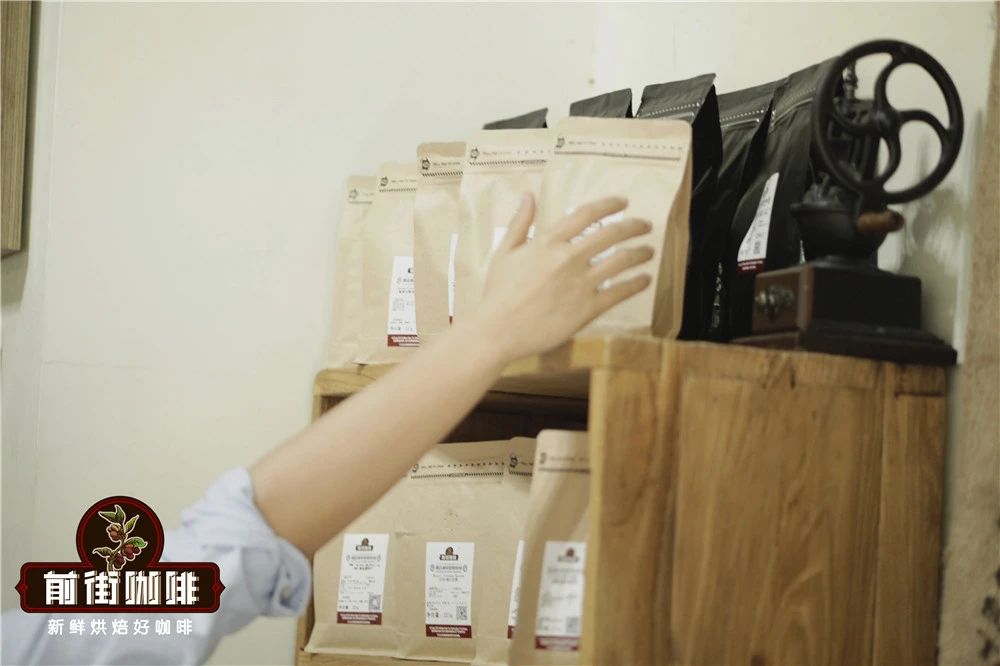
Brewing Method Determines Coffee Bean Type
The two most common types of coffee beans on the consumer market today are espresso beans and pour-over beans. They exist because the market revolves around espresso and pour-over — two very different brewing models. It's not that espresso beans can't be brewed pour-over style, or that pour-over beans can't go into an espresso machine. Rather, roasters build different roasting curves (and roast levels) around each brewing method. That's why espresso-specific beans shine in lattes and Americanos but may fall flat as pour-over, and the reverse holds true as well — which is why single-origin beans don't necessarily make good espresso.
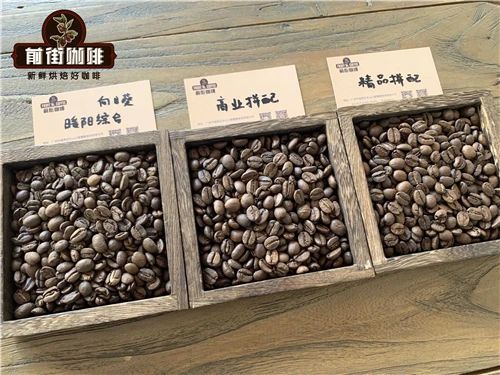
So the first step in buying coffee beans is deciding how you plan to brew. If you use an espresso machine, moka pot, Turkish pot, or another pressurized or high-heat method, espresso beans are the way to go. For pour-over, French press, cold drip, or cold brew, reach for pour-over single-origin beans.
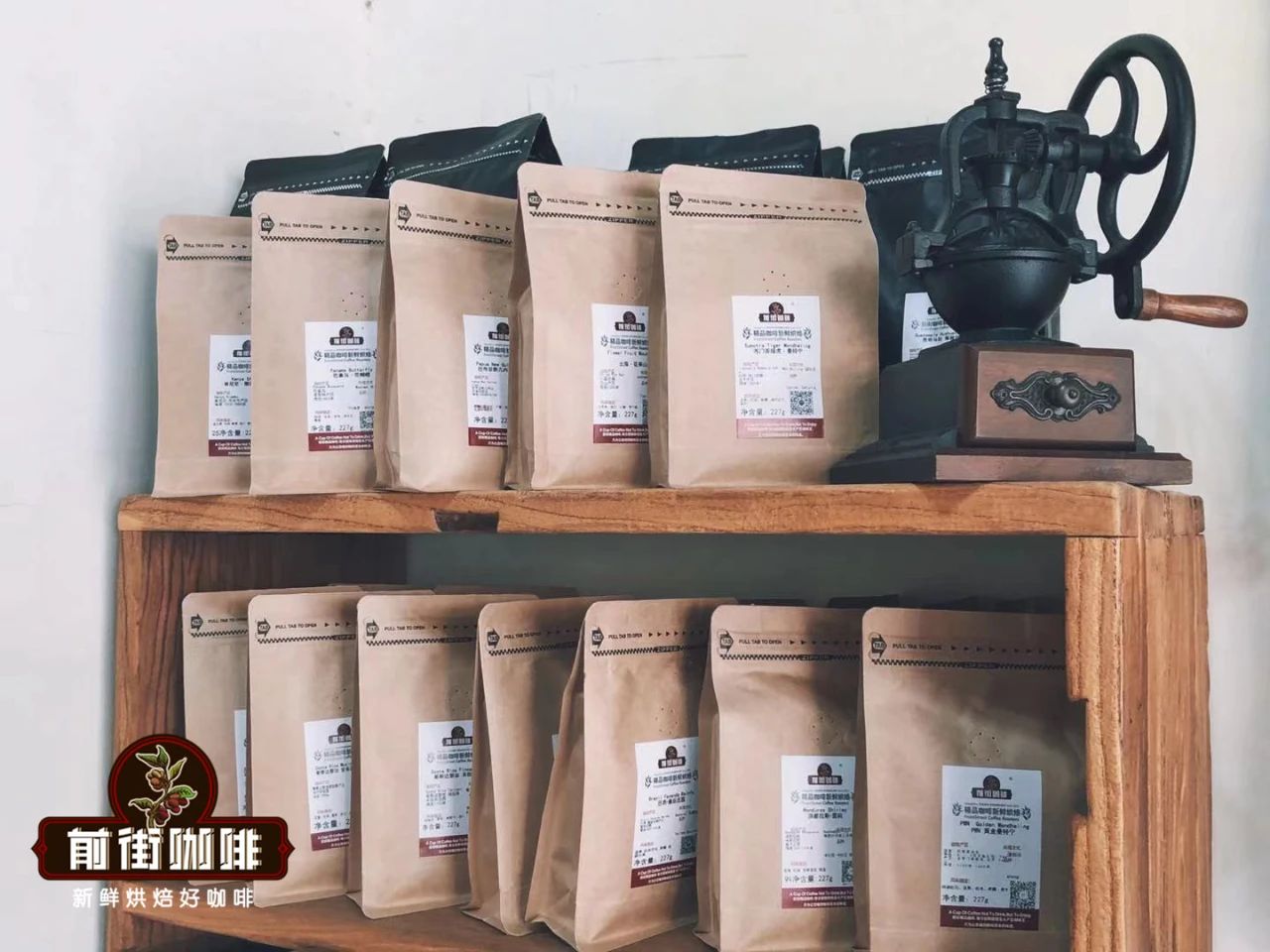
Choose Your Favorite Flavor
Using pour-over beans as an example, FrontStreet Coffee finds that beans from different regions, different processing methods, and different roast levels all express different flavors. As a consumer, you can read the flavor notes on the bag to find what you like: lightly roasted beans described as lemon, citrus, or floral; dark roasted beans described as nuts, dark chocolate, or cream; and specially processed beans carrying wine-like aromas or intense fruit-jam notes.
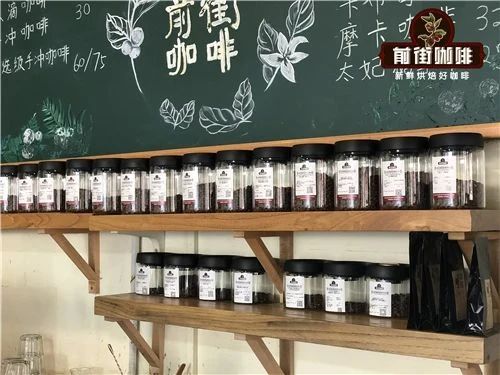
And of course, if you already know your way around coffee regions and estates, you can simply buy beans from the flavor profiles you love best.
Coffee Beans or Ground Coffee?
Many shops that sell coffee beans also offer grinding, so you can buy either whole beans or ground coffee. Each has its advantages. Whole beans preserve the coffee's aromatic compounds far better, and grinding fresh before brewing delivers the complete flavor. Ground coffee is more convenient — clearly the better choice if you don't own a grinder (good grinders can be expensive and bulky). But pre-ground coffee loses its aromatics much faster, so in flavor it will always fall short of freshly ground.
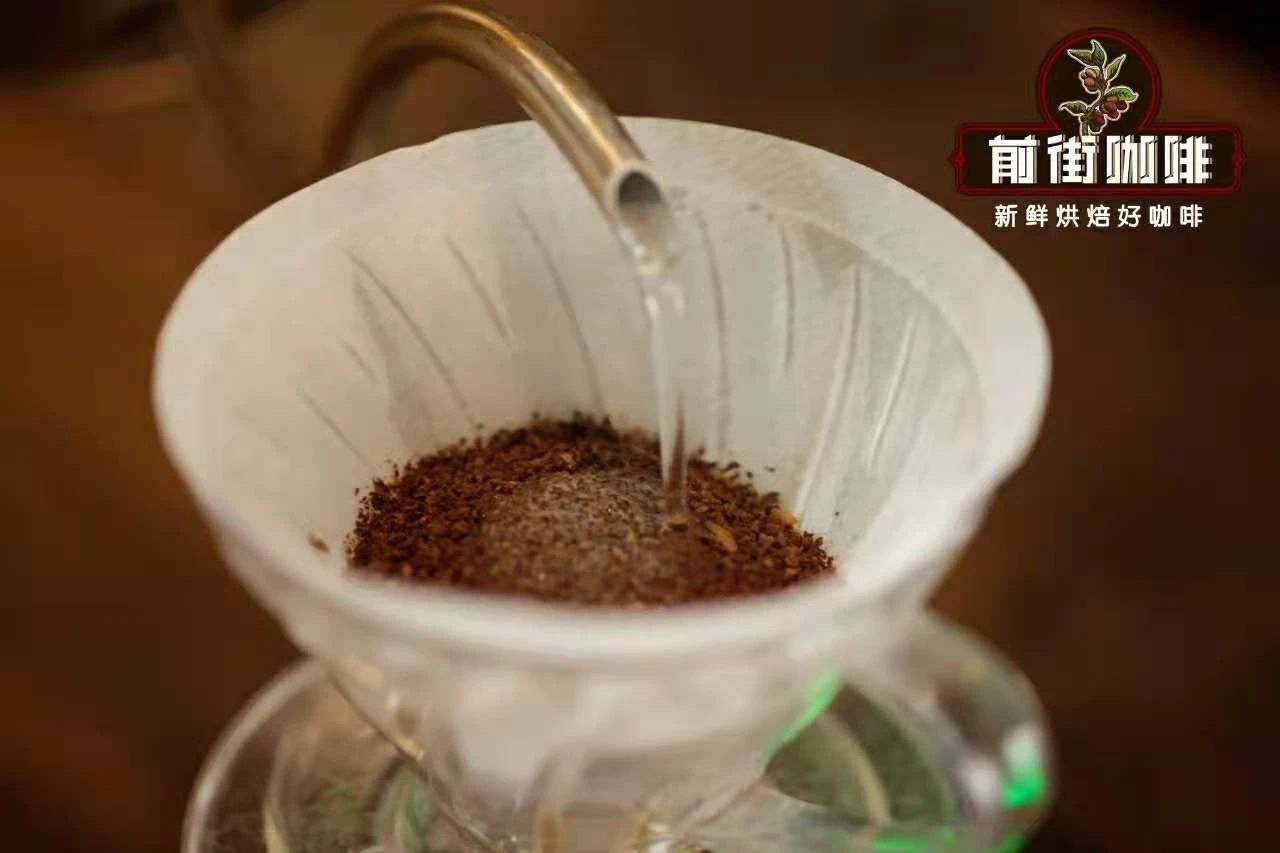
If you drink coffee regularly or want a more refined experience, consider equipping yourself with a hand grinder or a compact electric one. Once you've compared pre-ground with freshly ground side by side, given the choice, you'll pick freshly ground every time.
Pay Attention to Roast Date
One more thing to check when buying beans: the roast date. FrontStreet Coffee prints the roast date on the back of every package.
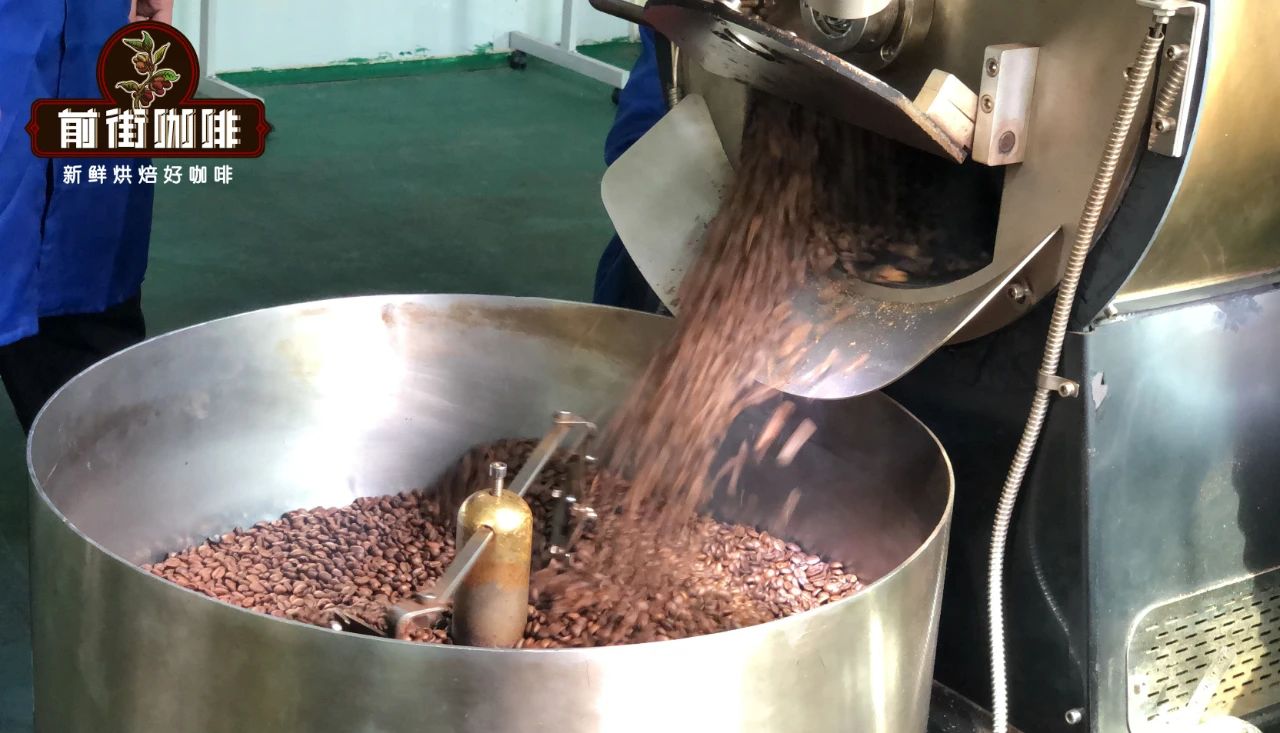
Generally, coffee hits its optimal flavor window after roasting, following a 3-7 day degassing period when the flavor peaks. Afterward, flavors fade over time until only woody notes remain. The first compounds to dissipate are the volatile ones — florals and fruit — while water-soluble compounds like sugars, nuts, and chocolate are relatively stable.
That's why the generally recommended flavor window runs from day 4 to day 30 after the roast date. Once it has passed, the coffee isn't undrinkable — the flavor is just slightly diminished. Don't confuse this with shelf life: roasted beans typically keep six months to a year.
In short, roasted coffee beans aren't necessarily better the fresher they are, but they shouldn't sit too long either. Check the roast date when buying, make sure you can finish the bag within a set timeframe, and avoid waste.
FrontStreet Coffee Recommendation
Start with a blend for the moka pot. Blends are the natural first choice for moka pot brewing, and FrontStreet's lineup covers every need:
FrontStreet Classic Blend. Designed specifically for espresso and the moka pot, its standout strength is outstanding crema — even a beginner on a non-professional home machine can extract dense, fine crema with ease. Lattes, cappuccinos, and Dirty drinks all depend on good crema, and this blend hits the mark. It follows the traditional Manda (Mandheling-Brazil) blend recipe with a mellow, rounded taste that veterans and newcomers alike can enjoy — an easy first pick for home or commercial use.
FrontStreet Dark Cocoa Blend. Not everyone chases maximum crema; for beginners or shop owners watching costs, "great taste, honest price" matters more. This 100% Arabica blend delivers ample crema and a mellow body at a friendly price — quality and value in one bag.
FrontStreet Commercial Blend. Before the Dark Cocoa Blend launched, this was the mainstay for cafe use. Priced below the specialty blend, its formula may not chase extreme crema but is carefully optimized to balance taste against cost — a long-running favorite for all kinds of commercial settings.
FrontStreet Specialty Blend. The espresso blend FrontStreet's own shops have used longest — nearly ten years — powering their Americanos and lattes. It pairs Brazil Cerrado with Colombia Huila for that classic, familiar espresso flavor; equally at home at home or behind a bar.
Single-origin options: FrontStreet PWN Indonesia Golden Mandheling — deep roast, very low acidity, mellow and lingering, with herbal and dark chocolate aromas, a faint earthiness, and rich layers for those who like their coffee bold and not sour. (Authenticity is easy to verify: FrontStreet was among the first to display PWN's exclusive burlap bags and certificates in its product listings.) FrontStreet Brazil Fazenda Rainha (Queen Estate) — very low acidity, balanced, with rich nut and cocoa aromas and clear caramel sweetness; smooth, warm, and lingering whether brewed as pour-over, espresso, or moka pot. FrontStreet Papua New Guinea Bird of Paradise — from the Sigri region's Paradise Bird Estate, nicknamed "little Blue Mountain" for its Blue Mountain-like texture; Typica variety grown at 1600-1800 meters in volcanic soil, AA grade with full beans and extremely low defect rate, triple washed-fermented for a clean, sweet, non-acidic cup.
For fruit-forward cups: FrontStreet Colombia Pink Bourbon (Sidra) — from Colombia's La Divisa estate, a champion-competition variety grown at 1650-1800 meters, double anaerobic natural processed and roasted medium-light; jasmine and citrus dry aroma, a juicy rush of passion fruit, blueberry, grape, and apricot, soft bright acidity, a touch of spice mid-palate, and a lasting cocoa finish. FrontStreet Strawberry Sugar — a popular fruity espresso blend whose mixed-origin Arabica base recreates the unmistakable sweetness of strawberry gummy candy; equally suited to daily home brewing and cafe service, it's a versatile everyday bean for anyone who loves fruit-forward coffee and fears bitterness.
Important Notice :
FrontStreet Coffee is a long-established specialty coffee roaster in Guangzhou China, selling freshly roasted beans from its own farm in Yunnan as well as dozens of carefully selected single-origin beans from around the world for both pour-over and espresso. The products deliver consistently excellent quality and great value, with shipping within 24 hours. Guangzhou's FrontStreet Coffee shop is recommended by many coffee lovers, and the beans are now available online at the Tmall 。
FrontStreet Coffee has moved to a new address:
FrontStreet Coffee Address: 315,Donghua East Road,GuangZhou
Tel:020 38364473
 Scan and follow the En Gafei WeChat official account. Please indicate that the reprint comes from "En Gafei".