Where Does Coffee's Sweetness Come From and What Factors Influence It? Why Can't You Taste Sweetness in Pour-Over Single-Origin Coffee
Introduction
When you buy coffee beans, the flavor notes almost always read sweet, honey, cane sugar, caramel. Yet strangely, some people taste that sweetness in the cup while others do not! What causes the difference? And where do these pleasant sweet flavors come from in the first place?
What are Sugars?
Carbohydrates (sugars) are divided into monosaccharides, disaccharides, and polysaccharides, and together they account for about 50% of the weight of a raw coffee bean.
Monosaccharides are the structurally simplest sugars, water-soluble and sweet. Glucose, fructose, mannose, arabinose, and galactose are all monosaccharides.
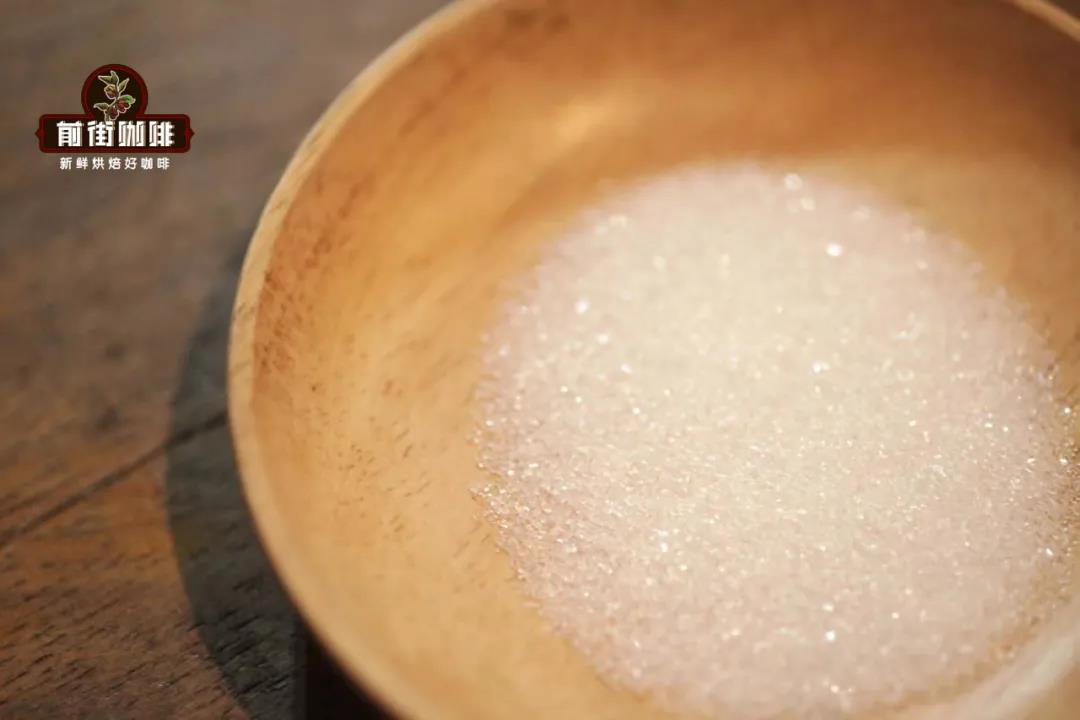
Disaccharides form when two monosaccharide molecules dehydrate and bond; they dissolve in water and taste sweet. Sucrose, lactose, and maltose are disaccharides.
Polysaccharides are chains of more than ten monosaccharide molecules. They are insoluble in water and tasteless, and they make up the bulk of the lignocellulose in the bean.
What Affects the Sweetness of Coffee Beans?
Coffee Varieties
Start with the sugar composition of Arabica and Robusta raw beans:
| Arabica (Raw Bean) | Robusta (Raw Bean) | |
|---|---|---|
| Polysaccharides | 43%-45% | 46.9%-48.3% |
| Monosaccharides | 0.2%-0.5% | 0.2%-0.5% |
| Disaccharides (Sucrose) | 6%-9% | 3%-5% |
The data shows that polysaccharide and monosaccharide levels are roughly the same across the two species. The decisive variable is sucrose: the higher the sucrose content, the better the resulting flavor, which is exactly why Arabica tastes so much better than Robusta.
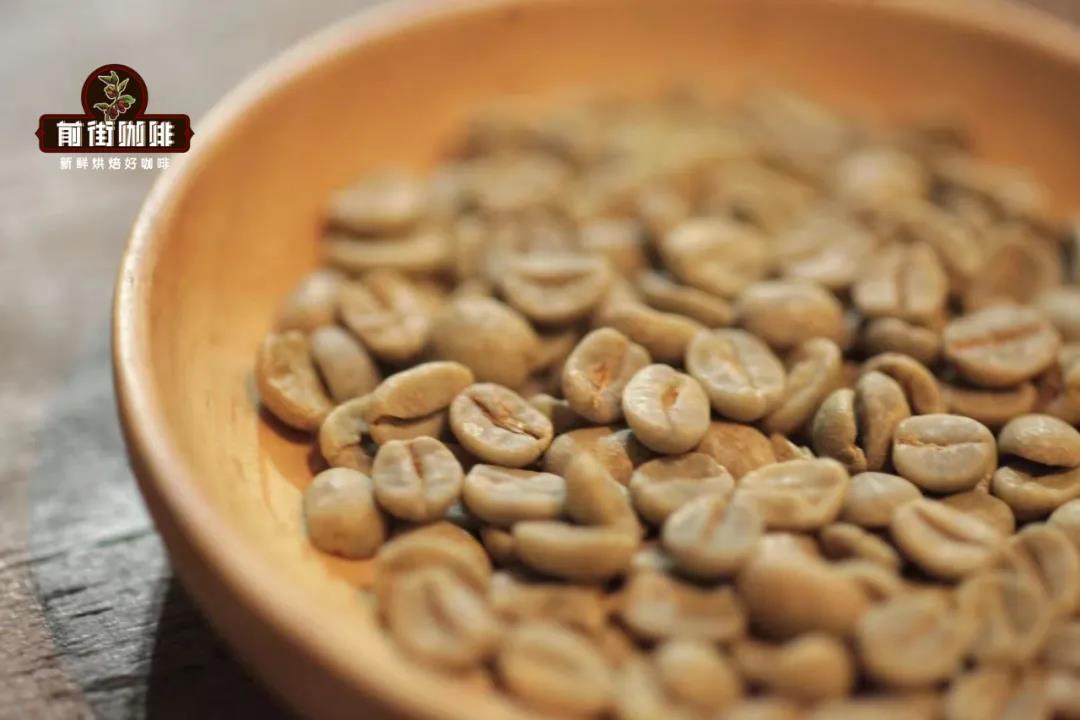
Cherry maturity matters too. As coffee fruit ripens, sucrose builds up in the pulp and mucilage, and during drying those sugars migrate into the seed, the bean itself.
Coffee Growing Altitude
The higher the altitude, the bigger the day-night temperature swing and the longer the fruit takes to ripen. Warm daytime sun helps the fruit build sugars, while cold nights slow plant respiration and cut sugar consumption. More altitude means a wider gap and more time to accumulate sugar, which is why high-grown coffees taste sweeter.
Coffee Bean Processing Methods
Processing also shapes how sweetness shows up. Compare the washed and natural methods.
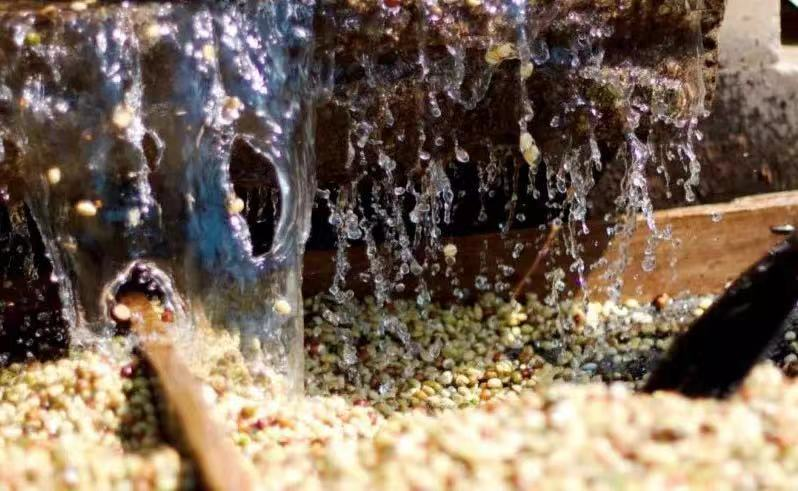
In washed processing, the skin and pulp are removed and the beans are fermented in water to strip the mucilage. The soaking reactivates the bean embryo, which begins digesting the sugars stored in the bean while amino acid content rises. This is why washed coffees show more pronounced acidity and a cleaner taste.
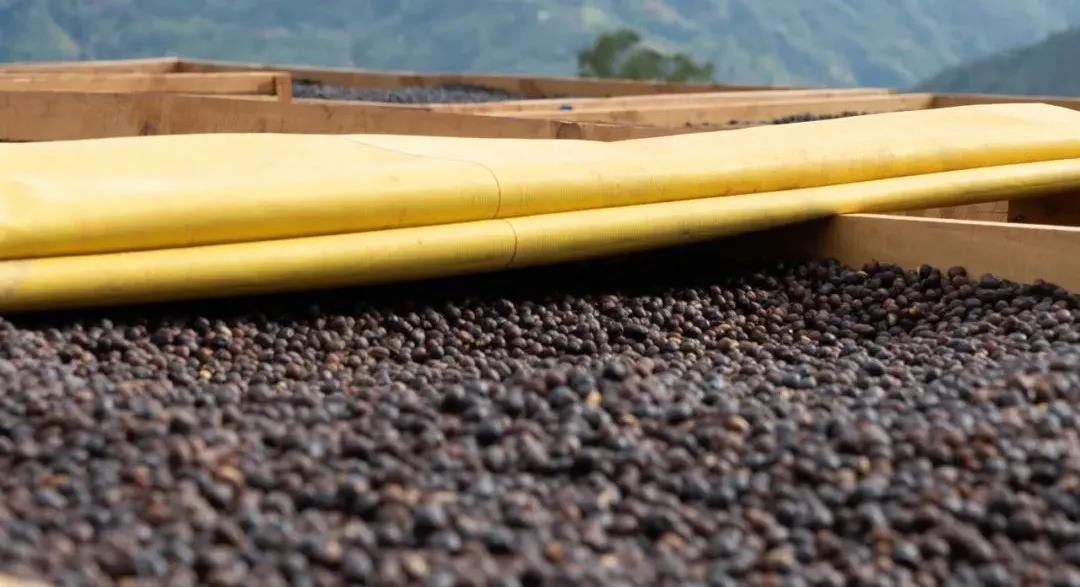
In natural processing, the beans dry with skin, pulp, and mucilage all intact. As the fruit's moisture drops, the embryo's activity is suppressed, and the sugars in the pulp and mucilage are slowly absorbed into the bean. Hence natural coffees taste sweeter and fuller-bodied.
Coffee Bean Roasting
Caramelization during roasting plays a decisive role. Under-caramelize and coffee tastes bland; over-caramelize and it turns bitter. The reaction runs between 170 and 205°C, right in the temperature window of first crack.
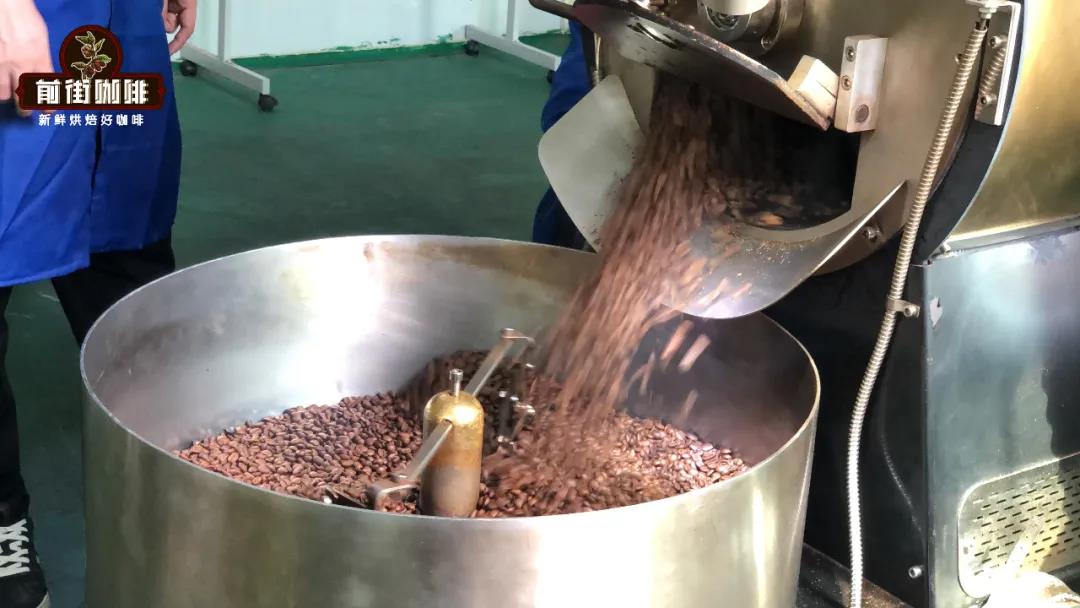
During first crack, sucrose in the bean releases water vapor and carbon dioxide after dehydration, turning the originally colorless sucrose crystals brown while forming aromatic compounds such as furans. Furan compounds are the main building blocks of coffee aroma, and the charming sweet and roasted notes we smell in coffee come largely from them.
Why Can't Everyone Taste Sweetness in Coffee?
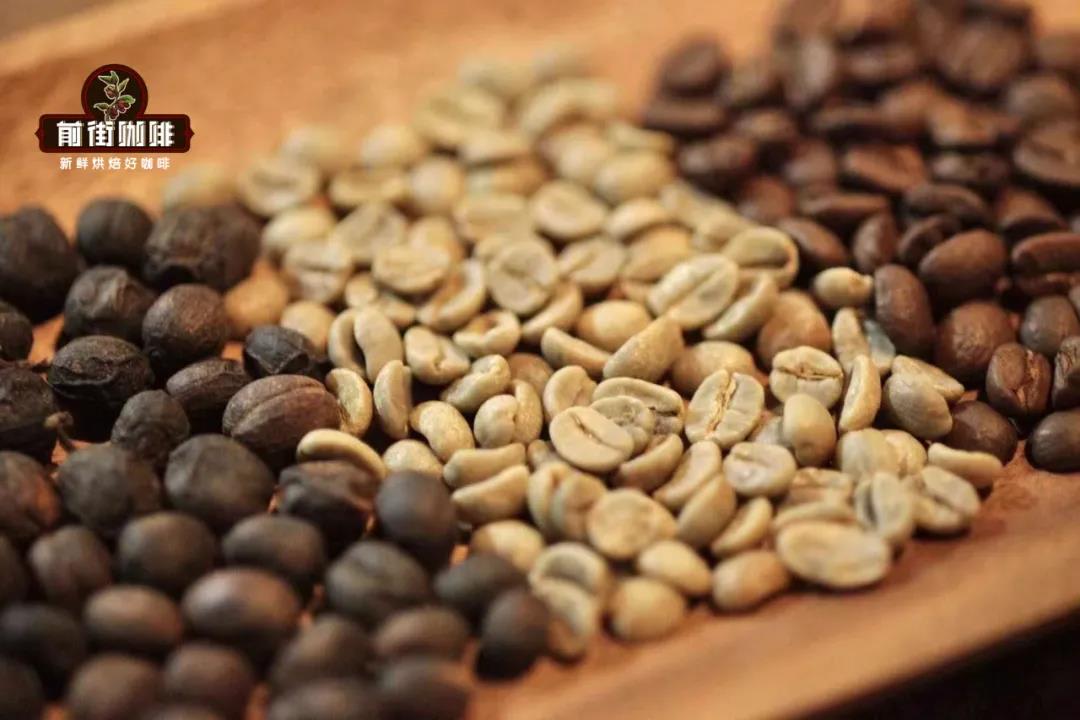
After roasting, the beans have been through Maillard and caramelization reactions, and almost no sucrose remains. So the "sweetness" described on a bag of coffee is actually aromatic, not gustatory, it is smelled, not tasted. If you truly want to taste sucrose from a coffee bean, you would have to chew the raw bean!
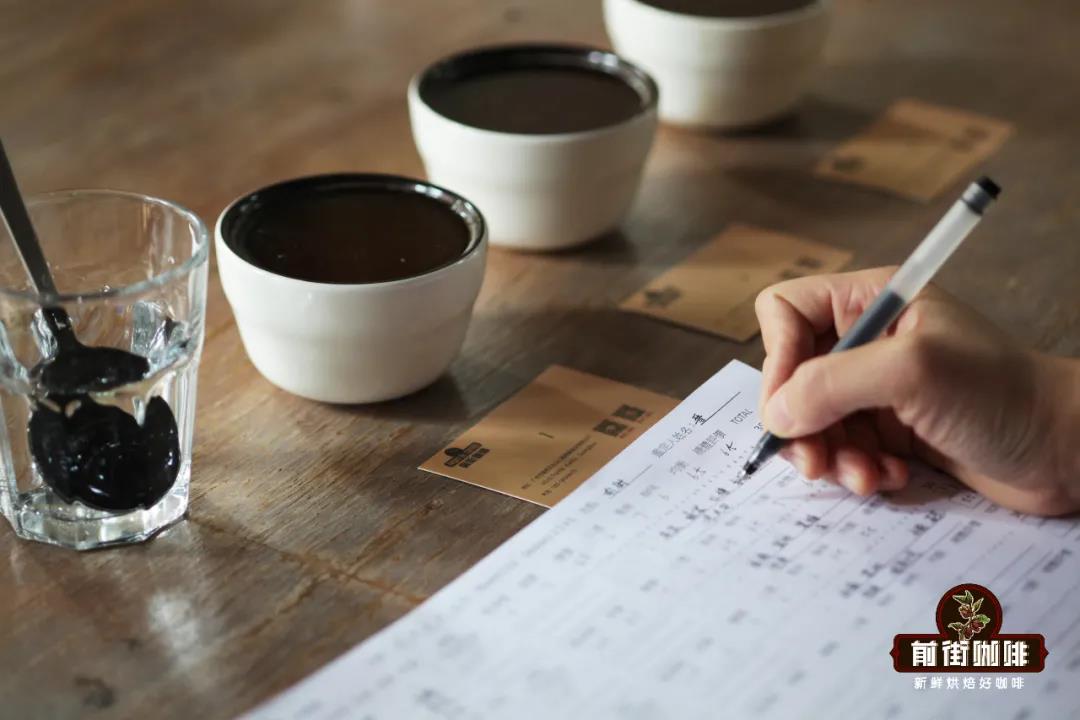
When FrontStreet Coffee's baristas cup a coffee, they judge it through two kinds of olfaction: orthonasal and retronasal.
Orthonasal olfaction means sniffing externally to perceive odors directly, the citrus, floral, and herbal aromas released when grounds hit the air, or the volatiles that only release at high temperature, which we often call "wet aroma": fruit notes, tea, sweet-sour scents, and so on.

Retronasal olfaction is often mistaken for taste on the tongue. It happens after coffee enters the mouth: saliva catalyzes the release of aromatic molecules hidden in the coffee oils, which then travel from the oral cavity through the nasopharynx into the nasal cavity. Chocolate, nuts, and other caramelized aromas come across far more strongly retronasally.
Everyone's ability to identify aromatic compounds differs, however, not everyone perceives the same aromas in the same coffee.
To sharpen your nose for sweet aromatics, eat more obviously sweet foods such as fruits and candies. As you swallow, close your mouth and exhale through your nose to engage retronasal olfaction, with practice, your ability to recognize sweet aromas will grow.
FrontStreet Coffee Recommendation
Understanding sweetness is one thing; tasting it is another. The single best training ground is a V60 pour-over, whose fast extraction renders layered aromatics and lively acidity, precisely the qualities that let sweet florals and fruit sugars shine.
For light-roast, fruit-driven sweetness, FrontStreet recommends the Ethiopia Yirgacheffe Guodingding, a washed lot from the Guodingding Cooperative in the Worka area, once part of the Yirgacheffe Union (YCFCU)'s Worka cooperative, with fresh, bright citrus and lemon acidity and jasmine fragrance, and no traditional bitterness. The Ethiopia Huakui goes further: natural-processed with intensely tropical aromas of strawberry, passion fruit, jackfruit, and lychee, obvious sweetness, almost no bitterness, and a juice-smooth entry, the coffee many drinkers describe as "the least coffee-like coffee." The Panama Hacienda La Esmeralda Red Label Geisha is the pinnacle of the floral style, with elegant jasmine, citrus, bergamot, and black tea notes, a clean and translucent cup, and a long, layered finish. And Kenya Cherry Tomato, from the Thika region at 1550 to 1750 meters (SL28 and SL34, 72-hour double-washed fermentation, light roast), delivers bright cherry-tomato and dark-plum acidity with full juice texture, black sugar sweetness, and a clean, lasting finish.
If you prefer medium-dark roasts where sweetness reads as caramel and body, choose the FrontStreet PWN Golden Mandheling, low acid, thick and lingering, with herbaceous, dark chocolate aromas and a faint earthy note, the FrontStreet Brazil Empress Estate, whose nutty-cocoa depth and caramel sweetness suit pour-over, espresso, and moka pot alike, or the FrontStreet Jamaica Blue Mountain No. 1, whose cream, caramel, chocolate, nut, and honey tones in near-perfect balance make it the specialty coffee most people love at first sip.
Important Notice :
FrontStreet Coffee is a long-established specialty coffee roaster in Guangzhou China, selling freshly roasted beans from its own farm in Yunnan as well as dozens of carefully selected single-origin beans from around the world for both pour-over and espresso. The products deliver consistently excellent quality and great value, with shipping within 24 hours. Guangzhou's FrontStreet Coffee shop is recommended by many coffee lovers, and the beans are now available online at the Tmall 。
FrontStreet Coffee has moved to a new address:
FrontStreet Coffee Address: 315,Donghua East Road,GuangZhou
Tel:020 38364473
 Scan and follow the En Gafei WeChat official account. Please indicate that the reprint comes from "En Gafei".