Hurricane Strikes Central American Coffee Regions Multiple Countries Experience Varying Degrees of Coffee Production Reduction!
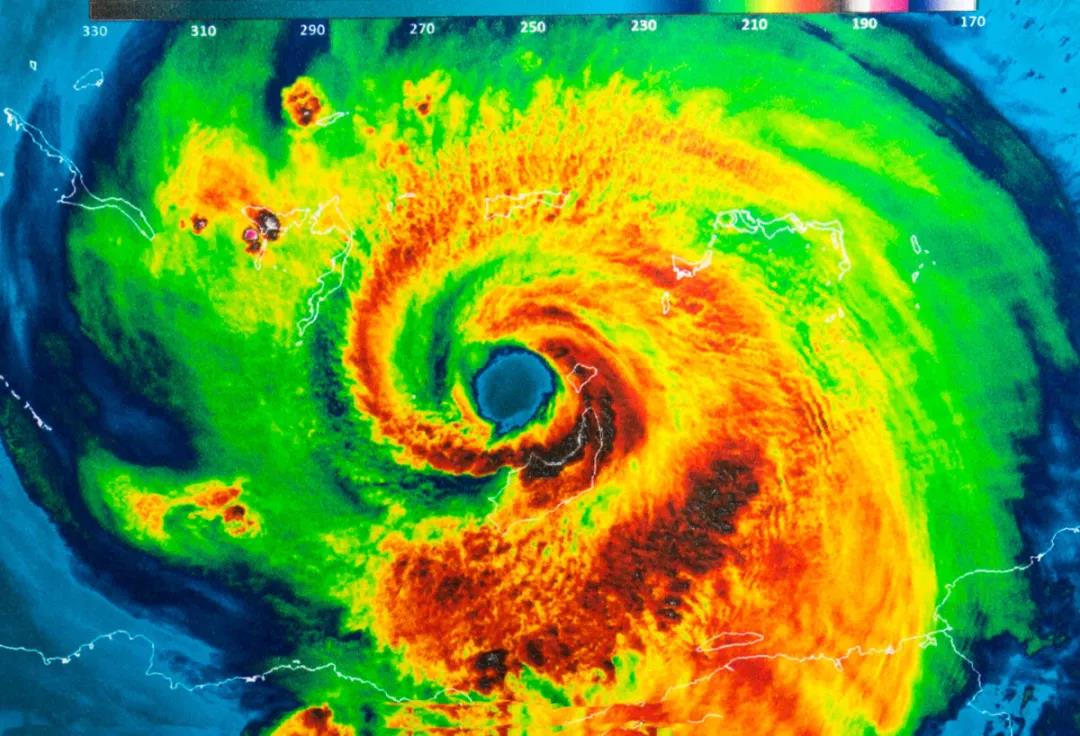
On November 3, 2020, Category 4 Hurricane Eta (later downgraded to a tropical storm) made landfall in Central America. The hurricane dealt varying degrees of damage to Nicaragua, Guatemala, Honduras, El Salvador, and Panama, while Costa Rica, Mexico, and Jamaica were also affected, battered by heavy rainfall. It destroyed power lines across the region, triggered landslides and floods, cut road access to some remote areas, left many people homeless, and claimed numerous lives.
COVID-19 had already taken a heavy toll on coffee production in these countries, and the hurricane made matters dramatically worse. Beyond the farmland it destroyed outright, even surviving farms suffered from the rainfall, which disrupted the growth of coffee cherries.
Nicaragua: Coffee leaf rust spreads through storms and rainfall
"Although Nicaragua's coffee harvest season has not yet begun, the prolonged rainfall may accelerate the ripening of coffee cherries," said Lily Sevilla, president of the National Union of Nicaraguan Coffee Producers. "Overly rapid ripening reduces the time available for flavor development, which affects the quality of the final harvest."
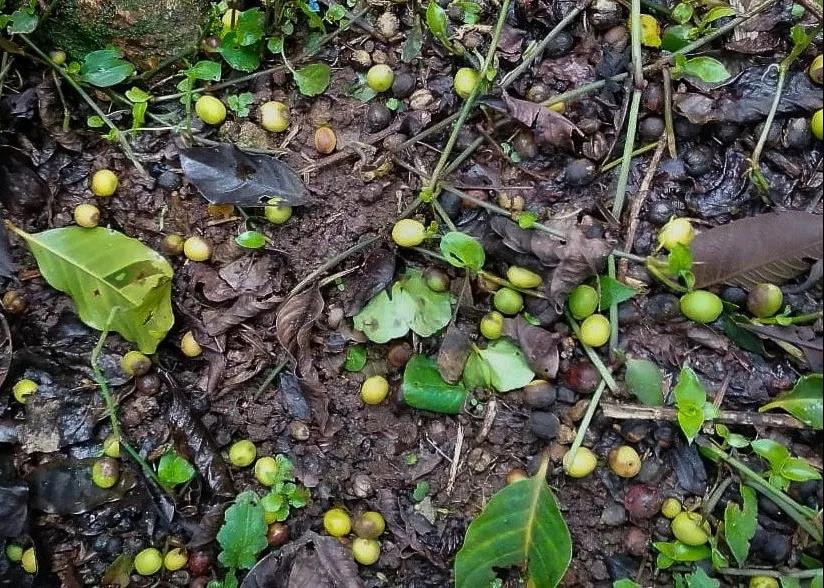
Beyond hastening ripening, the winds and rain knocked down large amounts of mature fruit, and coffee leaf rust spread on the wind and rain through multiple regions. According to local government estimates, in coffee-growing areas such as Jinotega, Matagalpa, and Boaco, more than 3,400 hectares of coffee farms were damaged by the hurricane.
Honduras: Small-scale farming communities damaged, with a potential 3% production reduction in 2021
The hurricane ravaged the Central American coastline, reaching northern Honduras. The tropical storm's torrential rain and catastrophic winds brought floods, landslides, and mudflows. A local non-governmental agricultural organization reported: "We have received many calls and messages from farmers describing the destruction of their homes and the loss of their crops." Some of the worst-hit provinces - including Copán, Honduras's main coffee-producing region - had enjoyed favorable weather and rainfall patterns for coffee growth in late 2020. "The crops had plenty of moisture, and the flowering was impressive," one Honduran farmer recalled. Many farmers believed this would be the perfect harvest to recover from COVID-19; the hurricane shattered those expectations instantly.
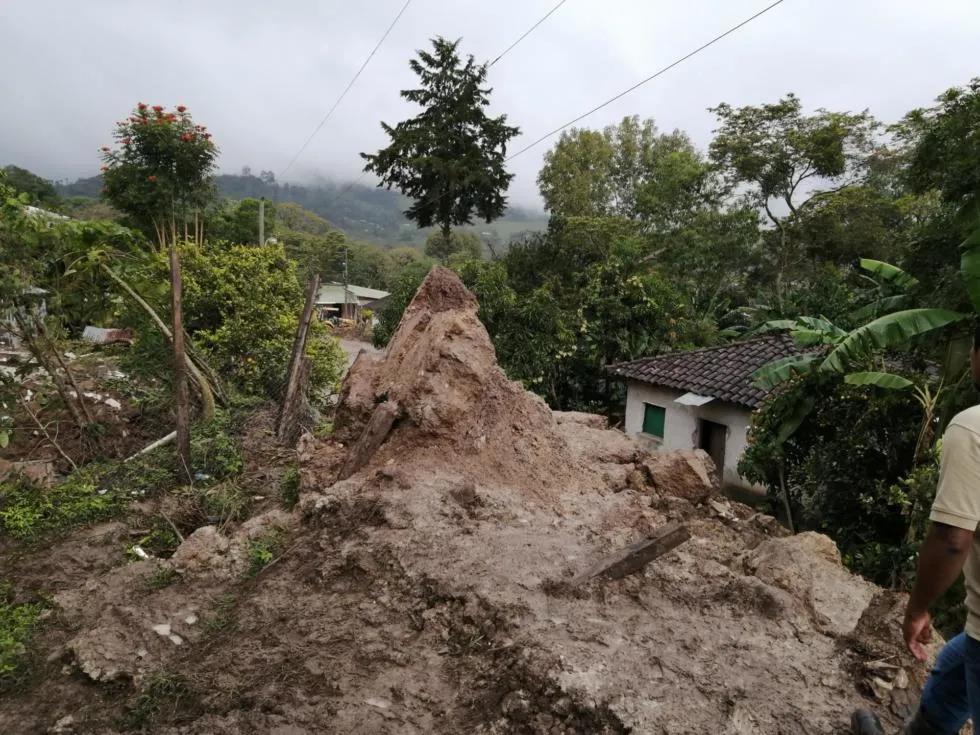
According to International Coffee Organization estimates, Honduras suffered damage to 3,409 hectares of coffee farmland, with another 4,144 hectares partially damaged - roughly a 3% loss of total exportable coffee for the 2020/21 season. Per the latest Global Agricultural Information Network (GAIN) annual statistics from the U.S. Department of Agriculture, Honduras exported approximately 372 million pounds of coffee beans last year. If the loss reaches 3%, exportable coffee in the new season will shrink by 11.7 million pounds.
Guatemala: Coffee production and exports face a bleak 2021
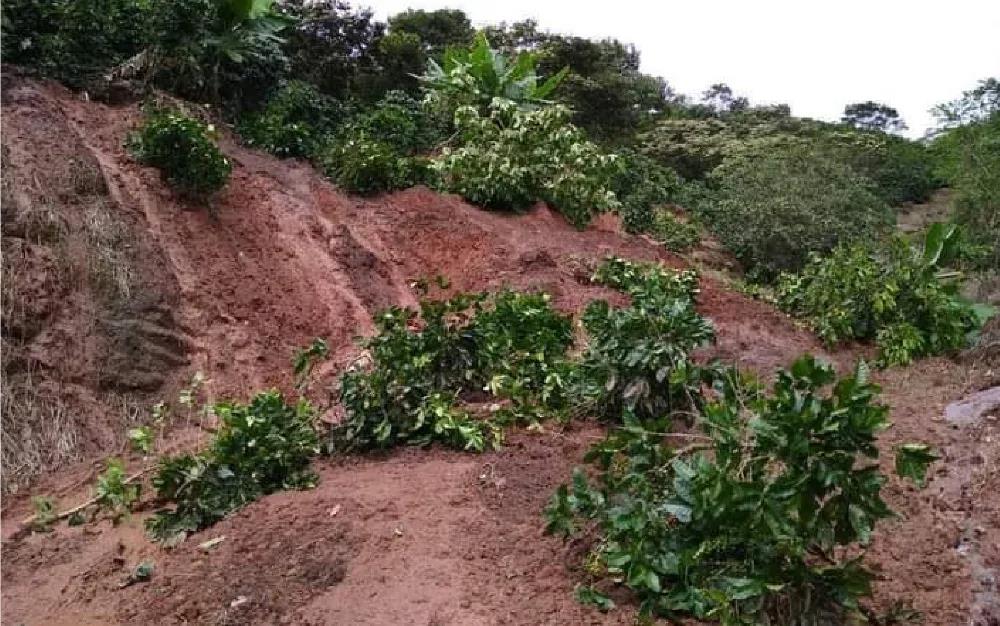
Guatemala was also struck by Hurricane Eta, with the main coffee-producing region of Huehuetenango suffering severe damage. The hurricane left approximately 13,000 smallholder farmers without major economic crops such as coffee and bananas. One local farmer said: "Because of the mudslides on my farm, I will lose at least 5% of my harvest. Many of my coffee plants and banana trees were completely destroyed." Guatemala's National Coffee Association stated: "Guatemala's coffee production and export volume in 2021 do not look optimistic."
El Salvador: Mature beans fall, coffee crops damaged
El Salvador's fair-trade-certified coffee cooperatives reported that excessive rainfall caused mature beans to drop and coffee crops to suffer damage. According to data from El Salvador's Coffee Association (ACAFESAL), the continuous rainfall brought by the hurricane puts 2019-2020 coffee production at risk of losses of 15% to 20%, and sugarcane crops were also affected.
Panama: Leaf rust spreads across Central America; Panama may see a reduction of over 15% in 2021
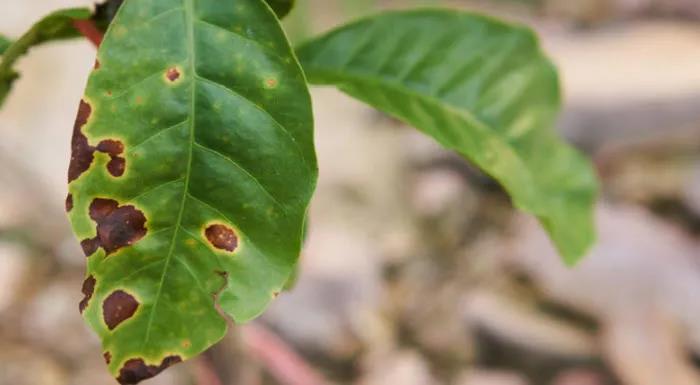
Although the hurricane caused no significant direct damage to most of Panama's coffee regions beyond collapsed houses, the excessive rainfall has accelerated the spread of coffee leaf rust across Central America. Combined with the susceptibility of Panama's coffee varieties to leaf rust - and with the disease already beginning to spread - Panama's coffee production is expected to fall by 15%-20% next year.
Jamaica: Heavy rainfall may cut Jamaican Blue Mountain production to varying degrees
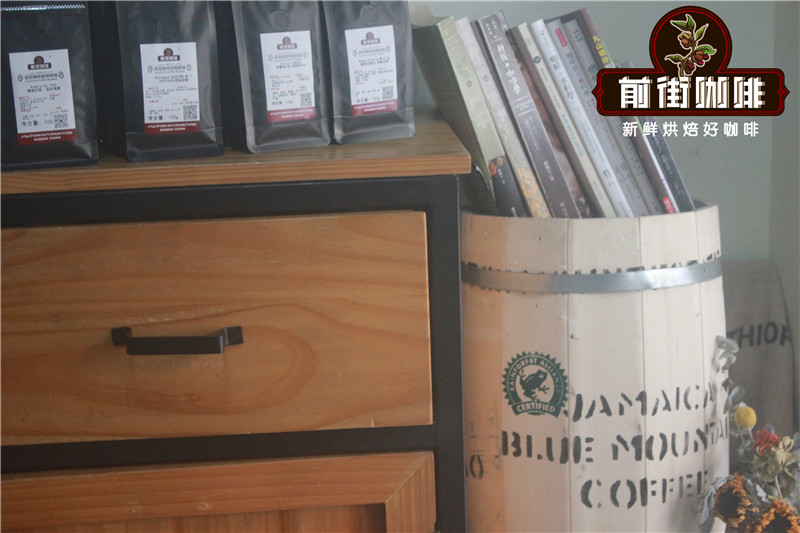
Although the hurricane never directly struck Jamaica's Blue Mountains, its excessive rainfall caused nutrient imbalance in the coffee plants, prompting red cherries to fall before completing maturation. Landslides also severely damaged roads in the Blue Mountains. Together, these impacts mean Blue Mountain coffee faces varying degrees of production reduction during the coming harvest.
FrontStreet Coffee Recommendation
When a hurricane threatens Central American harvests, the finest lots from the region only become more precious - and Panama sits at the heart of that story. Its growing regions are concentrated in the country's west: Boquete, Volcan, Santa Clara, and Piedra de Candela, with Boquete and Volcan the best-known specialty areas. Both lie in the Chiriquí highlands, squarely in the heart of the coffee belt, blessed with fertile volcanic soil and old-growth forest; mists frequently shroud the mountains, keeping days humid and nights cool - ideal conditions for growing Geisha, Panama's crown jewel.
If it is your first taste of Panamanian specialty coffee, FrontStreet Coffee recommends the Boquete Washed Geisha - an estate-level, entry-priced Geisha grown at 1600 meters on rich volcanic-ash soil. In the cup you will find the variety's signature jasmine florals alongside green tea, honey, citrus, and orange. For half of that Geisha lineage at a friendlier price, FrontStreet's Panama Washed Flower Butterfly combines Geisha, Caturra, and Catuai, planted in the Barú Volcano area of Boquete; the region's abundant rain, large day-night temperature swings, and volcanic soils give it excellent body, citrus acidity, and jasmine aroma - lovely both as a pour-over and as a cold brew.
For the top tier, FrontStreet carries Hacienda Esmeralda's Red Label Geisha: the estate that discovered and championed Geisha cups each plot by altitude before assigning its tiers, and the Red Label is harvested from a single Geisha plot above 1700 meters, requiring a cupping score of 91+ and showing that exquisite orange-blossom honeyed sweetness. FrontStreet also offers Esmeralda's Diamond Mountain, drawn from the Jaramillo and Canas Verdes farms among the estate's four, mostly Caturra and Catuai, with rich fruit aromas and sweetness - a reminder that Panama's treasures extend well beyond Geisha.
Important Notice :
FrontStreet Coffee is a long-established specialty coffee roaster in Guangzhou China, selling freshly roasted beans from its own farm in Yunnan as well as dozens of carefully selected single-origin beans from around the world for both pour-over and espresso. The products deliver consistently excellent quality and great value, with shipping within 24 hours. Guangzhou's FrontStreet Coffee shop is recommended by many coffee lovers, and the beans are now available online at the Tmall 。
FrontStreet Coffee has moved to a new address:
FrontStreet Coffee Address: 315,Donghua East Road,GuangZhou
Tel:020 38364473
 Scan and follow the En Gafei WeChat official account. Please indicate that the reprint comes from "En Gafei".