Rum Barrel Fermented Coffee from San José Estate: The Origin of Barrel Fermentation Processing
At FrontStreet Coffee you can find three coffees with wine-like aromas. The best known among them are undoubtedly the whiskey barrel-fermented FrontStreet Coffee sherry coffee and the brandy barrel-fermented FrontStreet Coffee lychee orchid coffee. It is commonly assumed that barrel-fermented coffee originated at the Moca Estate in Honduras, but in fact the first to create barrel-fermented coffee was Colombia's FrontStreet Coffee San Jose Estate.
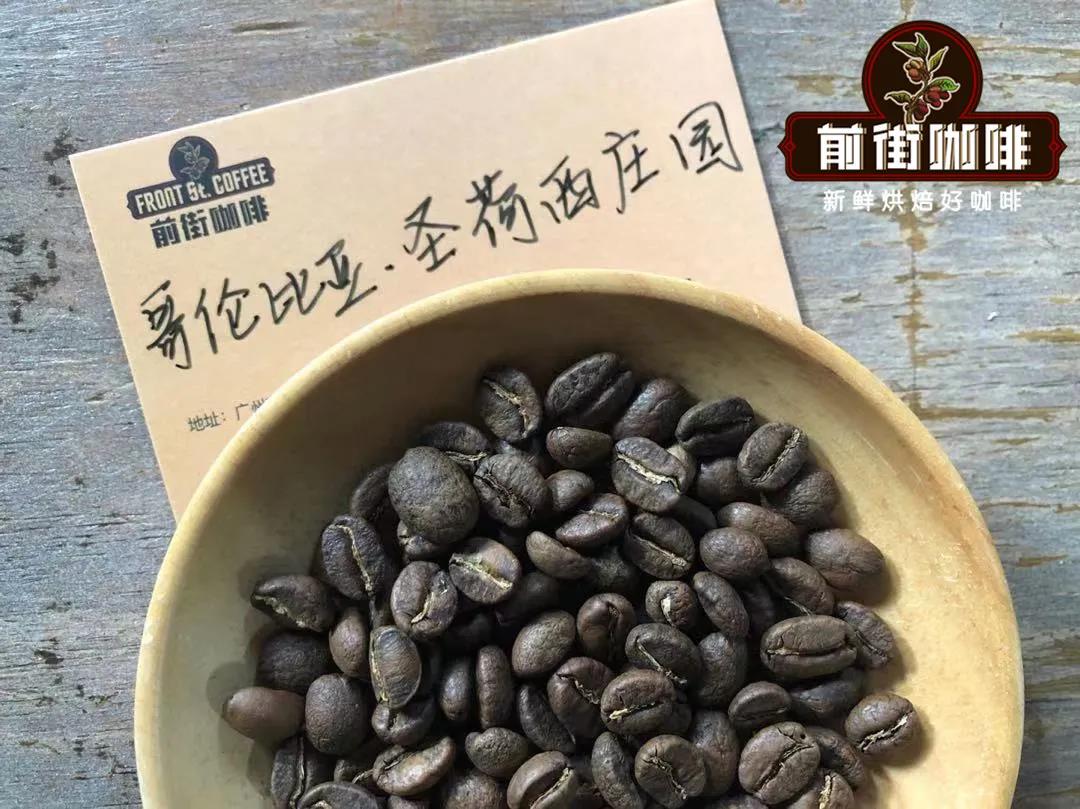
FrontStreet Coffee Colombian Rum Barrel Fermented Coffee Beans
Region: Caldas, Colombia
Estate: San Jose Estate
Altitude: 1750m
Variety: Castillo
Processing: Rum Barrel Fermentation
Caldas Coffee Region
Caldas is considered the best region for coffee cultivation in Colombia, with elevations ranging from 1,300 to 1,800 meters. The harvest period here runs from September to December in the main season and from April to May in the secondary season. The region is also home to Colombia's National Coffee Research Center (Cenicafe), recognized worldwide as a top-tier coffee research institution where several unique Colombian varieties have been developed.
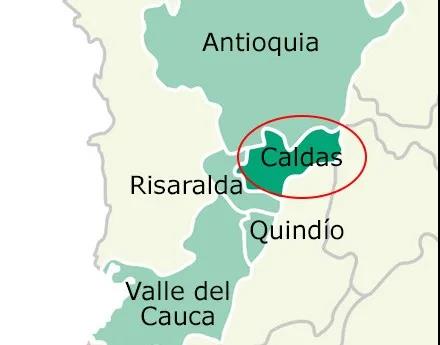
Caldas, Quindio and Risaralda together form Colombia's "Coffee Golden Triangle," producing the vast majority of the country's coffee. Coffee from Caldas is characterized by distinct vanilla aromas, soft acidity and full body.
San Jose Estate
The century-old San Jose Estate sits near the Nevada del Ruiz volcano in an area rich in volcanic ash. With abundant sunshine, the average annual temperature ranges between 21°C and 25°C. The estate spans 18 hectares, of which 16.5 hectares are planted with coffee.
Coffee Beans + Aged Barrels: Creating New Flavors
The owner of San Jose Estate, Monsalve Botero, has a husband who specializes in making rum oak barrels and brewing rum. One day, while filling containers with distilled liquid for fermentation, she had a sudden idea: what if she placed green coffee beans inside oak barrels to ferment, would that create even more distinctive flavors?
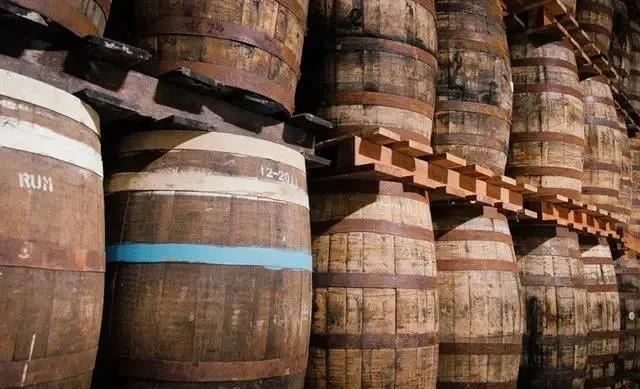
Monsalve Botero pictured putting the coffee cherries she grew inside oak barrels, wondering whether, like brewing rum, the beans would absorb flavor from the rum barrels and produce a richer coffee experience. With these questions in mind, she began experimenting, placing green coffee beans into rum barrels of different ages for winemaking-style low-temperature fermentation, varying the fermentation time, all in pursuit of the optimal result.
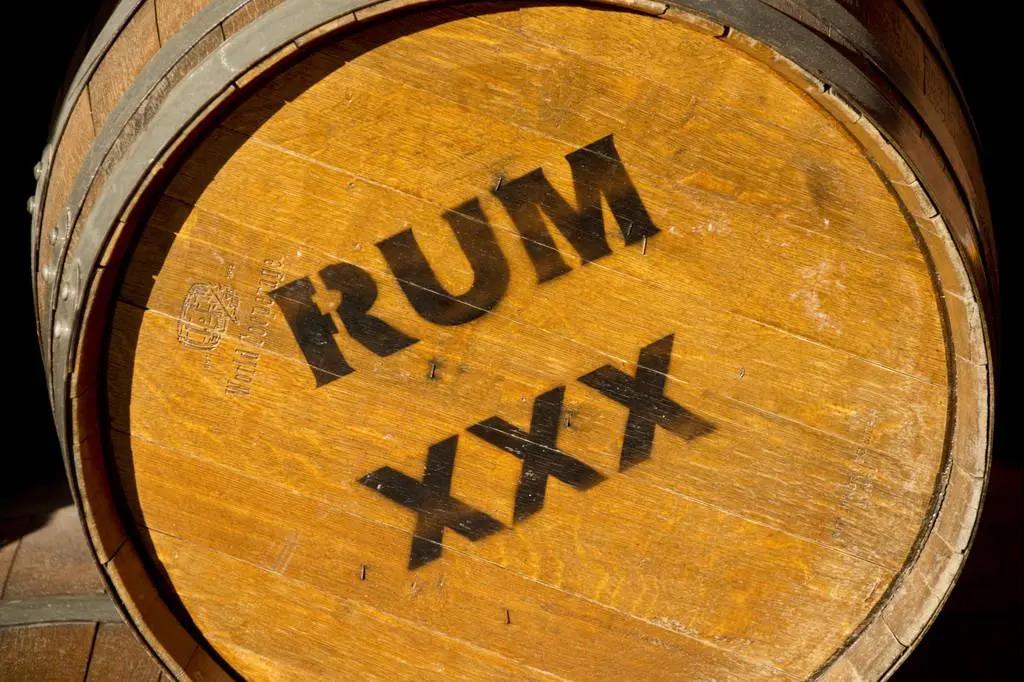
After years of experimentation and trials, in 2017 she finally found a fermentation method that produced exceptional taste and aroma, creating a rum barrel fermentation technique distinct from traditional washed processing. In 2019 the estate owner continued to improve the workflow, switching from the long-used African raised bed drying method to greenhouse drying, which made the overall flavor cleaner and more distinctive.
Precise Washed Processing + Rum Barrel Fermentation
The owner of San Jose Estate selects Castillo variety beans, hand-picks fully ripe cherries, and after washing allows them to ferment for 20 hours. They are then placed in rum oak barrels aged over 8 years, where the beans rest for three months, rotated daily to ensure the rum aroma is absorbed evenly.
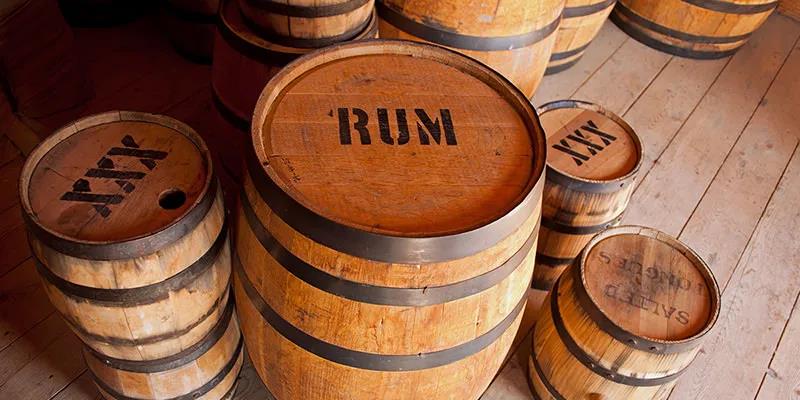
During barrel fermentation, samples are taken from the beans in the barrels every 30 days to confirm the fermentation is proceeding properly and the rum aroma is being absorbed completely, reducing the risk of too little or too much absorption. The result is green coffee with more distinctive flavors and complete characteristics. Once fermentation is done, the rum-flavored beans are moved to greenhouse drying, where the consistent temperature prevents the secondary fermentation that African raised bed sun drying can cause at high temperatures.

When FrontStreet Coffee cupped the FrontStreet Coffee San Jose beans, we found this coffee differs from the two barrel-fermented coffees from Honduras. The flavor sequence of the Honduran barrel-fermented coffees begins with wine aroma, moves through soft fruity acidity and finishes with a creamy texture and nutty cocoa notes. FrontStreet Coffee's San Jose rum barrel fermented beans, by contrast, start with nutty cocoa and a creamy texture, followed immediately by rum aroma, with tropical fruit acidity and maple sweetness emerging afterward.
Castillo Variety
Castillo is a coffee variety developed in 2005 by Colombia's coffee research institution to improve plant disease resistance, and it is currently the main cultivated variety in Colombia. Castillo inherits the dwarf plant and high yield of Caturra along with the leaf rust resistance genes from Timor. It is known for its smoothness, aroma and citrus acidity.
Genetic Lineage of Castillo Variety
Castillo is the result of five generations of hybrid selection between Timor and Caturra. Timor is a natural hybrid of Arabica and Robusta, characterized by tall plants and leaf rust resistance. Caturra is a natural mutation of Bourbon, with dwarf plants and higher yields than Typica and Bourbon while retaining Bourbon's excellent flavor. The plants can be spaced more closely, allowing denser planting per unit area, though Caturra is susceptible to leaf rust.
FrontStreet Coffee Roasting Records
Heat the drum to 190°C, add beans at a heat setting of 140 with the damper open to 3. The return temperature comes at 1'42", when the drum temperature reaches 140°C; open the damper to 4 while maintaining heat. When the drum temperature reaches 151.8°C, the bean surface turns yellow and the grassy aroma disappears completely, signaling the start of the dehydration phase. When the drum temperature reaches 150°C, adjust the heat to 120 while keeping the damper unchanged.
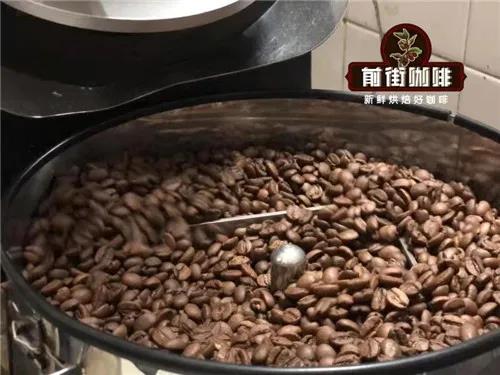
At 8'38", ugly wrinkles and black spots appear on the bean surface, and the toast aroma clearly shifts to coffee aroma, which can be defined as the prelude to first crack. Listen carefully for the sound of first crack, which begins at 9'07". Open the damper to 4, develop for 2'10" after first crack, then drop at 195°C.
FrontStreet Coffee Cupping Report
Dry Aroma: Rum aroma
Wet Aroma: Dark chocolate
Flavor: Liqueur chocolate, rum, tropical fruits, maple syrup
FrontStreet Coffee Brewing Tips
Dripper: Hario V60
Coffee-to-Water Ratio: 1:15
Water Temperature: 91°C
Grind Size: EK43s setting 10 (80% passing through a #20 sieve)

FrontStreet Coffee's segmented extraction method: first, use 30 g of water to fully saturate the grounds, forming a "burger" shape and blooming for 30 seconds. For the second pour, at the 1-minute mark add water to reach 125 g, then pause and wait for the water level to drop to 2/3 of the coffee bed before starting the third pour. For the third pour, at 1'40" add water to reach 225 g. Wait until all the coffee liquid has finished dripping, with a total extraction time of 1'59". After extraction, gently swirl the server to mix the coffee well before tasting.
[FrontStreet Coffee San Jose] Brewing Flavor: Rich fermented wine aroma on the nose, with flavors of rum, nuts, tropical fruits, cream and an oolong tea sensation. Noticeable sweetness with overall balance.
FrontStreet Coffee Recommendation
Colombia's Caldas region, with its vanilla aromas, soft acidity and full body, is a good home for the expressive coffees on FrontStreet Coffee's Colombian menu. FrontStreet Coffee Colombia Huila comes from the Huila province in the southern Central Cordillera, where the coffee grows above 1,500 meters amid surrounding hills and converging rivers. Roasted medium-dark, it leans into dark chocolate and nutty sweetness with a moderate crema and a full body, and it suits pour-over, French press, moka pot and espresso alike.
If you enjoy the fermented, fruit-driven side of this rum barrel coffee, FrontStreet Coffee Finca La Divisoria Sidra is a natural match. It is processed as an anaerobic natural, with the whole cherries sealed in a pressurized stainless steel tank and fermented under low-oxygen conditions with controlled temperature, time and pH before drying. The result is intense tropical fruit, with passion fruit, grape, apricot and candied fruit layered through a medium-light roast.
For a daily espresso base, FrontStreet Coffee Classic Blend combines the creamy nuttiness of Brazil with the dark chocolate bittersweetness of Colombia, extracting with a fine golden crema that pairs smoothly with milk for a latte and works just as well as an Americano or cappuccino.
Important Notice :
FrontStreet Coffee is a long-established specialty coffee roaster in Guangzhou China, selling freshly roasted beans from its own farm in Yunnan as well as dozens of carefully selected single-origin beans from around the world for both pour-over and espresso. The products deliver consistently excellent quality and great value, with shipping within 24 hours. Guangzhou's FrontStreet Coffee shop is recommended by many coffee lovers, and the beans are now available online at the Tmall 。
FrontStreet Coffee has moved to a new address:
FrontStreet Coffee Address: 315,Donghua East Road,GuangZhou
Tel:020 38364473
 Scan and follow the En Gafei WeChat official account. Please indicate that the reprint comes from "En Gafei".