Colombian Specialty Coffee Huila Region - Brewing Characteristics of Huila Region Coffee Beans
FrontStreet Coffee's Daily Coffee Selection
When choosing a new daily coffee to offer, FrontStreet Coffee looks for beans that best represent the original flavours of the major producing regions, and introduces them in 100g small packages. The aim is simple: we want every coffee enthusiast to taste the basic character of a growing region at the most affordable, best-value price.
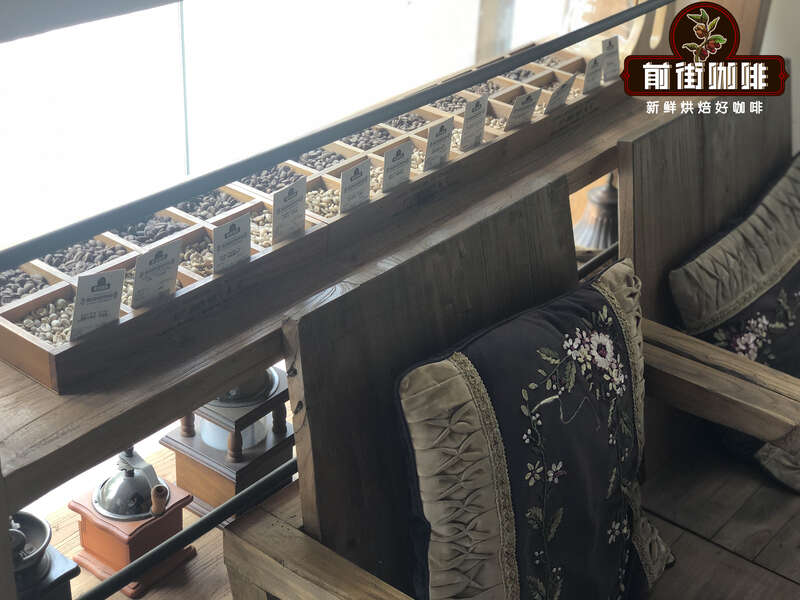
Many beginners have no idea which flavours they prefer, and they worry about spending money on beans they will not enjoy. That is exactly when FrontStreet Coffee's daily coffee beans make the most sense. You can start with the most classic flavours from the major regions without burning "unnecessary money" on experiments — two goals in one.
Most of FrontStreet Coffee's daily coffee beans also use the washed processing method. Washed processing reflects the clean taste of coffee and presents flavour in its purest form, so when analysing the specific flavours of a region, FrontStreet Coffee uses washed beans from that region as the reference point.
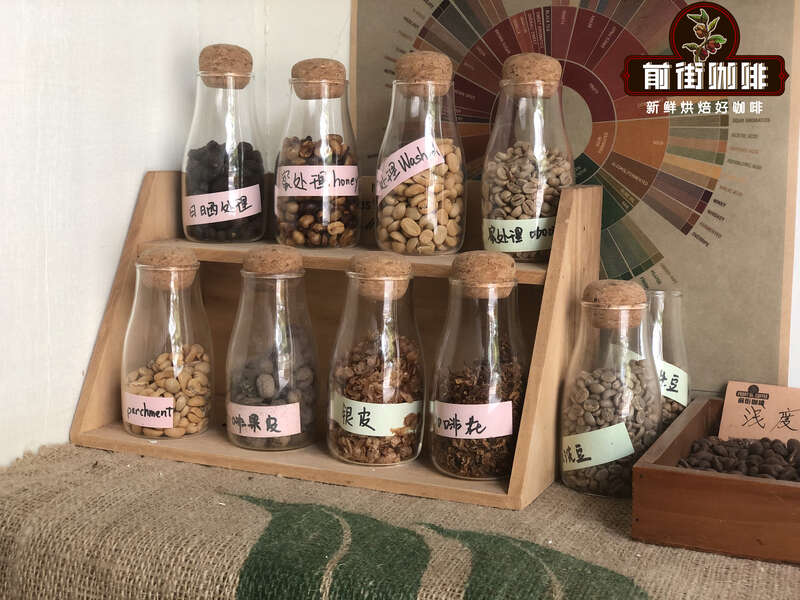
FrontStreet Coffee currently offers daily coffee beans from 7 producing regions: Ethiopia Yirgacheffe, Costa Rica Tarrazú, Colombia Huila, Indonesia Lintong Mandheling, China Yunnan Baoshan, Guatemala Huehuetenango and Brazil South Minas. This article focuses on the daily coffee beans from Huila in Colombia, and on what makes that region taste the way it does.
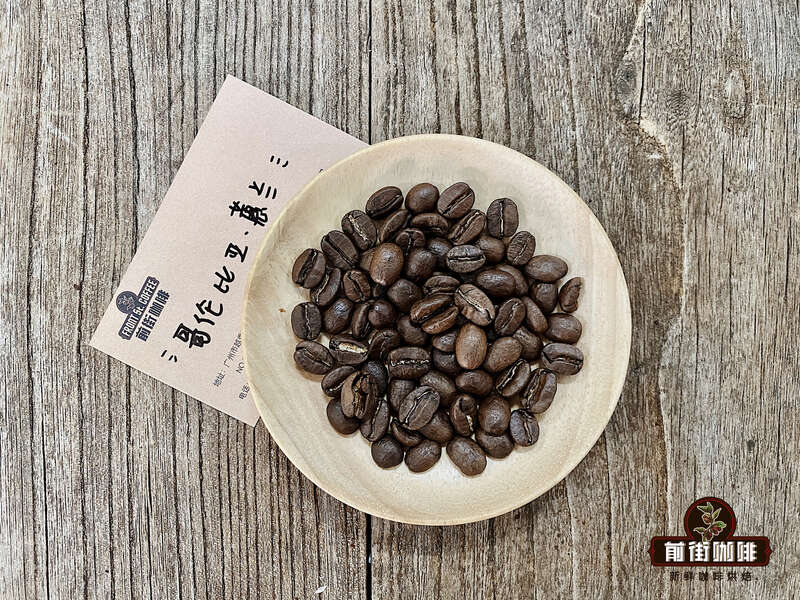
Colombia Huila Coffee Information
Country: Colombia
Region: Huila
Altitude: 1500-1800 meters
Variety: Caturra
Processing Method: Washed
Flavor: Nutty, dark chocolate, caramel, soft fruit acidity
Colombia Huila Region
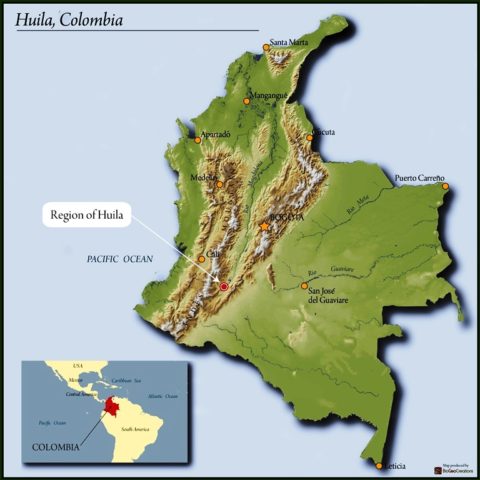
Huila Province lies in the southern part of Colombia's Central Mountain Range and is the country's most renowned specialty coffee producing region. The terrain is a series of hills ringed by mountains, with cultivation above 1500 meters. Colombia's most important rivers converge here, bringing abundant water and moisture.
The Huila region is mountainous, and coffee is grown on the slopes of canyons, which provides both high altitude and suitable temperatures for cultivating high-quality Arabica. The canyon slopes keep cold winds out while letting cool mountain breezes through without high heat, and rainfall is more than sufficient — an exceptionally gifted coffee area. Colombian workers harvest the cherry by hand on the mountainsides, and the vast majority of the crop is processed by the washed method.
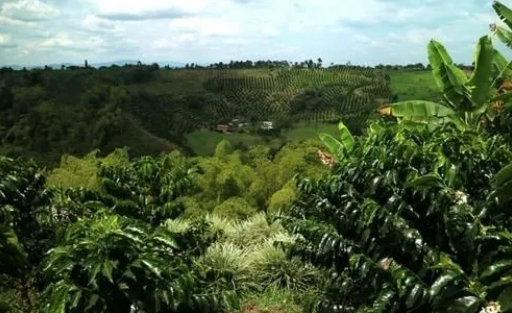
Huila combines excellent soil with real geographical advantage. Some of the most complex, fruit-forward Colombian coffees come from here. The region belongs to the national company's special selection of high mountain beans, often described as Colombia's national treasure. Thanks to those conditions, Colombian coffee has long held a high standard. Huila beans have a full-bodied taste and a relatively heavy texture, with nutty, chocolate and caramel aromas and a smooth, pleasant fruit acidity.
Coffee Varieties
Caturra is a natural mutation of the Arabica variety Bourbon, discovered in Brazil in 1937. The plant is shorter and more compact than Bourbon. Because it inherits Bourbon's lineage, its disease resistance is relatively weak, though its yield is higher. Despite being discovered in Brazil, Caturra is not well suited to growing there and was never planted on a large scale; instead it became widely popular across Central and South America, and Colombia, Costa Rica and Nicaragua grow it extensively.
Washed Processing Method
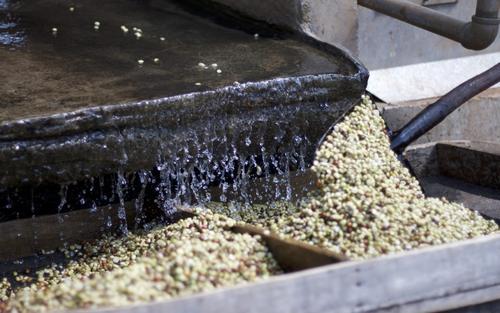
Growers first pour the harvested cherry into large water tanks. Underdeveloped, low-quality beans float to the surface while ripe, full beans sink. The floaters are scooped off. A pulper then removes the outer skin and pulp, leaving the beans coated in a slippery layer of mucilage. The beans go into fermentation tanks for 16-36 hours while microorganisms break the mucilage down. Once fermentation is complete, large amounts of clean water wash away the remaining mucilage, and the clean beans are dried in the sun. Washed processing delivers both soft and bright acidity, a moderate body, and sweet, spicy aromas.
How FrontStreet Coffee Brews Colombia Huila Coffee
FrontStreet Coffee brews Colombian coffee in a V60 dripper. The 60° conical filter has larger holes, and its spiral rib design lets air escape more easily, which improves extraction quality.
Water Temperature: 90-91°C
Grind Size: BG#6m (fine sugar size / 80% through #20 sieve)
Coffee-to-Water Ratio: 1:15
Coffee Amount: 15 grams
FrontStreet Coffee's Brewing Technique:
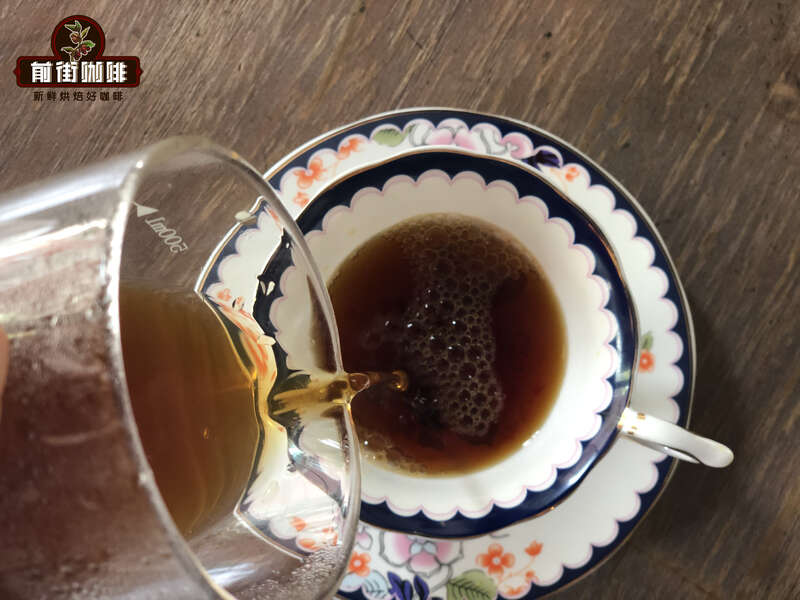
First pour 30g of water for a 30-second bloom, then add 95g more (the scale reads around 125g), completing the pour in about 1 minute. When the water level drops to two-thirds of the coffee bed, pour the remaining 100g (the scale reads around 225g), finishing in about 1 minute 40 seconds. The drip finishes at 2'00"; remove the dripper to complete extraction.
Brewing Flavor: nutty and dark chocolate up front, soft fruit acidity through the middle, and caramel sweetness in the finish.
FrontStreet Coffee Recommendation
FrontStreet Colombia Huila is the reference bean for the region. Huila Province, in the southern Central Mountain Range, is Colombia's best-known specialty coffee area: hills surrounded by mountains, planted above 1500 meters, with the country's most important rivers converging there and bringing rich water and humidity. This lot is washed and medium-dark roasted, so it emphasises dark chocolate, the sweetness of nuts, a moderate amount of oil and a full body. It suits pour-over and French press, and also works for moka pot and espresso machine, whether you are making an americano or a latte.
FrontStreet Colombia Sidra from El Paraiso Estate shows the innovative side of Colombian processing. Colombian coffee was traditionally washed, but recent years have brought a wave of new methods; anaerobic fermentation is the best known, sometimes called carbonic maceration, and simply means fermenting with little or no oxygen in a pressure-resistant stainless steel tank where temperature, time and pH can be controlled. The two best-known versions are anaerobic natural and anaerobic washed. FrontStreet's Sidra is processed as an anaerobic natural, which transforms the bean into deeper tropical fruit aromas. Medium-light roasted, it delivers complex passion fruit, grape, apricot and dried fruit notes in pour-over, cold brew, drip bags or moka pot.
FrontStreet Premium Espresso Blend is the practical choice if you have a home espresso machine or a moka pot. Built for café use, it marries the creamy nut aroma of Brazilian coffee with the dark chocolate bittersweetness of Colombian coffee, pulling a fine golden crema. It pairs beautifully with milk for a rich, smooth latte, is friendly to beginners, and works as the base for americanos, cappuccinos and mochas.
Important Notice :
FrontStreet Coffee is a long-established specialty coffee roaster in Guangzhou China, selling freshly roasted beans from its own farm in Yunnan as well as dozens of carefully selected single-origin beans from around the world for both pour-over and espresso. The products deliver consistently excellent quality and great value, with shipping within 24 hours. Guangzhou's FrontStreet Coffee shop is recommended by many coffee lovers, and the beans are now available online at the Tmall 。
FrontStreet Coffee has moved to a new address:
FrontStreet Coffee Address: 315,Donghua East Road,GuangZhou
Tel:020 38364473
 Scan and follow the En Gafei WeChat official account. Please indicate that the reprint comes from "En Gafei".