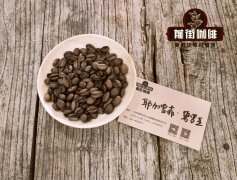
Yirgacheffe Red Cherry Pour-Over: How to Brew Natural & Red Honey Process Red Cherry Project Coffee Beans
FrontStreet Coffee's Ethiopia Yirgacheffe Red Cherry Series
At FrontStreet Coffee, the FrontStreet Coffee Yirgacheffe from Ethiopia has always been a favorite on our extensive menu. On the Ethiopia coffee region menu, the FrontStreet Coffee Red Honey Red Cherry and FrontStreet Coffee Natural Red Cherry stand out in first and second place. Today, FrontStreet Coffee explains what Red Cherry is and how the two processing methods change the flavor.
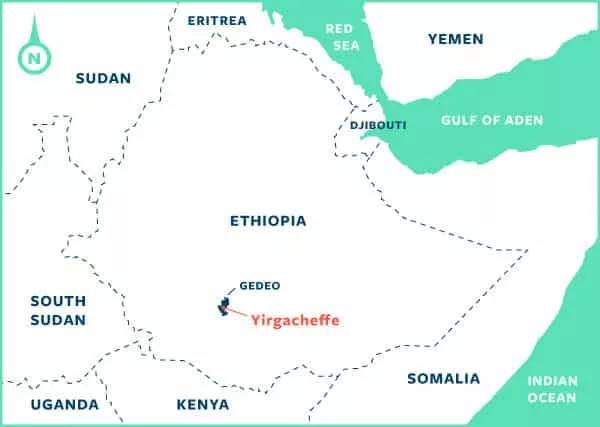
Yirgacheffe
Yirga sits in the Sidamo province of Ethiopia, on a plateau at an altitude of 2,000 meters, making it one of Ethiopia's highest coffee-growing regions. The coffee produced here is called Yirgacheffe. "Yirga" means to settle down, and "cheffe" means wetland, so the original meaning is "let us settle and thrive in this wetland." The town lies on the eastern side of the East African Rift Valley.
The Red Cherry Project
The "Red Cherry Project" (ORC) aims to improve the quality of small farms. In 2007, Trabocca, the largest green coffee importer in the Netherlands, proposed it in pursuit of high-quality Ethiopian beans.
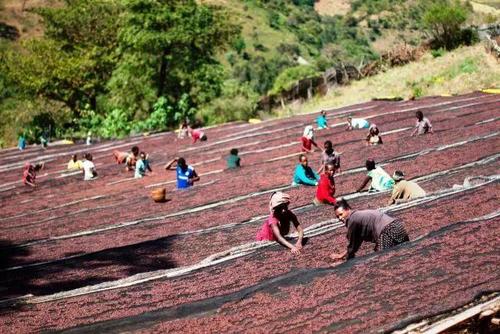
The project requires that when coffee is harvested, only fully ripe red fruit is picked, and entirely by hand. That, however, is just the most basic requirement; the project is far more complex. Its main purpose is to encourage farmers and surprise roasters. Trabocca invites all Ethiopian farms to produce small lots of about 1,500-3,000 kg (25-50 bags) before the harvest season. Women select only 100% fully ripe red cherries, which makes a significant difference to the flavor of the brewed coffee. Diligent, sharp-eyed, hardworking Ethiopian women are the crucial drivers of the project.
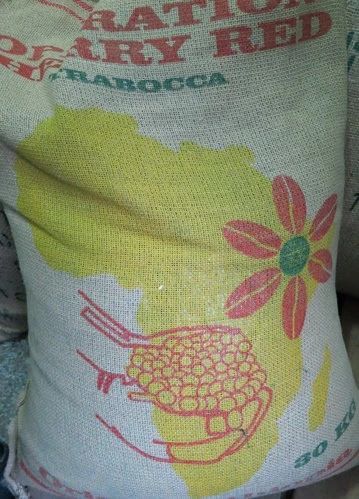
The Red Cherry Project also encourages farms to invest more effort in screening and selecting beans, and these coffees are relatively more expensive. It covers washed, natural, semi-washed, semi-natural, and experimental coffees. The main producing regions include Yirgacheffe, Sidamo, Bonga Forest, Lekempti, Kembata, Illubabor, Harar, and Limu, and in 2011 the Golocha production area near Harar was added. All of these areas produce coffees with unique flavors that fully showcase Ethiopian coffee. After receiving the coffee, Trabocca carries out further selection. Farms that pass cupping quality tests run by offices in both Ethiopia and the Netherlands receive substantial bonuses. Trabocca has invested all the profits it earned in recent years back into the cooperative farms.
What Are Natural Processing and Red Honey Processing?
FrontStreet Coffee Natural Yirgacheffe has strict harvesting standards. The harvested fruit is manually screened to remove unripe green or defective cherries before sun-drying. During the natural process, damaged or moldy fruit is removed again. After two weeks, once the fruit's sugar and essence have fully penetrated the beans and moisture has dropped to 12%, the hardened fruit pulp, mucilage layer, and parchment are scraped off with a hulling machine. The extracted beans then undergo density and color testing to eliminate defects, and workers remove by hand any defective beans that were missed, ensuring multiple layers of screening. The resulting beans are all premium quality, guaranteeing a clean, refined character with a rich, captivating fruit aroma.
Honey processing means drying green beans with the mucilage still attached. After the outer pulp is removed, a layer of sticky, gelatinous substance remains. Traditional washed processing would rinse it away with clean water, but in some high-altitude regions water is scarce, so this direct-drying approach developed instead. The mucilage holds the highest sugar content of the coffee fruit and is an important component of fermentation, supplying as much as 80% of the nutrients during processing. Yellow honey retains 60% of the mucilage, red honey retains 75%, and black honey retains almost all of it.
Representative Beans: FrontStreet Coffee Ethiopia Yirgacheffe Natural Red Cherry and Red Honey Red Cherry
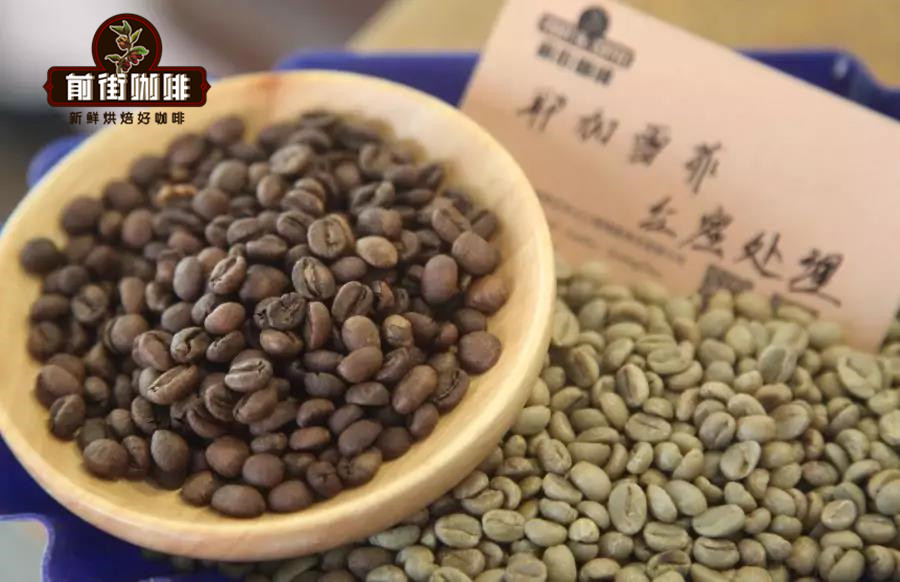
Product Name: FrontStreet Coffee Red Honey Red Cherry
Region: Yirgacheffe Idido
Altitude: 2000-2200 m
Processing Method: Red Honey Processing
Variety: Local Heirloom Varieties
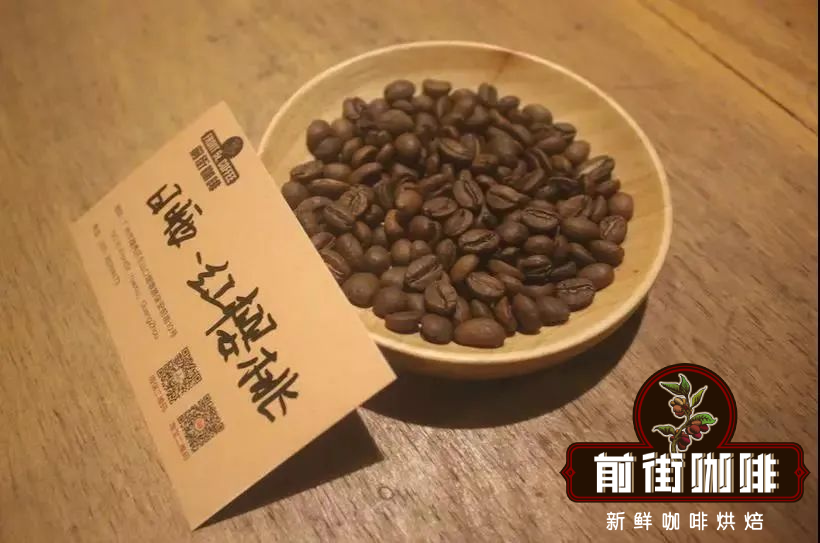
Product Name: FrontStreet Coffee Natural Red Cherry
Region: Yirgacheffe Aletaland Estate
Altitude: 1700-2200 m
Processing Method: Natural Processing
Variety: Ethiopia Heirloom Varieties
Roasting Suggestions and Brewing Temperature
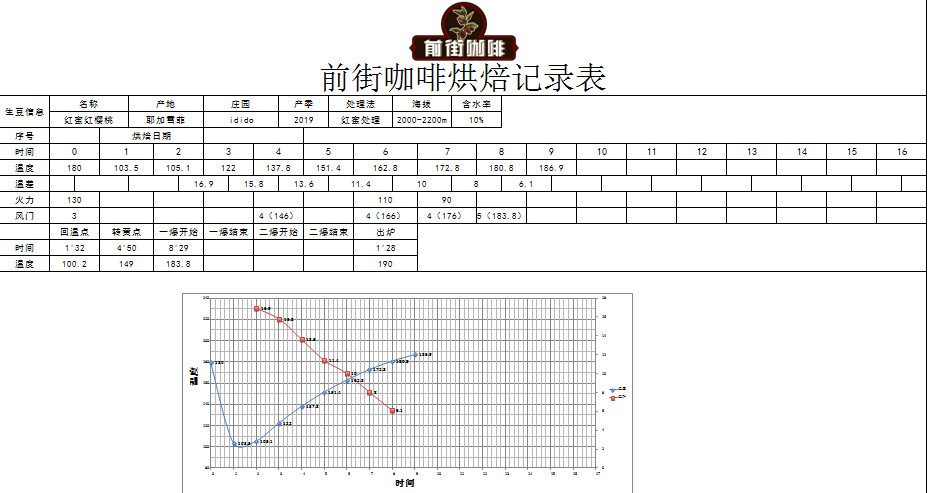
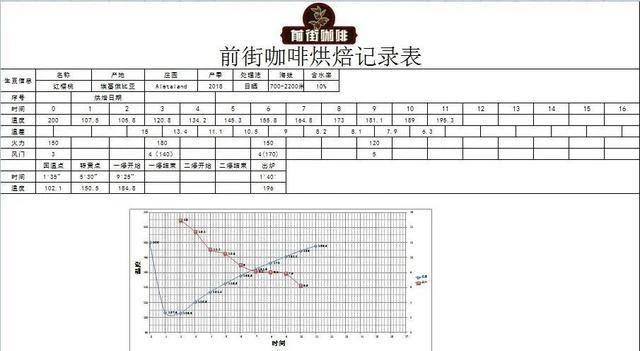
When FrontStreet Coffee roasts these two FrontStreet Coffee Red Cherry coffees, its roasters use a medium-light roast to preserve more of the citrus and berry acidity of the FrontStreet Coffee Yirgacheffe region, and to express the fermentation notes of natural processing and the sweetness of red honey processing. For medium-light beans, FrontStreet Coffee recommends 90-91°C. Higher water temperature extracts aromatic compounds and acidity (fruit and floral aroma, fruit acidity) from light roast beans. Because medium-light beans are denser, raising the water temperature improves extraction efficiency and avoids unpleasant flavors such as sharp acidity.
How FrontStreet Coffee Brews the Two Red Cherry Coffees
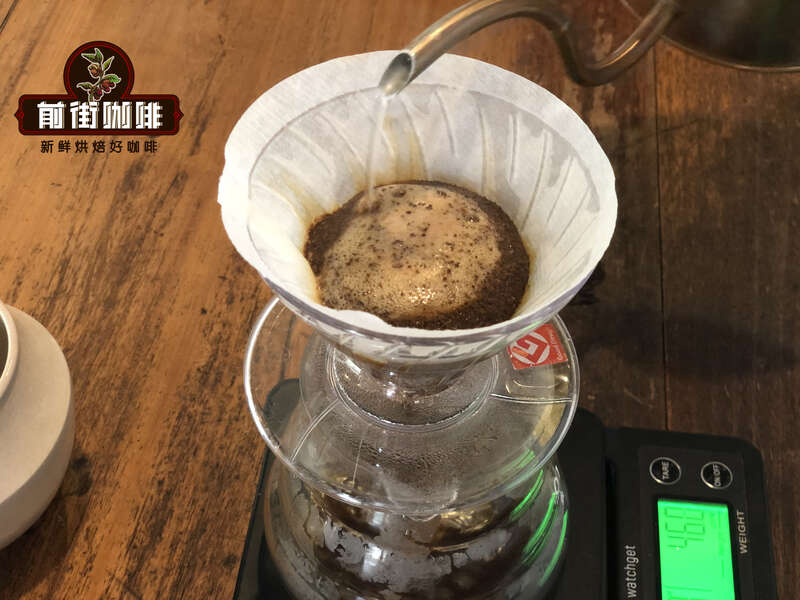
When brewing Yirgacheffe region beans, FrontStreet Coffee uses the Hario V60 dripper. Its wide opening and unique spiral rib design let air escape more easily, improving extraction quality. The body may not be as full, but its high concentration of sweet-and-sour flavor with distinct aroma is its major characteristic.
FrontStreet Coffee brewing parameters:
Water Temperature: 90-91°C
Coffee Dose: 15 g
Grind Size: Fine-sugar grind size
FrontStreet Coffee brewing method: first pour 30 g of water for a 30-second bloom, then pour 95 g (the scale reads about 125 g), finishing in about 1 minute. When the water level drops to two-thirds of the coffee bed, pour the remaining 100 g (the scale reads about 225 g), finishing in about 1 minute 40 seconds. The drip finishes at 1 minute 55 seconds. Remove the dripper to complete extraction.
FrontStreet Coffee Natural Red Cherry brewing flavor: lemon, licorice, citrus, berries, sweet orange, with high overall sweetness. The finish has caramel and cream, with a black tea aroma at the very end.
FrontStreet Coffee Red Honey Red Cherry brewing flavor: an aroma of ginger flower, with citrus, lemon, and fruit candy in the mouth. The middle section has cedar and honey sweetness, and the finish brings an oolong tea sensation with a long-lasting creamy aftertaste.
FrontStreet Coffee Recommendation
The Natural Red Cherry here is the classic expression of Yirgacheffe dried in the fruit. If you want that profile in a bag, FrontStreet Natural Red Cherry is made with fully ripe, defect-free cherries, screened again at the station, and dried on raised beds for three to five weeks, turned every 2-3 hours for the first few days. It keeps the region's signature character while adding tropical fruit, with citrus acidity, juicy berry, honey sweetness, and a creamy body.
For the clean, washed side of the same region, FrontStreet Gedeb Cooperative shows jasmine and bright citrus acidity, with green tea and honey from a medium-light roast. It is precise and elegant, and works as pour-over, cold brew, or espresso.
Important Notice :
FrontStreet Coffee is a long-established specialty coffee roaster in Guangzhou China, selling freshly roasted beans from its own farm in Yunnan as well as dozens of carefully selected single-origin beans from around the world for both pour-over and espresso. The products deliver consistently excellent quality and great value, with shipping within 24 hours. Guangzhou's FrontStreet Coffee shop is recommended by many coffee lovers, and the beans are now available online at the Tmall 。
FrontStreet Coffee has moved to a new address:
FrontStreet Coffee Address: 315,Donghua East Road,GuangZhou
Tel:020 38364473
 Scan and follow the En Gafei WeChat official account. Please indicate that the reprint comes from "En Gafei".