El Salvador Coffee Brewing: How to Brew Black Honey Processed El Salvador Finca Lemus Bella Vista Coffee Beans
FrontStreet Coffee recently brought in a fresh lot from Finca Lemus Bella Vista in El Salvador. This time, the team brewed the same coffee three different ways to see how the brewing method shapes the cup.
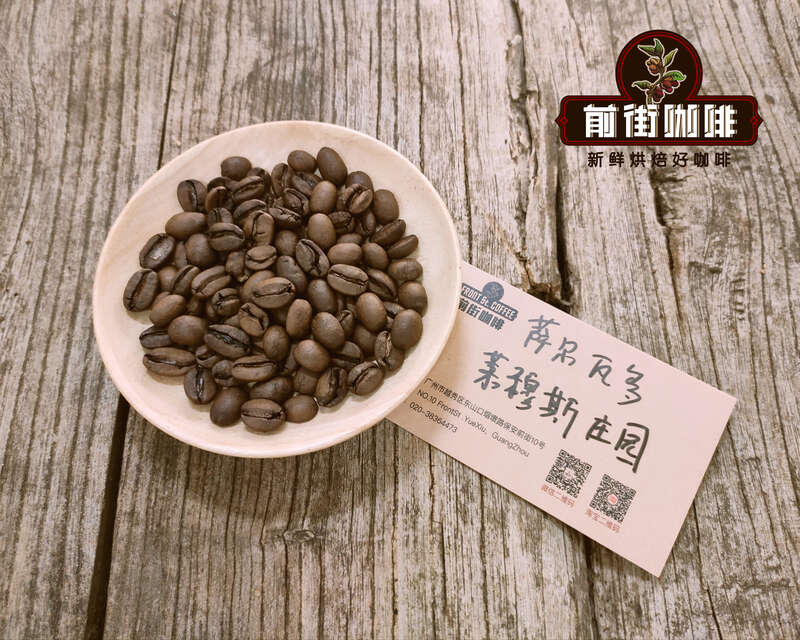
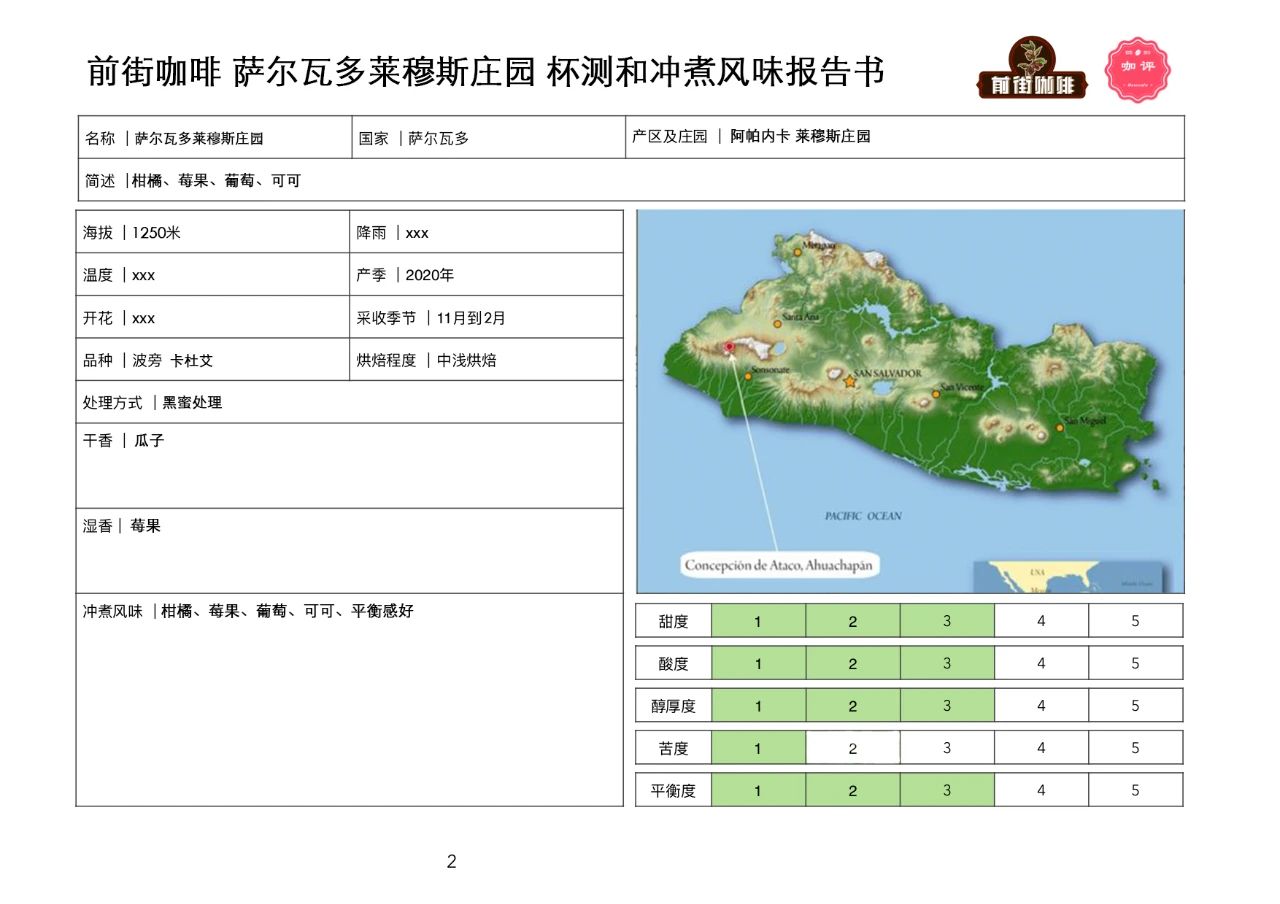
Country of Origin: El Salvador
Region: Apaneca-Ilamatepec Mountain Range
Estate: Finca Lemus Bella Vista
Altitude: 1,250 meters
Varieties: Bourbon, Catuai
Processing Method: Black Honey
Grade: SHB
Harvest Season: 2020
Coffee Growing Region
El Salvador is one of the smaller and more densely populated countries in Central America, and its coffees are prized above all for balance. In the Cuscacbapa region, milled beans are packed and prepared for export. Salvadoran coffee shows the classic Central American profile: light body, clean aroma, and gentle acidity. As in Guatemala and Costa Rica, beans are graded by altitude, and the higher the farm, the finer the cup.
Apaneca lies in western El Salvador, where elevations run from 500 to 2,365 meters. It is one of the country's best-known coffee zones and the site of its earliest coffee origins. Apaneca borders El Salvador's famous Santa Ana volcanic region, which last erupted in 2005, and it is home to some of the country's larger and more celebrated estates.
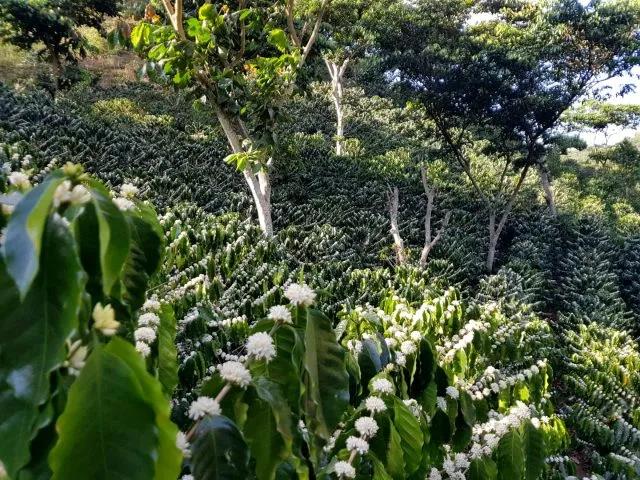
Lemus Estate
Finca Lemus Bella Vista sits in Concepción de Ataco, in the Ahuachapán department of El Salvador. The farm covers 37 acres and is owned by Thelma de Gutierrez, with day-to-day management handled by her husband, José Enrique Gutiérrez.
Coffee Varieties
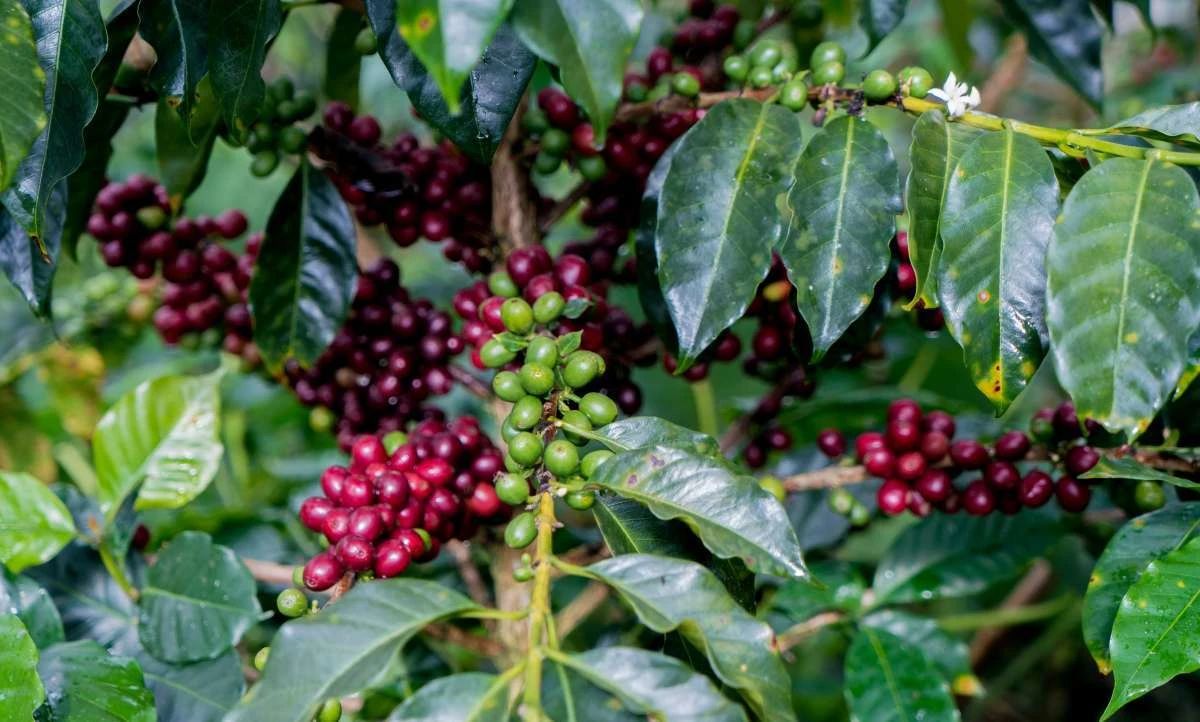
This lot is a blend of Bourbon and Catuai. Bourbon is a subvariety that arose from a mutation of Typica and, alongside Typica, is among the oldest coffee varieties still in cultivation. Its green cherries ripen to a bright red. Compared with Typica, Bourbon plants carry broader leaves, grow more densely, and yield more, yet they still bear fruit on a biennial cycle and remain relatively low-yielding overall. The beans are of excellent quality, with wine-like acidity and a sweet finish. Catuai is a cross of Caturra and Mundo Novo; it keeps the compact stature of Caturra while correcting Mundo Novo's weaknesses, and it also offsets the fragile nature of Arabica cherries by producing firm fruit that resists being blown off in strong wind. Its greatest shortcoming is a flavor profile that is somewhat simpler than Caturra's.
Coffee Processing Method
This coffee is processed as black honey. Freshly picked cherries are first sorted so that only sound red fruit goes forward, then run through a depulper to remove the skin. At this stage almost all of the pulp and mucilage is left on the bean. The pulped beans are spread on raised drying beds and sun-dried, with fermentation levels and humidity checked frequently along the way. They are dried down to roughly 11% moisture content, and the whole process takes about 18-25 days. Black honey beans tend to deliver a superior cup, with full sweetness and plenty of aroma.
FrontStreet Coffee's Roasting Profile & Water Temperature Recommendation
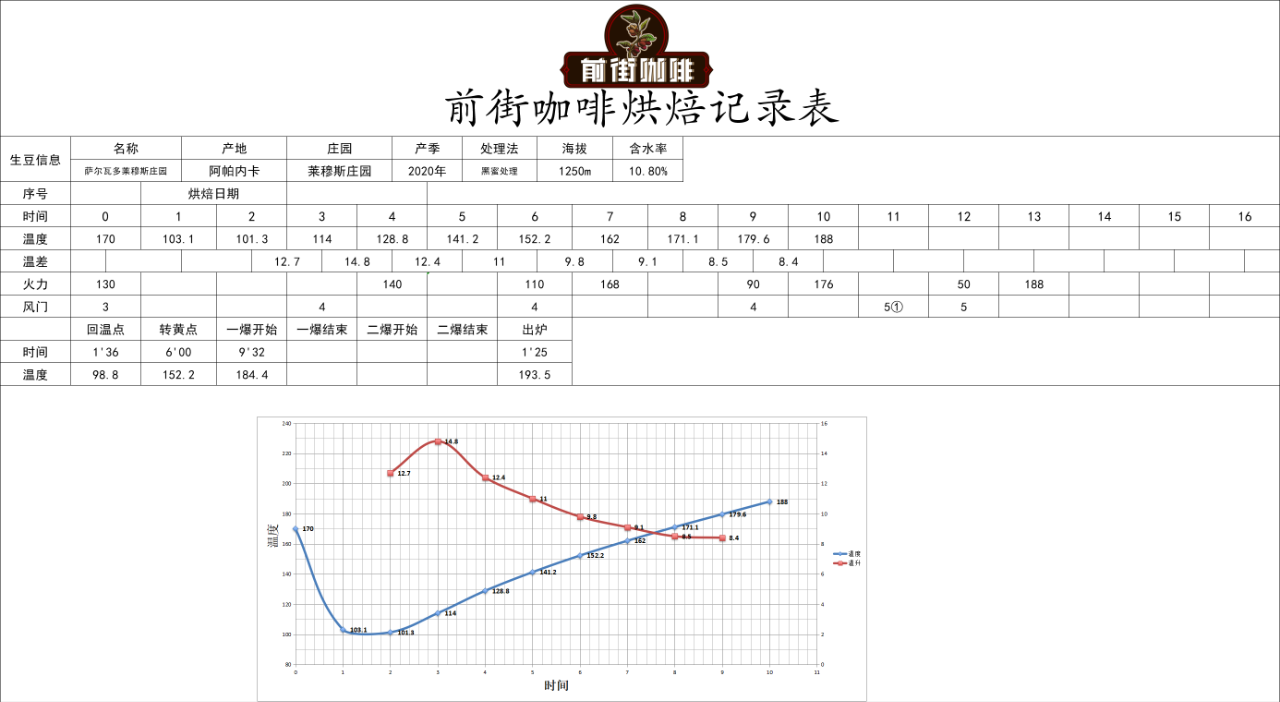
To bring out the soft fruit acidity of the Bourbon variety and the pronounced sweetness created by the black honey process, FrontStreet Coffee's roasters chose a medium-light roast for this lot. For medium-light beans, FrontStreet Coffee recommends water at 90-91°C. A higher temperature draws out the aromatic compounds and acidity of lightly roasted coffee, the floral notes and fruit acids. Because medium-light beans are denser, raising the water temperature also improves extraction efficiency from the grounds and helps avoid unpleasant flavors such as sharp acidity.
FrontStreet Coffee's Cupping Report
FrontStreet Coffee's Brewing Parameters:
Water Temperature: 90-91°C
Coffee Dose: 15g
Grind Size: Fine sugar grind
V60 Brewing
The V60 conical dripper has a wide opening and distinctive spiral ribs that let air escape more easily, which improves extraction quality. The body may not be as full, but the high concentration brings out a distinct sweetness and a pronounced aroma, the signature strength of this brewing method.
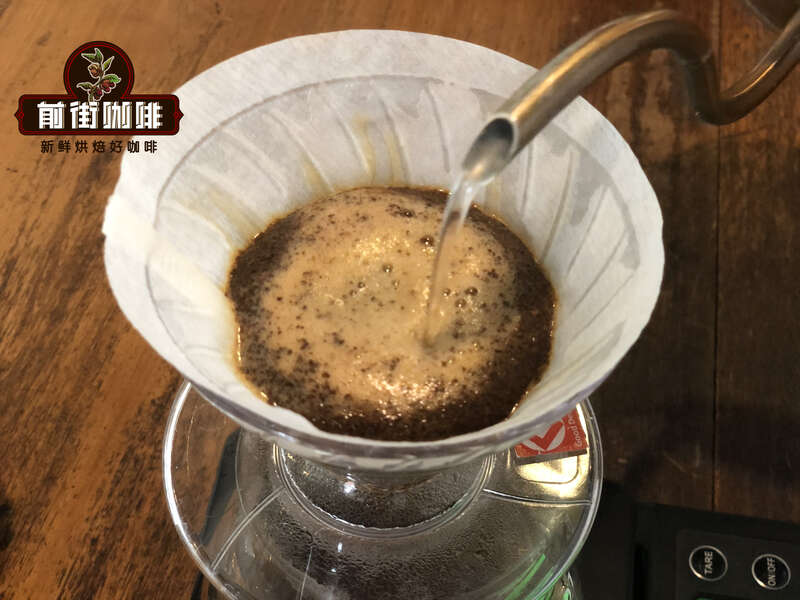
FrontStreet Coffee's Brewing Technique: First, pour 30g of water for a 30-second bloom. Then pour 95g (the scale reads about 125g), finishing in roughly 1 minute. When the water level drops to two-thirds of the coffee bed, pour the remaining 100g (the scale reads about 225g), finishing in about 1 minute and 40 seconds. The drip finishes between 1'55" and 2'00". Remove the dripper to complete extraction.
V60 Brewing Flavor Profile: Citrus, berries, grapes, cocoa, with strong balance.
Kalita Brewing
Seen from the side, the Kalita trapezoidal dripper is wider at the top and narrower at the bottom, with a circular opening at the top. This shape helps concentrate the water flow and lets the coffee particles distribute evenly, reducing stacking. The cup wall carries many straight ribs at even spacing, designed to improve air exhaust and water flow speed. The flow rate is also slower, relying mainly on immersion extraction, which can produce a fuller body and more richness.
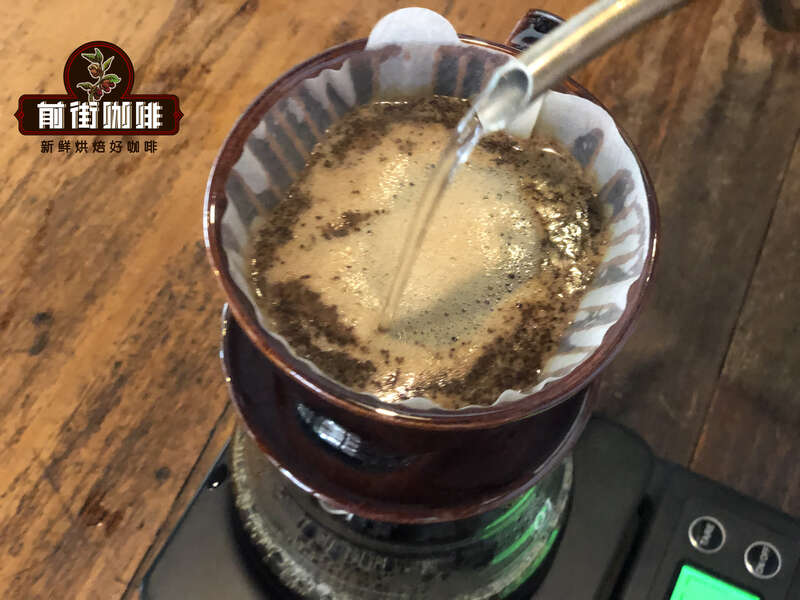
FrontStreet Coffee's Brewing Technique: First, pour 30g in a circular motion to moisten the coffee bed evenly, and let it bloom for 30 seconds. Then increase the flow slightly and pour a small stream directly into the center up to 125g. When the water level drops and is about to expose the coffee bed, continue with a small center stream up to 225g and stop. When the water level drops and is about to expose the bed again, remove the dripper. Extraction time from the start of the bloom is 2'00".
Kalita Brewing Flavor Profile: Citrus acidity, a juicy berry sensation, a cocoa aftertaste, smooth and rich, with a raisin finish.
French Press Brewing
The core difference between the French press and pour-over or drip methods is that drip and pour-over keep adding hot water from above, putting continuous "pressure" on the coffee. That continuous pressure extracts more from the surface layer of the grounds, which means we cannot extract for long, or the surface grounds quickly turn unpleasant from over-extraction. The French press, with its low-and-slow immersion, is a gentler and more gradual process. That makes it a forgiving method compared with the others, one that can deliver a fuller-flavored coffee with boosted acidity and fruit notes.
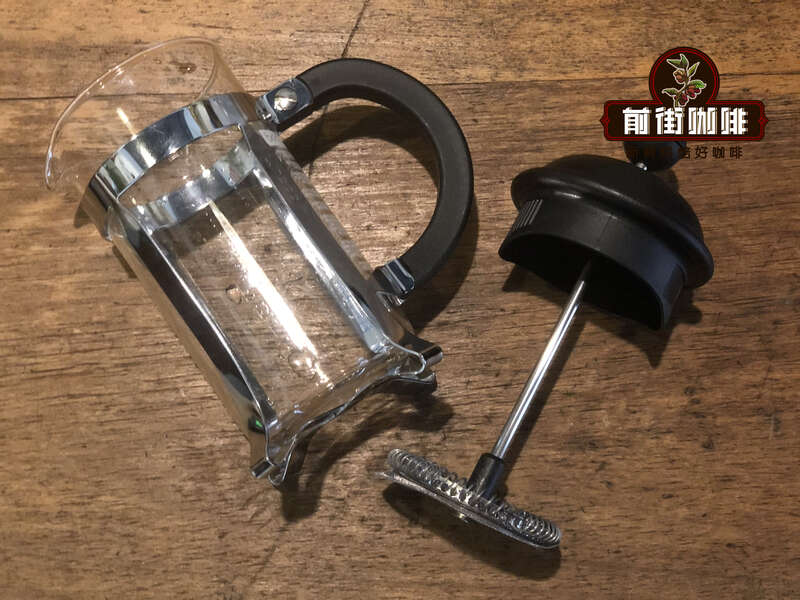
FrontStreet Coffee's French Press Technique: Preheat the French press with warm water, add the ground coffee, then pour in 195ml of hot water at 91°C. Pour in a broad motion, finishing in about 3 seconds, so the grounds tumble and extraction improves. After pouring, lift the filter mesh into place, put the lid on, and wait 4 minutes. After four minutes, press the plunger down gently to one-quarter of the press height so that fine particles at the bottom do not flow upward.
French Press Flavor Profile: A juicy berry sensation, pronounced cocoa, creamy smoothness, with noticeable sweetness.
FrontStreet Coffee Recommendation
If the black honey process is what drew you to this Salvadoran lot, FrontStreet Coffee's Costa Rica Blackberry is a natural next step. It is processed as a black honey as well: almost no mucilage is removed, drying runs at least two weeks under shade cloth so the sugars convert slowly, and the beds are turned at intervals to keep fermentation even. Roasted medium-light, it grinds into an intense floral aroma and brews into grape, berry, and ripe blackberry notes that echo the fruit-forward sweetness of this El Salvador cup.
For a cup built on the same honey family but with a different accent, FrontStreet Coffee's Costa Rica Mozart is processed with the raisin honey method, a double-fermentation honey style in which the cherries are first dried to a raisin-like state before pulping and are then fermented with the pectin intact. Expect osmanthus, pineapple, and raisin. It works just as well as a pour-over as it does in a moka pot or as a cold brew.
Brew either one the way you brewed the Lemus Bella Vista here: a 1:15 ratio, water at 90-91°C, and a steady three-stage pour. The medium-light density of these honey-processed beans rewards the slightly higher water temperature and keeps the fruit acidity bright.
Important Notice :
FrontStreet Coffee is a long-established specialty coffee roaster in Guangzhou China, selling freshly roasted beans from its own farm in Yunnan as well as dozens of carefully selected single-origin beans from around the world for both pour-over and espresso. The products deliver consistently excellent quality and great value, with shipping within 24 hours. Guangzhou's FrontStreet Coffee shop is recommended by many coffee lovers, and the beans are now available online at the Tmall 。
FrontStreet Coffee has moved to a new address:
FrontStreet Coffee Address: 315,Donghua East Road,GuangZhou
Tel:020 38364473
 Scan and follow the En Gafei WeChat official account. Please indicate that the reprint comes from "En Gafei".