The Principles, Features, and Usage Guide of Siphon Coffee Makers: What Coffee Beans Are Best for Siphon Brewing?
Siphon coffee has a look that stays with people — all glass bulbs and tubes, like something lifted from a chemistry bench, forever turning up in period films and giving off an air of mystery. As people who work in coffee, what FrontStreet Coffee cares about most is not the theatrics but the pot itself and the character of the cup it makes.
Structure, Extraction, and How a Siphon Works
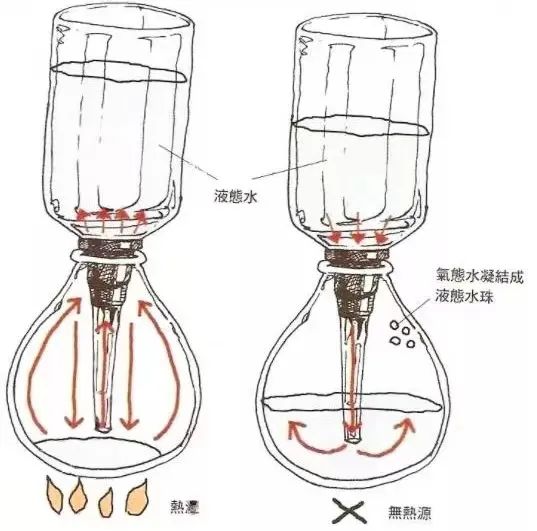
A siphon breaks down into three parts: an upper pot, a lower pot, and a stand. The stand holds and supports the lower pot. The lower pot is roughly spherical so that it heats evenly. The upper pot is cylindrical with a narrowed base that tapers into a long, thin tube, and a rubber ring sits at the point where it narrows. When the upper pot is seated on the lower pot, that ring forms a seal. Heat the lower pot and the water throws off steam, building pressure that pushes the water up into the upper pot — which is where grounds and water actually meet. Take the heat away and the coffee flows back down, and the brew is done.
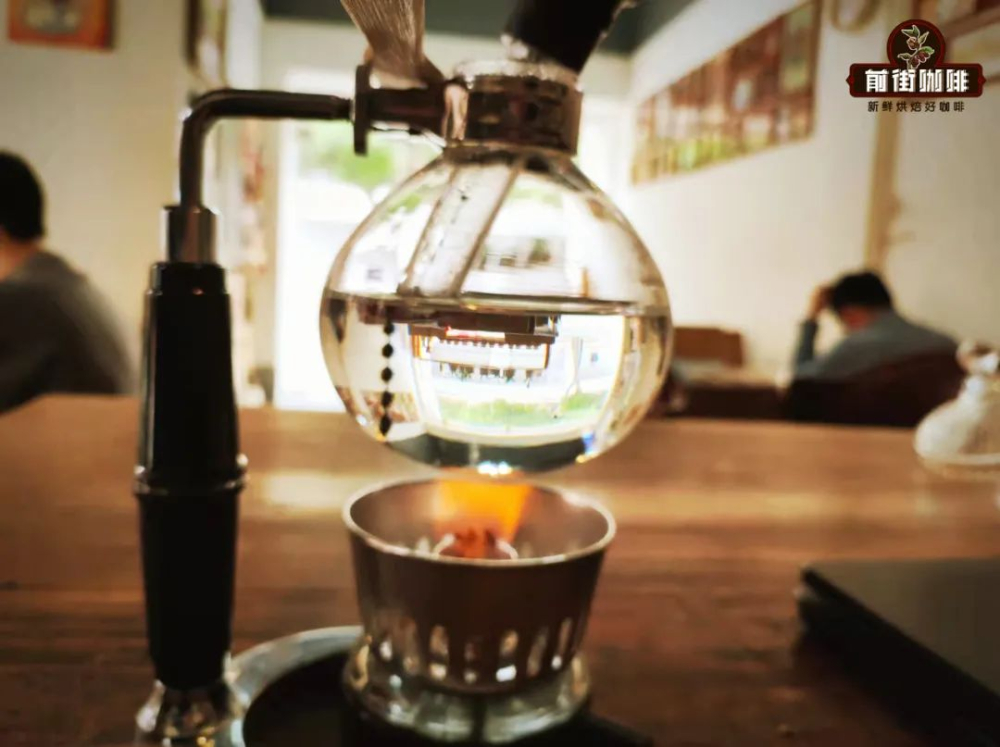
Heat sources are typically alcohol lamps, gas burners, or halogen lamps; FrontStreet Coffee uses an alcohol lamp here. For filtering the grounds, you have two main options: a flannel cloth filter or a circular paper filter. Flannel is the older material and lets more of the coffee's oils through, but it is fussy to use and clean. Paper is the modern choice: cleaner filtration that holds back fine particles — oils among them. If you are only brewing for yourself and not all that often, FrontStreet Coffee suggests flannel so you can taste the full range of what a siphon can do. The bead attached to the filter screen guards against a sudden boil when you seat the upper pot, and the small bubbles around that bead let you read the water temperature. Beyond the pot and the heat source, you will also need a stirring spoon and a damp cloth.
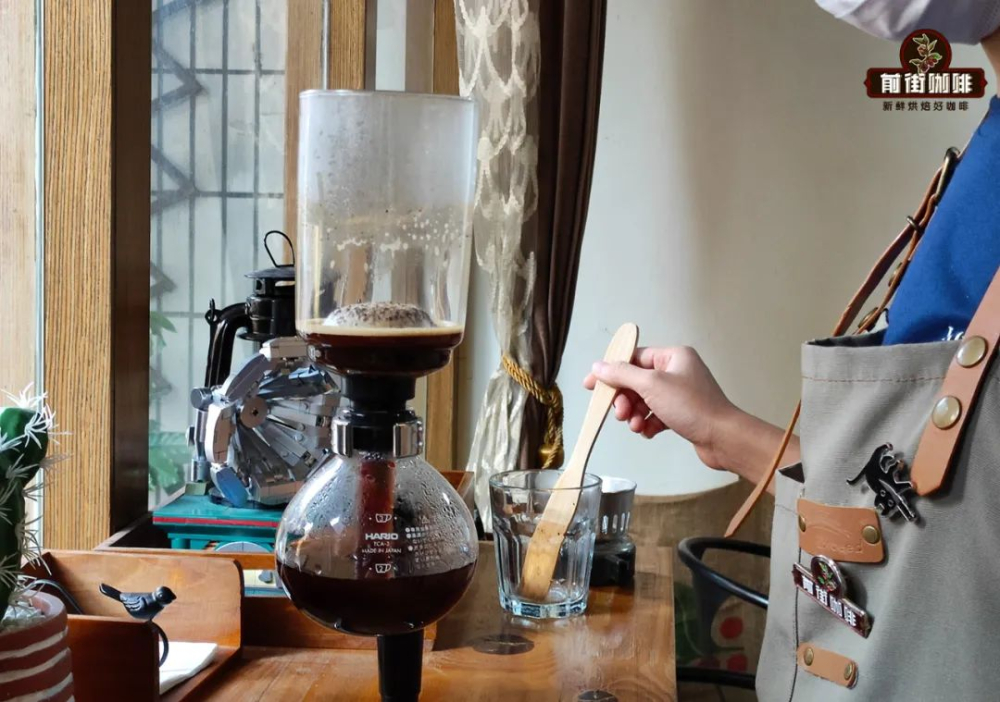
Extraction in a siphon is driven entirely by pressure difference. Bring the water in the lower pot to a boil, insert the upper pot, and the lower pot is now under high pressure. That pressure gap pushes hot water up to mix with the grounds in the upper pot. Once extraction is done, remove the heat and the pressure difference collapses in an instant; the siphon action pulls the coffee back down into the lower pot. To hurry the return along, wipe the lower pot with a damp cloth — that lowers the pressure inside and speeds the flow.
How to Use a Siphon Pot
A good cup depends on getting the details right. Below, FrontStreet Coffee demonstrates with its own roasted FrontStreet Coffee Brazil Queen Estate beans.
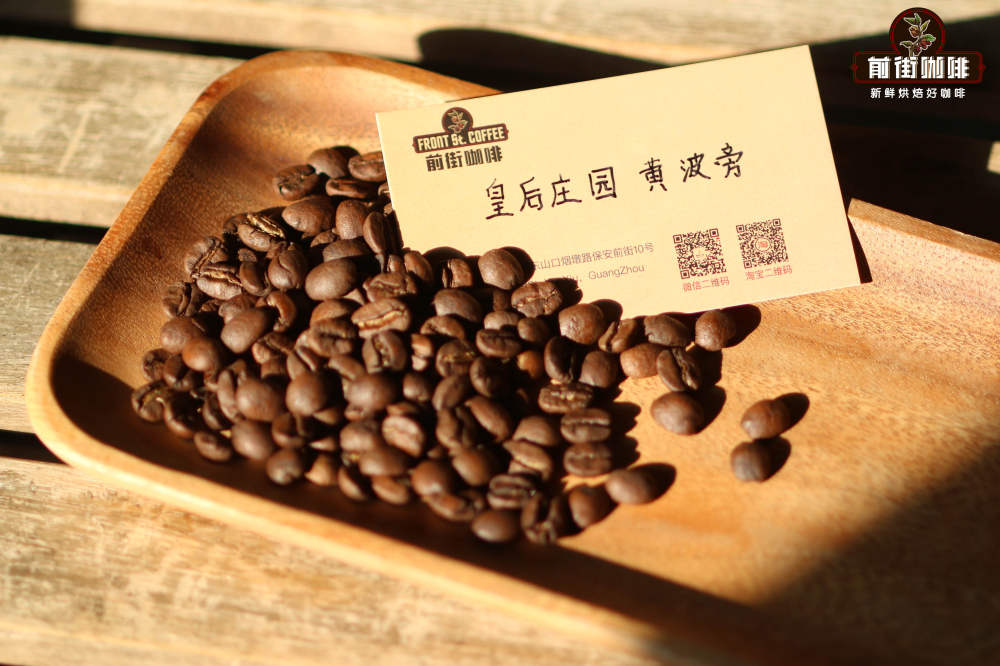
Water temperature: 88°C
Grind size: 90% pass-through through a #20 sieve
Dose: 18 grams
Ratio: 1:10
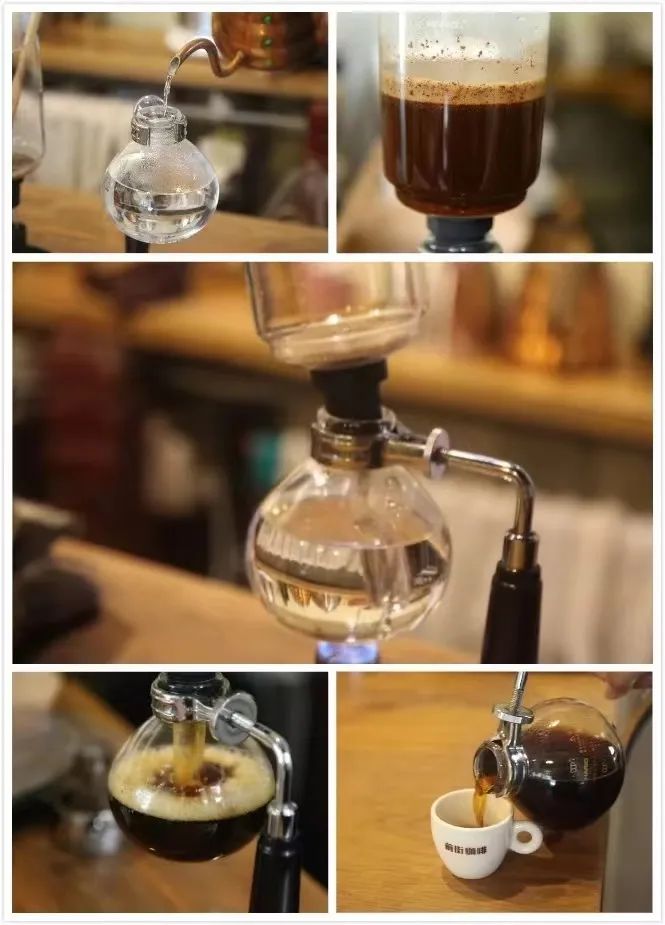
1. Pour 180ml of warm water into the lower pot and wipe the outside dry (this keeps the pot from cracking as it heats). Light the alcohol lamp and set it under the lower pot.
2. Take the upper pot, fit the filter cloth to it, hook the fixing hook over the glass tube wall at the bottom of the upper cup, then insert it into the lower pot at a diagonal.
3. Watch the lower pot. Once steady small bubbles appear, straighten the upper pot and seat it vertically so the two pots connect without a gap.
4. When the water rises from the lower pot into the upper one, add the ground coffee. Stir clockwise from the outside toward the center for 10 seconds to make sure every ground is saturated.
5. Start your timer. After 40 seconds, stir clockwise for 5 seconds, then pull the alcohol lamp away and kill the heat. The coffee will begin flowing back down into the lower pot. As it returns, wipe the lower pot with a damp cloth to speed things up. Total extraction time is about 1 minute and 10 seconds.
6. Lift the upper pot off gently and pour the coffee from the lower pot into a cup. Brewed this way, siphon coffee is deeply aromatic and rich. It is not as clean and clear as a pour-over, but the oils floating on the surface give it a satisfying weight.
Which Coffee Beans Suit a Siphon Pot?
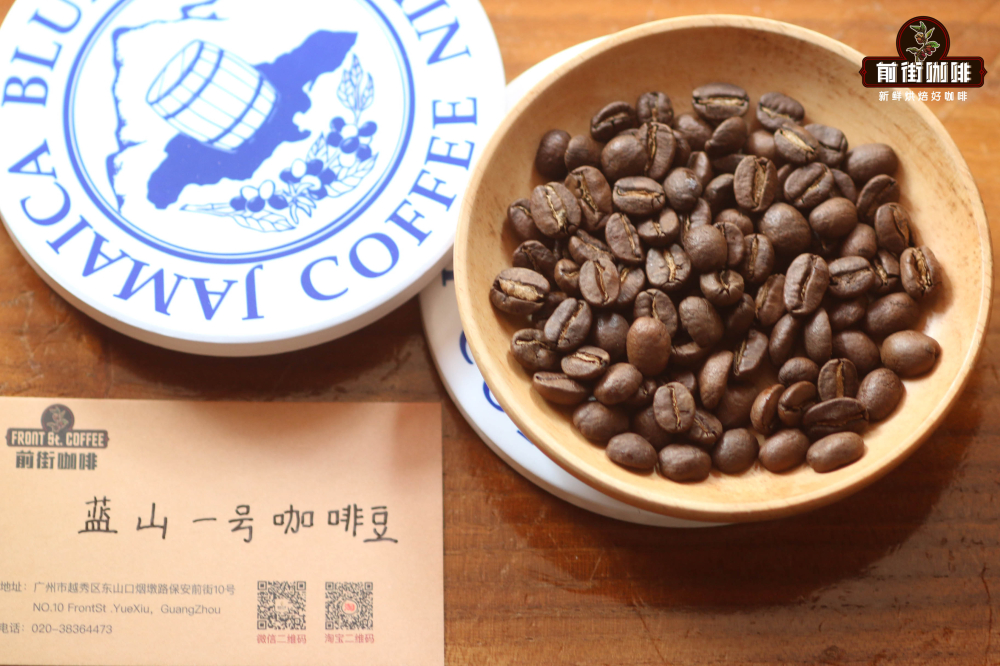
Historically, because drinkers were after richness and body above all, most people reached for medium-dark roasts in a siphon. The result is a cup that is both full-flavored and rounded, with a balanced feel. If that is the profile you want, several fixtures on FrontStreet Coffee's menu — FrontStreet Coffee Jamaica Blue Mountain Coffee, FrontStreet Coffee Gold Mandheling Coffee, FrontStreet Coffee Brazil Queen Estate Coffee, and FrontStreet Coffee Papua New Guinea Bird of Paradise Coffee — all take beautifully to a siphon.
Today, as tastes move toward more delicate flavors, the options have widened considerably. Beyond those four, every one of the fifty-plus single-origin coffees on FrontStreet Coffee's menu can be brewed in a siphon. Here are a few classic flavor profiles to help you find the one that fits you.
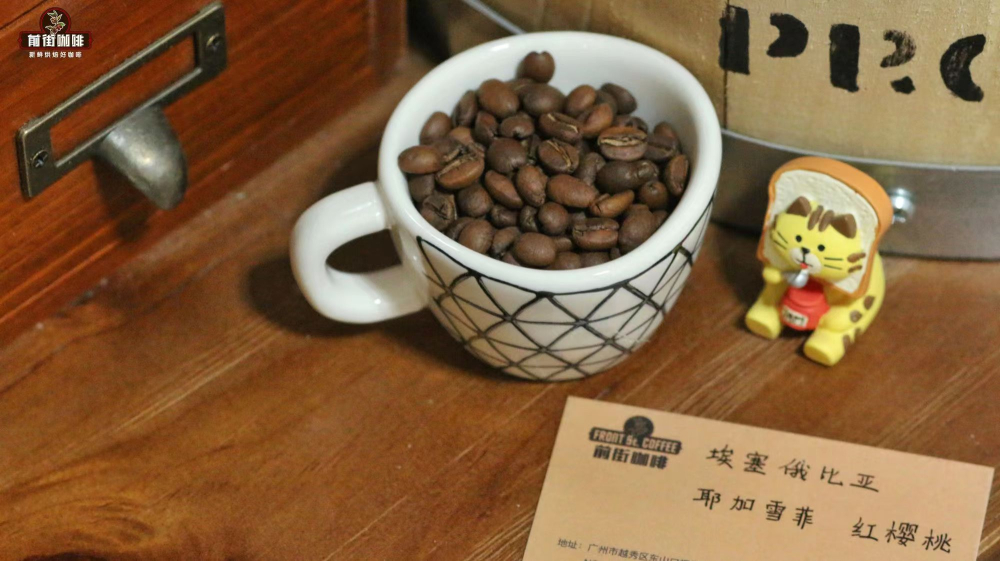
Tropical Fruit, Bright Sweet-and-Sour: FrontStreet Coffee Yirgacheffe Natural Red Cherry
This FrontStreet Coffee Natural Yirgacheffe was originally brought in for pour-over. The cherries are picked at peak ripeness and dried in the sun with their pulp fully intact, so the seed absorbs a great deal of fruit sugar — which is why the cup is so sweet and so intensely fruity. Brewed as a pour-over, FrontStreet Coffee's Natural Red Cherry shows distinct ripe-fruit acidity and sweetness reminiscent of red berries, with a fermented-tea finish. Brewed in a siphon, the black coffee turns up ripe fruit with easygoing acidity and sweetness and essentially no bitterness — it drinks like a cup of fruit tea.
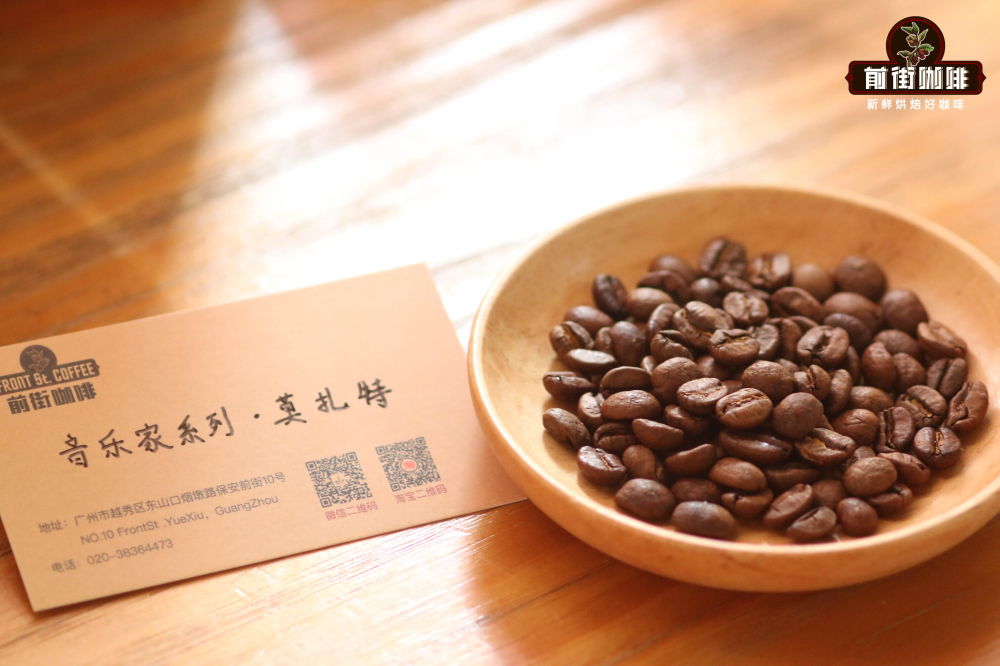
Rich Fermented Fruit Aroma: FrontStreet Coffee Costa Rica Mozart
Raisin-honey processing keeps 100% of the mucilage and uses zero water. Fully ripe fruit is left with its mucilage layer for closed fermentation before drying, which pushes the sweetness of the bean as far as it will go. Brewed as a pour-over, this FrontStreet Coffee Costa Rica Mozart presents lush rose aromas with raisin and white-wine sweetness. In a siphon, it delivers full tropical-fruit acidity and sweetness with a rounded texture and a pleasant tartness.
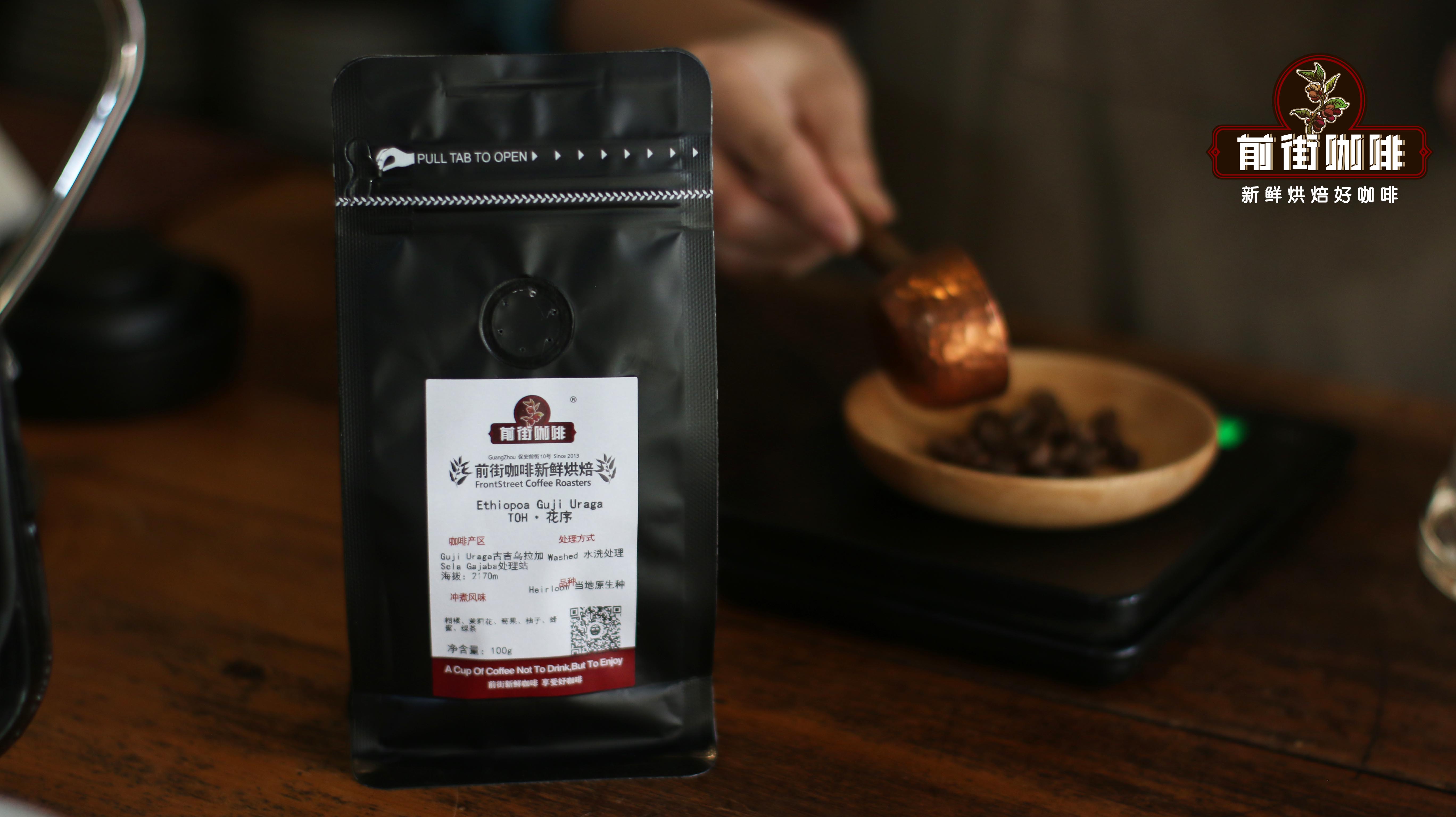
Fresh Floral and Fruit Aroma: FrontStreet Coffee Ethiopia Guji Uraga TOH Washed Champion
This bean comes from the Guji Uraga region of Ethiopia, where fertile black soil produces coffee with abundant fruit aroma. Washed processing brings the coffee's clear floral and citrus notes to the front. As a pour-over, FrontStreet Coffee's Guji Uraga shows fresh jasmine, citrus, and grapefruit. As a siphon, it picks up rounded green-tea notes that add richness and cleanliness to the whole cup.
FrontStreet Coffee Recommendation
If you want a siphon that leans rich and mellow, three FrontStreet beans are hard to beat.
FrontStreet Brazil Queen Estate. Low in acidity and beautifully balanced, with pronounced nut and cocoa aromas and a clear caramel sweetness. It goes down smooth and never grippy, warm and long on the finish. It works equally well as a pour-over, an espresso, or a moka pot brew — and its excellent oils and value make it the reference daily-drinker among traditional coffees.
FrontStreet Jamaica Blue Mountain No.1. Genuine Blue Mountain No.1 strikes a rare balance: it has neither the sharp fruit acidity of some African coffees nor the heavy bitterness of a dark roast, but sits evenly across acidity, sweetness, bitterness, and aroma. A good Blue Mountain shows layered notes of cream, caramel, chocolate, nuts, honey, and a light fruit accent. Silky and rounded on entry, generous sweetness through the middle, and a clean, lingering finish — rich in layers yet never loud. That near-perfect balance is why so many in the trade call it the specialty coffee that pleases the most people.
FrontStreet PWN Indonesia Gold Mandheling. A dark roast with very low acidity and a full, lingering body. The cup is packed with herbal and dark-chocolate aromas laced with a faint earthy note — layered and substantial, ideal for anyone who likes a bold coffee and does not care for acidity.
Important Notice :
FrontStreet Coffee is a long-established specialty coffee roaster in Guangzhou China, selling freshly roasted beans from its own farm in Yunnan as well as dozens of carefully selected single-origin beans from around the world for both pour-over and espresso. The products deliver consistently excellent quality and great value, with shipping within 24 hours. Guangzhou's FrontStreet Coffee shop is recommended by many coffee lovers, and the beans are now available online at the Tmall 。
FrontStreet Coffee has moved to a new address:
FrontStreet Coffee Address: 315,Donghua East Road,GuangZhou
Tel:020 38364473
 Scan and follow the En Gafei WeChat official account. Please indicate that the reprint comes from "En Gafei".