Pros and Cons of Coffee Bean Processing Methods: Natural, Washed, Semi-Washed, Wet-Hulled, Anaerobic, and Barrel Fermentation
Why Do Coffee Beans Need Processing?
 Coffee beans are the seeds of coffee cherries, so the skin, pulp, mucilage layer, and parchment must first be removed to obtain the bean. At that point we have green coffee, which usually looks white, emerald green, or pale yellow; only after roasting does it turn the familiar dark brown. This removal process is called processing, and the method chosen has a major influence on the final flavor of the coffee — which is exactly what this article is about.
What Are the Common Coffee Bean Processing Methods?
The traditional methods include natural, washed, semi-washed, and honey processing, among others. In recent years, increasingly novel techniques have been developed to push flavors further, such as the currently popular anaerobic processing, barrel fermentation, and enzyme processing — a genuinely diverse and inventive landscape.

What Is the Natural Processing Method? What Are the Characteristics of These Coffee Beans?
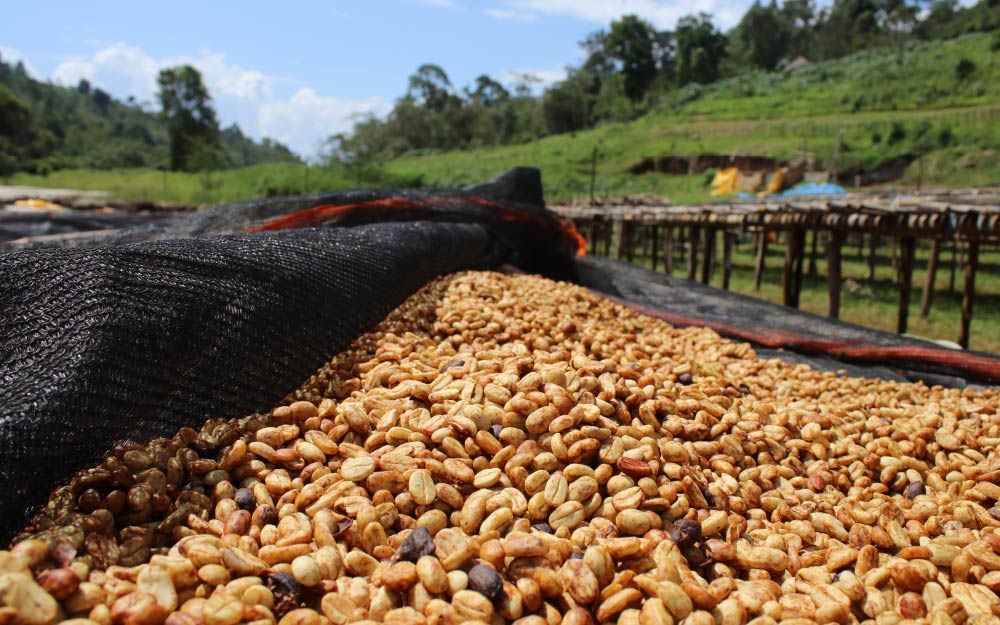
Natural processing is exactly what the name suggests: drying the coffee in the sun. Ripe red cherries are laid out in the sun for roughly a week, though the duration varies with conditions. Once the skin and pulp have dried to a dark color, a hulling machine removes them, and finally the defective beans are sorted out to complete the process.
The great advantage of natural processing is its low cost — after all, nobody pays rent for sunshine — and it is the oldest, most traditional processing method. The drawbacks are that it demands large drying areas and does not suit regions with frequent rainfall. Another weakness is that it is hard to control how evenly each bean dries, so carelessly handled natural lots can contain more defective beans. In the cup, natural processing typically produces stronger fruit and wine aromas with slightly lower acidity, since some fermentation happens while the fruit dries.

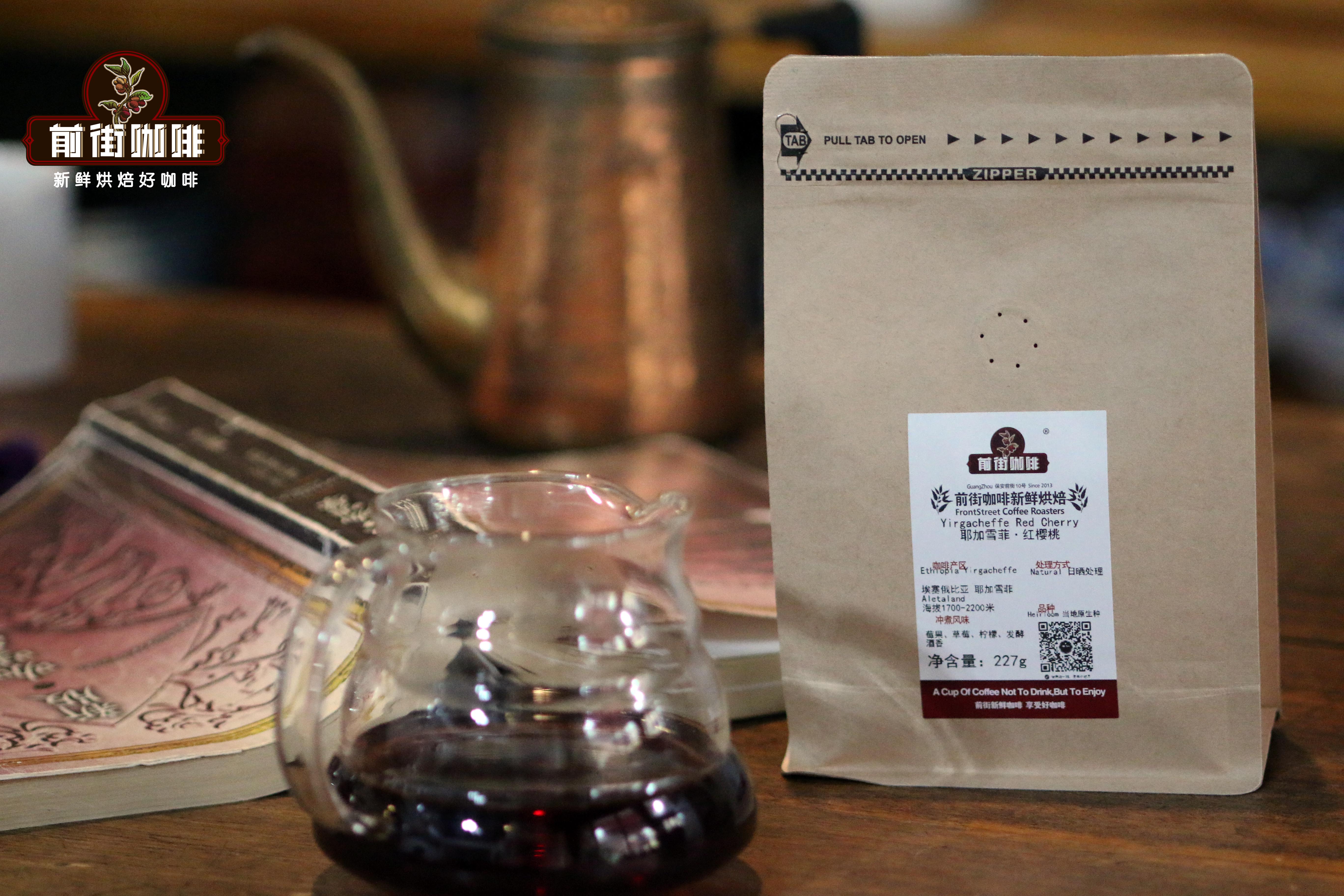
FrontStreet Coffee's Red Cherry beans are naturally processed Yirgacheffe, handled with more refinement than a simple traditional natural. Freshly picked red cherries are hand-sorted to remove defective, overripe, or insect-damaged fruit, leaving only the best beans. They are then moved to the drying area — and different regions use different drying setups, from tarps to raised beds, with African drying beds the most common. Drying generally takes 27-30 days, until the cherries turn dark purple and the moisture content falls to 11%. FrontStreet Coffee's natural Yirgacheffe is more intense, with richer layers, fermented wine aromas, and higher sweetness.
People Say Washed Coffee Beans Are More Acidic and Cleaner—Why?
The washed method was originally developed for regions that lack enough sunshine to dry coffee naturally. First, the cherries are floated in a water tank to remove impurities, then a depulper strips away the skin and pulp. The mucilage layer and parchment remain, however, so the beans go into fermentation tanks where microorganisms break down the mucilage. After fermentation, they are washed again with water and then dried. Once dry, a hulling machine removes the parchment, and finally defective beans are sorted out just as in other methods.
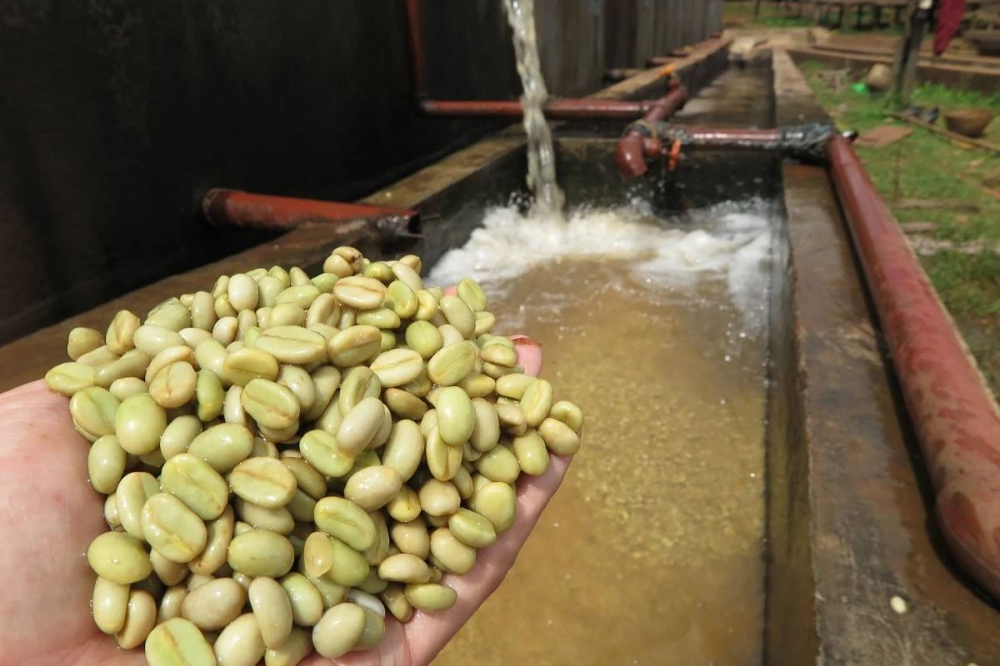
The whole sequence — water tanks, fermentation, washing channels — consumes enormous quantities of water, hence the name "washed." The strength of washing is that the process is industrialized and precise, ensuring stable quality and a clean, clear cup. Fruity acidity also stands out more, because no pulp fermentation takes place, so the beans retain more acidic aromatic compounds such as malic and citric acid. As a bonus, washed coffees also tend to carry more floral aromas.
Because many stages of washing weed out defective beans, the defect rate drops significantly and quality becomes more consistent. Drying without a pulp layer produces flavors with uplifting acidity, higher cleanliness, and a clear expression of the origin's character. So if you want to understand the "terroir flavor" of a growing region, FrontStreet Coffee suggests starting with its washed lots.
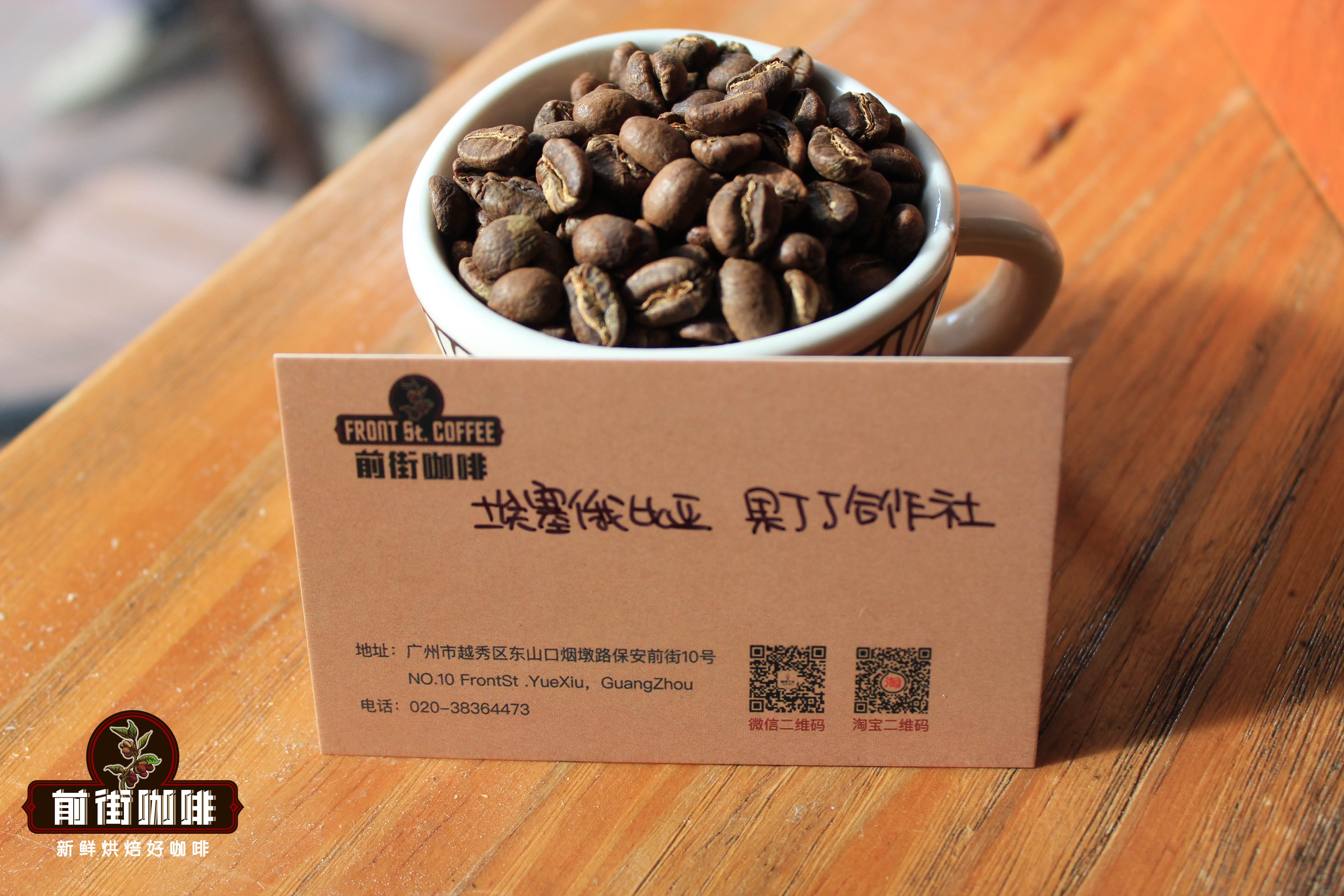
Washing is a method FrontStreet Coffee is particularly fond of — dozens of beans on the menu are washed. If you want to experience what washed coffee is all about, FrontStreet Coffee recommends the Yirgacheffe Gotitti beans from Ethiopia. Washed processing gives this Yirgacheffe remarkably consistent quality, and a light-medium roast preserves its fresh citrus tones and elegant white florals, for an overall bright and delicate cup.
What About Mixing Natural and Washed Processing?
Yes — it is called semi-washed, and in some contexts it is also known as honey processing. The semi-washed method begins like washing: impurities, skin, and pulp are removed. But instead of soaking to break down the mucilage, a mucilage remover strips the sticky layer mechanically. The beans are then sun-dried, hulled, and sorted. Here is the twist: if you skip the mucilage remover and dry the beans directly with the mucilage still attached, that is honey processing! Once dried, the huller removes both the dried mucilage and the parchment together.
The mucilage layer is the key: it is extremely sticky, like honey, which is where the name comes from — no honey is ever added. How much mucilage is left on the bean is what drives the flavor differences within honey processing. Leave about 10% for drying and you have "white honey," which tastes clean, closer to a washed coffee. About 25% makes "yellow honey," so named because the beans turn yellow. Around 50% is "red honey," and leaving the full 100% is "black honey." The more mucilage retained, the trickier the processing and the longer the drying time — but the flavors become correspondingly richer, more complex, and more layered than a washed coffee.
Is Semi-Washed Also Called Wet-Hulled Processing?
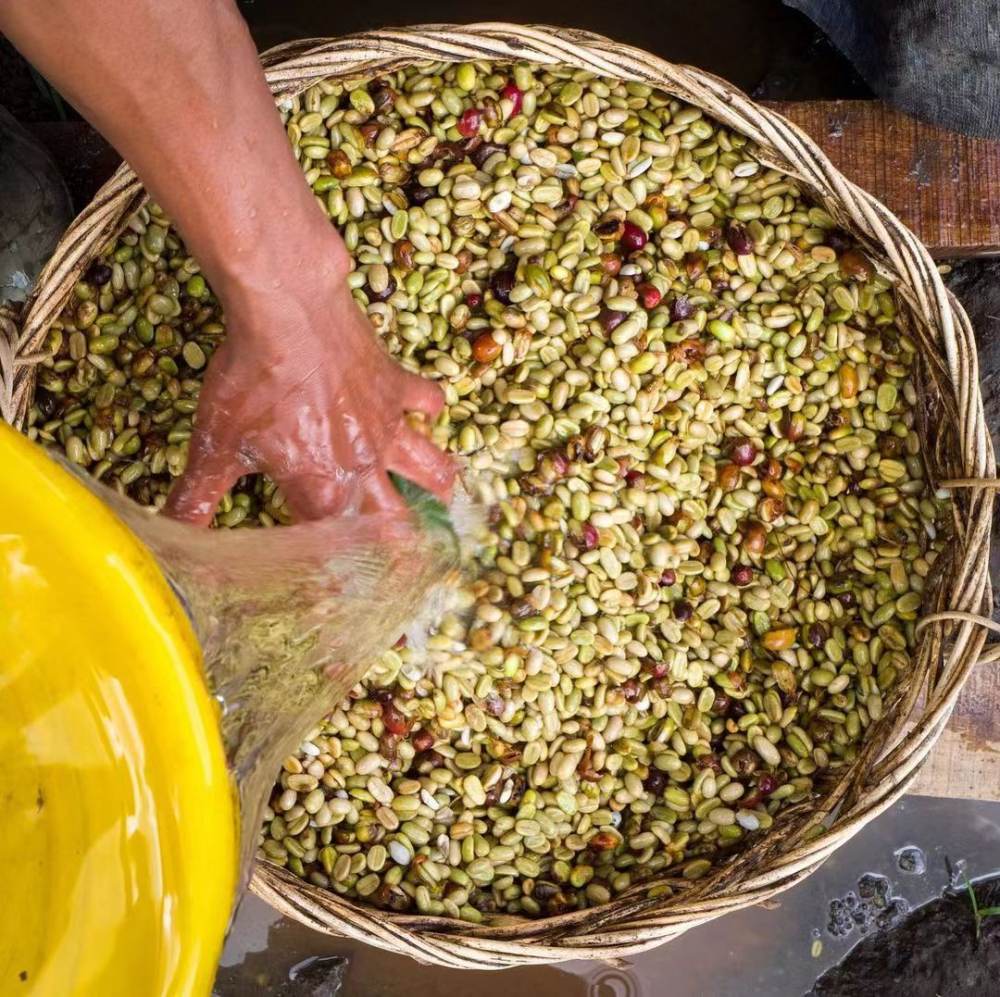
Sumatra's coffee harvest falls in the rainy season, which creates real problems — so Indonesian growers developed their own unique method. The first steps of wet-hulling match the washed method: the pulp is removed and the beans ferment in water for 3 hours. After the mucilage is washed off, the parchment-covered beans are dried briefly, for just 2-3 days. When moisture reaches 20-24% and the beans are semi-soft and semi-hard, the parchment is hulled off, and drying continues until the beans reach 13% moisture before packing.
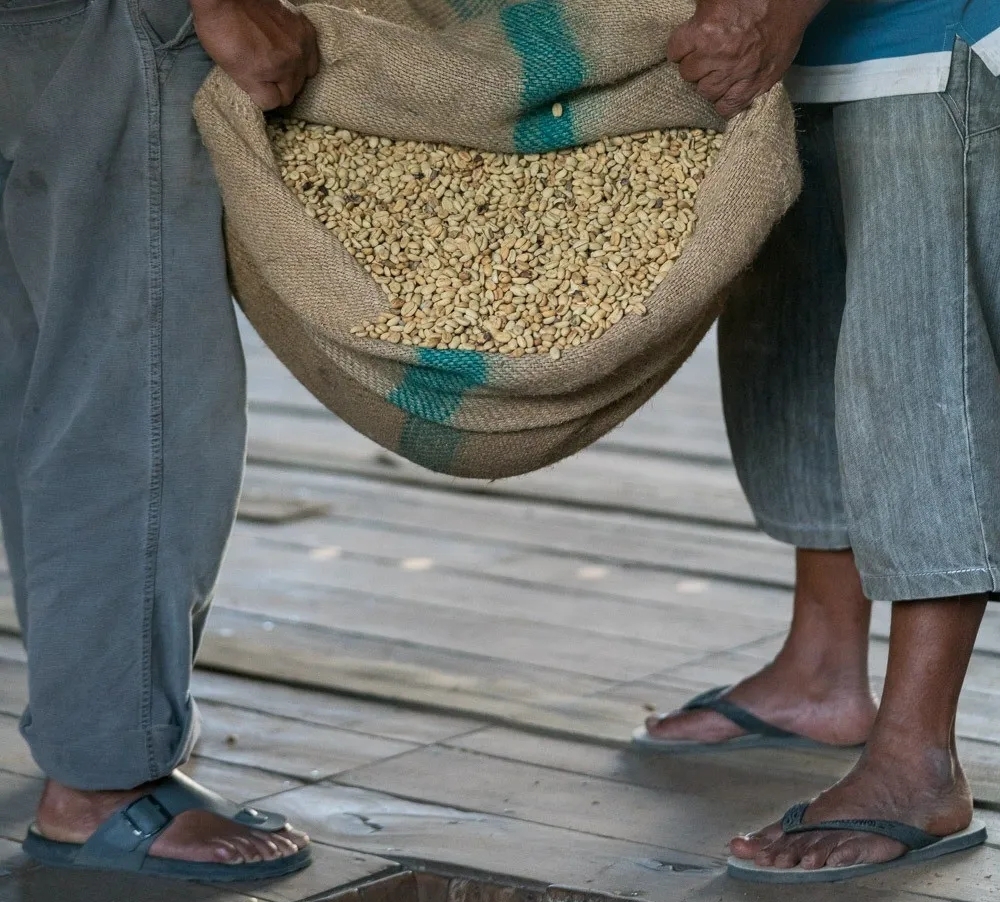
Because the hulling machine uses heavy friction to tear away parchment that clings tightly to the wet green beans, the churning easily crushes or squeezes them — especially at the ends — forming small splits that create so-called "elephant beans." These "naked" beans, stripped of their protective parchment, dry very quickly and are exposed directly to the humid environment, where all kinds of microorganisms take hold. This is what gives Indonesian coffee its signature woody, spicy, herbal notes — the much-discussed "regional flavor."
You may now be curious about Southeast Asian coffee. If you haven't yet tried FrontStreet Coffee's Mandheling, a good entry point is the small-package wet-hulled Indonesia Lintong Mandheling daily beans, which deliver the classic Mandheling profile and are easy to try at home.
I've Heard of Anaerobic Processing and Barrel Fermentation Coffee Beans—What Are Those?
By now it should be clear that fermentation — of pulp and especially of the mucilage layer — has an enormous effect on the beans, which is why roasters have focused their experiments here. Anaerobic processing and barrel fermentation are two of the most common new-school methods.
Anaerobic processing places coffee, with its mucilage intact (after skin and pulp removal), into sealed stainless steel tanks. Oxygen is extracted, leaving only carbon dioxide, and anaerobic bacteria ferment the beans for roughly 18-24 hours — though every estate's technique and timing differs slightly (not every estate has stainless steel tanks). The process demands close attention to mucilage amount, temperature, pressure, pH, and fermentation time to keep the flavors on track.
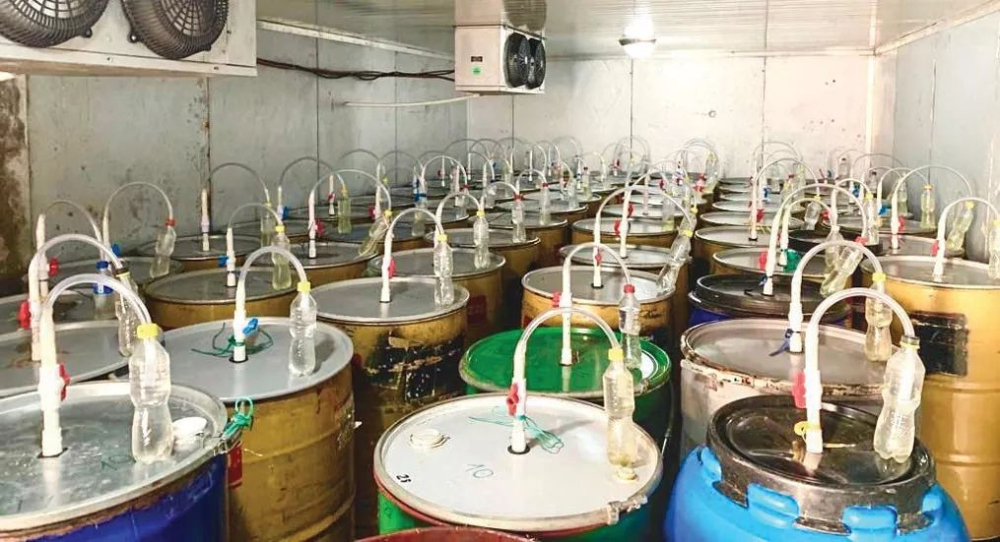
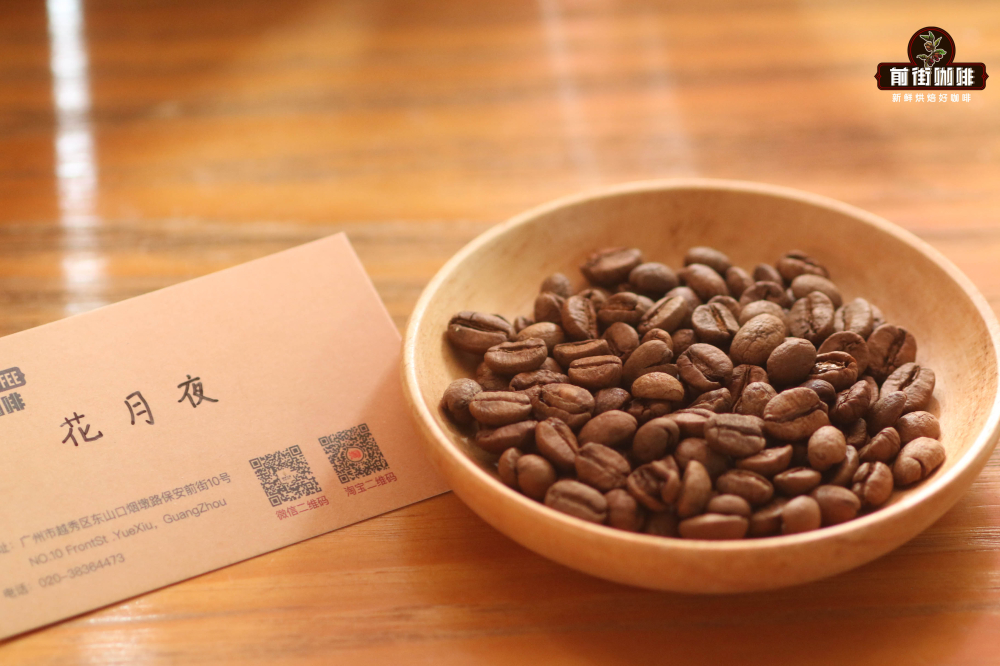
Anaerobic processing can produce remarkably complex flavors. A common example is anaerobic natural, which layers fermentation notes on top of traditional natural-process flavors. FrontStreet Coffee's Colombia Flower Moon Night uses anaerobic natural processing, yielding richer mature-fruit sweetness and fermented aromas.
FrontStreet Coffee Recommendation
Want to taste washed and natural processing side by side? FrontStreet Coffee's Yunnan Small-Bean coffee is a washed, medium-roast Arabica from the Baoshan region — fermented and rinsed to remove the mucilage before drying, which lets the region's terroir shine through. In the cup it shows soft nut and chocolate sweetness with a touch of plum acidity, at a friendly price that makes it a perfect first step into Yunnan coffee.
For the natural-process counterpart, try FrontStreet Coffee's 2013 Yunnan Sun-Dried Typica from the estate's own farm. Typica is one of the oldest and purest Arabica varieties — the same one French missionaries first planted in Yunnan back in 1904. Sun-drying the whole ripe cherries gives a fuller body and more pronounced sweet-sour character: dark berry tones with caramel sweetness, chocolate, a hint of dried apricot, a whisper of fermented wine aroma, and a black tea finish.
Important Notice :
FrontStreet Coffee is a long-established specialty coffee roaster in Guangzhou China, selling freshly roasted beans from its own farm in Yunnan as well as dozens of carefully selected single-origin beans from around the world for both pour-over and espresso. The products deliver consistently excellent quality and great value, with shipping within 24 hours. Guangzhou's FrontStreet Coffee shop is recommended by many coffee lovers, and the beans are now available online at the Tmall 。
FrontStreet Coffee has moved to a new address:
FrontStreet Coffee Address: 315,Donghua East Road,GuangZhou
Tel:020 38364473
 Scan and follow the En Gafei WeChat official account. Please indicate that the reprint comes from "En Gafei".