What Are the Techniques for Making a Piccolo Latte? What Is the Espresso to Milk Ratio in This Mini Coffee?
There is a milk coffee beverage that rarely appears on café menus, yet is as popular in Australia as the Flat White — the Piccolo Latte, the "small latte."
The Difference Between Piccolo Latte and Flat White
The Piccolo Latte originates from Australia. "Piccolo" refers to the piccolo instrument in English, while in Italian it simply means "small," and like the Flat White it is often called a "small latte."
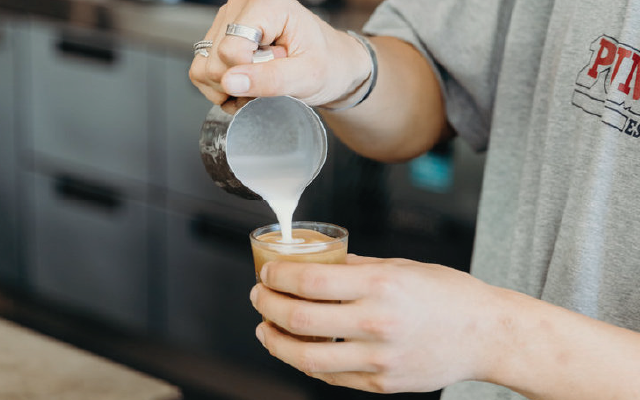
The piccolo emerged because roasters and baristas needed to taste-test coffee during calibration. They would taste the espresso both straight and mixed with milk to check whether it met quality standards. Since regular lattes come in large cups, after a couple of sips the rest would usually be discarded. Baristas hated wasting coffee, so they cut the milk ratio down — which gradually evolved into a miniature latte, an excellent choice for anyone who does not want too much caffeine or an overly full stomach.
Although both the piccolo and the flat white are smaller than a latte, the piccolo is dramatically more miniature. Australian baristas serve it in a 90ml (roughly 3-ounce) cup, built on a single Ristretto (about 15ml) with 75ml of steamed milk carrying a thin layer of foam. A flat white, by contrast, typically comes in portions of 150-200ml — for instance, FrontStreet Coffee builds theirs on a double shot with 150ml of hot milk under a dense, thin foam. A piccolo can be finished in a few gulps; a flat white is more "sippable."

Piccolo Latte Preparation Techniques
Baristas once made piccolos to avoid waste, but today the drink is more about showcasing the character of the beans. Because of the tiny cup, you can experience both the smooth texture of coffee blended with milk and a clearer read on the coffee's aroma. Pulling off latte art in such a small vessel is not easy, though — an authentic, delicious piccolo demands quality espresso, good milk, proper foam density, and seamless integration. It genuinely tests a barista's skills.
FrontStreet Coffee makes piccolos in a cup of about 90-100ml with a coffee-to-milk ratio of 1:5, preheating the cup to guarantee the ideal drinking temperature. The flavor starts with the beans: all espresso drinks at FrontStreet Coffee are extracted from their own roasted "Sunflower Warm Sunshine Blend," composed of 70% Honduras Sherry coffee and 30% Yirgacheffe Natural Red Cherry coffee. The sherry's whiskey, vanilla, and cream notes combined with the red cherry's tropical fruit and fermented character create a rich yet smooth cup.
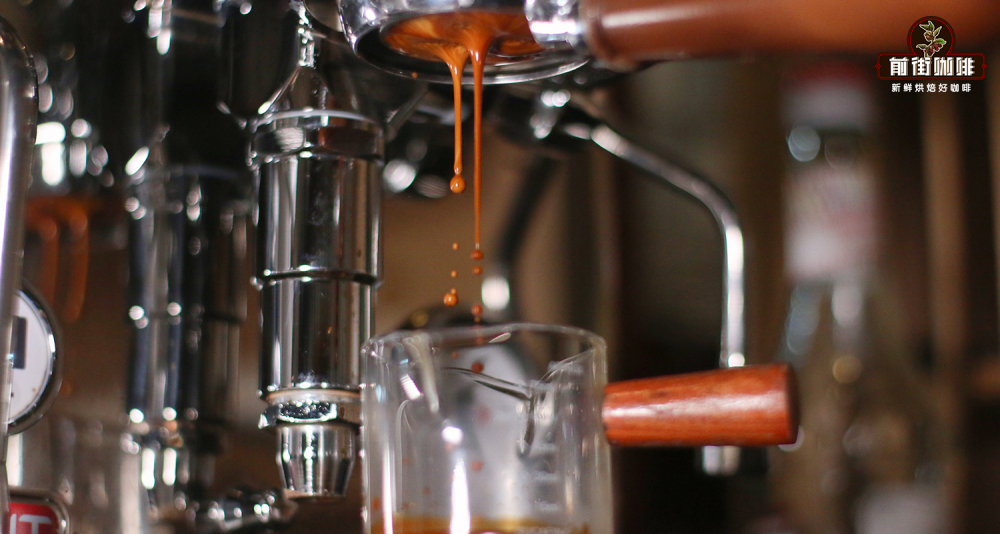
The piccolo uses a single Ristretto as its base. "Ristretto" means "restricted" in Italian — hence "restricted espresso" — taking only the front and middle portion of an espresso extraction for a stronger, more concentrated flavor. FrontStreet Coffee uses 20 grams of grounds to extract 28 grams of coffee liquid in 20-25 seconds, with a single Ristretto being 14 grams, poured into the cup first.
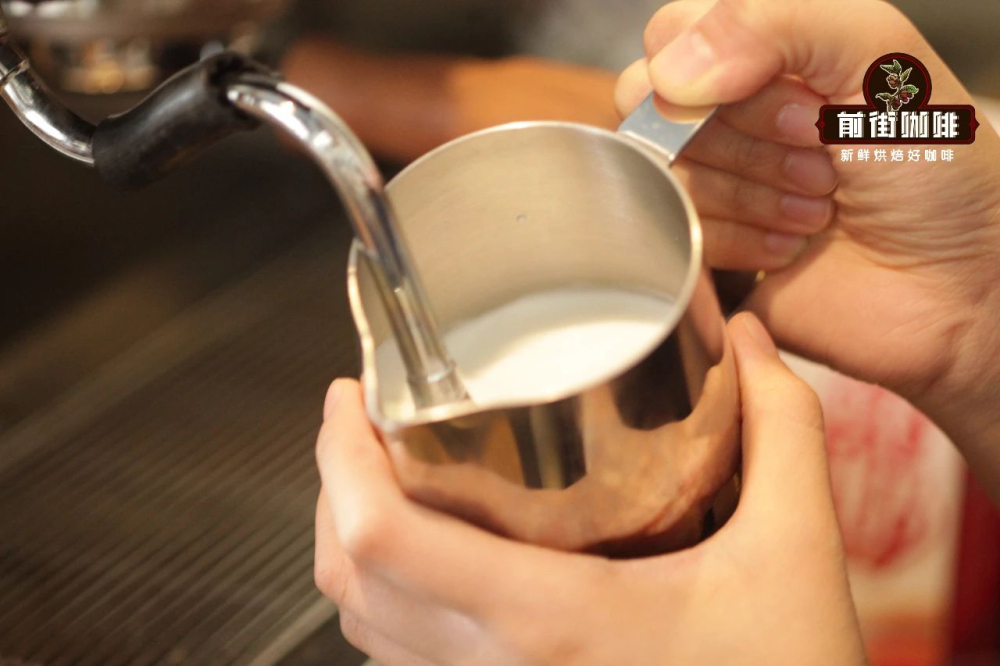
Milk frothing at this scale demands precision — smaller quantities are harder to texture. FrontStreet Coffee uses a 350ml pitcher filled with 100ml of milk. Piccolo foam is thinner than a flat white's, requiring less air incorporation and a shorter frothing time, at a foam thickness of about 0.3cm. Milk temperature is controlled between 55-60°C so the drink is never too hot. The milk should integrate with the Ristretto as evenly as possible, with latte art beginning when the cup is seven-tenths full. A piccolo tastes best consumed immediately.
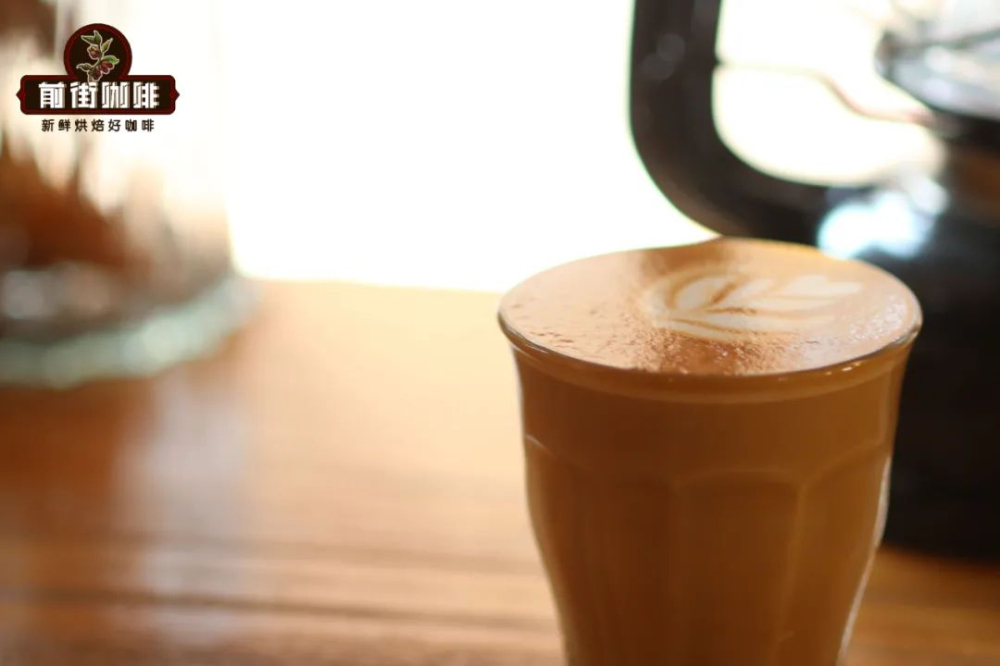
The finished piccolo presents aromas of vanilla, cream, chocolate milk, whiskey-laced chocolate, and the sweet tartness of berries. The coffee flavor is full-bodied, the milk smooth and fragrant, and the aftertaste remarkably long.
Why is the Piccolo So Unpopular Outside Australia?
Although it is as beloved in Australia as the flat white, the piccolo never got the same chance to reach the general public through a "big brand" like Starbucks. Many people still file it away as a "niche coffee." Moreover, in regions with strong coffee cultures like Europe and Australia, people typically visit cafés specifically for the coffee — order a piccolo, drink it, leave. Elsewhere, cafés lean more toward leisure — lingering, chatting, sipping slowly — so the piccolo does not quite fit the scene.
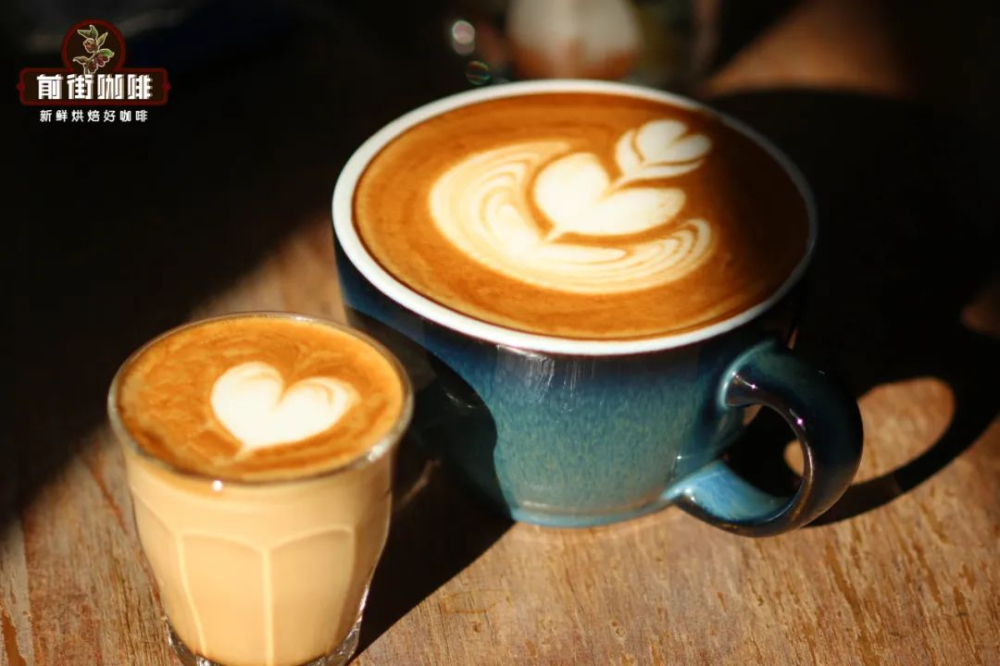
As the specialty coffee industry keeps growing, more shops now emphasize the regional flavors of single-origin beans and have introduced mini milk coffees like the piccolo to highlight aroma. Still, given the small portion, consumers will naturally pick the drink that offers more volume for the same price as a latte.
FrontStreet Coffee Recommendation
A great piccolo — or flat white — starts with beans that can stand up to milk, and the recipe always comes down to three points: less milk, thinner foam, stronger coffee flavor. FrontStreet Coffee's Classic Blend, with its butter-and-cheese richness, mellow low-acid body, and full, fine crema, is a superb home choice for milk drinks, while the FrontStreet Strawberry Candy espresso blend — bursting with grape and blueberry flavors and almost no bitterness — turns a flat white into something close to a strawberry milkshake. For the technique described above, the Sunflower Warm Sunshine Blend (70% Honduras Sherry, 30% Yirgacheffe Natural Red Cherry) delivers whiskey, vanilla, and cream wrapped around tropical fruit, exactly the profile the piccolo was made to show off. Remember the milk too: fresh, refrigerated milk with modest aeration — just 1-2 seconds of steam-tip air before spinning a whirlpool to 50-55°C — is what makes the crema and coffee flavor shine through that 0.3cm foam.
Important Notice :
FrontStreet Coffee is a long-established specialty coffee roaster in Guangzhou China, selling freshly roasted beans from its own farm in Yunnan as well as dozens of carefully selected single-origin beans from around the world for both pour-over and espresso. The products deliver consistently excellent quality and great value, with shipping within 24 hours. Guangzhou's FrontStreet Coffee shop is recommended by many coffee lovers, and the beans are now available online at the Tmall 。
FrontStreet Coffee has moved to a new address:
FrontStreet Coffee Address: 315,Donghua East Road,GuangZhou
Tel:020 38364473
 Scan and follow the En Gafei WeChat official account. Please indicate that the reprint comes from "En Gafei".