What is the Water-to-Coffee Ratio for Nicaraguan Finca Mamamina Natural Pacamara Pour-Over Coffee?
Ethiopia: The Birthplace of Coffee Culture
Most coffee lovers know that Ethiopia is where coffee was born, and that the country carries a deep, living coffee culture. The local devotion to coffee is famous worldwide: tiny coffee shops dot every street and alley, quietly reminding you that this is where it all began.
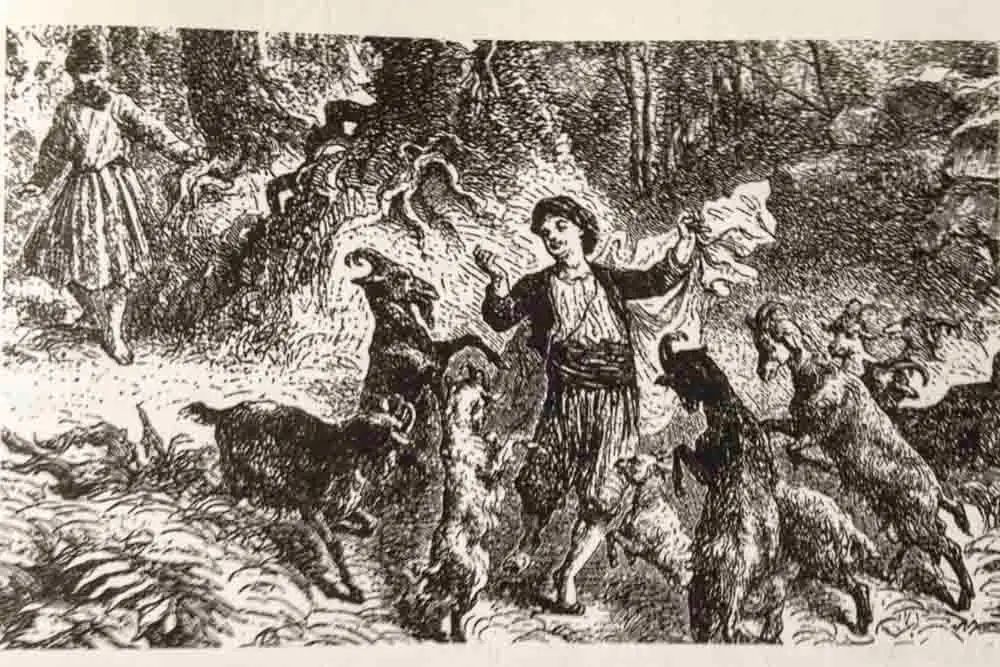
The Legend of the Shepherd and Coffee
Legend has it that on the Ethiopian highlands, a goatherd named Kaldi noticed his goats growing unusually frisky after eating certain wild red fruits. Curious, he picked some and tried them at home; he felt refreshed and energized afterward, and shared them with his village. As the story spread, coffee beans made their way to the Arabian Peninsula, where cultivation and trade slowly took root — the opening chapter of coffee's centuries-long journey around the world.
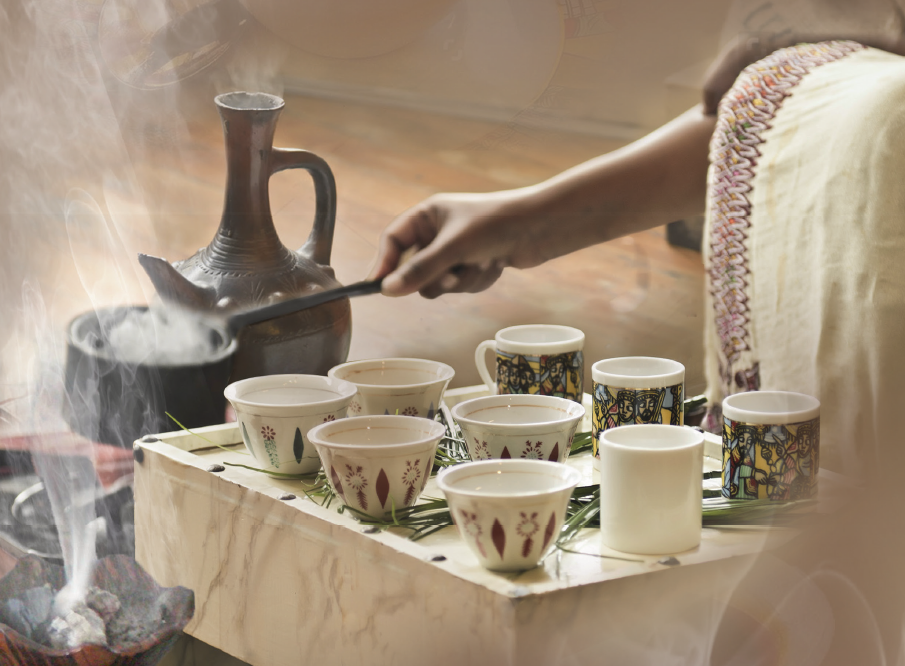
In the Ethiopian language, coffee is called "bunn" or "buna." Coffee's birthplace was Kaffa, so the drink is sometimes called "Kaffa bunn" — coffee from Kaffa. The English term "coffee bean" is widely thought to be an adaptation of "Kaffa bunn," and the word "coffee" itself traces back to the place name Kaffa. Here, coffee is closer to a cultural faith. Ethiopians have preserved the drink's original purity: they grind charcoal-roasted beans with primitive iron pestles, steep the powder in coffee pots, and let the brew slowly release its distinctive aroma, served alongside traditional bread.
Yirgacheffe: The Synonym of Ethiopian Specialty Coffee
Ethiopian coffee cultivation is concentrated in the west and south, with smallholder families accounting for 90% of all plantings — nearly 1.2 million families depend on coffee for their livelihood. Administratively, all 5 of Ethiopia's major states grow coffee, the most famous names being Harar, Yirgacheffe, and Sidamo. Yirgacheffe is a very small town, yet it produces thousands of tons of specialty coffee every year, a measure of just how significant it is.
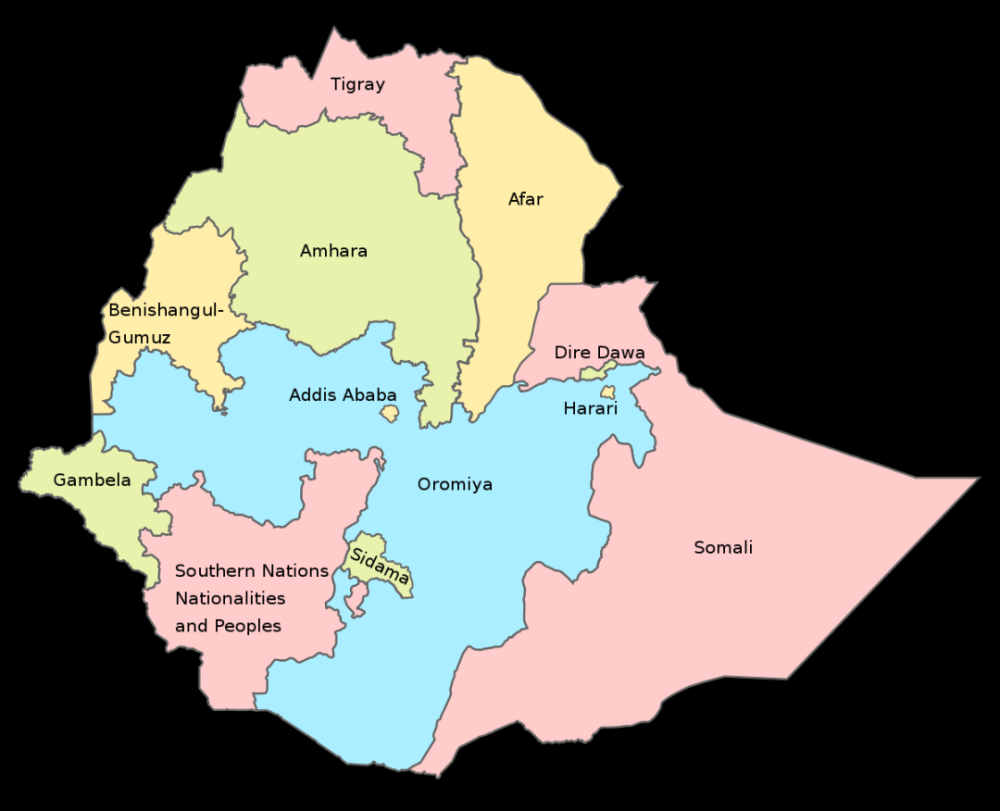
Ethiopia's production system takes four forms: forest coffee, semi-forest coffee, garden coffee, and large plantations. Garden coffee is the most common, with each household planting no less than 4 hectares. Because smallholder volumes are tiny, the countryside is threaded with cooperatives and processing stations of every size that handle the local green coffee. Farmers deliver their harvest to nearby mills built beside water sources for unified processing, and the coffee is then sold under the mill's name.
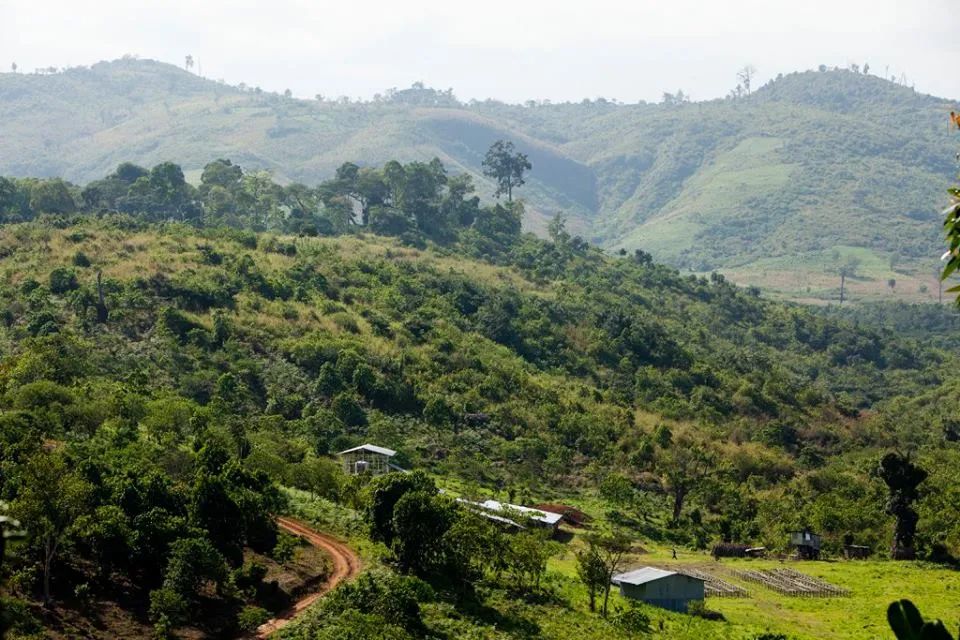
The Gedeb Cooperative was originally part of the Woka Cooperative under the Yirgacheffe Coffee Farmers Cooperative Union (YCFCU). But as buyers pushed harder for traceability, individual "single-origin" zones were picked off one by one by coffee hunters around the world — and in 2012, a production team of about 300 farmer members stood up the independent "Gedeb Cooperative." At FrontStreet Coffee, when customers ask for a fruity washed coffee, the baristas point straight at the Gedeb Cooperative lot on the bean shelf. Washed Gedeb has none of the heavy bitterness of traditional black coffee — instead it offers fresh, luminous citrus and lemon acidity wrapped in jasmine fragrance, and it has made more than a few enthusiasts fall in love at first sip.
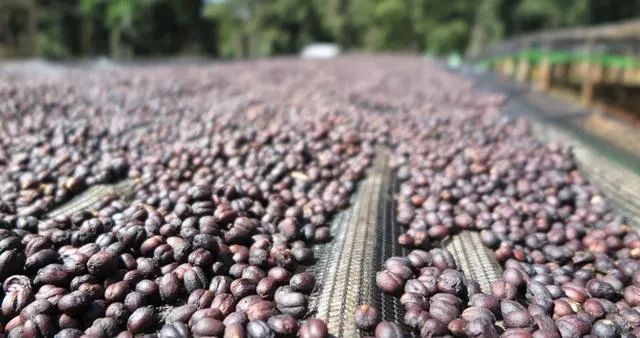
Traditionally, farmers simply laid coffee cherries on terraces or spread them on the ground to sun-dry until the fruit's moisture fell to about 12%, then sent them for hulling and packing. Coffee dried this way readily picks up earthy, over-fermented, or rotten-fruit flaws. To fix these sun-drying defects, Ethiopia imported washed processing from Central and South America. Washing allows defective beans to be removed at multiple steps, giving cleaner acidity in the cup and lifting Yirgacheffe's aromatics to another level.
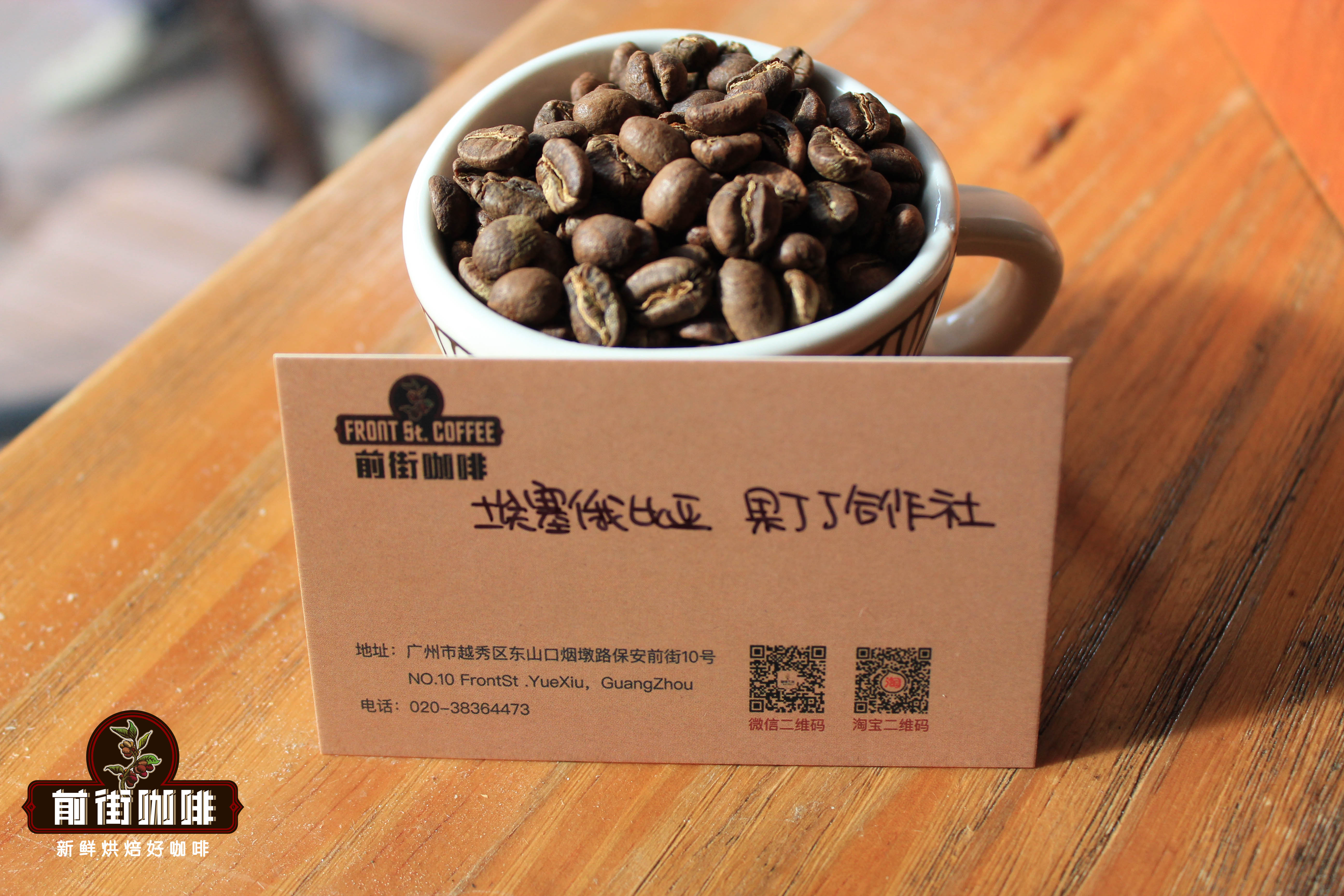
Gedeb Cooperative Coffee Hand-brew Flavor Description
FrontStreet Coffee sees Yirgacheffe first and foremost as a fruity, acidity-driven coffee, which is why it suits light roasts that spotlight that bright fruit acidity. As soon as a fresh batch comes off the roaster, FrontStreet cups and tastes it. The dry aroma of washed Gedeb Cooperative gives off fresh passion fruit, citrus, and berry; the wet aroma brings citrus and berry, and the cup opens with citrus acidity and berry sweetness, followed by almond and tea-like notes and a honey-sweet finish. The body is light, the acidity bright, clean, and refreshing.
Freshly roasted beans need a 4-7 day degassing period before they hit their flavor peak. The longer they sit, the faster the aromatics volatilize and the more the cup fades. To make sure every customer tastes coffee at its best, FrontStreet guarantees shipment within 5 days of roasting.
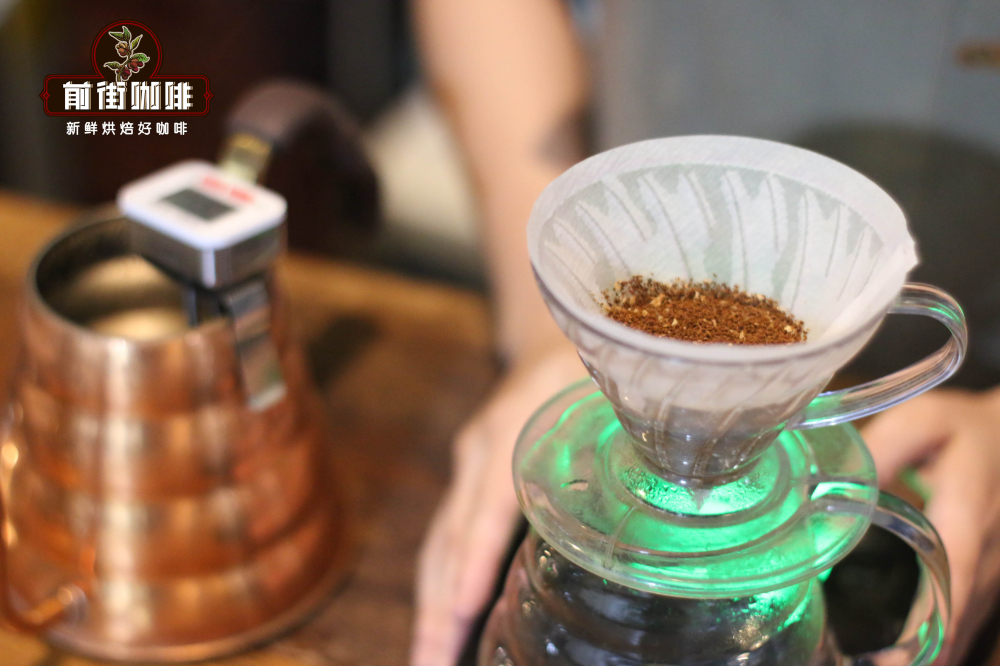
Because Yirgacheffe grows at high altitude and is roasted lightly, the beans' internal structure stays largely intact. To draw out the full aromatics, FrontStreet extracts with a relatively high water temperature and a finer grind size, using a V60 dripper. The V60's flow ribs run from top to bottom around a large central hole, which speeds drainage; the spiral rib design lengthens the water's path, increasing contact time between grounds and hot water. Every stream converges along the grooves toward the filter's center, concentrating pressure on the coffee bed and pulling out a brew with noticeably richer layers.
Yirgacheffe Brewing Parameters:
- Dripper: V60
- Water Temperature: 92-93°C
- Coffee Amount: 15g
- Coffee-to-Water Ratio: 1:15
- Grind Size: Fine caster-sugar size (78% retention on a #20 sieve)
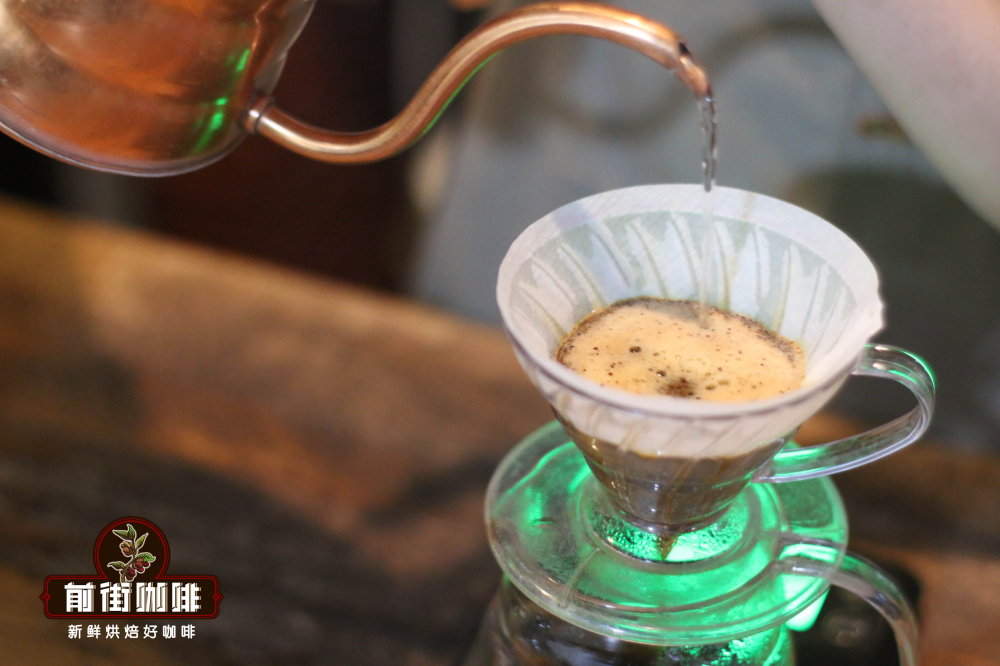
Pour 30g of water for a 30-second bloom, then add 95g more (about 125g total on the scale) over roughly 1 minute. When the water level drops to two-thirds of the coffee bed, add the remaining 100g (about 225g total), finishing the pour around 1'35". Extraction completes at 2'10", when you remove the dripper.
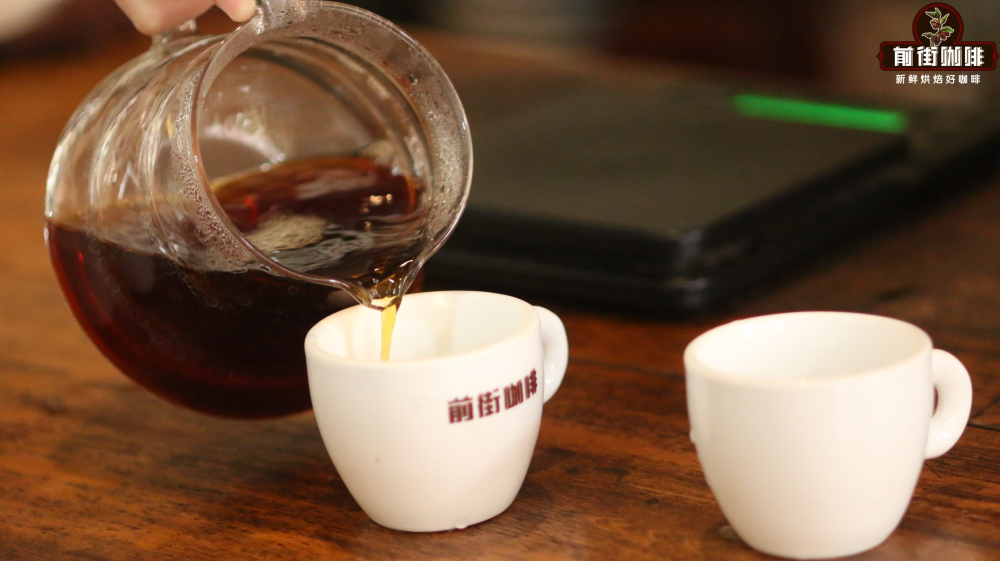
Washed Gedeb Cooperative flavor: jasmine, lemon, citrus, and green tea on entry. As the cup cools, berries, cream, and sugarcane surface in the aftertaste, closing on a pronounced sweetness and a clean, sweet finish.
FrontStreet Coffee Recommendation
Yirgacheffe itself is a small town in southern Ethiopia's Sidamo province, sitting between roughly 1,700 and 2,100 meters with coffee trees planted above 1,800 meters — one of the highest coffee regions on Earth. FrontStreet Coffee's washed Yirgacheffe house bean is the classic way in: white jasmine florals, bright citrus and lemon acidity, and a tea-like elegance that drinks like a clean, refreshing lemon tea. For a step up in traceability, the washed Gedeb (Gotinga) Cooperative lot — independent since 2012 with about 300 member farmers — offers the same citrus-lemon clarity and jasmine lift with an even more refined, luminous profile.
If naturals are more your style, FrontStreet's Red Cherry natural uses only fully ripe, defect-free cherries, sun-dried on raised beds for three to five weeks and turned every 2-3 hours at the start to prevent uneven drying and over-fermentation. Expect citrus acidity, berry juiciness, honeyed sweetness, and a creamy-smooth texture — classic Yirgacheffe wrapped in tropical fruit.
Important Notice :
FrontStreet Coffee is a long-established specialty coffee roaster in Guangzhou China, selling freshly roasted beans from its own farm in Yunnan as well as dozens of carefully selected single-origin beans from around the world for both pour-over and espresso. The products deliver consistently excellent quality and great value, with shipping within 24 hours. Guangzhou's FrontStreet Coffee shop is recommended by many coffee lovers, and the beans are now available online at the Tmall 。
FrontStreet Coffee has moved to a new address:
FrontStreet Coffee Address: 315,Donghua East Road,GuangZhou
Tel:020 38364473
 Scan and follow the En Gafei WeChat official account. Please indicate that the reprint comes from "En Gafei".