Characteristics of Kenya AA Grade Coffee Beans - Introduction to Washed AA Hand-Drip Flavor Profile
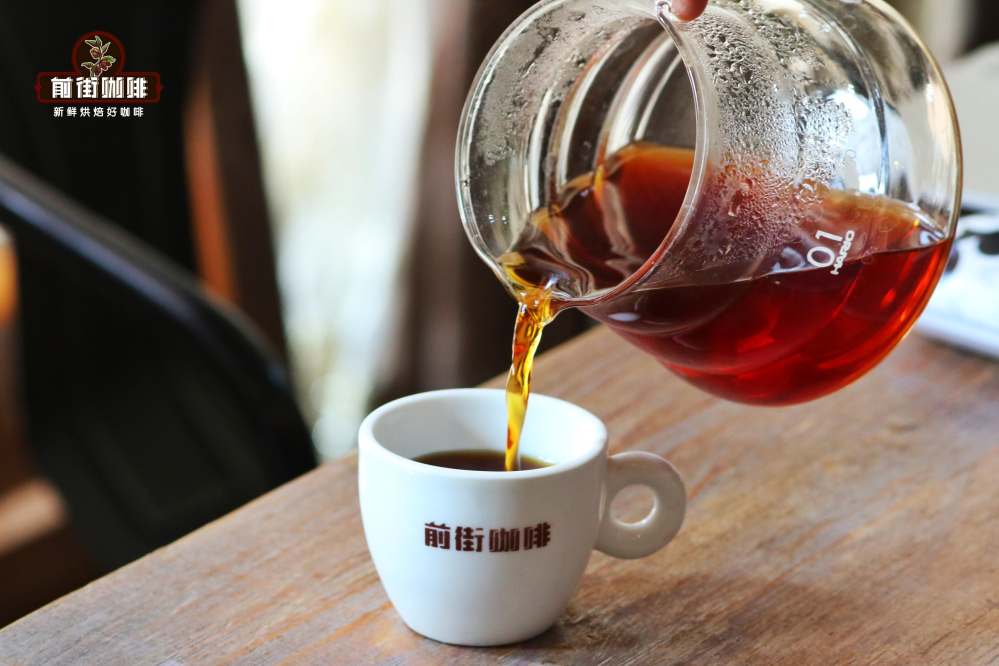
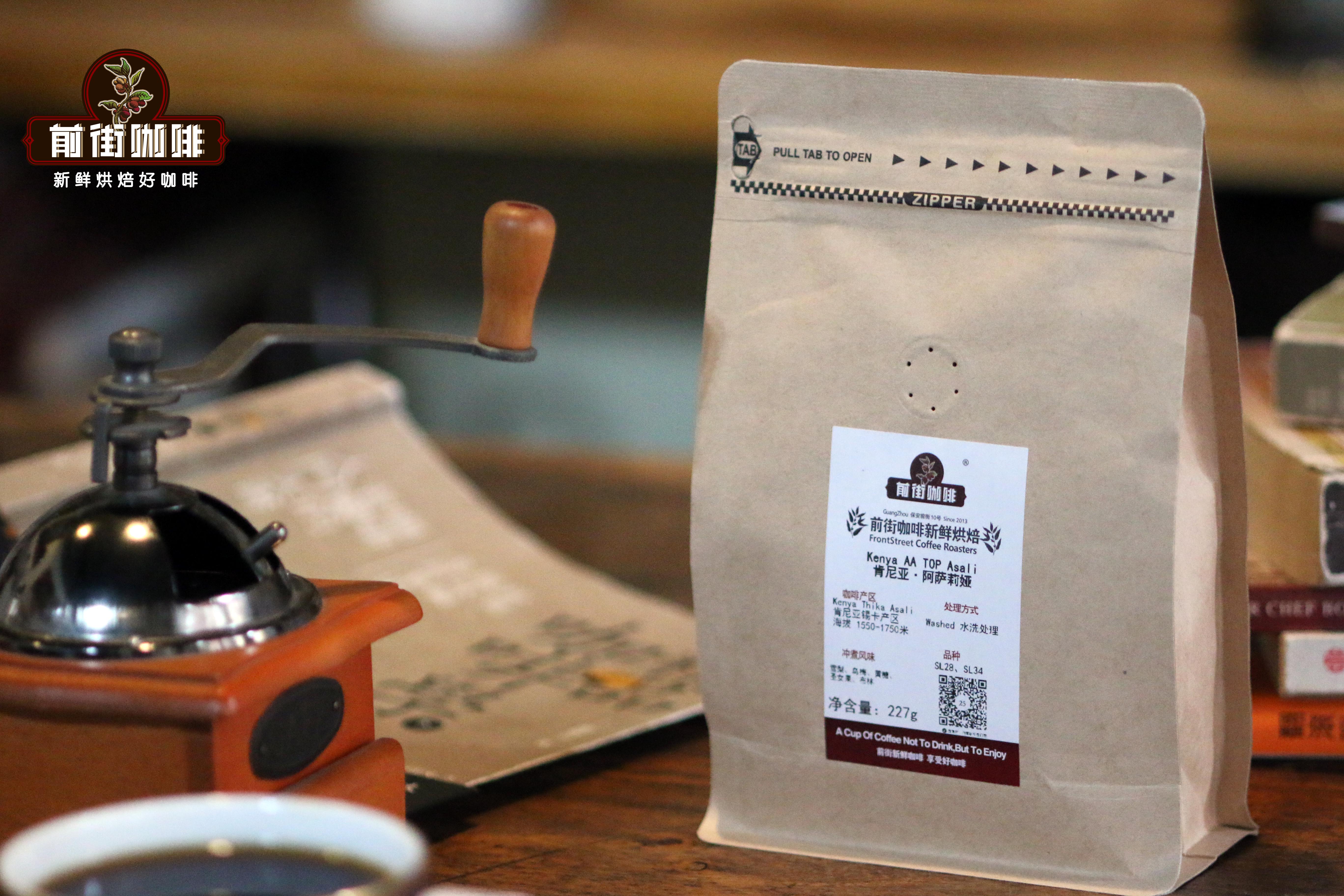
FrontStreet Coffee's Kenya coffee is defined by its vivid fruit character — particularly the prominent notes of cherry tomato and dark berries. A high-quality Kenyan coffee offers multi-layered flavors with juice-like acidity, complex grapefruit and wine aromas, and a moderate body, which is why it is a favorite single origin among many industry professionals. FrontStreet Coffee's house-roasted Assalia beans come from Kenya, selected at AA TOP grade and processed with the 72-hour washed method, delivering the quintessential "Kenya flavor."
Kenyan green coffee is classified and graded by size, color, shape, and density. Kenyan traders hold that bean size is the most critical quality factor, because larger, more uniform beans transform and accumulate aromatic compounds more effectively during roasting. The largest, best Kenyan beans are therefore graded Kenya AA, screened through holes larger than a quarter-inch in diameter, with particle sizes exceeding 18 mesh or 7.22 millimeters.
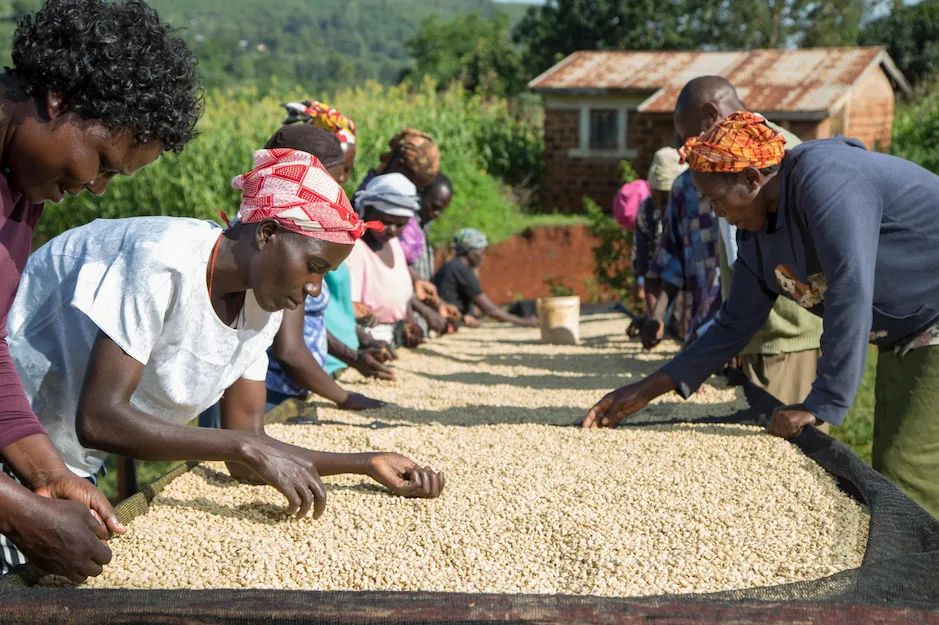
Although it borders Ethiopia, the birthplace of coffee, Kenya's coffee industry developed relatively late, with the first Kenyan beans harvested in the late nineteenth century. When coffee arrived, Kenya was still a British colony, and the colonial government promoted coffee cultivation widely to earn foreign exchange, shipping the harvest to London for export. It was not until 1933 that Kenya passed the Coffee Ordinance and established the Coffee Board, moving control of coffee sales back to Kenya. After independence in 1963, local farmers continued building their expertise over many years, developing their own high standards in variety selection, cultivation, harvesting, processing, and grading.
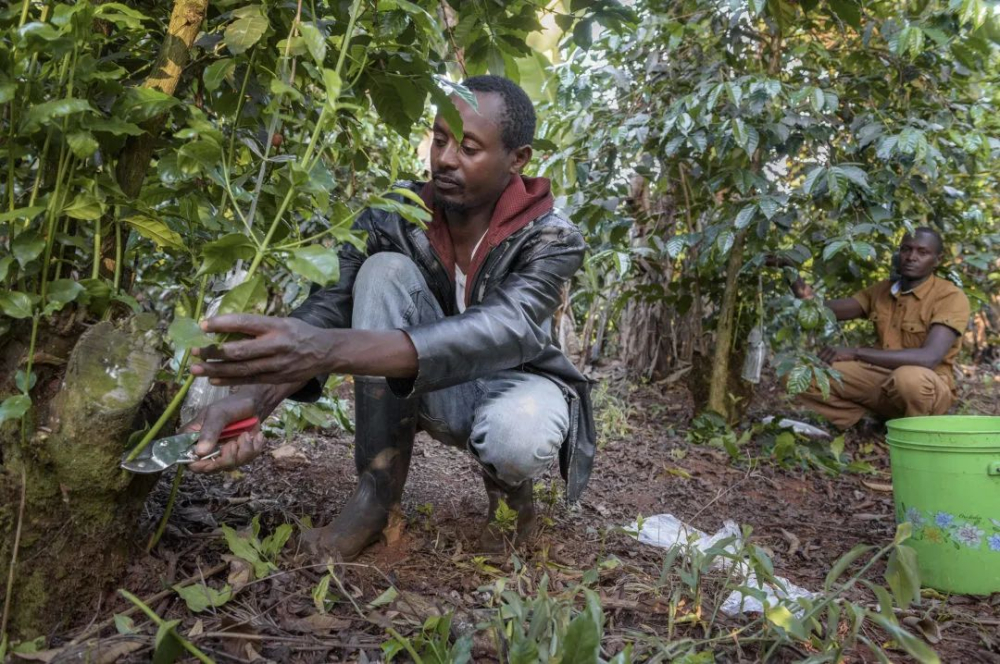
Straddling the equator, Kenya offers ideal microclimates for coffee in the highlands around Mount Kenya and the smaller areas near Mount Elgon. Deep, fertile volcanic soil and high-altitude, well-drained terrain suit the "delicate" Arabica tree perfectly. Kenya's soils are also more acidic, with pH values between 5.3 and 6.0, giving the coffee its bright, solid acidity. Annual rainfall runs between 1,000 and 2,000 millimeters, abundant and evenly spread across two distinct rainy seasons — a great benefit to the crops. Besides coffee, locals also grow tea.
The K72 Processing Method
The distinctive blackcurrant acidity of Kenyan coffee comes not only from the phosphate-rich local soil but also from Kenya's most famous technique, the K72 washed process. The biggest difference from processing in Central and South America is that Kenyan washing employs double fermentation — commonly known as K72.
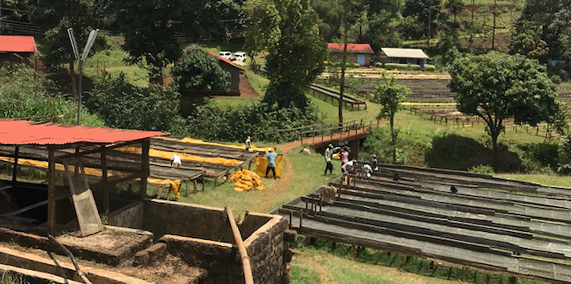
The method works as a repeating cycle of fermentation and washing. After harvest, the best cherries are selected, pulped, and fermented for 24 hours, then washed in clean water. They then undergo another 24-hour fermentation in fresh water, followed by another washing. This cycle is repeated 3 times, totaling 72 hours. FrontStreet Coffee finds that, compared with conventional washing, the K72 method further heightens both the acidity and the cleanliness of the beans.
Flavor Profile and Brewing
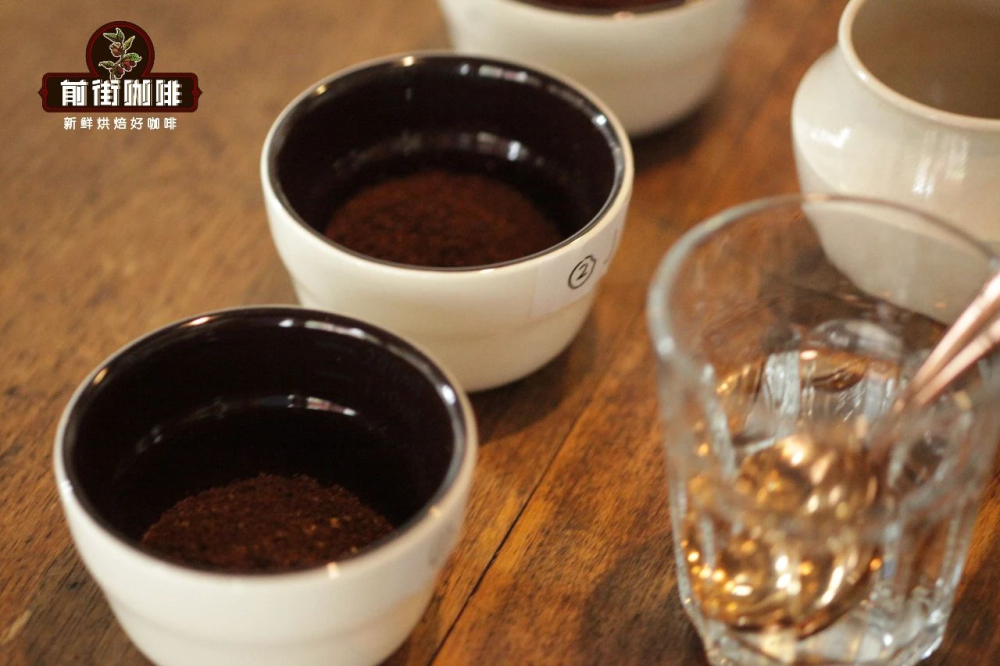
This FrontStreet Coffee Kenya shows flavors of dark berries and stone fruits. To preserve as much fruit character as possible, the roaster chose a light roast. In cupping, the dry aroma presents notes of cherry tomato, preserved plum, and caramel; on tasting, there are dark stone fruits — plum, prune, apricot — with saturated acidity. In brewing, too, FrontStreet Coffee strives to keep the fruity charm of this Kenya AA intact.
Pour-Over Parameters for FrontStreet Coffee Kenya Coffee Beans:
Filter: V60
Water Temperature: 92°C
Coffee Dose: 15g
Coffee-to-Water Ratio: 1:15
Grind Size: Fine sugar size (80% pass through #20 sieve)
Light roasts let high-altitude beans keep more of their floral and fruity aromas. Compared with medium-dark roasts, the internal structure of a light-roasted bean is more compact, so hotter water and a finer grind are needed to extract the flavor compounds properly. Here FrontStreet Coffee extracts with water at 92-93°C, and grinds to an 80% pass-through rate on a #20 standard sieve.
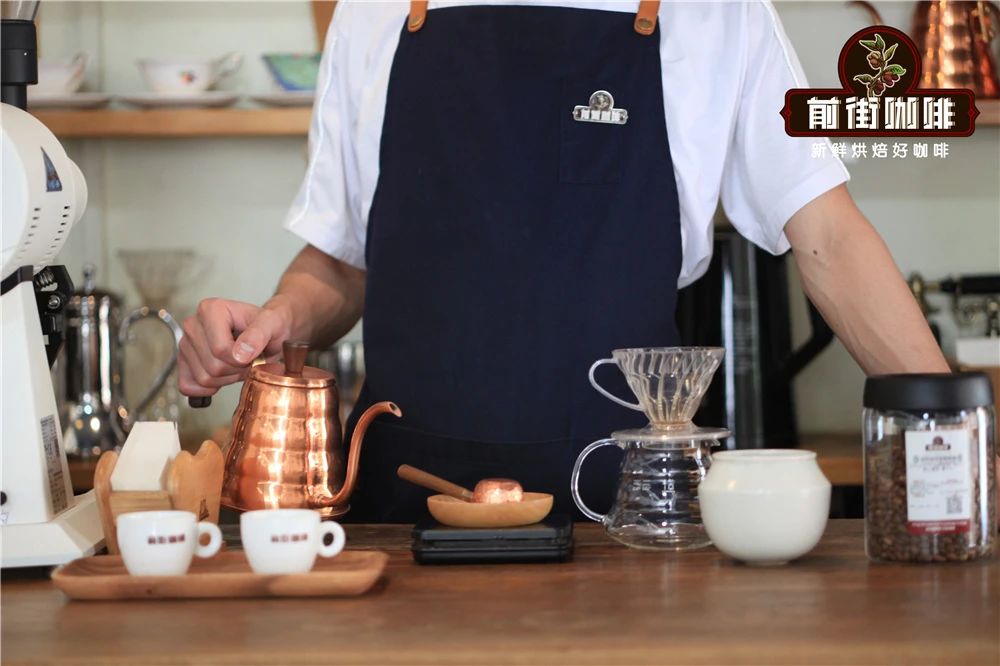
For the dripper, FrontStreet Coffee's baristas habitually reach for a plastic V60 when brewing light to medium roasts. The V60's ribs run from top to bottom and a single large hole sits at the center, which speeds up the water flow. The spiral grooves lengthen the water's path, increasing contact time between grounds and hot water; each stream converges along the grooves toward the center of the cone, concentrating pressure on the coffee bed and producing a cup with richer layers.
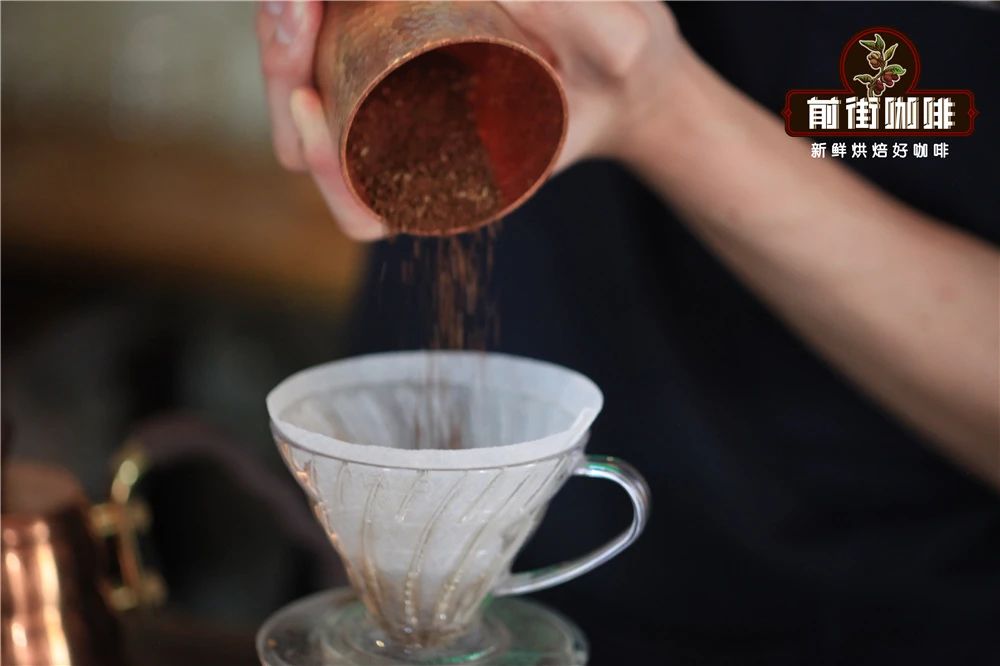
First, add 15 grams of ground coffee to the dripper and zero the scale. Start the timer and pour 30g of water for a 30-second bloom. Throughout the brew, use a small stream starting at the center and spiraling outward so the whole coffee bed is evenly wetted. For the second pour, open the stream slightly and inject 120g of water, aiming to lift the entire bed. Pour vertically and evenly; the scale should read 150g at roughly 55 seconds. When the liquid level drops to half, make the third pour of 90g with a small stream in gentle circles — a stream that is too large will scatter the bed and cause under-extraction. Total water comes to 240g, with the drawdown finishing around 2 minutes 10 seconds. Remove the dripper, swirl the coffee in the server to blend it evenly, and taste.
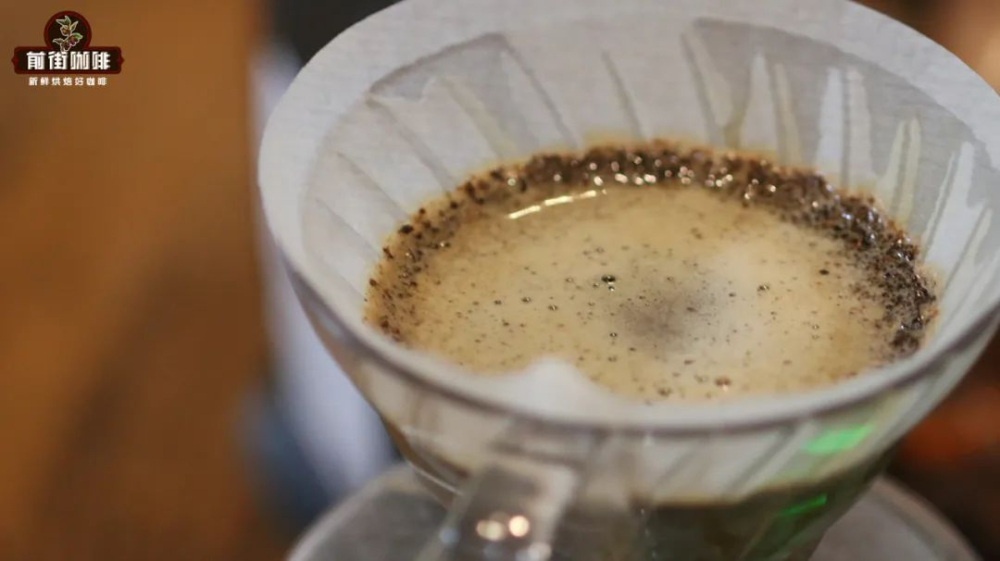
In the cup, this Kenya Assalia shows the bright acidity of black plum, preserved plum, and other dark fruits; at medium temperature it delivers a rich sweet-tart character of apricot and stone fruits, finishing with a smooth red tea aftertaste.
FrontStreet Coffee Recommendation
If you love the bright, washed character of this Kenya AA, FrontStreet Coffee's Washed Yirgacheffe is a natural next step. Yirgacheffe is a small town in southern Ethiopia with a spring-like, misty, cool and humid climate year-round, where thousands of coffee trees thrive. The washed process reveals crystal-clear jasmine florals and bright citrus acidity, with a light, elegant, tea-like body — like a refreshingly clean lemon tea.
For a slightly deeper exploration of washed Ethiopian coffee, try FrontStreet Coffee's Worka Gedeb (Guodingding) Cooperative lot. Guodingding is an independent cooperative in the Worka region at Yirgacheffe's southeastern edge, formed in 2012 by about 300 member farmers. Because the fruit is pulped before drying, the coffee's inherent character comes through with extra clarity: citrus and lemon tones with an elegant white floral aroma, bright and delicate throughout.
Important Notice :
FrontStreet Coffee is a long-established specialty coffee roaster in Guangzhou China, selling freshly roasted beans from its own farm in Yunnan as well as dozens of carefully selected single-origin beans from around the world for both pour-over and espresso. The products deliver consistently excellent quality and great value, with shipping within 24 hours. Guangzhou's FrontStreet Coffee shop is recommended by many coffee lovers, and the beans are now available online at the Tmall 。
FrontStreet Coffee has moved to a new address:
FrontStreet Coffee Address: 315,Donghua East Road,GuangZhou
Tel:020 38364473
 Scan and follow the En Gafei WeChat official account. Please indicate that the reprint comes from "En Gafei".