Arabica Coffee Bean Varieties: Does Blue Mountain Coffee Belong to the Arabica Variety and Pour-over Brewing Recommendations?
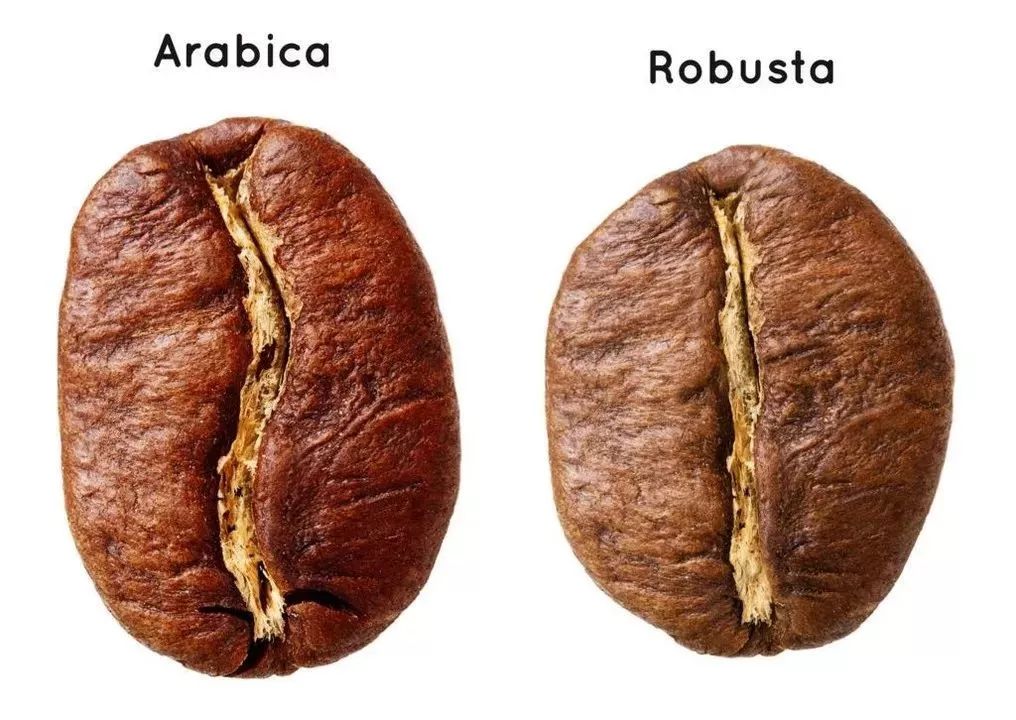
Arabica and Robusta are the two coffee species most of us know by name — and the two most widely cultivated commercial varieties in the world. Of the two, Arabica offers clearly superior flavor, which is why some shops make a point of labeling their beans "100% Arabica."
What Are Arabica Coffee Beans?
Arabica — also known as small-grained coffee — originates from the Ethiopian highlands. Thanks to its excellent flavor and quality, it is now cultivated widely and accounts for 70% of global coffee production. The varieties we hear about most often — Typica, Bourbon, Geisha, and others — are all members of the Arabica species.
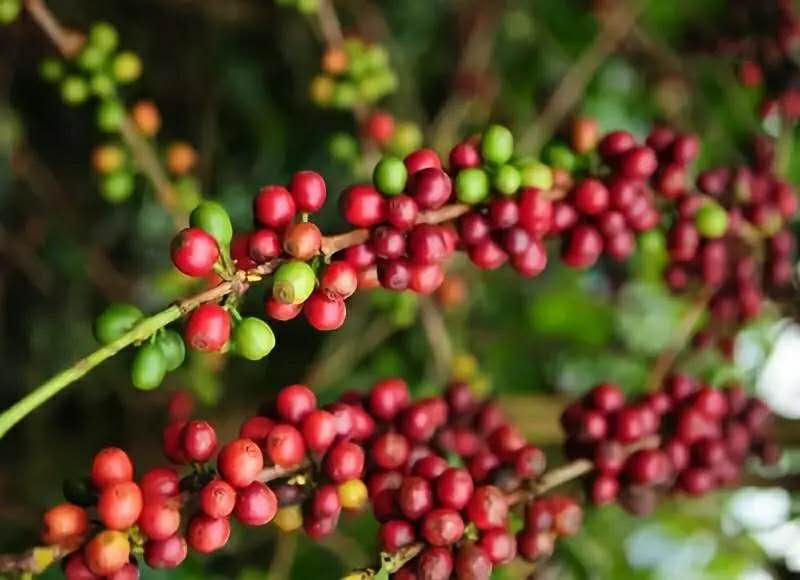
Arabica is highly sensitive to its growing environment, so the regions suited to it sit mostly in the coffee belt between the Tropics of Cancer and Capricorn, in mountainous terrain. Arabica requires altitudes of 800–2,000 meters, with quality improving the higher it's grown. It is the most widely distributed coffee species today, cultivated across Asia, Central and South America, and Africa. Ethiopia, Kenya, Panama, Colombia, and Brazil are all renowned Arabica producers.
What Variety Is Blue Mountain Coffee?
Jamaica Blue Mountain No. 1 enjoys worldwide fame — some prize its clean taste, others its chocolate notes. The Blue Mountain region has grown coffee since the 18th century and has consistently cultivated Typica (though in recent years Jamaica has imported Yirgacheffe and Panamanian Geisha varieties for research experiments). The authentic Blue Mountain No. 1 we can taste today is 100% Typica — and therefore, yes, entirely Arabica.
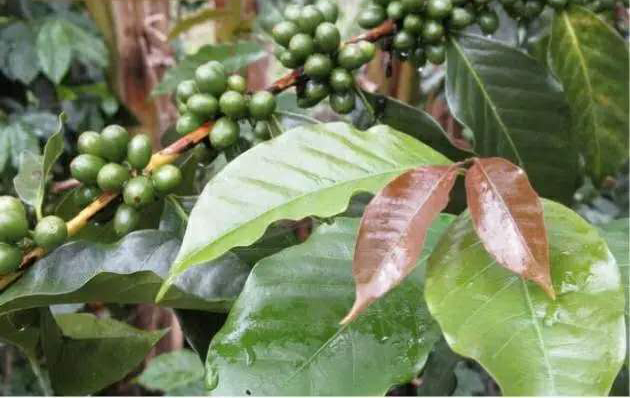
Typica is the oldest of the Arabica varieties. Its top leaves are bronze-colored, its smooth leaves long and oval, and the plant grows tall with slightly inclined branches. The flavor is elegant, but the tree is delicate, disease-resistant only poorly, and yields very little fruit per tree. Typica trees have long terminal branches with few side branches; the white flowers bloom at the base of the petioles where they join the branches. Ripe cherries turn a bright cherry-red, and the beans inside are oval or slender-pointed.
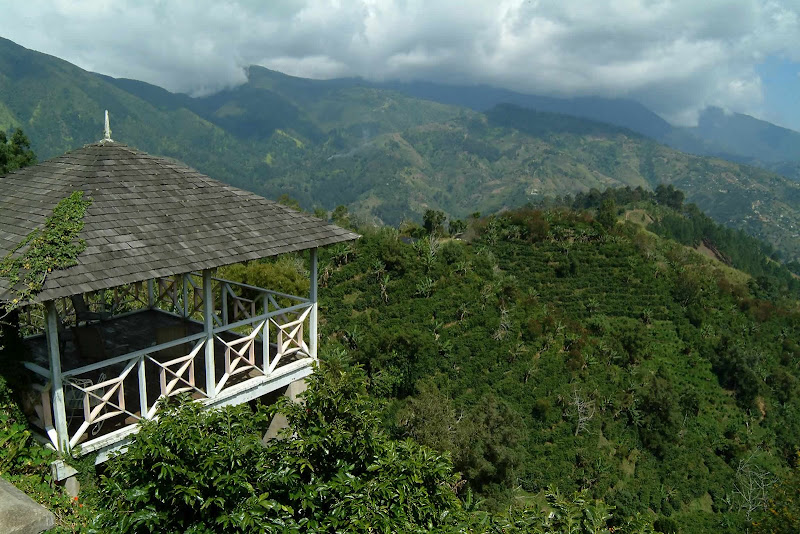
It is precisely because Blue Mountain has preserved a single, excellent variety that its flavor remains so clean and delicious. The Blue Mountains rise above the Caribbean Sea — on clear days, when sunlight strikes the azure water, the peaks glow blue, hence the name. The highest peak reaches 2,256 meters, the tallest in the Caribbean and a famous tourist destination. Located in the coffee belt, the region has fertile volcanic soil, fresh unpolluted air, and a humid climate with year-round fog and rain (average precipitation of 1,980mm, temperatures around 27°C) — ideal conditions for growing Typica.
Of course, if you see "Blue Mountain variety" beans grown in other producing countries, that refers to Typica introduced from the Blue Mountain region. As coffee trees adapt to local environments over time, they change: Sumatran Typica and Blue Mountain Typica, for example, differ slightly in appearance even though both are Typica.
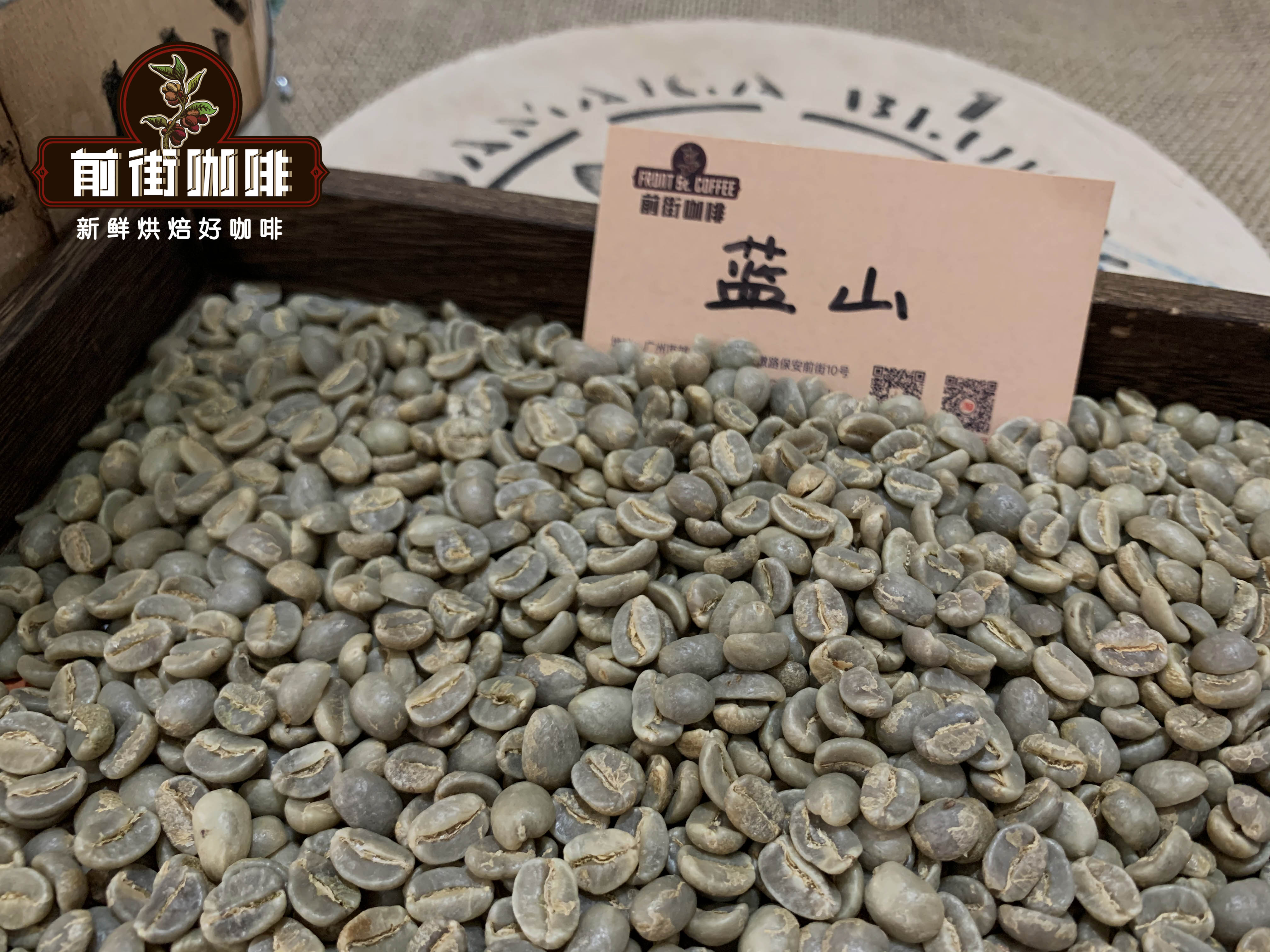
Jamaica is an island nation where Typica has been less influenced by other varieties, preserving the flavor of ancient Typica — and with Blue Mountain's fame on top, other countries that introduced Blue Mountain's Typica simply took to calling it the Blue Mountain variety.
FrontStreet Coffee's Blue Mountain Brewing Suggestions
Blue Mountain's clean, balanced taste makes it a natural fit for pour-over.
Coffee Amount: 15 grams
Coffee-to-Water Ratio: 1:15
Water Temperature: 88°C
Grind Size: 75% pass-through rate on a No. 20 standard sieve
Dripper: KONO dripper
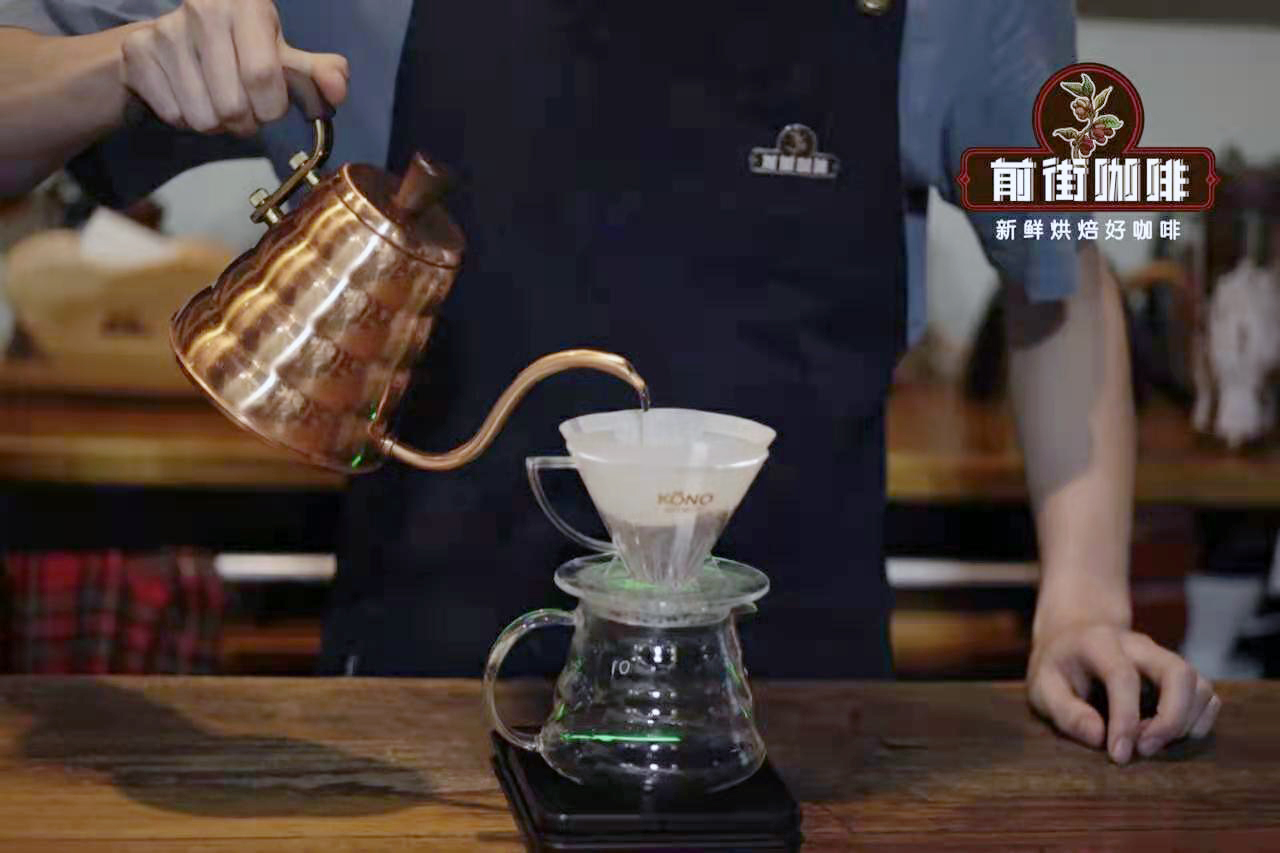
Brewing Method: Bloom with 30g of water for 30 seconds, then pour slowly in concentric circles from the center outward with a small stream up to 100g (130g total on the scale). Once the coffee bed drops to half, pour 65g with a larger stream to reach 195g total. Remove the dripper once all the coffee has flowed into the server. Total brew time: 1 minute 52 seconds.
Flavor: This method brings out Blue Mountain's clean taste with chocolate and nutty notes, achieving a perfect balance of acidity, sweetness, and bitterness.
FrontStreet Coffee Recommendation
If Blue Mountain's Typica lineage has you curious about other classic expressions of Arabica, Yirgacheffe is the natural next stop. Newcomers to Ethiopian coffee should start with FrontStreet Coffee's washed Yirgacheffe house lot — known for white jasmine florals, bright citrus and lemon acidity, and a tea-like finish, at a price that has made it many people's very first specialty bean. Yirgacheffe itself is a small town in Ethiopia's southern Sidamo province at roughly 1,700–2,100 meters, with coffee planted above 1,800 meters — among the highest growing zones in the world — and its instantly recognizable white florals and lemon-citrus acidity have become a byword for Ethiopian specialty coffee.
For a more traceable lot, FrontStreet Coffee's washed Guodingding cooperative comes from the Worka area at Yirgacheffe's southeastern edge, formerly part of the Yirgacheffe Union (YCFCU) and later dug out by coffee hunters worldwide as a "single-origin" micro-region. Using the most traditional washed processing, it has none of the traditional bitterness — just fresh, bright citrus and lemon acidity wrapped in jasmine fragrance that wins people over at first sip.
And for a natural-process take, FrontStreet Coffee's Red Cherry lot uses fully ripe, whole-cherry sun-drying: only completely mature, defect-free cherries are picked, first sorted at the station, then dried on raised beds and turned every 2–3 hours in the early days to prevent uneven fermentation. After three to five weeks of drying, the outer fruit is scraped off by machine depending on weather and temperature. Because the cherries dry with their fruit intact, the cup keeps classic Yirgacheffe character while gaining tropical fruit — citrus-like acidity, berry juice, honeyed sweetness, and a cream-smooth body.
Important Notice :
FrontStreet Coffee is a long-established specialty coffee roaster in Guangzhou China, selling freshly roasted beans from its own farm in Yunnan as well as dozens of carefully selected single-origin beans from around the world for both pour-over and espresso. The products deliver consistently excellent quality and great value, with shipping within 24 hours. Guangzhou's FrontStreet Coffee shop is recommended by many coffee lovers, and the beans are now available online at the Tmall 。
FrontStreet Coffee has moved to a new address:
FrontStreet Coffee Address: 315,Donghua East Road,GuangZhou
Tel:020 38364473
 Scan and follow the En Gafei WeChat official account. Please indicate that the reprint comes from "En Gafei".