Coffee Bean Roast Levels Dark Roast Coffee Beans Characteristics and Features
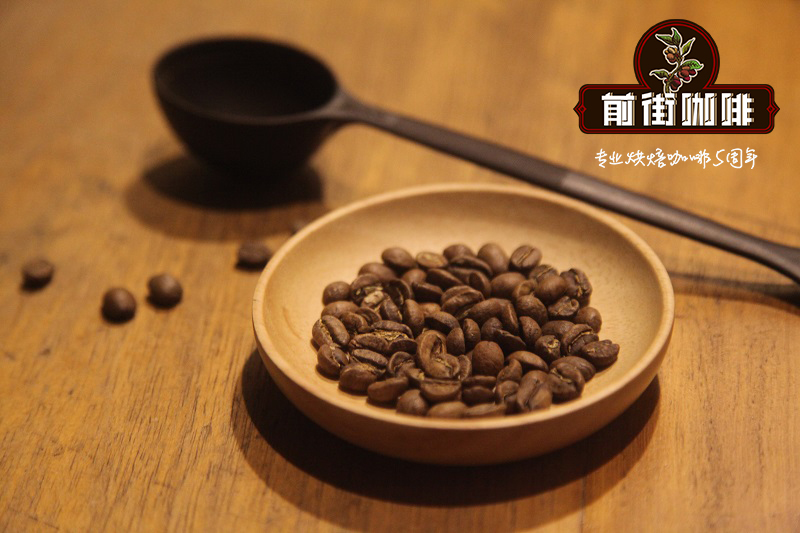
Characteristics of Dark Roast Coffee Beans
Coffee beans change constantly as they move through the roasting stages. As green beans absorb heat, their color shifts from green to yellow and their moisture begins to drop. Heat converts the water inside each bean to steam and builds up carbon dioxide; when the internal pressure reaches 25 bar, the first crack arrives - the distinctive popping sound that marks the roasting process.
Flavor Development: Longer Roasting Reduces Acidity and Builds Bitterness
After the drying phase, the beans turn exothermic and brown, shedding a layer of silver skin. Roasted beans grow to 1.5-2 times their original volume while losing at least 11% of their original weight.
Roasting on, the beans keep producing carbon dioxide until the second crack arrives.
The Dark Roast Stage
As the beans darken further they enter the medium-dark stage, by which point weight loss has reached roughly 22% of the original. After the second crack, pyrolysis pushes oils to the surface and the beans begin to carbonize, so the roaster must watch carefully to avoid burning them.
The longer the roast, the more acidity fades, the more bitterness grows, and the more aromatic compounds volatilize away.
In the final roasting stage nearly 800 flavor compounds have developed, and the coffee's character, acidity, sweetness, and body reach maturity. But roasting can also draw out undesirable flavors: toward the end, aromatics are destroyed and replaced by bitterness, acidity vanishes, and body thins out.
Well-judged roasting, by contrast, can highlight a bean's natural acidity. Roast heat breaks down the more than 40 types of chlorogenic acid in coffee into quinic acid and caffeic acid - both astringent compounds that can affect mouthfeel.
About FrontStreet Coffee
In short, FrontStreet Coffee is a coffee research studio devoted to sharing coffee knowledge openly and without reserve, to help more people fall in love with coffee.
FrontStreet Coffee Recommendation
In roasting, three elements decide a coffee's final flavor: acidity, sweetness, and bitterness. The darker the roast, the more bitter and full-bodied the cup; the lighter the roast, the more acidic and delicate. If a dark roast tips too far toward bitterness for your taste, medium-roasted beans are the sweet spot - balanced enough for almost anyone.
FrontStreet Coffee Brazil Queen Estate
If you dislike both sourness and harsh bitterness, go for FrontStreet Coffee's Queen Estate, grown in Brazil, the world's largest coffee-producing country. This distinctive Yellow Bourbon is quietly sweet after a medium roast, showing cream-and-peanut, chocolate, toast, and sugarcane aromatics. It brews beautifully as a pour-over and is equally at home in a Moka pot or espresso machine.
FrontStreet Coffee Strawberry Candy Geisha Blend
For a sweeter medium roast, try FrontStreet Coffee's Strawberry Candy, a blend built around fruit character. It combines a honey-processed coffee from Costa Rica with a washed Geisha from Panama, then roasts them medium to showcase the best of both: orange-blossom fragrance, honeyed depth, and a rounded sweetness. It suits cold brew, pour-over, and espresso alike, and the first sip is wonderfully refreshing.
FrontStreet Coffee 2013 Sun-Dried Typica
A flagship of Chinese specialty coffee, FrontStreet Coffee's 2013 Sun-Dried Typica carries the authentic character of Yunnan arabica. Roasted medium to preserve its balanced, gentle profile, it reveals soft notes of nuts, brown sugar, black tea, and dried apricot, works for pour-over, cold brew, or a drip machine, and offers outstanding value.
FrontStreet Coffee Jamaica Blue Mountain No.1
The variety planted in Jamaica's Blue Mountains is Typica, one of the world's great arabicas, and the region's exceptional geography underpins Blue Mountain's famous balance. FrontStreet Coffee's Blue Mountain No.1 is roasted medium so that its acidity, bitterness, sweetness, and body fuse into one elegant, inviting cup - chocolate, roasted nuts, cream, and caramel from the very first sip, a combination no other coffee can quite match.
Important Notice :
FrontStreet Coffee is a long-established specialty coffee roaster in Guangzhou China, selling freshly roasted beans from its own farm in Yunnan as well as dozens of carefully selected single-origin beans from around the world for both pour-over and espresso. The products deliver consistently excellent quality and great value, with shipping within 24 hours. Guangzhou's FrontStreet Coffee shop is recommended by many coffee lovers, and the beans are now available online at the Tmall 。
FrontStreet Coffee has moved to a new address:
FrontStreet Coffee Address: 315,Donghua East Road,GuangZhou
Tel:020 38364473
 Scan and follow the En Gafei WeChat official account. Please indicate that the reprint comes from "En Gafei".