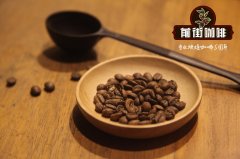
Introduction to Honduras Sherry Coffee Beans: Flavor Profile, Taste, and Brewing Parameters

The reputation of Honduras coffee beans has been rapidly increasing in recent years. FrontStreet Coffee believes this is not only related to the steady development and progress of the Honduran coffee industry, but more importantly, certain coffee varieties have gathered the attention of numerous coffee enthusiasts. The wildly popular FrontStreet Lychee Orchid and FrontStreet Sherry are representative works of FrontStreet Coffee's Honduras coffee beans. At FrontStreet Coffee's physical stores, you can often hear customers praising the beans with "Wow, your coffee beans are so fragrant!" This aroma truly comes from FrontStreet Coffee's signature technique - the Sunflower Warm Sunshine Espresso Blend.
Although FrontStreet Coffee has created four different espresso blends according to different needs, the store has been using the Sunflower Warm Sunshine Blend for three consecutive years. The reason is simple - it's different from other shops. The aroma is different: traditional espresso beans amplify the nutty aromas in coffee beans, while the Sunflower Warm Sunshine highlights fermented aromas, and if you smell carefully, you can detect faint floral notes from within. The flavor is different: chocolatey coffee aroma is what most coffee shops pursue, and when combined with milk, it makes a cup of coffee become "chocolate milk." But FrontStreet Coffee deliberately chose otherwise - we want customers to experience the uniqueness of coffee in espresso. The secret to the Sunflower Warm Sunshine Blend lies in FrontStreet Coffee's Honduras Sherry coffee beans.

This coffee, called FrontStreet Coffee's Honduras Sherry, comes from the Mocca Estate in the Marcala region of Honduras. It gains such explosive whiskey-like aroma through sherry whiskey barrel fermentation processing. This special processing method involves first delicately washing freshly harvested coffee cherries, then placing them in barrels for low-temperature fermentation for 30-40 days (at approximately 15-20 degrees Celsius), after which they are removed and shade-dried. This process creates an unforgettable whiskey flavor upon tasting, like a bite of liqueur chocolate from memory - sweet and silky, traveling from the tip of the tongue straight to the heart. Next, FrontStreet Coffee will briefly introduce the specific information about this coffee bean:
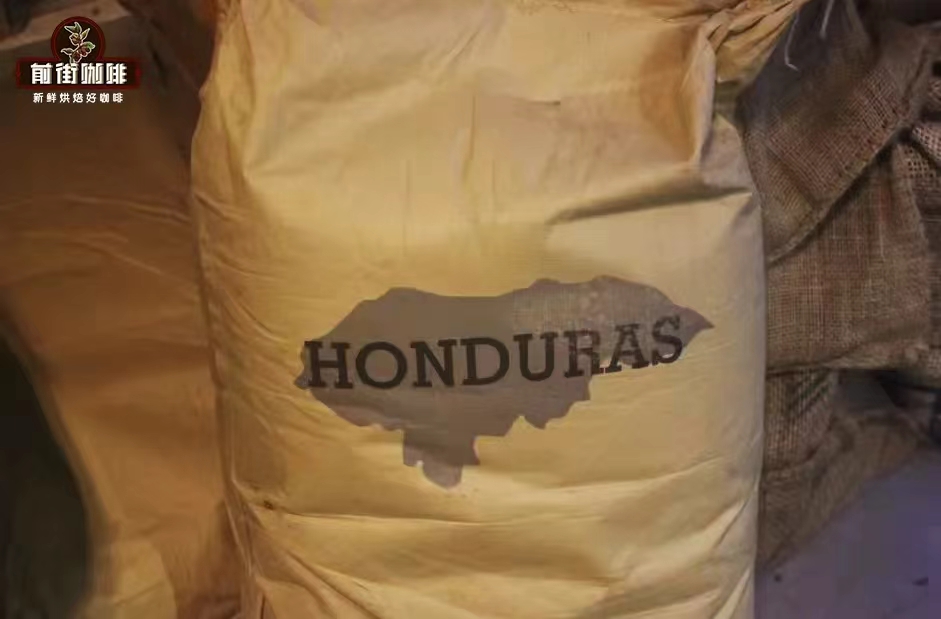
FrontStreet Coffee: Honduras Sherry Coffee Beans
Estate: Mocca Estate
Variety: Caturra, Catuai
Altitude: 1500m
Processing: Whiskey Barrel
Flavor: Honey, Vanilla Cream, Liqueur Chocolate, Whiskey Aroma
Starting with FrontStreet Coffee's Sherry coffee beans, today FrontStreet Coffee wants to talk with everyone about the producing country of this amazing coffee bean. Honduras is currently the largest coffee-producing country in Central America. However, according to FrontStreet Coffee's research, there is very little information available about Honduras coffee beans.
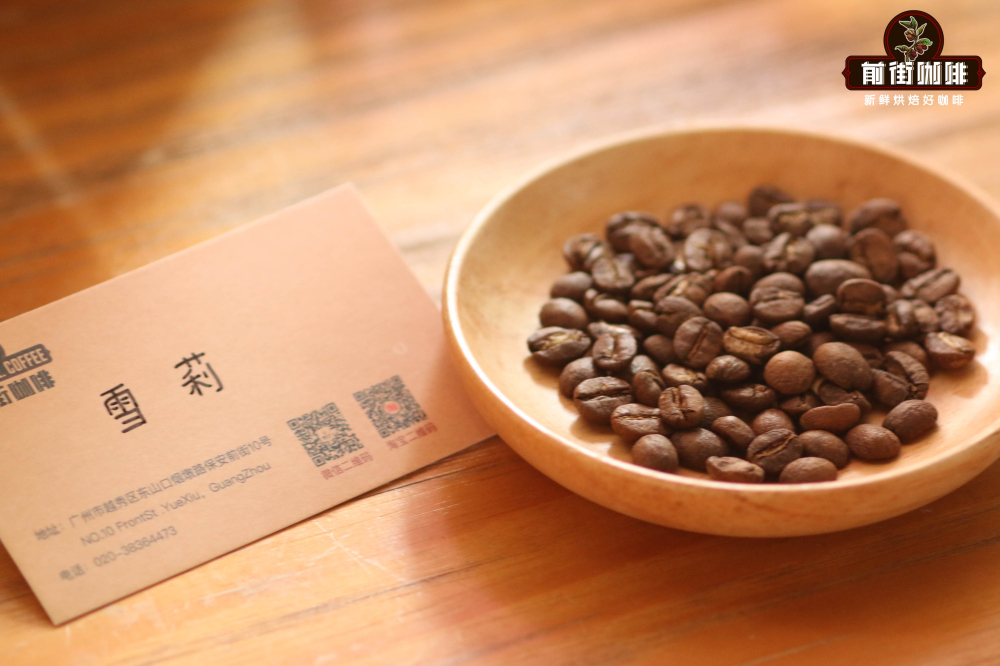
The earliest information about Honduras coffee quality that FrontStreet Coffee can find comes from documents in 1804, while large-scale exports from Honduras began in the 1970s, when the Honduran government recognized the potential of coffee as an economic crop. This further led to the establishment of the Honduras Coffee Institute, and at that time, the government also promoted the budding Honduran coffee industry through legislation. Over time, Honduras's coffee exports increased significantly. Although some setbacks occurred in the late 1990s, with natural disasters and a complete collapse in the coffee market causing a downturn in Honduras's coffee industry, by 2000, Honduras had successfully transformed to focus on high-quality coffee beans, organic agriculture, and fair trade practices.
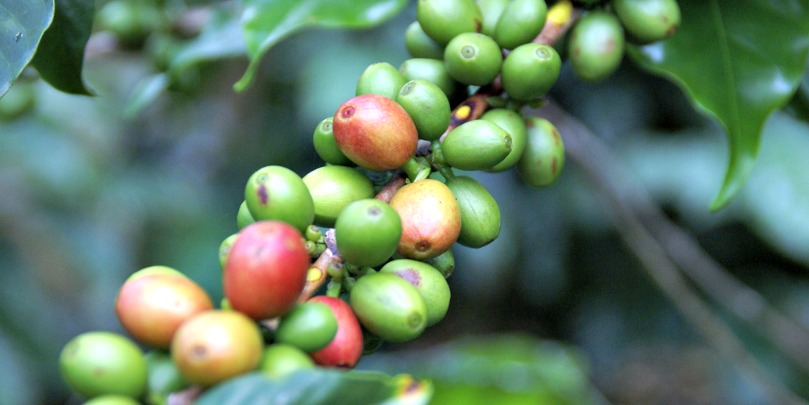
According to the Honduran Coffee Institute (IHCAFE), Honduras currently has six coffee-producing regions: Copan, Montecillos, Agalta, Opalaca, Comayagua, and El Paraiso. In Honduras, over 90% are small-scale coffee farmers. The majority of coffee produced in Honduras comes from 210 of the country's 298 municipalities and 15 of the 18 provinces, creating over 1 million jobs and accounting for approximately 38% of agricultural GDP.

Agalta:
Compared to other coffee-producing regions, Agalta is more inland, with a dry and humid climate. Coffee is grown along the Sierra de Agalta at altitudes ranging from 1,100m to 1,400m. The coffee cherry harvest runs from December to March.
Comayagua:
Similar to Agalta coffee beans, coffee from the Comayagua region is typically harvested during the December to March period, allowing coffee cherries more time to ferment sugars. Most coffee beans grow on the hills of Montana Los Comayagua, with altitude ranges from 1,000m to 1,500m.
Montecillos:
Also known as Cafe Marcala, coffee from the Montecillos highlands has a velvety body with sweet fruity notes and delicate acidity. Most Honduras Marcala coffee is strictly grown at altitudes of 1,200m - 1,600m, with the harvest season from December to April.
Opalaca:
High-yield coffee from the Opalaca region tends to have delicate acidity with sweet and citrus notes. These coffee beans are typically harvested at altitudes of 1,100m - 1,500m from November to February, allowing coffee cherries to mature evenly.
Copan:
This coffee-growing area is located near the Guatemalan border, at altitudes of 1,000m - 1,500m. It is known for its rich flavors and medium body, making it very suitable for espresso. These Honduras coffee beans are hand-picked during the November to March period.

El Paraiso:
Coffee from this region of Honduras is known for its complexity, with delicate acidity and a smooth mouthfeel. These beans grow at altitudes from 950m to 1,950m and are harvested from December to March. This Sherry coffee bean comes from Marcala, a municipality located in the Intibuca province of Honduras, situated in the southern part of the Jesus de Otoro valley, surrounded by mountains and hills primarily dedicated to coffee cultivation.
So what extraction method makes Honduras coffee taste better? FrontStreet Coffee believes that, like most coffees, different brewing methods will produce different coffee flavors. As mentioned earlier, FrontStreet Coffee includes the Honduras Sherry coffee beans in its espresso blends, but the Sherry actually sells very well as a single-origin coffee too. When served as a single-origin coffee, FrontStreet Coffee chooses to use medium roasting to best showcase the barrel fermentation aroma of the Sherry coffee without destroying the original floral notes and bright coffee acidity.

Buy a bag of FrontStreet Coffee's Sherry coffee beans, and FrontStreet Coffee will teach you how to brew it! As usual, let's start with the brewing parameters:
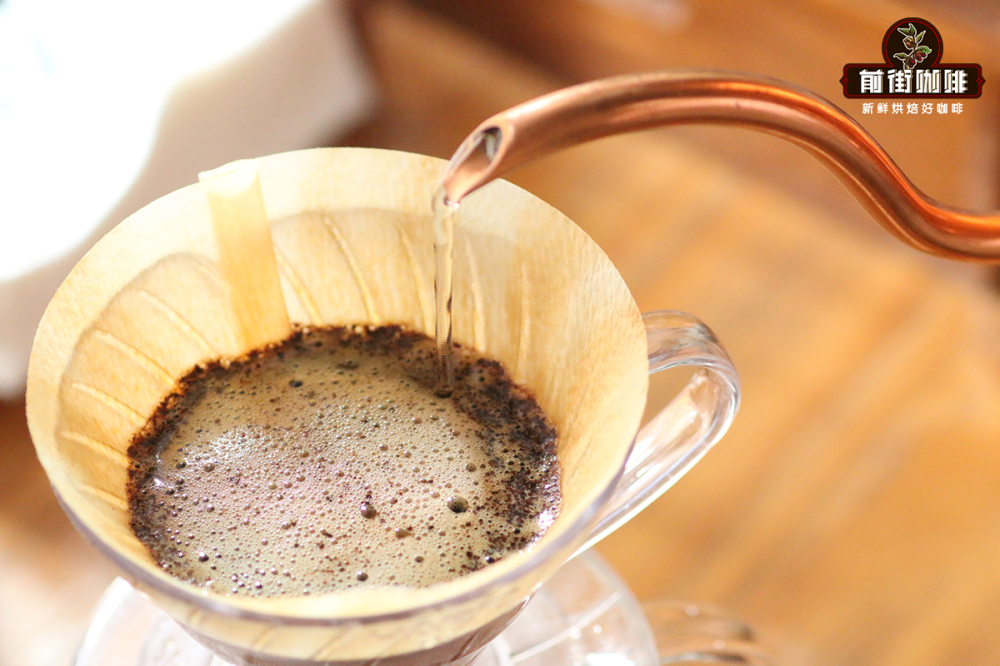
Brewing Parameters:
V60 Dripper
Water temperature: 91 degrees Celsius
Water-to-coffee ratio: 1:15
Coffee amount: 15g
Grind size: 78% pass-through rate on China #20 standard sieve (medium-fine)
FrontStreet Coffee recommends a medium-fine grind size (78% pass-through rate on the China standard #20 sieve), similar to the coarseness of fine sugar. Grinding too coarsely won't extract the rich, round flavor compounds, resulting in thin coffee; grinding too finely can easily lead to over-extraction at high water temperatures, resulting in bitter coffee. In terms of brewing ratio, FrontStreet Coffee believes 1:15 to 1:16 are both acceptable. If you want a richer mouthfeel, use 1:15; if you want to more clearly experience the floral sweetness, you can use 1:16 to allow the flavors to disperse more.
First, place the folded filter paper in the dripper to fit it snugly, then pour 15 grams of ground coffee into the dripper and zero the electronic scale.

For the first pour, inject 30g of water for a 30-second bloom. Start timing while pouring, using a small water stream injected from the center point and moving outward in circles, making sure to moisten the entire coffee bed.

After 30 seconds, begin the second pour with a slightly larger water stream, injecting 95g steadily. The purpose is to raise the entire coffee bed. The water column needs to be poured vertically and evenly. At this point, the timer scale should show 125g, and the pour should be completed at around 55 seconds.

When the liquid level drops to about halfway, start using a small water stream in small circles to inject the third pour of 100g. Try to control the water stream to not be too wide, as this can easily scatter the coffee bed and cause under-extraction. The final total water amount should be 225g, with the drip completion time around 2 minutes. After removing the dripper, shake the coffee liquid in the sharing pot evenly, and you can begin tasting.

The amount of water in each pour is not fixed. We can adjust it according to our accumulated pour-over experience and understanding of the coffee beans. FrontStreet Coffee understands coffee brewing as a scientifically-based experiment. To master pour-over brewing, we need to deeply understand the true meaning of each brewing parameter. This way, we can easily find experimental methods and establish a brewing framework that suits ourselves.
FrontStreet Coffee Recommendation
The Honduras Sherry at the heart of the Sunflower Warm Sunshine Blend is a wonderful single origin, but if your goal is milk-based coffee and latte art practice, FrontStreet's espresso blends are built for exactly that. The Classic Blend is a medium-dark three-origin recipe inspired by the old "Mamba" pairing of Mandheling and Brazil, with a small amount of Robusta for extra aroma and crema; it extracts with pronounced butter, toasted bread, and caramel biscuit aromas, a strong and solid body, fine crema, and very stable extraction - a must-have home coffee for beginners.
FrontStreet Coffee's Premium Blend pairs washed Colombian with semi-washed Brazilian beans. As espresso it shows nuts, dark chocolate, and caramel, and in milk it brings out smooth cream, almond, and cocoa aromas, with crema that easily matches cafe output - plenty for practicing latte art at home or in a shop. FrontStreet Coffee's Commercial Blend builds on the Premium recipe with a touch of Robusta, adding deeper brown crema and a heavier body so that Americanos, lattes, and mochas all carry nuts, cocoa, and caramel - and makes latte art genuinely easy.
Whichever you choose, keep the brewing discipline from the Sherry recipe above: a proper bloom, controlled pours, and a consistent grind will let the barrel-fermented aromatics of the Honduras Sherry shine through in both straight espresso and milk drinks.
Important Notice :
FrontStreet Coffee is a long-established specialty coffee roaster in Guangzhou China, selling freshly roasted beans from its own farm in Yunnan as well as dozens of carefully selected single-origin beans from around the world for both pour-over and espresso. The products deliver consistently excellent quality and great value, with shipping within 24 hours. Guangzhou's FrontStreet Coffee shop is recommended by many coffee lovers, and the beans are now available online at the Tmall 。
FrontStreet Coffee has moved to a new address:
FrontStreet Coffee Address: 315,Donghua East Road,GuangZhou
Tel:020 38364473
 Scan and follow the En Gafei WeChat official account. Please indicate that the reprint comes from "En Gafei".