What Are the Characteristics of Zimbabwe Coffee Beans? Zimbabwe Coffee Beans with Kenya-like Acidity and Aroma
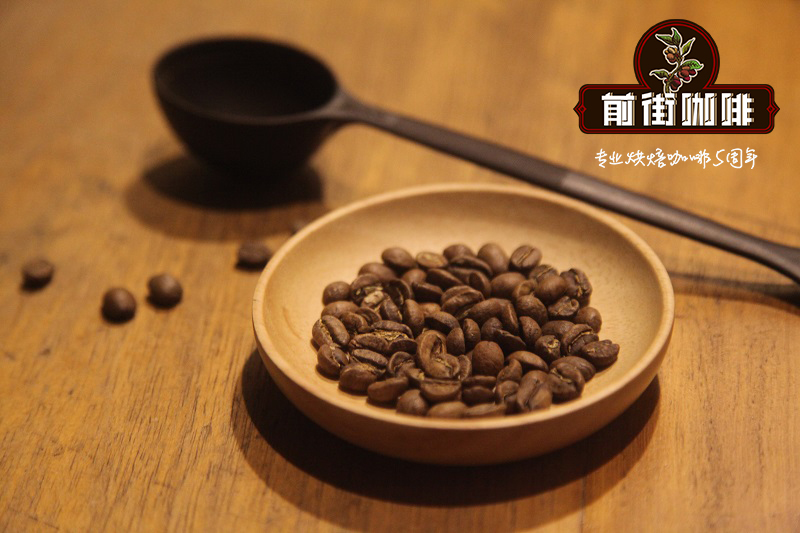
FrontStreet Coffee - Introduction to Zimbabwe Coffee
Zimbabwe is a landlocked country in southeastern Africa. Victoria Falls, the Zambezi River, the Kariba Dam on the upper Zambezi and the Lake Kariba it creates together form the country's northern border, next to Zambia.
The whole eastern border is shared with Mozambique, the southwest borders Botswana, and part of the southern border meets South Africa along the Limpopo River. The country covers roughly 391,000 square kilometers.
Coffee growing in Zimbabwe only began in the early 20th century, and around 1920 it was nearly wiped out by pest infestations. From 1950 onward, as coffee farmers from India and Kenya moved into the country, Zimbabwe gained the knowledge and skill to produce high-quality coffee. Large-scale cultivation only truly took off around the 1960s, when farmers across southern Africa established coffee plantations.
Zimbabwean coffee may be little heard of today, but the country once stood alongside major producers such as Brazil, Kenya and Ethiopia, turning out approximately 15,000 tons of high-quality beans. At its peak the industry employed more than 20,000 people, contributed over 2% of GDP and generated more than $54 million in foreign exchange. After 2000, political unrest and other factors sent Zimbabwe's coffee industry into a steep decline.
Coffee cultivation in Zimbabwe is comparatively recent, dating to the 1960s, when farmers in the region set up plantations. The acidity and fruitiness of Zimbabwean coffee recall Kenyan coffee, though it is more concentrated, with more pronounced wine-like flavors and aromas.
Zimbabwe's coffee-growing areas are concentrated in the Chimanimani Mountains of the northeast. This range sits near the Zimbabwe-Mozambique border, and Chipinge on the eastern plateau is especially famous. Pine Knoll, Papery and Laruche are among the few large farms, and of the well-known eight major farms, Pine Knoll is almost impossibly meticulous about selecting its beans.
FrontStreet Coffee's Mission
In brief, FrontStreet Coffee is a dedicated coffee research house that loves sharing coffee knowledge with everyone. We share without reservation, hoping more friends will fall in love with coffee. We also hold three heavily discounted coffee promotions each month, because FrontStreet Coffee wants more people to enjoy the best coffee at the lowest possible price. That has been our mission for the past six years.
FrontStreet Coffee Recommendation
Zimbabwean coffee leans toward a fuller, more concentrated cup with wine-like fruit, so drinkers who appreciate body and low acidity will feel at home with FrontStreet's Brazil Cerrado Red Bourbon. Cerrado is a celebrated Brazilian region for quality beans, and this Red Bourbon is roasted medium, showing creamy peanut, toasted bread, caramel and hazelnut with a round, barely acidic texture. It pours well by hand and also suits a moka pot, espresso SOE, siphon or French press.
For something a little sweeter, FrontStreet Brazil Queen's Manor stands out. Grown in Mogiana near South Minas on fertile red volcanic soil, it is a rare Yellow Bourbon with a cleaner fruit character and the sugarcane-like sweetness that is hard to find elsewhere, layered with fruit and chocolate. Either bean makes an easy introduction to the balanced, low-acid style that Brazilian coffee is known for.
Important Notice :
FrontStreet Coffee is a long-established specialty coffee roaster in Guangzhou China, selling freshly roasted beans from its own farm in Yunnan as well as dozens of carefully selected single-origin beans from around the world for both pour-over and espresso. The products deliver consistently excellent quality and great value, with shipping within 24 hours. Guangzhou's FrontStreet Coffee shop is recommended by many coffee lovers, and the beans are now available online at the Tmall 。
FrontStreet Coffee has moved to a new address:
FrontStreet Coffee Address: 315,Donghua East Road,GuangZhou
Tel:020 38364473
 Scan and follow the En Gafei WeChat official account. Please indicate that the reprint comes from "En Gafei".