What are the Characteristics of Ecuador's Coffee Regions? Are Ecuadorian Coffee Varieties Arabica?
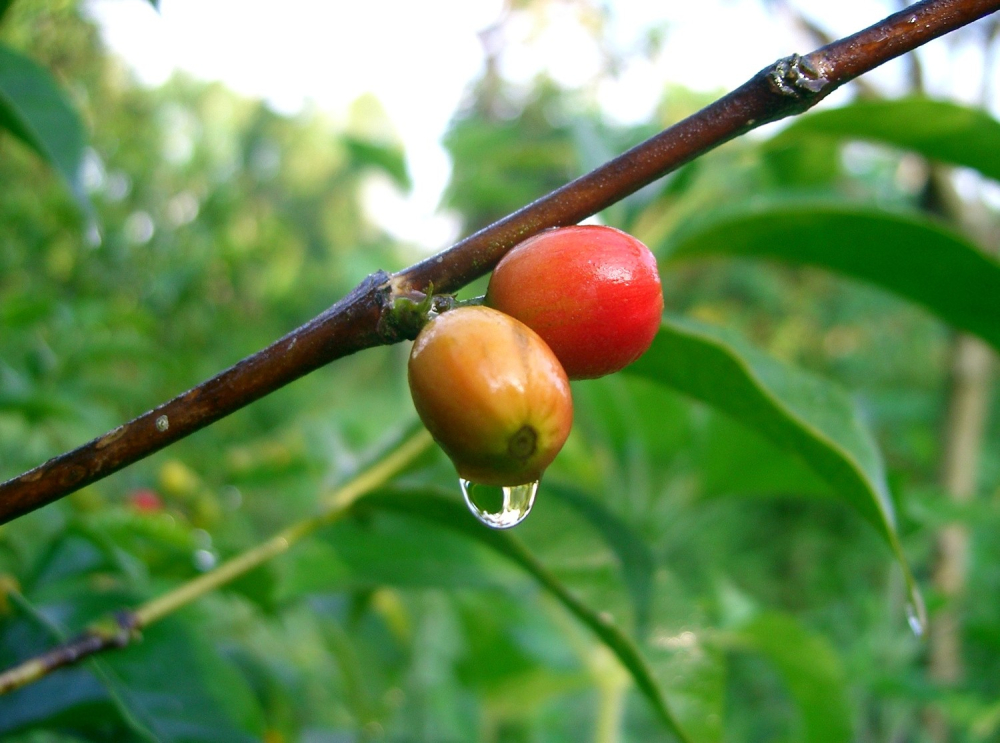
Ecuadorian coffee may not be familiar, but Ecuador is one of the few countries in South America that produces both Arabica and Robusta coffee. Located between Colombia and Peru in South America, Ecuador has a long history of coffee cultivation dating back to the early 19th century, spanning nearly two hundred years to this day. Arabica coffee was first introduced to Ecuador in 1952. Currently, Ecuador has 85,000 hectares of Arabica and 110,000 hectares of Robusta.
Ecuador carries a special title, "The Equatorial Country," because the equator crosses the entire country. In Ecuador, the Andes run north to south with numerous volcanoes, the most famous being the world's highest active volcano (altitude 5897m). In fact, Ecuador is the Spanish word for "equator." Because of its old, traditional harvesting and processing methods, Ecuadorian coffee is not listed among specialty coffees and is therefore rarely seen.
Ecuador faces the Pacific Ocean. About 900 kilometers west of its coast, near the equator at 90 degrees west longitude, lie the Galapagos Islands, also part of its territory and also known as Colon Island, which produce the famous Galapagos coffee. To protect the natural ecosystem, the Ecuadorian government has designated the islands a national park and prohibited chemical agents such as fertilizers and pesticides. Galapagos Islands coffee is therefore recognized as organic.
Galapagos Islands coffee has a relatively balanced, neutral flavor, moderate body, a noticeable but pleasant acidity, and a special aroma. Because it is rarely seen on the market, not many people discuss it.
Ecuadorian High Mountain Coffee Characteristics
Ecuador's high mountain coffee is grown at altitudes of roughly 1000-2000 meters, and coffees from different soils taste different. Its flavor is quite interesting, with some acidity and bitterness plus the aroma and sweetness of fruit, grass, and chocolate. For espresso and drip coffee, Ecuadorian high mountain coffee is an excellent choice, because you can taste its rich flavor.
Ecuador sits at the center of the world, which is why it is called the Equatorial Country. Ecuador's top coffee is also world-famous thanks to its superior location. From the capital, Quito, driving east for two hours reaches the tropical jungle, while driving west reaches the seaside. Ecuador is one of the most species-rich countries in the world, and its geographical diversity can be discovered in any direction.
Then there is the charming and unique Galapagos Islands. Ecuador lies in South America, bordering Colombia to the north and Peru to the south. The country covers approximately 284,000 square kilometers with a population of about 14 million. From the surprisingly smooth Galapagos coffee to the acidic, bitter high mountain coffee of Ecuador's LOJA region, to the relatively smooth Galapagos coffee blended with rich LOJA coffee, we have also introduced the Vilcabamba high mountain coffee grown at 1780 meters altitude, and finally the Loja Blend premium coffee with chocolate and fruit aromas, slightly bitter and acidic.
Ecuadorian Coffee Forest
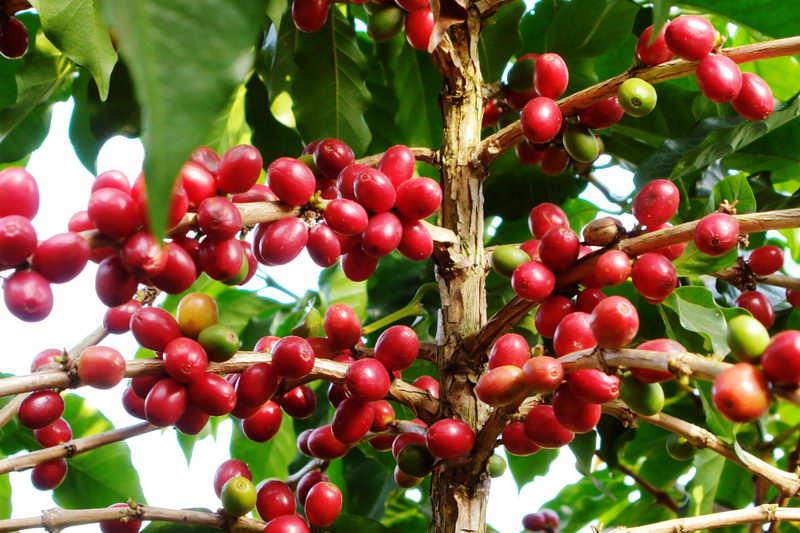
It is precisely because of its low latitude, high altitude, and volcanic ash soil, the essential conditions for growing specialty coffee, that Ecuadorian specialty coffee possesses all it needs to be good. Although it has a relatively short history as a coffee-producing region, it is recognized for its faint aroma, allowing one to enjoy nutty aromas and a gentle acidity. Ecuador lies on the equator, cultivating coffee in the mountainous regions of the Andes. The eastern side mainly grows the lower-priced Robusta variety, while the western side grows the higher-priced Arabica.
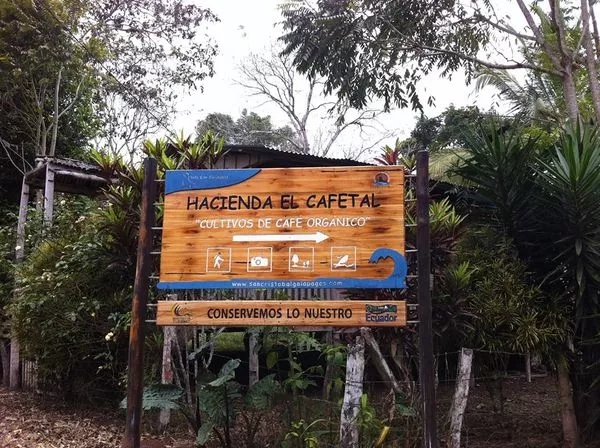
Ecuadorian coffee beans are uniform in size with nutty flavors, and their gentle acidity and mouthfeel are deeply charming. Relatively speaking, because the coffee lacks a prominent personality, it is mostly used in blends. Ecuador benefits from its diverse geography, ecosystems, and climate, allowing different varieties to be grown in different environments. Each single-origin Ecuadorian coffee has unique characteristics, and the special environment, soil, and climate are reflected in the coffee's aroma, acidity, purity, and taste.
Ecuadorian coffee beans come in two varieties, Galapagos and Gigante, both characterized by large grains and heavy weight. The main variety cultivated in Ecuador, however, is Bourbon. Like Typica, Bourbon is a relatively ancient variety.
Bourbon Variety
An early variant (pre-coffee history) of Typica after being transplanted to Yemen, Bourbon's bean shape changed from slender and pointed to round. In 1715, after the French transplanted round beans of Yemen Mocha to Bourbon Island on the east coast of Africa (renamed Reunion Island after the French Revolution), the variety was named Bourbon.
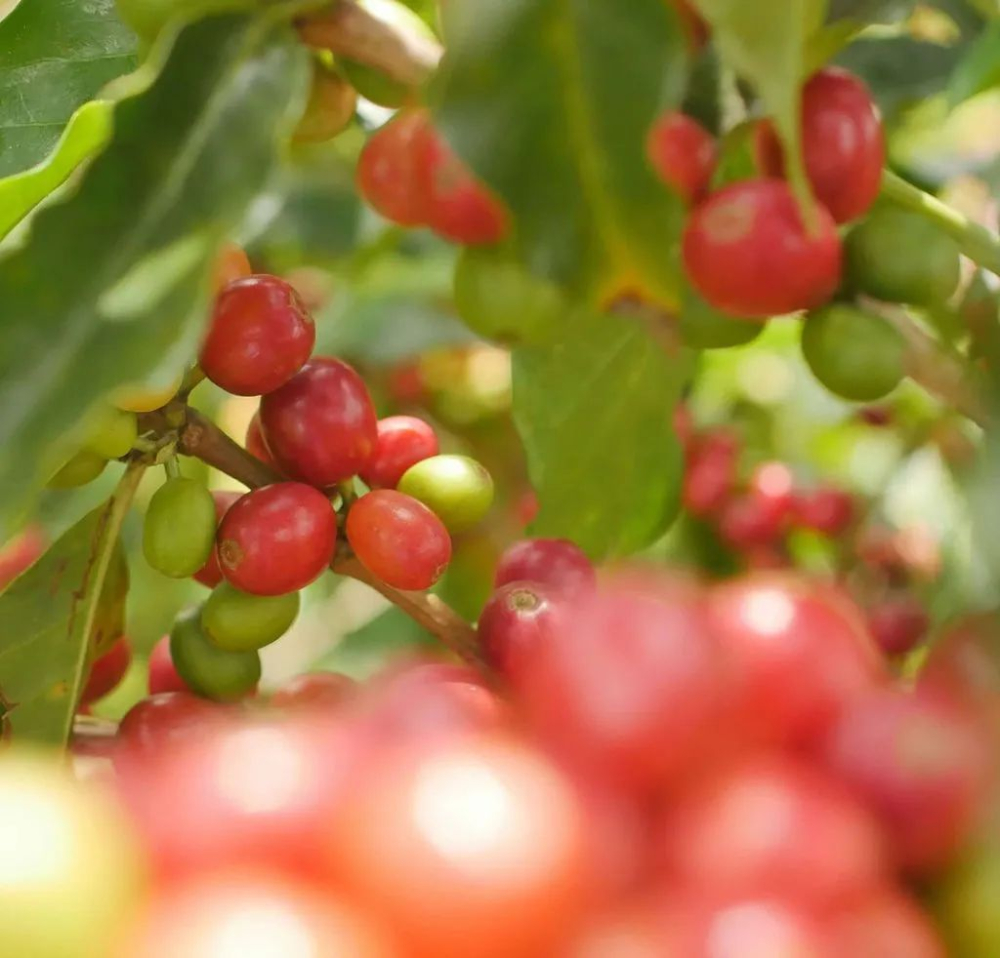
Round Bourbon beans made their way to Brazil and Central and South America in 1727. In 1732, the British also transplanted round beans of Yemen Mocha to St. Helena Island (later where Napoleon was imprisoned). Bourbon is often the champion in American specialty coffee cuppings. FrontStreet Coffee's daily coffee Brazil and single-origin Brazilian Queen are both Bourbon varieties.
Ecuadorian Coffee Growing Regions
Intag Valley
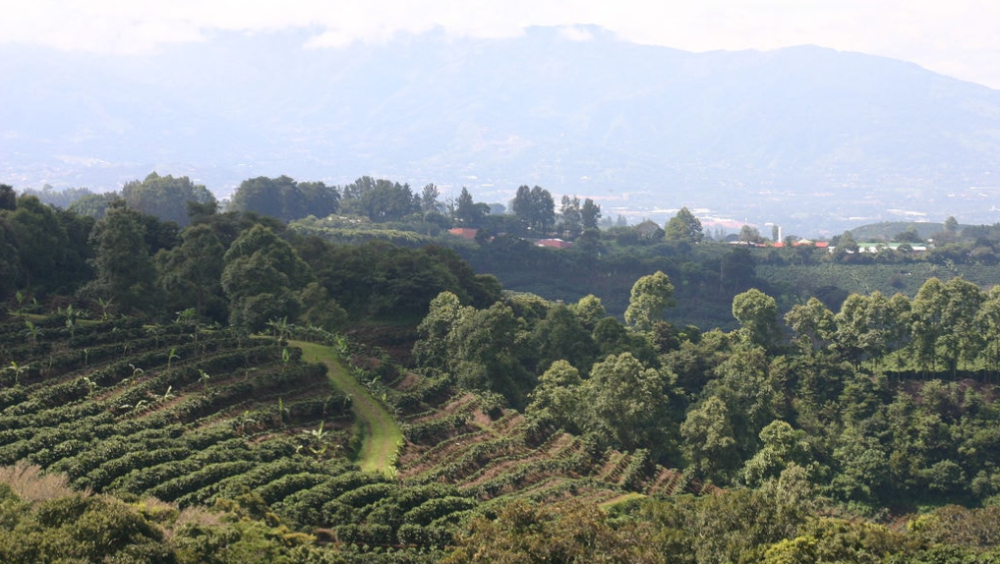
Located in the western foothills of the Andes south of Guayaquil and the hilly coastal areas of Manabí Province, this area is famous for growing Arabica beans with a perfect balance of acidity, sweetness, and bitterness.
Pichincha Province
Located in northwestern Ecuador, this region mainly grows Robusta coffee beans.
Loja Region
The Loja region lies in southern Ecuador, adjacent to the Andes, and is one of the highest coffee-growing regions in the world, at altitudes of 1450-2000 meters. It is also an important coffee-exporting city in the country. The variety here is Typica, processed by the washed method, mostly grown naturally under forest shade. The local high altitude, variable climate, and soil quality are well suited to coffee, offering many excellent conditions for cultivation.
Galapagos Islands
Located in Ecuadorian waters in South America, directly below the equator, this is a mysterious and charming island group. Many unique species found only here inhabit the Galapagos Islands, which UNESCO has declared a World Cultural and Natural Heritage site. The law therefore strictly prohibits importing or using fertilizers, herbicides, pesticides, or any other chemical products. Certified by OCIA and Rainforest Bird Protection as an organic shade-grown environment, combined with the islands' unique climatology, this creates an aromatic and rich mouthfeel. Galapagos coffee is like a pearl among specialty coffees, rarely precious yet possessing both floral aromas and rich body. Its sweet aftertaste of flowers and fruit is fully comparable to the famous Jamaican Blue Mountain and Hawaiian Kona coffees.

Coffee Bean Processing Methods
Ecuador's coffee processing method is mainly washed, which produces a cleaner-tasting coffee.
Bean selection → Pulp removal → Fermentation → Washing → Drying → Hulling
First, a large amount of water is added to the cherries to wash away immature fruit and impurities floating on the surface for bean selection, then a depulper removes the skin and pulp. Next, the beans go into fermentation tanks for 18-36 hours so fermentation bacteria dissolve the mucilage on the cherry surface. After cleaning with clear water, they are sun-dried for 1-3 weeks, then machine dried, and a huller removes the parchment, hull, seed coat, and silver skin, quite a tedious process.
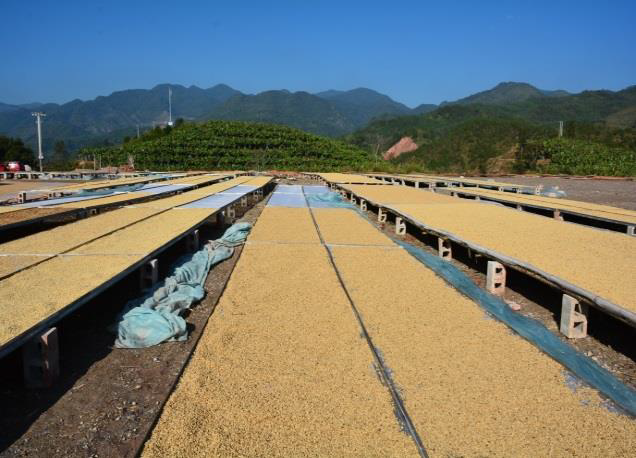
Ecuadorian coffee is juicy and complex, with some jam-like flavors, prominent sweetness, medium acidity, and notes of yellow fruit. This is a mixed flavor of drupe fruits such as peaches, apricots, and plums, low-acid fruits that still carry good acidity. Grown at very high altitudes, some good plots also show rich floral aromas. Ecuadorian coffee has excellent balance, comparable to any specialty coffee.
FrontStreet Coffee Brewing Recommendations
Whatever coffee you brew, the freshness of the beans matters greatly. FrontStreet Coffee has always believed that bean freshness strongly affects flavor, so FrontStreet Coffee ships beans roasted within 5 days. FrontStreet's roasting philosophy is "freshly roasted good coffee," ensuring every customer who places an order receives the freshest coffee on arrival. The resting period is about 4-7 days, so customers receive it at peak flavor.
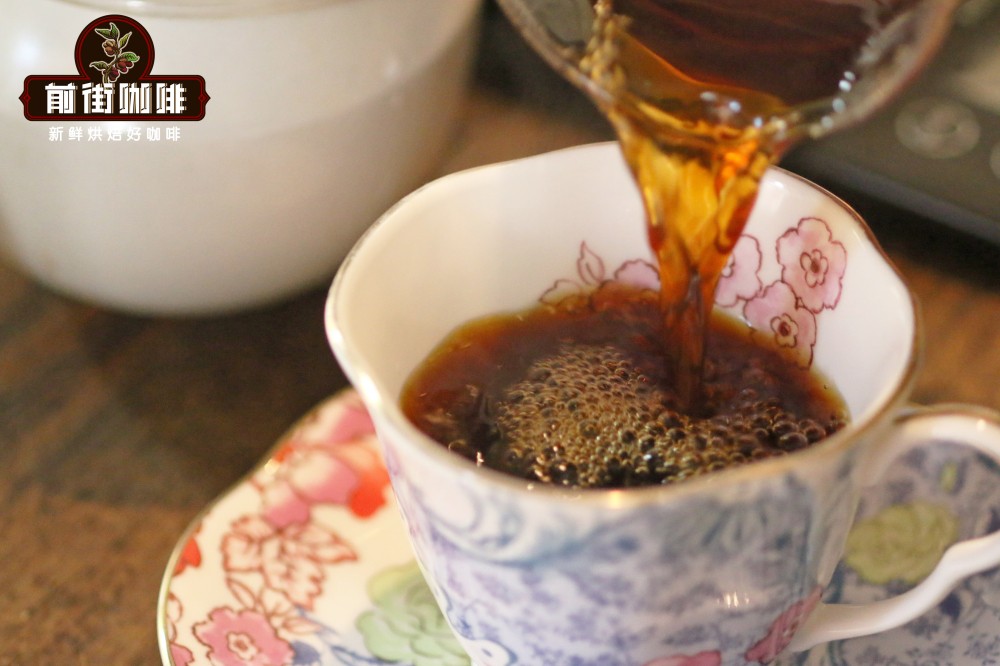
For those who need ground coffee, FrontStreet Coffee kindly reminds you: if the beans are ground in advance, no resting period is needed, because during transport the pressure from carbon dioxide buildup in the packaging also smooths the flavor, so you can brew a cup immediately on receiving ground coffee. Ground coffee must be brewed promptly, however, because it oxidizes relatively quickly in the air, meaning the flavor dissipates quickly and the coffee will not taste as good. FrontStreet Coffee therefore recommends buying whole beans and grinding fresh for each brew to better appreciate the coffee's flavor.
FrontStreet Coffee Recommendation
Ecuador's balanced, nutty, gently acidic profile has a lot in common with Colombia's, so if you enjoy that style, FrontStreet Colombia Huila is a fine next step. Huila, in the southern Central Cordillera, is the country's most famous specialty coffee region: a hilly, mountain-ringed area planted above 1,500 meters where Colombia's most important rivers converge, bringing abundant water and humidity. Roasted medium-dark, this washed Huila emphasizes sweet black chocolate and nut notes with moderate oils and a full body, suited to pour-over, French press, moka pot, and espresso for Americano or latte.
For a bolder, more modern expression, FrontStreet Colombia Diviso Sidra is processed as an anaerobic natural, a low-oxygen fermentation in a pressure-resistant tank where temperature, time, and pH are controlled. The anaerobic stage converts more tropical fruit aroma into the bean, and a medium-light roast brings out complex passion fruit, grape, apricot, and dried-fruit notes in pour-over, cold brew, drip bags, and moka pot.
Important Notice :
FrontStreet Coffee is a long-established specialty coffee roaster in Guangzhou China, selling freshly roasted beans from its own farm in Yunnan as well as dozens of carefully selected single-origin beans from around the world for both pour-over and espresso. The products deliver consistently excellent quality and great value, with shipping within 24 hours. Guangzhou's FrontStreet Coffee shop is recommended by many coffee lovers, and the beans are now available online at the Tmall 。
FrontStreet Coffee has moved to a new address:
FrontStreet Coffee Address: 315,Donghua East Road,GuangZhou
Tel:020 38364473
 Scan and follow the En Gafei WeChat official account. Please indicate that the reprint comes from "En Gafei".