How Expensive is Hawaiian Kona Coffee: Features of Hawaii's Coffee Beans Known as the Most Beautiful
FrontStreet Coffee, Introduction to Hawaiian Kona Coffee
Kona coffee's excellent quality comes down to its location and climate.
The coffee trees grow on volcanic slopes at altitudes between 2,100 and 3,600 meters. The favorable slope lets Kona coffee absorb sufficient moisture from the soil, but not so much that it dilutes the cup's flavor.
Kona's soil is Hawaii's fertile tropical volcanic earth, rich in black volcanic mud with moderate acidity, abundant minerals, and the right moisture content. That dark volcanic ash provides the minerals the coffee trees need.
Although Hawaii is occasionally hit by storms, the climate is superb for coffee: abundant rainfall and sunshine, and no frost to worry about.
Kona coffee is grown without shade, and Hawaii's island climate suits it perfectly. Each morning, gentle sunlight filters through the moisture-filled air, the warm tropical morning light plays an important role in the trees' growth. By midday, rising clouds screen out the harsh direct sun.
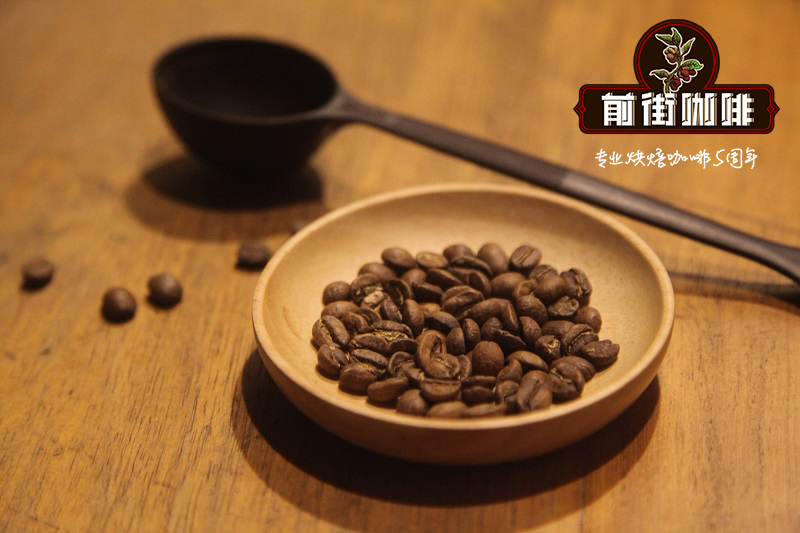
Hawaiian Kona beans are among the most beautiful coffee beans in the world: exceptionally full, with a bright luster, round, plump, delicate, and remarkably uniform. Grown on the volcano under Hawaii's unique microclimate, they develop an aroma found nowhere else, and the intensive hand-cultivation means every bean is a pampered aristocrat: beautiful, plump, with baby-soft skin.
Kona is also the only coffee grown commercially in the United States. About 90% is sold to the US mainland, much of it taken by Starbucks, with most of the rest bought by Japanese buyers. Roasted Kona retails in Honolulu for $25–31 per pound.
FrontStreet Coffee Recommendation
If Kona's bright, elegant profile appeals to you, FrontStreet Coffee's light-roast lineup, built for fruity, floral, acidic cups, is well worth exploring:
FrontStreet Ethiopia Yirgacheffe Guodingding: Yirgacheffe is many coffee lovers' first stop into specialty coffee, and it's easy to see why. Expect vivid citrus, berries, and florals with a green-tea-like sweet finish. Unlike the "sour coffee" many people imagine, a quality Yirgacheffe's acidity is soft and bright, like the natural sweetness-tartness of fruit rather than a sharp bite, making it an easy entry into pour-over.
FrontStreet Ethiopia Huakui (Hua Kui): one of the biggest star products of the specialty coffee scene in recent years. Its defining trait is intensely tropical fruit aromatics, strawberry, passion fruit, jackfruit, even lychee, with clear sweetness, very little bitterness, and a juicy, smooth entry. Customers often call it "the coffee that doesn't taste like coffee"; for anyone put off by traditional coffee's bitterness, Huakui tends to rewrite their expectations entirely.
FrontStreet Kenya Cherry Tomato: a washed Kenyan specialty lot built on bright cherry-tomato and dried-plum acidity with a full, juicy body. It comes from the Thika region at 1550–1750 meters, grown on classic SL28 and SL34, with plump, round beans. Processing uses Kenya's signature 72-hour double-wash fermentation to maximize fruit character while keeping the cup pristine; FrontStreet roasts it light to preserve the lively acidity and layered fruit. The dry fragrance offers dried cherry tomato and florals; the cup brings clear cherry tomato and dried plum, bright and grounded acidity like fresh-pressed juice, mid-palate sweetness with snow pear and black plum, and a clean, long finish of yellow sugar and a whisper of green tea, balanced, and instantly recognizable.
FrontStreet Ethiopia Kaffa Forest: from the Kaffa Forest in southwestern Ethiopia, a UNESCO-designated Kaffa Biosphere Reserve and the globally recognized birthplace of Arabica coffee (the very word "coffee" derives from the ancient Kingdom of Kaffa, and the legend of the goat herder Kaldi was born here). This 7,000-plus-square-kilometer montane rainforest, at 1400–2100 meters, is wrapped in mist and layered shade, and its natural evolution over millennia has produced more than 5,000 wild Arabica gene stocks, including the wild forebears of today's famous Geisha. The wild coffee trees grow on abundant rainfall and acidic red soil with no artificial densification, yielding a cup with rich jasmine, citrus, and wild berry aromatics in fine, lively layers. Local coffee cooperatives practice sustainable forest harvesting, protecting this rare genetic treasury alongside Ethiopia's traditional coffee ceremony and rainforest ecology.
Important Notice :
FrontStreet Coffee is a long-established specialty coffee roaster in Guangzhou China, selling freshly roasted beans from its own farm in Yunnan as well as dozens of carefully selected single-origin beans from around the world for both pour-over and espresso. The products deliver consistently excellent quality and great value, with shipping within 24 hours. Guangzhou's FrontStreet Coffee shop is recommended by many coffee lovers, and the beans are now available online at the Tmall 。
FrontStreet Coffee has moved to a new address:
FrontStreet Coffee Address: 315,Donghua East Road,GuangZhou
Tel:020 38364473
 Scan and follow the En Gafei WeChat official account. Please indicate that the reprint comes from "En Gafei".