Is Geisha Coffee Good? Panama Geisha Brewing Guide for Beginners - Hand Pour Coffee Tutorial
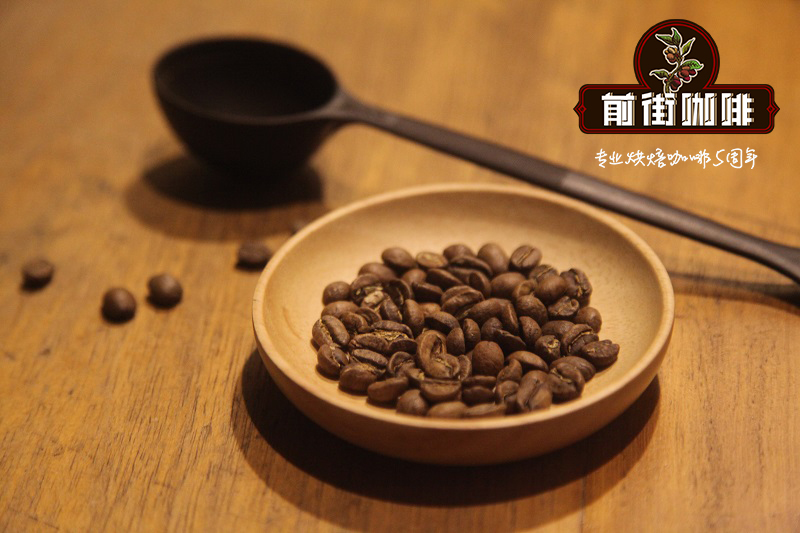
FrontStreet Coffee's Introduction to Geisha
The darling of specialty coffee — the ever-pricier Geisha!
The Geisha variety was discovered in 1931 in the Gesha forest of Ethiopia and then sent to the Coffee Research Institute in Kenya. In 1936 it was introduced to Uganda and Tanzania, and Costa Rica took it in during 1953. Panama received it in the 1970s, when Mr. Francisco Serracin of the Tumba Guiti farm obtained seeds from CATIE in Costa Rica and began growing Geisha. With extremely low yields and lots sold through bidding competitions, this coffee is genuinely hard-won.
In the southernmost part of Central America, in Panama's small mountain town of Boquete, Hacienda La Esmeralda became the birthplace of Geisha's fame — the perennial champion of international competitions. Interestingly, "Geisha" happens to share its pronunciation with the Japanese word for "geisha," and the name fits the bean well: it folds floral notes, tea aromas, berry flavors, citrus, and peach into one taste that is both sweet and refreshing.
Why Does Hacienda La Esmeralda's Geisha Keep Getting More Expensive, Setting Record After Record?
First, its inherent quality is excellent, with distinctive character and outstanding flavor.
Second, the yield is low, making it precious through rarity.
Geisha has many restrictive growing conditions — like a delicate beauty that demands extra time and care — and its harvest is smaller than traditional varieties.
It also demands high altitude: only Geisha grown above 1500 meters shows the variety's unique characteristics. Very little land is suitable for coffee at such altitudes, which further limits large-scale Geisha production.
Brewing Method
V60 dripper, 15g of coffee, water temperature 90°C, grind size BG-6S, water-to-coffee ratio 1:15.
Pour 30g of water to bloom for 30 seconds. Second pour to 125g, then stop. Once the water level drops and is about to expose the coffee bed, pour slowly to 225g. When the level again drops to just above the bed, remove the dripper. Total time: 2 minutes 00 seconds.
In short, FrontStreet Coffee is a specialty coffee research hall that enjoys sharing coffee knowledge with everyone, without reservation, to help more friends fall in love with coffee — a mission we have carried for the past 6 years.
FrontStreet Coffee Recommendation
For a first taste of the legendary "Geisha flavor," our entry-level Panama Boquete Geisha lets you experience the classic orange-blossom sweetness, oolong-tea texture, and fine fruit acidity of high-quality Panama Geisha at an approachable price. When you are ready to go further, our Esmeralda Red Label (Esmeralda Special) comes from single plots at 1600-1800 meters and must cup above 90 points, while the washed Green Label (Private Collection) blends micro-lots from the same high-altitude farms and presents the estate's signature Geisha character more affordably.
If you would like to compare Geisha at its origin, try our Genlana Gesha from Ethiopia's Yirgacheffe region: a single-variety lot from a washing station founded in 2014, made from hand-picked ripe cherries dried 14-20 days on raised beds and roasted medium-light, revealing bright citrus acidity, elegant ginger-flower aroma, and the full sweetness of ripe fruit. For a budget-friendly everyday take on the same floral-fruity profile, our Strawberry Candy blend pairs Panama Geisha with a Costa Rica honey-processed coffee and works beautifully as pour-over, moka pot, machine espresso, or even cold brew.
Important Notice :
FrontStreet Coffee is a long-established specialty coffee roaster in Guangzhou China, selling freshly roasted beans from its own farm in Yunnan as well as dozens of carefully selected single-origin beans from around the world for both pour-over and espresso. The products deliver consistently excellent quality and great value, with shipping within 24 hours. Guangzhou's FrontStreet Coffee shop is recommended by many coffee lovers, and the beans are now available online at the Tmall 。
FrontStreet Coffee has moved to a new address:
FrontStreet Coffee Address: 315,Donghua East Road,GuangZhou
Tel:020 38364473
 Scan and follow the En Gafei WeChat official account. Please indicate that the reprint comes from "En Gafei".