Spanish Latte Recipe and Its Differences from Regular Latte Coffee - Preparation Method, Ratios, and Flavor Characteristics

Today's café menus offer a wide range of drinks, and adding dairy products and flavored syrups to coffee to suit more tastes is entirely normal. But have you ever heard of coffee with condensed milk?
Adding Condensed Milk to Cover Coffee's Bitter Taste
In Vietnam the aroma of coffee drifts through the streets and alleys. Vietnamese coffee is made mainly from Robusta beans, usually roasted to a dark, oily shine. The extracted liquid is rich in crema, with flavors that generally run to hazelnut, grain, caramel and a distinct bitterness. Compared with the fresh milk of European countries, Vietnamese drinkers prefer the lactose sweetness of condensed milk, so they hit on the idea of using that sweetness to mask the coffee's intense bitterness. Locally the drink is called "ca phe sua da."
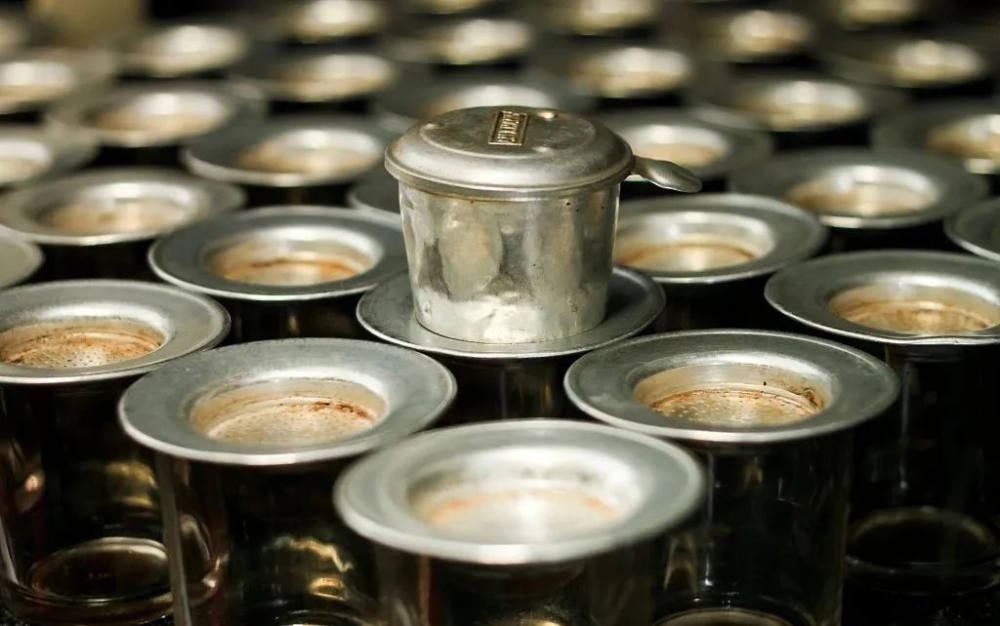
Order one locally and the shop will first put some creamy condensed milk in the cup, then set a drip filter on top, pour in hot water, cover it with a lid and wait for the dark coffee to drip through naturally. The barista will also bring a small spoon for stirring before you drink. The intense sweetness of the condensed milk neutralizes the strong bitterness of the Robusta black coffee, producing a milk coffee with both coffee flavor and lactose sweetness.
Beyond Vietnam in Southeast Asia, Spain in Europe also has a habit of drinking coffee with condensed milk. Spaniards call it "Café Bombón." It is espresso paired with condensed milk, served in a miniature cup.

FrontStreet Coffee has recreated this drink as well. Take a 90-120ml glass cup — the glass makes for better presentation. Pour condensed milk in a 1:1 ratio to the espresso. For example, FrontStreet Coffee uses 40g of espresso liquid, so the condensed milk added would be 40g. Then pour the espresso over the condensed milk. Because condensed milk is denser, the espresso struggles to mix with it without outside force, forming a very attractive "black and white" combination. The taste is like a bittersweet herbal jelly with condensed milk — far richer in texture than drinking pure espresso, and no longer bitter.

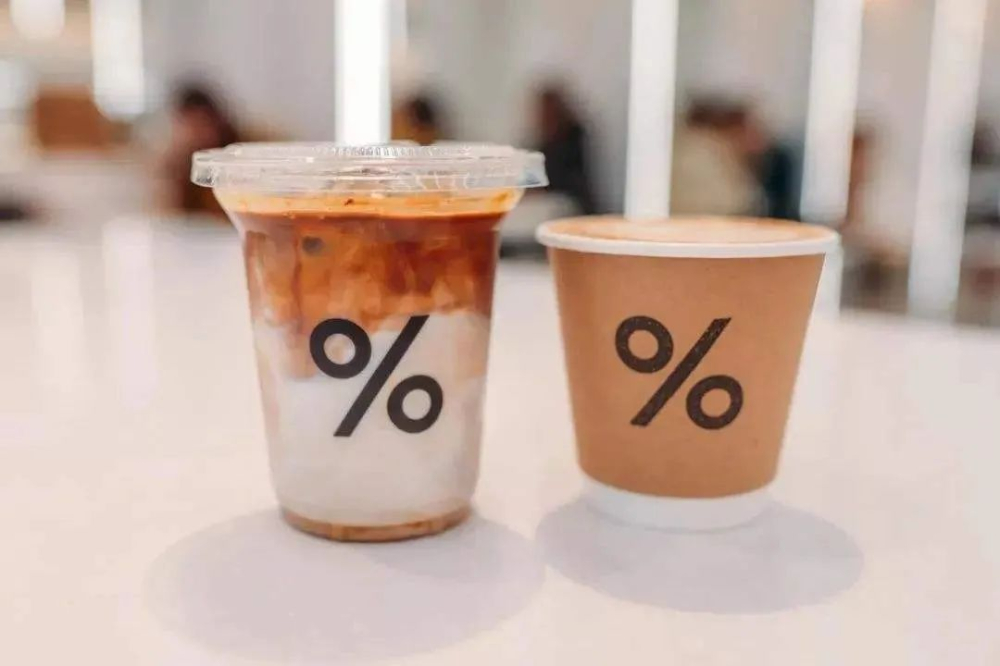
This condensed-milk approach is not limited to those two drinks. In recent years a "Spanish Latte" made from coffee, milk and condensed milk has become a popular item on café menus, and chains such as Arabica have launched their own versions.
Is There a Difference Between a Spanish Latte and a Regular Latte?
A Spanish Latte is made of espresso, fresh milk and condensed milk — in other words, it is a regular latte with condensed milk added. The condensed milk lets people who cannot accept bitterness still enjoy a rich coffee aroma.
Now that the difference is clear, the preparation is very simple. FrontStreet Coffee first extracts 40ml of espresso liquid, adds 10g of condensed milk to the base and stirs it through, then froths 200ml of fresh milk to a suitable temperature of 55-65°C and finally incorporates it into the coffee liquid — the Spanish Latte is done. For an iced Spanish Latte, FrontStreet Coffee first adds 75g of solid ice cubes to the cup, pours in 200ml of cold milk, then adds 10g of condensed milk to the extracted espresso and drizzles it over the surface. Stir evenly with a straw before drinking.
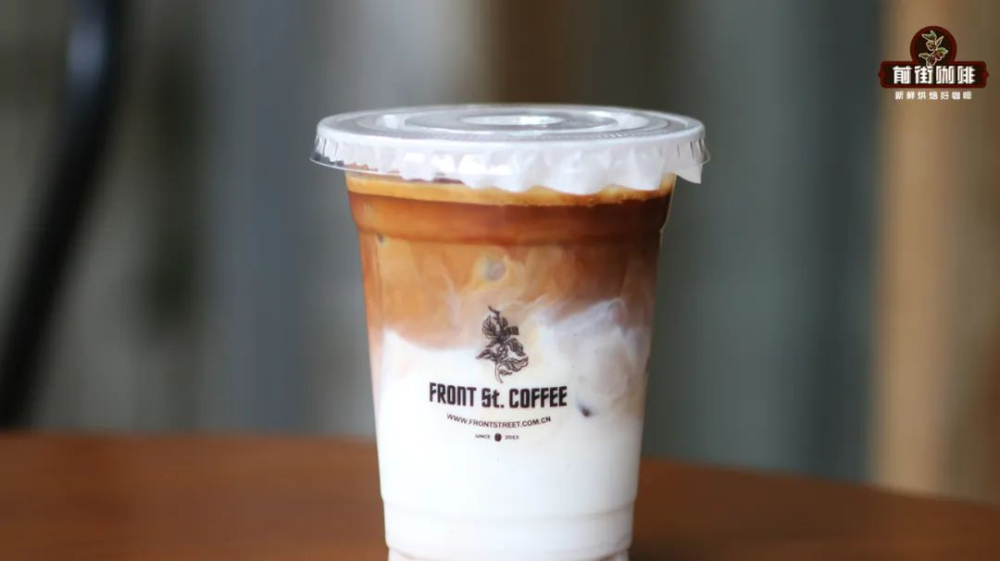
FrontStreet Coffee's espresso here uses its own house-roasted Sunflower Warm Sun Blend, a combination of Ethiopian natural-processed red cherry coffee beans (30%) and Honduras whiskey barrel-aged coffee beans (70%). The extracted espresso presents vanilla, cream, whiskey and berries. Paired with milk it tastes like vanilla chocolate milk, and the condensed milk highlights the sweetness of lactose and sucrose.

Stirred before drinking, the texture is extremely rich and smooth, and you cannot taste any bitterness at all. Essentially there is not much difference from the Vietnamese drip coffee — both use condensed milk to balance the coffee's bitterness, and only the coffee varieties and extraction methods differ.

Not everyone can accept the intense sweetness of Café Bombón, however, so the Spanish Latte was developed, using milk as a buffer to make the condensed milk less overwhelming. And because of the condensed milk, the whole latte gains a certain complexity — the two sides complement each other.
FrontStreet Coffee Recommendation
Any milk drink lives or dies on the base, and a Spanish Latte is no exception. FrontStreet Coffee's Classic Espresso Blend is the obvious choice for pouring over condensed milk: it was built specifically for espresso and moka pot brewing, and its strength is crema, so even a beginner on an ordinary home machine can pull the dense, fine foam that the drink needs. It follows the traditional Mamba formula of Mandheling and Brazil and drinks thick and mellow, which is why the house uses it. If you want the same effect at a lower price, FrontStreet Coffee's Black Cocoa Blend is 100% Arabica with generous crema and a full body, and FrontStreet Coffee's Premium Blend, the house espresso for close to a decade, pairs Brazilian Cerrado with Colombian Huila for the classic taste most drinkers recognise.
Which blend suits the drink depends on how you build the cup. FrontStreet Coffee's Premium Blend and Black Cocoa Blend lean on Brazil, so a latte made with them shows complex nut flavors — almond, walnut — with a smooth, coating mouthfeel. If you want a thicker golden foam on top, FrontStreet Coffee's Classic Espresso Blend and Commercial Blend carry a small proportion of Robusta, which brings more crema and pushes the body and caramel aroma to the front. For a fruitier milk drink, FrontStreet Coffee's Strawberry Candy is a fruit-forward espresso blend that recreates a distinctly strawberry-candy sweetness, and it is a good match for anyone who dislikes bitterness or for a café that wants a signature milk coffee.
One useful note: the condensed milk is doing the sweetening, so pull the espresso a little shorter and stronger than you would for a plain latte, and keep the milk steamed to 55-65°C so it stays sweet rather than scalded. Stir through before the first sip, and if you make the iced version, build it over the ice and cold milk first and drizzle the condensed-milk espresso over the surface — the layered look holds until you stir.
Important Notice :
FrontStreet Coffee is a long-established specialty coffee roaster in Guangzhou China, selling freshly roasted beans from its own farm in Yunnan as well as dozens of carefully selected single-origin beans from around the world for both pour-over and espresso. The products deliver consistently excellent quality and great value, with shipping within 24 hours. Guangzhou's FrontStreet Coffee shop is recommended by many coffee lovers, and the beans are now available online at the Tmall 。
FrontStreet Coffee has moved to a new address:
FrontStreet Coffee Address: 315,Donghua East Road,GuangZhou
Tel:020 38364473
 Scan and follow the En Gafei WeChat official account. Please indicate that the reprint comes from "En Gafei".