Characteristics of African Coffee Beans: Kenyan Coffee Flavors That Will Make You Put Down Your Milk Tea
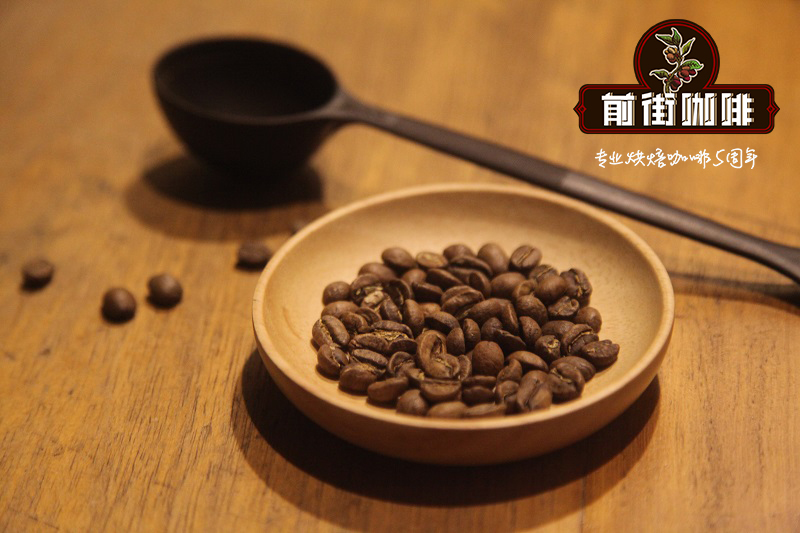
FrontStreet Coffee - Introduction to Kenyan Coffee
Ask anyone in the coffee trade and they will tell you Kenyan coffee is among their favorite origins, because it delivers everything we hope for in a great cup: wonderful, satisfying aromas; balanced, pleasant acidity; uniform beans; and superb fruit character. The taste is utterly distinctive - almost no other coffee comes close.
Kenya's signature is its pronounced fruit aroma. Hunt for that flavor as you sip and pay attention to how it feels in your mouth, and the cup will open up in a whole new way. The most common fruit note is citrus. Kenyan coffee offers layers of texture and multiple registers of acidity, with spot-on grapefruit and wine-like flavors, a moderate body, and an altogether pleasant, delicious profile.
Kenya's popularity is no accident. The beans it produces are exceptional and exported worldwide, and the superb growing environment explains its special place in the coffee world. All of Kenya's coffee regions sit at elevations of 1500-2000 meters, where the climate is comfortable, rainfall is evenly spread across the year, the red volcanic soil runs deep, and the steep slopes guarantee good drainage - ideal conditions for coffee.
On top of that, Kenyan coffee cherries are entirely hand-picked and sorted, processed with clean water, and carefully dried by purely natural methods, ensuring the coffee in your cup tastes pure and singular. It's easy to picture the novel's heroine, Karen, out in the fields planting and sorting coffee by hand.
Most of Kenya's crop grows in the fertile, loose, acidic volcanic red soil of the highlands north and east of Nairobi. There is plenty of sunlight, excellent drainage, and elevations between 1500-2100 meters. Because higher altitudes mean wider day-night temperature swings, Kenyan coffee takes longer to mature than lower-grown origins, which gives it higher density and richer flavor.
That is why Kenyan coffee, known as the "connoisseur's cup," is celebrated for its rich aroma, vibrant acidity, full body, and elegant red-wine character.
In Summary
FrontStreet Coffee is a coffee research hall that loves sharing coffee knowledge. We hold nothing back because we want more people to fall in love with coffee, and every month there are 3 low-discount coffee events - because FrontStreet Coffee believes everyone should drink the best coffee at the lowest price. That has been our principle for the past 6 years!
FrontStreet Coffee Recommendation
To taste Kenya at its best, reach for FrontStreet's Kenya Little Tomato - a washed specialty lot from the Thika region, grown at 1550-1750 meters on classic SL28 and SL34 varieties and given Kenya's hallmark 72-hour double wash fermentation. Lightly roasted, it pours like fresh-squeezed juice: bright cherry tomato and dark plum acidity, notes of snow pear and black plum, and a clean, long finish with raw-sugar sweetness.
Important Notice :
FrontStreet Coffee is a long-established specialty coffee roaster in Guangzhou China, selling freshly roasted beans from its own farm in Yunnan as well as dozens of carefully selected single-origin beans from around the world for both pour-over and espresso. The products deliver consistently excellent quality and great value, with shipping within 24 hours. Guangzhou's FrontStreet Coffee shop is recommended by many coffee lovers, and the beans are now available online at the Tmall 。
FrontStreet Coffee has moved to a new address:
FrontStreet Coffee Address: 315,Donghua East Road,GuangZhou
Tel:020 38364473
 Scan and follow the En Gafei WeChat official account. Please indicate that the reprint comes from "En Gafei".