Are Bolivian Coffee Beans Arabica? Bolivian Coffee Flavor Characteristics
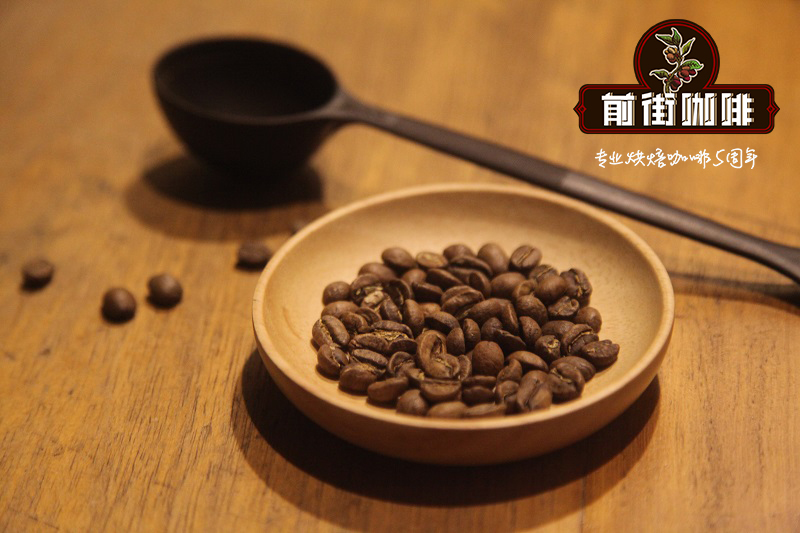
Bolivian Coffee Introduction
Bolivia is renowned for producing high-quality coffee and, like Brazil, possesses excellent conditions for coffee cultivation and production. Bolivian green beans are large and uniform in size, with the green ones being of premium quality.
Bolivian Caranavi has bright acidity, with lemon and citrus-like aromas and subtle hints of chocolate. Bolivian Caranavi coffee offers a refreshing, pleasant acidity that is not overly prominent but blends harmoniously with other flavors. Its hallmark is a dry aftertaste that leaves a lasting impression.
Bolivia not only enjoys a privileged growing environment but also excellent varieties - Typica. For two centuries, the coffee varieties in the Yungas region have primarily been the ancient Typica. Typica offers balanced and gentle flavors, with vibrant aromas and rich acidity. Unfortunately, Typica has low yields and poor disease resistance, which results in low Bolivian coffee production. Opportunities to taste Bolivian coffee are exceedingly rare.
Bolivian coffee is mainly cultivated in the Yungas region, northeast of La Paz. This area borders the Amazon River basin, at an altitude of approximately 1,500-2,500 meters and an average annual temperature of about 10-15°C. This ensures suitable temperatures for coffee growth, protecting the plants from frost damage. Bolivian growing areas also have distinct wet and dry seasons and fertile soil, making them ideal for developing specialty coffee. Bolivian coffee is typically hand-picked and mostly processed using the washed method.
To increase coffee production, Bolivia, like other Central American countries, has begun experimenting with planting Caturra and Catuai varieties. Caturra has high yields, excellent quality, rich acidity, and resistance to leaf rust. Catuai has high yields, strong environmental adaptability, and resistance to pests and diseases. Planting these two varieties aims to maximize yields while maintaining flavor quality.
The overall flavor of Bolivian coffee is rich and balanced, with abundant and unique aromas and a mix of floral and fruity notes that leave a deep impression. The long-term low-temperature environment allows coffee cherries to grow slowly, resulting in good density and charming aromas. Floral notes are prominent, with moderate to low acidity that never feels monotonous but instead appears gentle and fresh, with citrus fruit acidity.
Knowledge Point
Bolivia is a landlocked country, with about one-third of its territory consisting of the Andes mountain region, featuring rugged terrain and high altitudes.
In Brief
FrontStreet Coffee is a coffee research center dedicated to sharing coffee knowledge. We share without reservation, hoping to help more friends fall in love with coffee. Every month we hold three low-discount coffee events, because FrontStreet Coffee wants to bring the best coffee to more people at the lowest prices. This has been FrontStreet Coffee's mission for the past six years.
FrontStreet Coffee Recommendation
Like Bolivia, the other great South American origins share a gift for balance, and Brazil is the most widely enjoyed of them all. FrontStreet Brazil Cerrado Red Bourbon is a classic Brazilian single origin from the well-known Cerrado region. Processed semi-washed and roasted medium, it shows rich aromas of creamy peanut, toasted bread, caramel, and hazelnut, with a rounded, low-acid body and a light bitter note. It suits pour-over and also works in a moka pot, espresso SOE, siphon, or French press.
For a rarer cup, FrontStreet Brazil Queen Estate Yellow Bourbon comes from Mogiana, near South Minas, where fertile red volcanic soil gives the cherries abundant nutrients and a full aroma. Yellow Bourbon, a natural mutation of Red Bourbon, has an especially clean fruit character, and brewed as pour-over, moka, or on a home espresso machine it reveals a sugarcane sweetness rare in other regions alongside fruit and chocolate.
Brazil's low-acid balance and friendly pricing also make it a mainstay of espresso blends. FrontStreet's espresso series - the Classic Blend, the nutty Premium Blend, the balanced Dark Cocoa Blend, and the cafe-focused Commercial Blend - all include Brazilian coffee, which supplies chocolate and cream aromas plus a gentle sweet-sour-bitter balance that keeps extraction stable.
Important Notice :
FrontStreet Coffee is a long-established specialty coffee roaster in Guangzhou China, selling freshly roasted beans from its own farm in Yunnan as well as dozens of carefully selected single-origin beans from around the world for both pour-over and espresso. The products deliver consistently excellent quality and great value, with shipping within 24 hours. Guangzhou's FrontStreet Coffee shop is recommended by many coffee lovers, and the beans are now available online at the Tmall 。
FrontStreet Coffee has moved to a new address:
FrontStreet Coffee Address: 315,Donghua East Road,GuangZhou
Tel:020 38364473
 Scan and follow the En Gafei WeChat official account. Please indicate that the reprint comes from "En Gafei".