Is Indonesian Mandheling Coffee Bitter? Why Love Mandheling Because It's Charming in Its Ugliness
For professional coffee knowledge exchange and more coffee bean information, please follow Coffee Workshop (WeChat public account: cafe_style)
FrontStreet Coffee - Introduction to Mandheling Coffee
Mandheling coffee is produced in Sumatra, an Asian island belonging to Indonesia — hence its other name, "Sumatran coffee." The main production areas include Java Island, Sulawesi Island, and Sumatra Island, with 90% being Robusta varieties.
Among these, the "Mandheling" produced on Sumatra Island is the most famous. The finest of the traditionally processed Arabica coffees grown in northern Sumatra are marketed under the names Lintong and Mandheling.
Strictly speaking, Lintong refers to coffee grown in a small area within the Lintong administrative district southwest of Lake Toba. The coffee smallholdings are scattered across a high, undulating clay plateau covered with ferns. Lintong coffee is grown without shade, without chemicals, and is almost entirely owned by small private farmers.
Mandheling is a broader term that includes Lintong coffee and growing areas of similar conditions, such as Diari (capital Sidikalang) and the northern part of Lake Toba.
Mandheling coffee has a very rich flavor — fragrant, bitter, and mellow, with a touch of sweetness. Most coffee enthusiasts enjoy it as a single origin, but it is also an indispensable component in coffee blends.
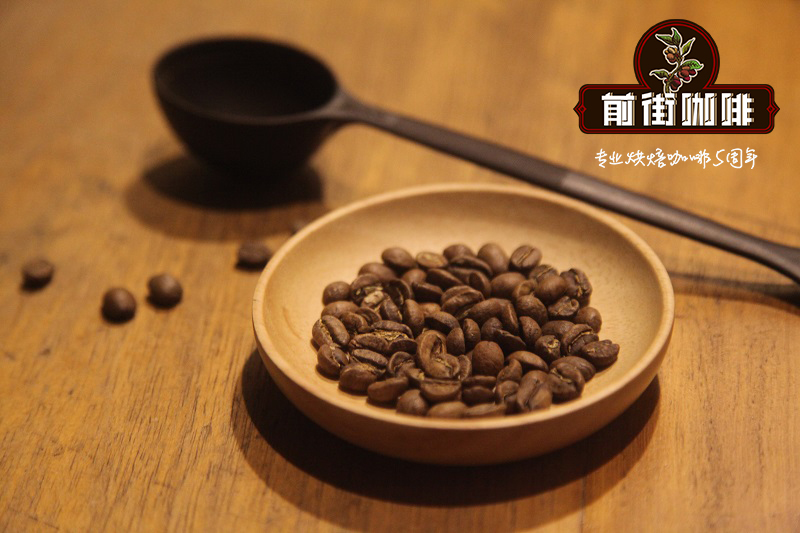
Mandheling has a heavy taste with rich body and vibrant, lively dynamics — neither astringent nor acidic, fully displaying its body and bitterness. Mandheling beans might be considered the ugliest in appearance, but fans of Mandheling would say that the uglier Sumatran beans look, the better, richer, and smoother their flavor and texture will be.
Mandheling coffee is considered one of the world's most full-bodied coffees. When tasting it, you can feel a distinct smoothness on your tongue. It has low acidity, but that acidity is still clearly perceptible — a jumping micro-acidity combined with the richest aroma lets you easily experience the lively factors within its gentle richness. It also carries a faint earthy aroma, which some describe as the fragrance of herbal plants.
Since Mandheling beans themselves lack prominent acidic character, special brewing methods typically use Mandheling as the base: during long heat preservation or when making iced coffee, no unpleasant acidic or astringent taste appears. After roasting, the beans are quite large; raw beans appear brown or dark green, possess a caramel-like special aroma, and deliver a fragrant, rich, and mellow taste.
Knowledge Point: Mandheling is not the name of a production area, a place, a port, or a coffee variety. It is the phonetic translation of the Indonesian Mandheling ethnic group.
In Summary
FrontStreet Coffee is a dedicated coffee research space that enjoys sharing coffee knowledge with everyone. We share without reservation only to help more friends fall in love with coffee. Additionally, we hold three coffee discount events every month because FrontStreet Coffee wants to offer more friends the opportunity to drink the best coffee at the lowest prices. This has been FrontStreet Coffee's mission for the past 6 years!
FrontStreet Coffee Recommendation
Those "ugly" Sumatran beans owe their wild character to Indonesia's weather. The island's rainy season overlaps with coffee harvest, so the long 2-3 week sun-drying used in Africa is impossible; washed processing is time-consuming, water-hungry, and costly for smallholders. The local answer is the uniquely Sumatran wet-hulled (giling basah) method: growers hull off the skin and pulp and give the beans a brief wash, then — while the beans are still half-dry, half-wet — machine away the parchment so the green beans are exposed directly to the air, accelerating drying. The trade-off is that the naked beans pick up fungi from the air, giving rise to Mandheling's one-of-a-kind wild flavors. Coffee arrived in Indonesia in the late 17th century, when the Dutch planted Java; after leaf rust devastated that island in the early 20th century, cultivation moved north to Sumatra, which now grows over 60% of Indonesia's Arabica and Robusta. The traditional Mandheling heartland is Lintong around Lake Toba in North Sumatra, while the newer Aceh region near Lake Tawar, in the Gayo mountains, produces beans with finer aroma and a brighter cup.
To taste wet-hulled coffee at its best, FrontStreet Coffee first recommends the highest grade: the FrontStreet PWN Golden Mandheling. PWN buys high-quality Mandheling green beans under extremely strict standards — starting from beans above 18 mesh, with fewer than 3 defective beans per 300g sample to meet the top G1 grade — followed by three rounds of hand sorting to remove every defect, raising both cleanliness and sweetness. It was also the earliest brand in the industry to display the PWN-exclusive gunny sacks and certificates in its product listings, so you can verify authenticity from the bean packaging and accompanying documents. Golden Mandheling is mostly supplied to the Japanese and American markets, so genuinely imported stock is limited. Roasted medium-dark, it shows rich roasty aromas with a clean cup and full body — perfect for those who dislike acidic coffee. For the classic profile, the FrontStreet Lintong Mandheling everyday beans are fragrant and intense, with clove and woody aromatics, spice and mint notes, low acidity, and a strong, lasting, full sweetness.
For brewing, FrontStreet suggests pour-over at 87-88°C with 15g of coffee, a 1:15 ratio, and a coarse granulated-sugar grind, poured in three stages: 30g of water to fully wet the grounds and degas, 100g to lift the bed and wash out the golden foam, then a final gentle 95g poured at the center to boost sweetness — yielding a thick, full body with caramel sweetness and chocolate and nut flavors. Mandheling also shines as espresso; for that, try the FrontStreet Classic Blend, which layers medium-dark Mandheling over Brazil's creamy nuttiness — butter, roasted chestnut, and caramel, with sandalwood, herbal, and spice notes and a touch of Robusta for extra crema — making latte art and Dirty layering effortless.
Important Notice :
FrontStreet Coffee is a long-established specialty coffee roaster in Guangzhou China, selling freshly roasted beans from its own farm in Yunnan as well as dozens of carefully selected single-origin beans from around the world for both pour-over and espresso. The products deliver consistently excellent quality and great value, with shipping within 24 hours. Guangzhou's FrontStreet Coffee shop is recommended by many coffee lovers, and the beans are now available online at the Tmall 。
FrontStreet Coffee has moved to a new address:
FrontStreet Coffee Address: 315,Donghua East Road,GuangZhou
Tel:020 38364473
 Scan and follow the En Gafei WeChat official account. Please indicate that the reprint comes from "En Gafei".