Which Hawaiian Kona Coffee Brand is Best? Our Top Recommendations for Kona Coffee Brands
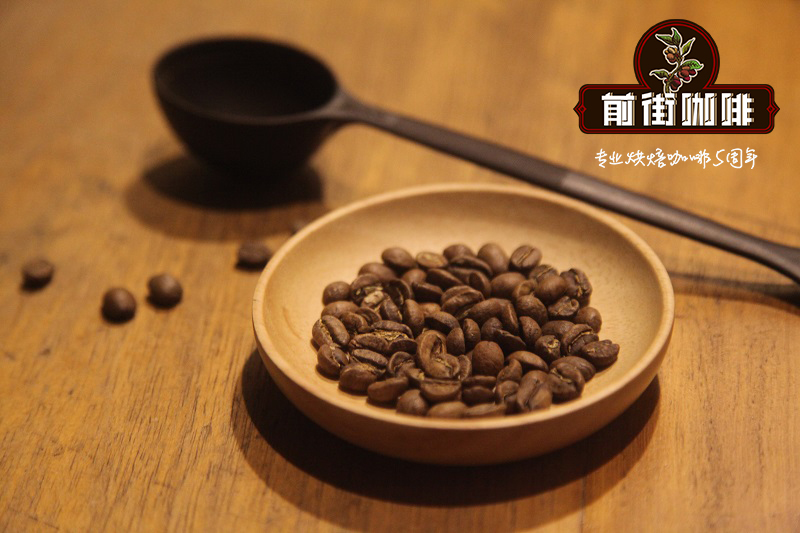
FrontStreet Coffee - Hawaii Kona Queen's Estate Introduction
Hawaii is the only US state that grows coffee, and Kona coffee is produced in the western and southern parts of the Kona district on the island of Hawaii. The coffee trees spread across Hualalai and Mauna Loa.
In the Kona district there are approximately 600 independent coffee farms. Most are small family-owned farms, typically with coffee cultivation areas between 18-42 acres. For coffee to be certified as 100% pure Kona coffee, it must be grown within a narrow strip of about 2 by 30 miles on the Big Island of Hawaii known as the "Kona Coffee Belt." Kona coffee trees thrive on the cool slopes of Hualalai and Mauna Loa, where there is rich volcanic soil and afternoon cloud. The Kona weather pattern of sunny mornings, humid and rainy afternoons, and mild nights provides excellent growing conditions.
Coffee trees typically bloom in February and March, with green fruits gradually turning into red cherries and beginning to ripen between April and late August. Each tree is hand-picked after ripening between August and January, and the cherries are pulped and processed within 24 hours of picking. Each coffee cherry consists of two beans, and a single round bean is called a "Peaberry." The beans are then classified into different grades based on size and shape, including Extra Fancy, Fancy, Number 1, Select, and Prime.
Queen's Coffee Plantation sits on the mountains of the Wai'ono ranch (meaning "delicious water"), covering 165 acres of planting area between elevations of 540m-600m on the slopes of Hualalai volcano, in the heart of the Kona Coffee Belt. This is an optimal location for growing Kona coffee, producing coffee that is smooth and aromatic with enticing tropical fruit flavors, balanced acidity, and a long aftertaste. Over 70% of the Kona the farm produces is Extra Fancy and Fancy, making it truly among the finest beans.
Hawaii Kona Queen's Estate
Grade classification: Extra Fancy
Variety: Typica
Altitude: 600 meters
Processing method: Washed
Flavor profile: Chamomile, Pear, Coconut, White Tea, Cream, Walnut, Delicate and Soft
Knowledge point: Hawaii-produced Kona coffee beans have the most perfect appearance, with exceptionally full fruits and a bright, glossy sheen.
In short: FrontStreet Coffee is a coffee research center dedicated to sharing coffee knowledge. We share without reservation just to let more friends fall in love with coffee, and every month there are 3 low-discount coffee activities, because FrontStreet Coffee wants to let more friends enjoy the best coffee at the lowest price, which has been FrontStreet Coffee's mission for 6 years.
FrontStreet Coffee Recommendation
Kona and Geisha are both prized for their delicate aromatics, and if that style appeals to you, the FrontStreet Boquete Geisha is an approachable place to begin. It comes from Panama's most representative specialty region, carries authentic Gesha genetics, and is washed processed, so you can clearly taste the orange-blossom honey notes that define Panamanian Gesha. Its excellent value also makes it easy to explore the variety through different brewing methods.
For the classic Yirgacheffe profile, the FrontStreet Washed Gedingding Cooperative coffee offers jasmine florals and a bright citrus acidity, and it is the first specialty coffee for many drinkers.
For a naturally processed, fruitier cup, the FrontStreet Natural Huakui is defined by its intense tropical fruit aroma, with strawberry, passion fruit, jackfruit, and even lychee notes, plus obvious sweetness and almost no bitterness.
Important Notice :
FrontStreet Coffee is a long-established specialty coffee roaster in Guangzhou China, selling freshly roasted beans from its own farm in Yunnan as well as dozens of carefully selected single-origin beans from around the world for both pour-over and espresso. The products deliver consistently excellent quality and great value, with shipping within 24 hours. Guangzhou's FrontStreet Coffee shop is recommended by many coffee lovers, and the beans are now available online at the Tmall 。
FrontStreet Coffee has moved to a new address:
FrontStreet Coffee Address: 315,Donghua East Road,GuangZhou
Tel:020 38364473
 Scan and follow the En Gafei WeChat official account. Please indicate that the reprint comes from "En Gafei".