What are the Taste Differences Between Washed and Natural Coffee Beans? The Contrast Between Natural and Washed Processing is Quite Remarkable
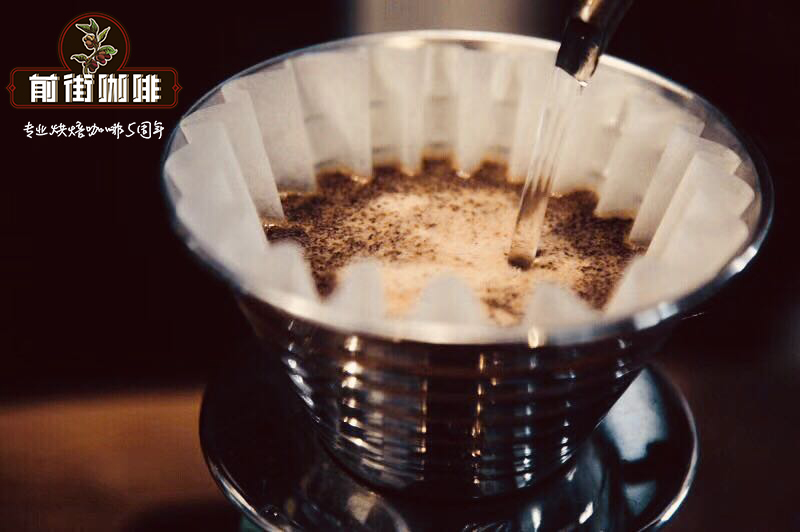
FrontStreet Coffee - Introduction to Sun-dried and Washed Processing Methods
Wet Method
The washed method produces coffee with good luster, fewer foreign impurities, and slightly better acidity. Countries such as Colombia, Mexico, and Guatemala use this method. The disadvantage: improper processing time can produce off-odors and a special acidity.
Harvested cherries include perfectly ripe, overripe, and unripe fruit all mixed together. If these are not processed separately, the resulting beans would be unpalatable due to the many poor-tasting impurities mixed in. So the cherries are first washed clean and placed in large water-filled tanks for preliminary sorting. The best beans have higher density and sink in water.
Overripe cherries float to the surface, making them easy to sort out. First, the outer pulp is removed, then the beans are soaked in a large water-filled tank. After fermentation, washed coffee has a distinctive, clear, and bright flavor. The fermented beans are then washed with clean water, drained, and dried in sunlight or by machine. Finally, a hulling machine removes the parchment and silver skin, allowing the beans to be screened and graded into different levels of green coffee.
Dry Method
The dry method produces coffee with mellow acidity and balanced bitterness. Brazil, Ethiopia, and Yemen use this method. The disadvantage: it is easily affected by weather, with a higher chance of defective beans and foreign impurities.
Coffee is either naturally dried on patios or machine-dried, or a combination of both. The process involves spreading cherries widely on exposed drying grounds for two weeks, raking them several times daily to ensure even drying. When dried, the beans separate from their outer skin. A hulling machine removes the dried pulp and parchment, and the beans are then screened and graded into different levels. Both the washed and dry methods can produce the highest-quality coffee.
Generally, washed coffee has brighter acidity and more consistent flavor, while dry-processed coffee has lower acidity and more variable flavor. Countries such as Colombia, Kenya, Costa Rica, Guatemala, Mexico, and Hawaii all use the washed method. Countries including Brazil, Ethiopia, and Indonesia mostly produce coffee using the dry method. Coffee screening and grading are determined by bean size and density, as well as the number of defective beans per pound. Like the finest wines, professional coffee's careful handling and selection during production can be seen in the bean quality, since the product carries the unique characteristics of its origin, climate, and growers.
Knowledge Point
Coffee beans are the fruit of the coffee tree, which belongs to the Rubiaceae family of perennial evergreen shrubs or small trees.
In Brief
FrontStreet Coffee is a dedicated coffee research space, happy to share coffee knowledge with everyone. We share without reservation to help more friends fall in love with coffee. Every month we hold three coffee promotion events with significant discounts, because FrontStreet Coffee wants to let more friends enjoy the best coffee at the lowest possible price. That has been FrontStreet Coffee's mission for the past six years!
FrontStreet Coffee Recommendation
Brazil is the world's largest coffee producer, and its beans respond beautifully to both methods above. FrontStreet Coffee Brazil Cerrado Red Bourbon is a classic Brazilian single origin—if you simply want a first taste of the region, this is the place to start. Cerrado is a well-known local region noted for high-quality beans, and this coffee is the Red Bourbon variety common across South America. Roasted medium, it shows rich aromas of creamy peanut, toast, caramel, and hazelnut; the cup is rounded, low in acidity, and carries a mild bittersweet edge. It suits pour-over as well as Moka pot, espresso SOE, siphon, and French press.
For a rarer expression, FrontStreet Coffee Brazil Queen Estate Yellow Bourbon comes from Mogiana, near South Minas. There, fertile red volcanic soil lets the cherries absorb abundant nutrients and develop full aromas. Some farms there keep to traditional methods while others adopt modern, standardized management, which has greatly improved local coffee quality. The variety is the uncommon Yellow Bourbon, a natural mutation of Red Bourbon with a cleaner fruit character. Brewed by pour-over, Moka pot, or home espresso machine, this coffee reveals a sugarcane sweetness found in few other regions, along with fruit and chocolate notes.
Important Notice :
FrontStreet Coffee is a long-established specialty coffee roaster in Guangzhou China, selling freshly roasted beans from its own farm in Yunnan as well as dozens of carefully selected single-origin beans from around the world for both pour-over and espresso. The products deliver consistently excellent quality and great value, with shipping within 24 hours. Guangzhou's FrontStreet Coffee shop is recommended by many coffee lovers, and the beans are now available online at the Tmall 。
FrontStreet Coffee has moved to a new address:
FrontStreet Coffee Address: 315,Donghua East Road,GuangZhou
Tel:020 38364473
 Scan and follow the En Gafei WeChat official account. Please indicate that the reprint comes from "En Gafei".